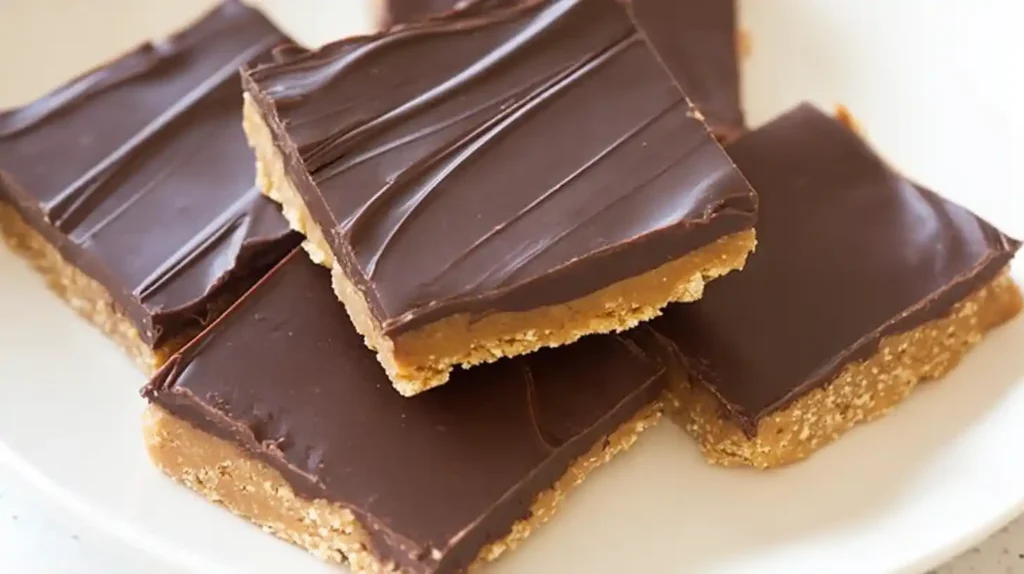
Discover the sheer joy of crafting your own homemade chocolate bars right in your kitchen. This guide empowers you to transform simple ingredients into gourmet treats. You can easily customize flavors, textures, and designs, making each bar uniquely yours. Whether for impressive gifts or an indulgent personal snack, learning to make your own chocolate bars opens a world of delicious possibilities. Dive into the delightful process and create something truly special.
Table of Contents
Why You’ll Love This Homemade Chocolate Bar Recipe
Crafting homemade chocolate bars brings immense satisfaction and several benefits:
- Infinitely Customizable: Tailor every aspect to your exact preferences, from chocolate type to delightful mix-ins.
- More Affordable: Create delicious, high-quality chocolate bars at a fraction of the cost of store-bought gourmet options.
- Impressive Gifts: Your custom-made chocolate bars make thoughtful, personal gifts for holidays, birthdays, or any special occasion.
- Fun Activity: Enjoy a creative and engaging kitchen project perfect for solo crafting or involving the whole family.
- Control Ingredients: You know exactly what goes into each bar, allowing for dietary considerations and ingredient quality.
Ingredients for Homemade Chocolate Bars
Making delicious homemade chocolate bars begins with quality ingredients. For the base, you will need 2–8 ounces of melted chocolate. For exciting additions, gather your favorite mix-ins and toppings.
Choosing Your Chocolate: Pure vs. Compound
The type of chocolate you select impacts both flavor and the crafting process.
- Pure Chocolate: This includes high-quality dark, milk, or white chocolate made with cocoa butter. It offers a rich, complex flavor but requires tempering for a smooth, shiny finish and proper snap. Brands like Ghirardelli, Callebaut, or Valrhona provide excellent pure chocolate options.
- Compound Chocolate: Also known as candy melts, melting wafers, confectionery coating, or almond bark, this uses vegetable oils instead of cocoa butter. It’s incredibly easy to melt and requires no tempering, making it ideal for beginners or quick projects. It’s designed to harden quickly and maintain shape without special treatment.
Mix-In Ideas for Custom Chocolate Bars
Unleash your creativity with a wide array of mix-ins. These additions elevate your custom chocolate bars from simple to spectacular.
- Nuts: Toasted almonds, pecans, walnuts, or salted peanuts provide a satisfying crunch and nutty flavor.
- Dried Fruits: Chewy cranberries, cherries, raisins, or apricots add a burst of fruity sweetness.
- Crunchy Additions: Crushed cookies, pretzels, potato chips, toffee bits, or puffed rice cereal offer delightful textures.
- Chewy Items: Miniature marshmallows, caramel bits, gummy candies, or chewy nougat pieces create an interesting contrast.
- Sweet Toppings: Sprinkles, crushed candy canes, mini chocolate chips, or sea salt flakes add visual appeal and extra flavor.
Experiment with combinations like dark chocolate with dried cherries and almonds, or milk chocolate with pretzels and caramel bits.
Essential Equipment
Gathering the right tools makes crafting your custom homemade chocolate bars smooth and enjoyable. You likely have many of these items already.
- Microwave-safe bowls: For melting chocolate in short bursts.
- Rubber spatula or spoon: Essential for stirring and handling melted chocolate.
- Candy bar molds: Silicone, plastic, or polycarbonate molds are perfect for professional-looking results.
- Alternative: A non-stick loaf pan or a plastic container can work in a pinch for breaking into pieces.
- Optional: A food thermometer for precise tempering, and piping bags for intricate designs.
Step-by-Step Instructions to Make Homemade Chocolate Bars
Follow these clear instructions to create your perfect homemade chocolate bars. Whether you choose pure chocolate or compound chocolate, this guide will lead you through each crucial step. Pay close attention to the details for the best results.
Preparing Your Chocolate (Tempering Pure Chocolate)
Tempering pure chocolate ensures it hardens properly with a glossy finish and a satisfying snap. This process stabilizes the cocoa butter crystals.
- Finely chop your pure chocolate. Smaller pieces melt more evenly. Reserve about one-quarter of the chopped chocolate.
- Microwave Tempering: Place three-quarters of the chocolate in a microwave-safe bowl. Heat on 50% power in 30-second intervals, stirring thoroughly after each, until mostly melted. The temperature should reach about 115°F (46°C) for dark chocolate, 110°F (43°C) for milk, and 105°F (40°C) for white.
- Seeding Method: Remove from the microwave. Stir in the reserved chopped chocolate. Continue stirring until all pieces melt and the chocolate cools to its working temperature: 88-91°F (31-33°C) for dark, 86-88°F (30-31°C) for milk, and 82-84°F (28-29°C) for white. This “seeding” introduces stable crystals, setting the temper.
- Double Boiler Setup: Alternatively, melt the chocolate in a heatproof bowl set over a saucepan of simmering water, ensuring the bowl does not touch the water. Stir frequently until melted, then proceed with the seeding method.
Melting Compound Chocolate (No Tempering Needed)
Compound chocolate is much simpler to prepare as it doesn’t require tempering.
- Microwave Melting: Place compound chocolate pieces in a microwave-safe bowl. Heat on 50% power in 30-second bursts, stirring well after each interval. Continue until the chocolate is smooth and fully melted. Avoid overheating, which can cause it to seize.
- Double Boiler Melting: Gently melt compound chocolate in a heatproof bowl set over a saucepan of barely simmering water. Stir constantly until smooth and fluid. This method provides more controlled, even heating.
Molding Your Chocolate Bars
Once your chocolate is perfectly melted, it’s time to create your custom shapes.
- Pour Chocolate: Carefully pour the melted and tempered pure chocolate, or melted compound chocolate, into your candy bar molds. You can also use a non-stick loaf pan or a rectangle plastic container for a slab that you will break later.
- Add Mix-ins: If desired, stir your favorite candy bar toppings directly into the melted chocolate before pouring. Alternatively, pour the chocolate first, then sprinkle your chosen ingredients evenly on top of the wet chocolate.
- Tap Molds: Gently tap the molds several times on your countertop. This crucial step helps release any trapped air bubbles, preventing voids in your finished homemade chocolate bars.
- Pop Bubbles: Use a toothpick or the tip of a knife to pop any visible air bubbles that rise to the surface. Tap the mold a few more times to ensure a smooth, professional-looking top.
- Chill Until Firm: Place pure chocolate bars in the refrigerator to chill for about 10-15 minutes until firm. For compound chocolate, use the freezer for approximately 10 minutes. Do not over-chill.
- Unmold Carefully: Once completely hardened, gently flex the molds to release the candy bars. Handle them carefully to prevent breakage.
Pro Tips & Troubleshooting
Achieve perfect homemade chocolate bars every time with these expert tips and solutions for common issues.
- Pro Tip: Ensure absolutely no water contacts your chocolate during melting. Even a single drop can cause it to seize and become grainy. Research confirms that water can cause chocolate to seize by creating an imbalance of dry to wet ingredients.
- Pro Tip: Do not over-chill your chocolate bars. Pure chocolate can develop condensation, while compound chocolate can become brittle.
- Pro Tip: Test pure chocolate temper by dipping a knife or spatula. If it sets within 3-5 minutes at room temperature, it’s tempered correctly.
- Troubleshooting: If chocolate gets stuck in molds, it’s likely untempered pure chocolate or due to over-chilling. Ensure proper temper and chilling times.
- Troubleshooting: Prevent white streaks (bloom) on chocolate by ensuring proper tempering (for pure chocolate) and by storing bars at a consistent, cool room temperature.
Serving, Storage, and Creative Variations
These homemade chocolate bars are incredibly versatile, perfect for enjoying as is or incorporating into other culinary creations.
Serving Suggestions
Enjoy your delicious creations in many ways. You can simply savor them plain alongside a warm cup of coffee or tea. Chop the hardened bars into chunks and use them as an exciting mix-in for cookies, brownies, or even homemade ice cream. They also make fantastic edible garnishes for cakes and cupcakes.
Proper Storage for Freshness
To maintain optimal freshness and prevent bloom, store your chocolate bars properly. Keep them at cool room temperature, ideally between 60-70°F (15-21°C), away from direct sunlight, heat, and strong odors. Wrap them tightly in plastic wrap or foil, then place them in an airtight container.
For extended storage, especially with perishable mix-ins, you can freeze them. Wrap them very tightly, then thaw slowly in the refrigerator before bringing to room temperature. Shelf life varies from 2 weeks to 2 months depending on mix-ins.
Endless Flavor Combinations and Designs
Unleash your imagination with endless variations for your homemade chocolate bars.
- Cookies & Cream: Swirl crushed sandwich cookies into white or milk chocolate.
- Swirled Designs: Drizzle contrasting melted chocolate colors (e.g., dark and white) into the mold and gently swirl with a toothpick.
- Multi-colored Bars: Create layers with different types of chocolate, chilling each layer before adding the next.
- Holiday Themes: Use seasonal candy molds or sprinkles to create festive bars for any holiday.
- Salty-Sweet: Incorporate pretzels, sea salt, or potato chips for an irresistible contrast.
Nutrition Information
Making your own chocolate bars gives you control over the ingredients. Below is estimated nutrition for a plain chocolate bar serving.
| Nutrient | Amount |
|---|---|
| Calories | 170 kcal |
| Serving Size | 1 serving (30g) |
Disclaimer: This nutrition information is an estimate for a standard serving of plain chocolate. Adding mix-ins like nuts, dried fruits, or caramel bits will significantly alter the nutritional values and calorie count of your homemade chocolate bars.
Frequently Asked Questions (FAQ)
Why is my homemade chocolate chalky or streaky?
This often indicates improper tempering for pure chocolate, or moisture exposure. Ensure your pure chocolate is correctly tempered and keep water away from it during melting.
Can I use regular chocolate chips for homemade chocolate bars?
Regular chocolate chips contain stabilizers that prevent them from melting and setting smoothly like couverture or compound chocolate. While they can work, the texture might be softer and less stable without proper tempering.
How long do homemade chocolate bars last?
When stored correctly, plain homemade chocolate bars last for several weeks at room temperature. With perishable mix-ins, consume them within 1-2 weeks or store them in the freezer for longer freshness.
Are special molds necessary for making chocolate bars?
While special candy bar molds provide a professional finish, they are not strictly necessary. You can use a parchment-lined loaf pan or a shallow container to create a chocolate slab, then break it into pieces.
Can children participate in making these chocolate bars?
Absolutely! Making homemade chocolate bars is a wonderful activity for children. They can help with stirring compound chocolate, choosing fun mix-ins, and decorating, making it a truly engaging experience.
Final Thoughts
Crafting your own homemade chocolate bars is a rewarding culinary adventure that combines simplicity with endless creative possibilities. You’ve learned the essential techniques, from selecting the right chocolate to perfecting your custom designs.
Embrace the freedom to experiment with flavors, textures, and decorations, making each batch uniquely yours. We encourage you to try this delightful process and share your delicious, custom-made treats with friends and family. Happy chocolate making!
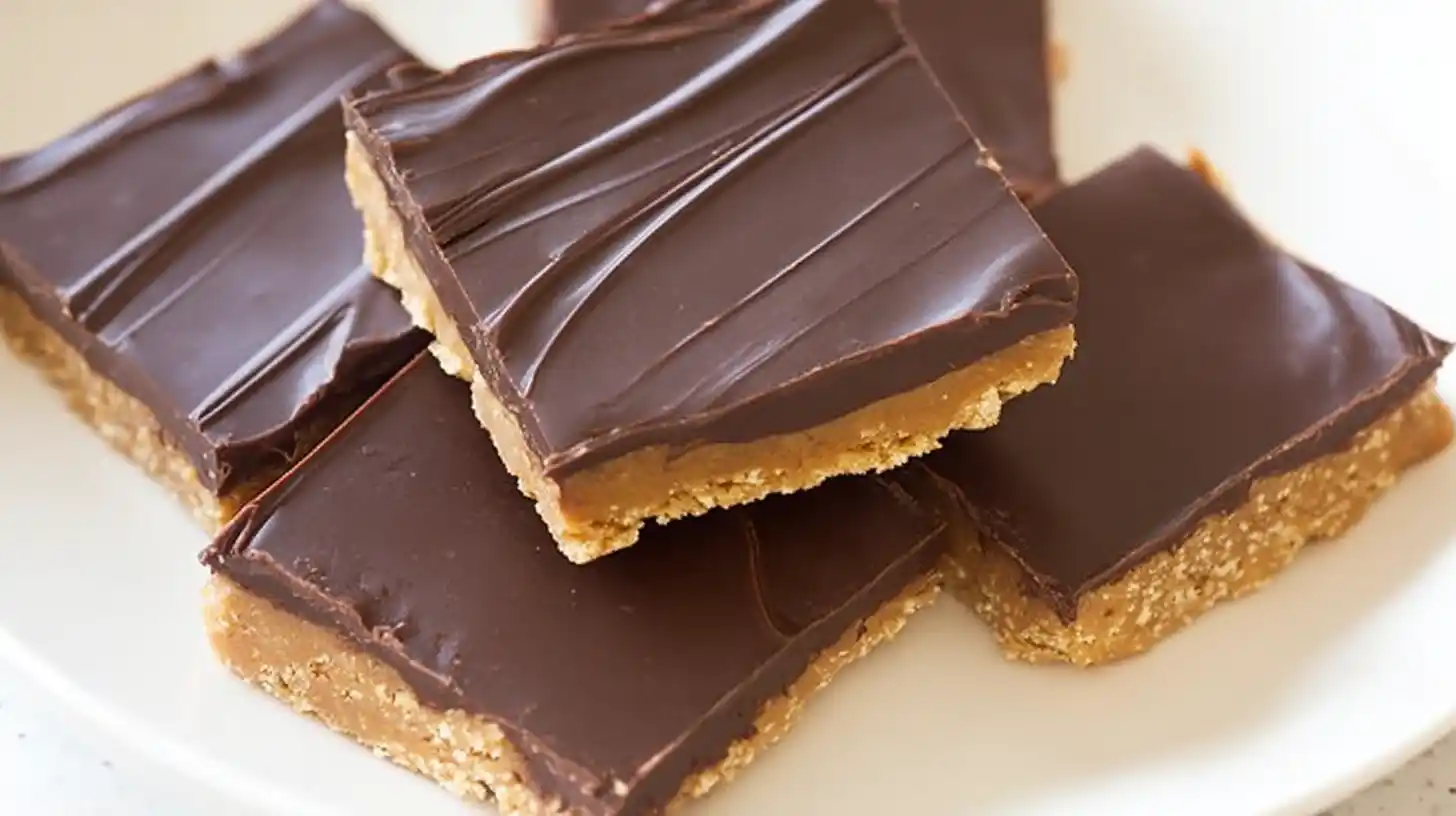
Homemade Chocolate Bars
Ingredients
Equipment
Method
- Pour melted chocolate into your chosen mold or container.
- Stir in optional toppings before pouring, or add them on top of the wet chocolate.
- Tap the mold several times to release any trapped air bubbles.
- Pop any visible air bubbles with a toothpick or knife.
- Tap the mold again to ensure a smooth top surface.
- Chill pure chocolate bars in the refrigerator or compound chocolate in the freezer for about 10 minutes, until hardened.
- Carefully remove the hardened candy bars from the mold.
Notes

Emma is the lead recipe developer and creative voice behind Empirefoodie. With a BSc in Pastry Arts from The Restaurant School at Walnut Hill College, she bridges the gap between professional culinary techniques and approachable home cooking. Based in sunny Florida, Emma combines her classical training with a passion for comfort food to create reliable, family-friendly recipes that anyone can master. When she isn't baking, she's exploring new flavors to bring to your table.