Tag

baking recipes

Browsing

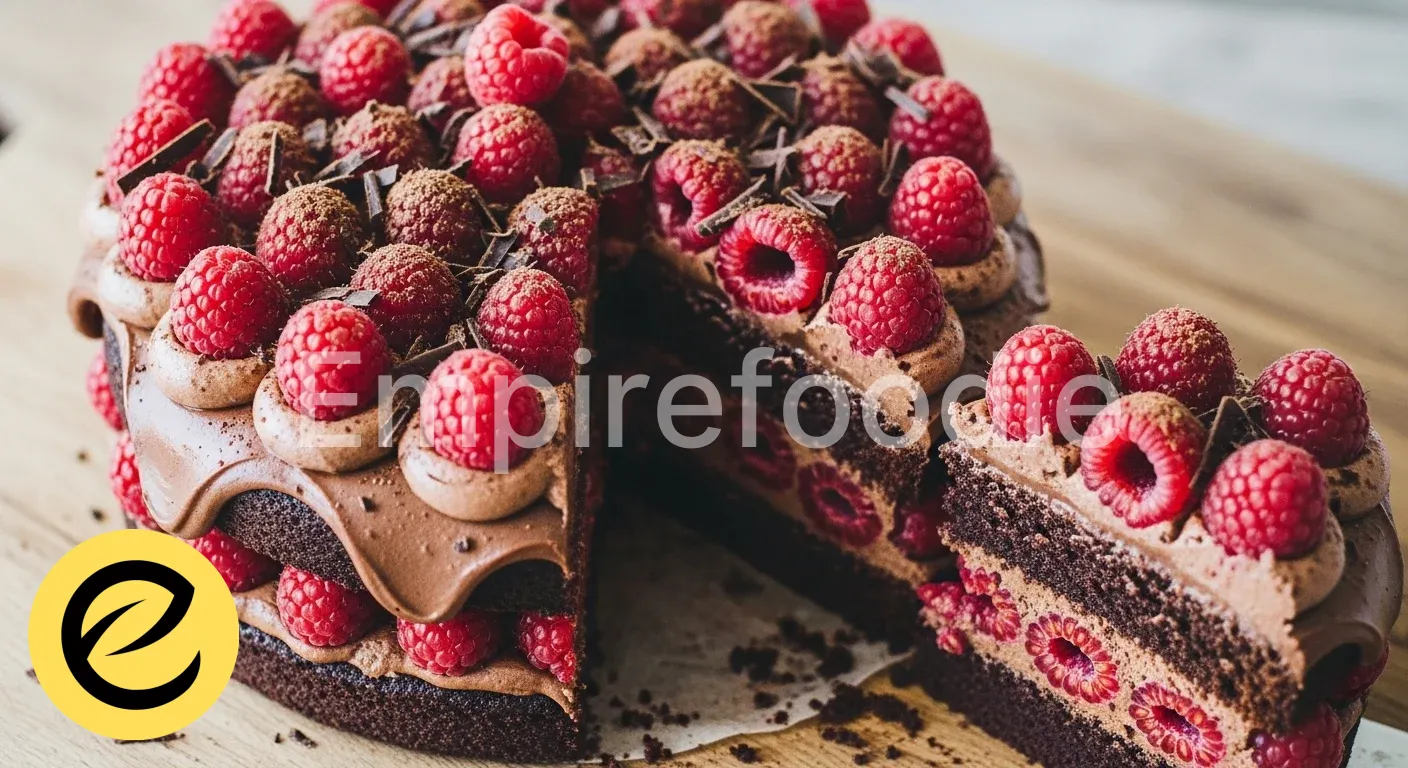
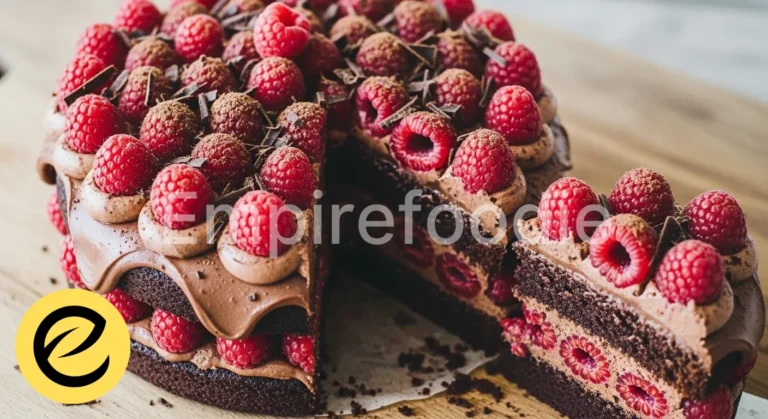
Indulge in the sublime harmony of rich, dark chocolate and vibrant, tart raspberries with this exquisite raspberry chocolate cake. This recipe delivers a moist, tender crumb infused with intense cocoa flavor, beautifully complemented by pockets of fresh raspberries. Prepare to impress with a dessert that balances elegance and irresistible taste, making every slice a truly memorable experience. This exceptional raspberry chocolate cake elevates any occasion, promising a delightful treat for everyone.

Table of Contents

Why You’ll Love This Raspberry Chocolate Cake Recipe

  • Decadent Flavor Profile: Experience the perfect balance of deep cocoa and bright, fruity raspberries in every bite of this sensational raspberry chocolate cake.
  • Surprisingly Simple Preparation: Despite its gourmet appeal, this raspberry chocolate cake recipe is straightforward, guiding you to impressive results effortlessly.
  • Crowd-Pleasing & Versatile: Ideal for celebrations or a comforting weeknight treat, this raspberry chocolate cake always delights, earning rave reviews.
  • Nutrient-Rich Additions: Enjoy the antioxidants from dark chocolate and the vitamins from fresh raspberries, making this a delightful indulgence.

Ingredients You’ll Need

raspberry chocolate cake

Crafting an exceptional raspberry chocolate cake begins with high-quality ingredients. Sourcing the best components ensures a truly professional and delicious result, bridging the gap between home baking and pastry art. Every ingredient plays a crucial role in the texture and flavor of this remarkable raspberry chocolate cake.

  • For the Cake:
    • 2 ½ cups (300g) all-purpose flour, sifted
    • 1 cup (100g) unsweetened cocoa powder, high-quality Dutch-processed for deep color and flavor
    • 1 ½ teaspoons baking soda
    • ½ teaspoon baking powder
    • 1 teaspoon salt
    • 1 ½ cups (340g) unsalted butter, softened
    • 2 cups (400g) granulated sugar
    • 4 large eggs, room temperature
    • 1 ½ teaspoons vanilla extract, pure
    • 1 cup (240ml) buttermilk, room temperature
    • ¾ cup (180ml) hot strong coffee (or hot water), for intensifying chocolate flavor
    • 1 ½ cups (225g) fresh raspberries, gently tossed in 1 tablespoon flour to prevent sinking
  • For the Chocolate Ganache Frosting:
    • 12 oz (340g) high-quality dark chocolate (60-70% cocoa solids), finely chopped
    • 1 ½ cups (360ml) heavy cream
    • 2 tablespoons unsalted butter, softened
    • 1 teaspoon vanilla extract
    • ¼ cup (60ml) seedless raspberry jam, warmed (optional, for a layer)
  • For Garnish:
    • 1 cup (150g) fresh raspberries
    • Chocolate shavings or curls (optional)

Substitutions & Variations

[ra_display_video url=”https://www.youtube.com/watch?v=LGci4cSbNFI”]

While this raspberry chocolate cake recipe is perfect as is, you can certainly make healthy adjustments and variations to suit your dietary needs. For a slightly lighter version of the raspberry chocolate cake, consider substituting half of the butter with applesauce in the cake batter. You can also use almond flour or a gluten-free blend for a gluten-free raspberry chocolate cake, though adjust liquid content as needed.

Swap granulated sugar for coconut sugar or a sugar alternative like erythritol, reducing quantities based on sweetness preference. Enhance the fruitiness by adding a layer of thinly sliced fresh raspberries directly onto the ganache before the next cake layer for an extra burst of flavor in your raspberry chocolate cake. For a vegan raspberry chocolate cake, use plant-based butter, non-dairy milk (like almond or oat milk + 1 tbsp vinegar for “buttermilk”), and flax eggs (1 tbsp ground flaxseed + 3 tbsp water per egg).

While this raspberry chocolate cake recipe is perfect as is, you can certainly make healthy adjustments and variations to suit your dietary needs. For a delightful twist, consider trying our raspberry white chocolate cookies for a lighter, sweet treat.

Equipment You’ll Need

  • Two 8-inch round cake pans
  • Parchment paper
  • Large mixing bowls
  • Electric stand mixer or hand mixer
  • Rubber spatula
  • Whisk
  • Measuring cups and spoons
  • Sifter (for flour and cocoa)
  • Small saucepan (for ganache)
  • Wire cooling rack
  • Offset spatula or palette knife (for frosting)
  • Sharp serrated knife (for leveling cakes, optional)

Step-by-Step Instructions
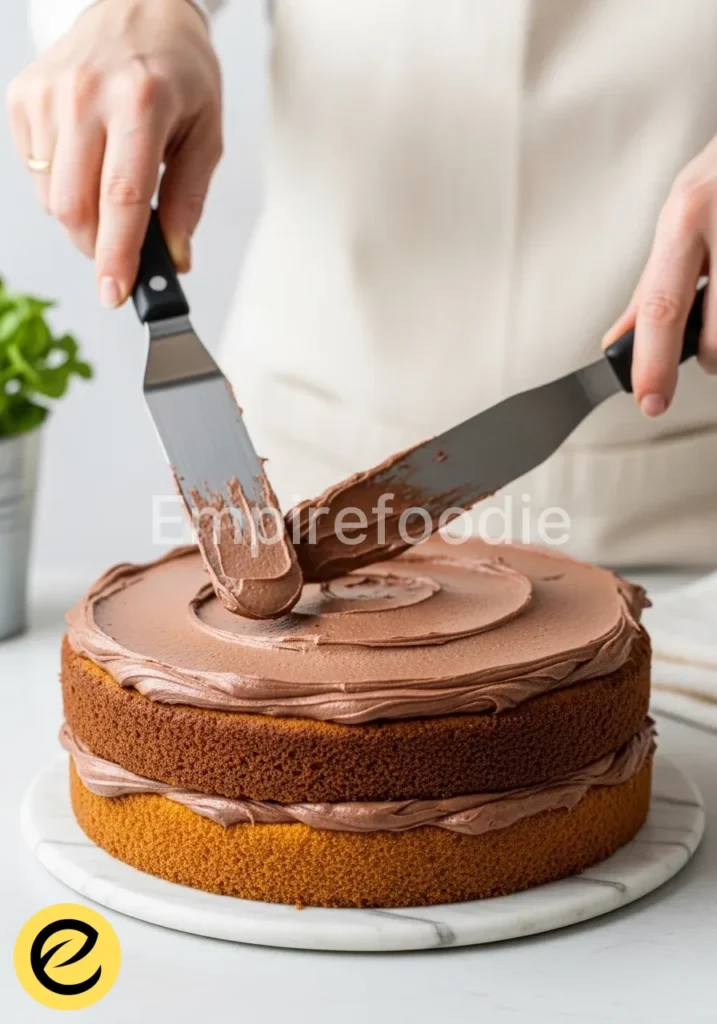
raspberry chocolate cake

Achieving a professional-quality raspberry chocolate cake at home is entirely within reach with these precise steps. Follow them diligently, and you will bake an exquisite raspberry chocolate cake.

  1. Prepare Your Pans: Preheat your oven to 350°F (175°C). Grease and flour two 8-inch round cake pans. Line the bottoms with parchment paper circles. This ensures your raspberry chocolate cake layers release perfectly.
  2. Combine Dry Ingredients: In a large bowl, whisk together the sifted flour, cocoa powder, baking soda, baking powder, and salt. Set aside.
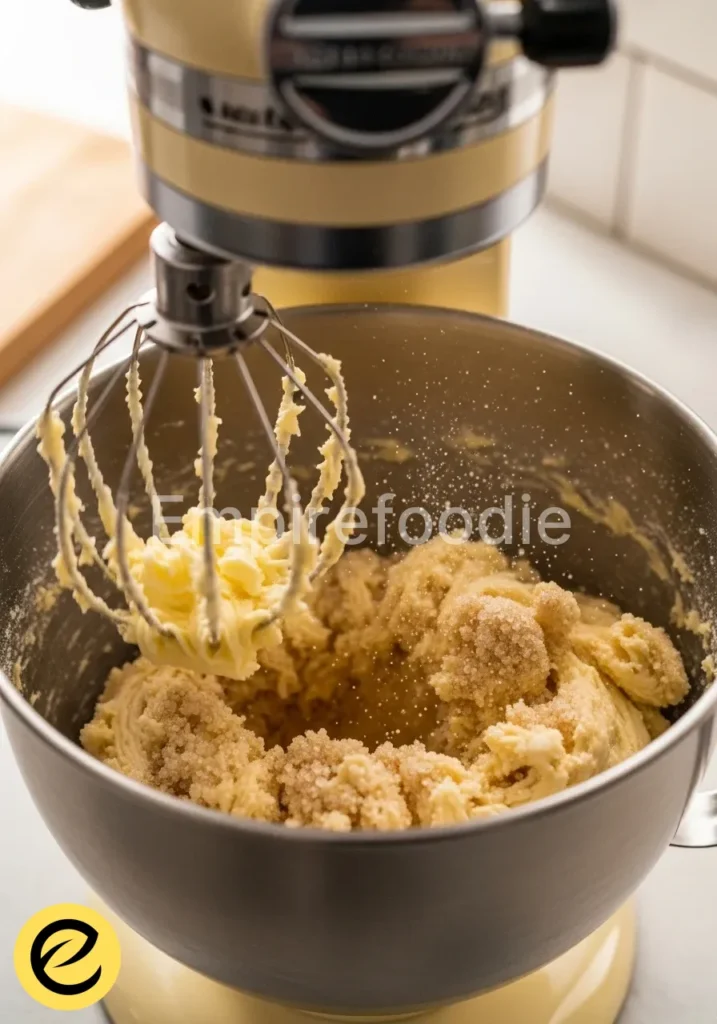
  3. Cream Butter and Sugar: In the bowl of an electric mixer fitted with the paddle attachment, cream the softened butter and granulated sugar on medium-high speed until light and fluffy, about 3-5 minutes. Scrape down the sides of the bowl as needed.
  4. Add Eggs and Vanilla: Beat in the eggs one at a time, ensuring each is fully incorporated before adding the next. Mix in the vanilla extract. The mixture will be rich and creamy, perfect for your raspberry chocolate cake.
  5. Alternate Dry and Wet Ingredients: With the mixer on low speed, gradually add the dry ingredients to the wet ingredients in three additions, alternating with the buttermilk in two additions. Begin and end with the dry ingredients. Mix until just combined; do not overmix.
  6. Incorporate Coffee: Slowly pour in the hot coffee (or hot water) and mix until the batter is smooth. The batter for this raspberry chocolate cake will be thin, which helps create its incredibly moist texture.
  7. Fold in Raspberries: Gently fold in the flour-tossed fresh raspberries by hand using a rubber spatula. Be careful not to crush them.
  8. Bake the Cakes: Divide the batter evenly between the prepared cake pans. Bake for 30-35 minutes, or until a wooden skewer inserted into the center comes out with moist crumbs, not wet batter.
  9. Cool Completely: Let the cake layers cool in the pans for 10-15 minutes before inverting them onto a wire cooling rack to cool completely. Ensure they are entirely cool before frosting your raspberry chocolate cake.
  10. Make the Ganache: Place the finely chopped dark chocolate in a heatproof bowl. Heat the heavy cream in a small saucepan over medium heat until it just begins to simmer (do not boil). Pour the hot cream over the chopped chocolate and let it sit for 5 minutes. Whisk gently from the center outwards until smooth and glossy. Stir in the softened butter and vanilla extract. Let the ganache cool at room temperature for at least 1-2 hours, or until it reaches a spreadable consistency.
  11. Assemble and Frost: Once the cake layers are completely cool, level them if necessary. Place one cake layer on your serving plate. If using, spread a thin layer of warmed raspberry jam. Then, spread a generous amount of chocolate ganache over the first layer. Place the second layer on top and cover the entire raspberry chocolate cake with the remaining ganache.
  12. Garnish: Decorate your raspberry chocolate cake with fresh raspberries and chocolate shavings or curls, if desired.

Achieving a professional-quality raspberry chocolate cake at home is entirely within reach with these precise steps. Once you’ve mastered this cake, you might want to explore making classic sugar cookies as another of your go-to desserts.

Pro Tips for Success

Elevating your raspberry chocolate cake from good to extraordinary requires attention to detail. Firstly, ensure all cold ingredients, especially butter and eggs, are at room temperature. This allows them to emulsify properly, creating a smoother, more uniform batter and a lighter texture for your raspberry chocolate cake.

Sifting your dry ingredients is non-negotiable; it prevents lumps and ensures even distribution of leavening agents. Do not overmix the batter once the flour is added; overmixing develops gluten, leading to a tough cake. Mix until just combined.

For the ganache, use high-quality chocolate; it makes a significant difference in flavor and texture. If your ganache is too thin, chill it briefly in the refrigerator, stirring every 10-15 minutes, until it thickens to a spreadable consistency. If too thick, gently warm it over a double boiler for a few seconds. Finally, for clean slices of your raspberry chocolate cake, use a warm, sharp knife, wiping it clean between each cut.

Storage & Reheating Tips

To keep your raspberry chocolate cake fresh and delicious, proper storage is key. Store the cake in an airtight container at room temperature for up to 2-3 days. If your kitchen is particularly warm, or for longer storage, refrigerate the cake for up to 5-7 days.

However, the refrigeration tends to dry out the cake slightly. To counteract this, bring slices of the raspberry chocolate cake back to room temperature for about 30 minutes before serving. This allows the cake and ganache to soften, restoring their ideal texture and flavor.

You can also individually wrap slices of raspberry chocolate cake in plastic wrap and then foil, freezing them for up to 2-3 months. Thaw frozen slices overnight in the refrigerator, then bring them to room temperature before enjoying.

To keep your raspberry chocolate cake fresh and delicious, proper storage is key. If you’re looking for a more straightforward yet satisfying dessert, check out our easy chocolate cake recipe that’s perfect for any occasion.

What to Serve With This Raspberry Chocolate Cake
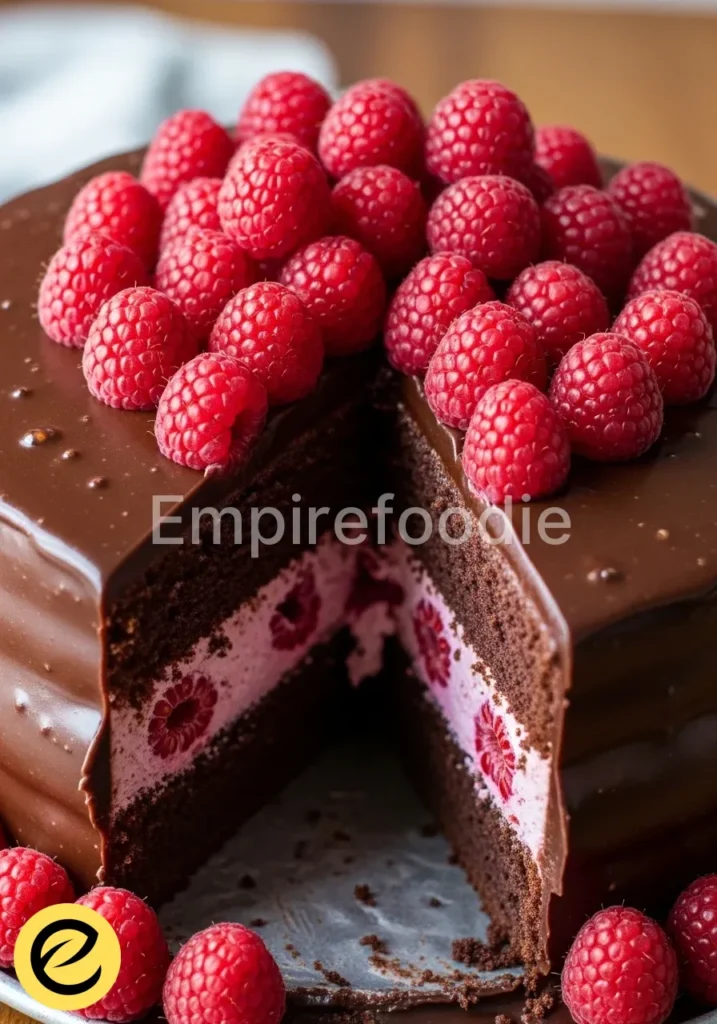
raspberry chocolate cake

While this raspberry chocolate cake is a showstopper on its own, thoughtful pairings can enhance the experience without overshadowing its rich flavors. For a balanced meal, consider serving a light, crisp salad beforehand, perhaps a mixed green salad with a citrus vinaigrette. A beautifully roasted chicken or a delicate pan-seared salmon could serve as a delightful main course.

For dessert, a small scoop of raspberry sorbet or a dollop of fresh whipped cream can beautifully complement the richness of the raspberry chocolate cake. A simple fruit salad featuring berries and stone fruits also offers a refreshing contrast. Beverages like a robust espresso or a glass of dry red wine (like a Cabernet Sauvignon or Zinfandel) can truly highlight the deep chocolate notes of this raspberry chocolate cake.

Frequently Asked Questions (FAQ)

Can I use frozen raspberries for this raspberry chocolate cake?

Yes, you can use frozen raspberries for this raspberry chocolate cake. Do not thaw them before adding to the batter; toss them directly in a tablespoon of flour as you would with fresh berries. Be aware that frozen berries might release more moisture during baking, so your raspberry chocolate cake might require an extra few minutes in the oven.

What makes the coffee essential in a raspberry chocolate cake recipe?

The hot coffee in this raspberry chocolate cake recipe doesn’t make the cake taste like coffee. Instead, it significantly deepens and intensifies the chocolate flavor, making it richer and more robust. It also helps to thin the batter to the perfect consistency, contributing to the moist texture of the final raspberry chocolate cake.

Can I prepare the ganache frosting ahead of time?

Absolutely. You can prepare the chocolate ganache frosting up to 2 days in advance. Store it in an airtight container in the refrigerator.

When you’re ready to use it for your raspberry chocolate cake, let it come to room temperature and whisk it vigorously until it’s smooth and spreadable. If it’s too firm, gently warm it over a double boiler for a few moments, stirring constantly.

Raspberry chocolate cake is a delectable dessert that combines rich chocolate flavors with the tartness of fresh raspberries. This cake is not only a visually stunning centerpiece but also offers a delightful balance of flavors that appeals to chocolate lovers and fruit enthusiasts alike, as seen in discussions of various cake types.

Final Thoughts

This raspberry chocolate cake recipe embodies the joy of baking and the art of flavor. It’s a testament to how simple, quality ingredients can transform into an unforgettable dessert, creating moments of pure indulgence and shared happiness. Take pride in mastering this beautiful raspberry chocolate cake; it will surely become a cherished family favorite.

Nutrition Information (per serving)

(Approximate values based on 12 servings)

NutrientAmount
Calories490 kcal
Total Fat32g
Saturated Fat19g
Cholesterol110mg
Sodium280mg
Total Carbohydrates50g
Dietary Fiber4g
Total Sugars35g
Protein7g

raspberry chocolate cake

Prep Time 30 minutes
Cook Time 35 minutes
Total Time 1 hour 5 minutes
Servings 12 servings servings
Calories 490
Indulge in the sublime harmony of rich, dark chocolate and vibrant, tart raspberries with this exquisite raspberry chocolate cake. This recipe delivers a moist, tender crumb infused with intense cocoa flavor, beautifully complemented by pockets of fresh raspberries. Prepare to impress with a dessert that balances elegance and irresistible taste, making every slice a truly memorable experience. This exceptional raspberry chocolate cake elevates any occasion, promising a delightful treat for everyone.

Ingredients

  • 2 ½ cups (300g) all-purpose flour, sifted
  • 1 cup (100g) unsweetened cocoa powder, high-quality Dutch-processed
  • 1 ½ teaspoons baking soda
  • ½ teaspoon baking powder
  • 1 teaspoon salt
  • 1 ½ cups (340g) unsalted butter, softened
  • 2 cups (400g) granulated sugar
  • 4 large eggs, room temperature
  • 1 ½ teaspoons vanilla extract, pure
  • 1 cup (240ml) buttermilk, room temperature
  • ¾ cup (180ml) hot strong coffee or hot water
  • 1 ½ cups (225g) fresh raspberries, gently tossed in 1 tablespoon flour
  • 12 oz (340g) high-quality dark chocolate, finely chopped for ganache
  • 1 ½ cups (360ml) heavy cream for ganache
  • 2 tablespoons unsalted butter for ganache
  • 1 teaspoon vanilla extract for ganache
  • ¼ cup (60ml) seedless raspberry jam, warmed (optional)
  • 1 cup (150g) fresh raspberries for garnish
  • Chocolate shavings or curls (optional)

Instructions 

  • Preheat your oven to 350°F (175°C). Grease and flour two 8-inch round cake pans. Line the bottoms with parchment paper circles.
  • In a large bowl, whisk together the sifted flour, cocoa powder, baking soda, baking powder, and salt. Set aside.
  • In the bowl of an electric mixer fitted with the paddle attachment, cream the softened butter and granulated sugar on medium-high speed until light and fluffy, about 3-5 minutes.
  • Beat in the eggs one at a time, ensuring each is fully incorporated before adding the next. Mix in the vanilla extract.
  • With the mixer on low speed, gradually add the dry ingredients to the wet ingredients in three additions, alternating with the buttermilk in two additions.
  • Slowly pour in the hot coffee (or hot water) and mix until the batter is smooth. Fold in the flour-tossed fresh raspberries by hand using a rubber spatula.
  • Divide the batter evenly between the prepared cake pans and bake for 30-35 minutes, until a wooden skewer comes out with moist crumbs.
  • Let the cake layers cool in the pans for 10-15 minutes, then invert them onto a wire rack to cool completely.
  • For the ganache, place the finely chopped dark chocolate in a heatproof bowl. Heat the heavy cream until it just begins to simmer, and pour it over the chocolate. Let it sit for 5 minutes, then whisk until smooth. Stir in the softened butter and vanilla extract. Let cool until spreadable.
  • Once the cake layers are cool, level them if necessary. Place one layer on a serving plate, optionally spread a layer of warmed raspberry jam, and then a generous amount of ganache. Place the second layer on top and frost the entire cake with the remaining ganache.
  • Garnish with fresh raspberries and chocolate shavings if desired.
Notes

Ensure all cold ingredients are at room temperature. Sift all dry ingredients. Do not overmix after adding flour. Use high-quality chocolate for ganache. Store in an airtight container at room temperature for 2-3 days.
Calories: 490kcal
Course: Dessert
Cuisine: American
Keyword: baking, Chocolate Cake, dessert, Ganache, raspberry

Crafting the perfect chocolate biscuit recipe involves a precise understanding of ingredient interaction to achieve an optimal balance of flavor and texture. This definitive guide to a superior chocolate biscuits recipe ensures a treat that is both deeply satisfying and texturally complex, with a crisp exterior yielding to a tender, crumbly interior.

We delve into the foundational principles that elevate a simple cookie to a culinary delight, focusing on scientific accuracy. Master this chocolate biscuits recipe to consistently produce professional-grade results from your kitchen.

Table of Contents

Why You’ll Love This Recipe

This chocolate biscuits recipe stands out for its meticulous approach, guaranteeing both flavor and consistency. Its clear methodology simplifies complex baking, while a focus on quality ingredients ensures a nutritious indulgence. You will appreciate the precise instructions and the deeply satisfying outcome.

  • Achieve a perfect balance of rich chocolate flavor with a delightful crumbly texture.
  • Streamlined process makes this chocolate biscuits recipe accessible for all skill levels.
  • Incorporate mindful ingredient choices for a comparatively wholesome treat.
  • Understand the ‘why’ behind each step, enhancing your overall baking acumen.

Ingredients You’ll Need

chocolate biscuits recipe

Ingredient quality is paramount to the success of this chocolate biscuits recipe. Each component plays a specific chemical role, influencing texture, flavor, and shelf life. Opt for the finest available to ensure the best outcome.

  • Unsalted Butter: 225g (1 cup), softened. Ensure it’s truly at room temperature for proper creaming, which incorporates air and creates a tender crumb.
  • Granulated Sugar: 150g (3/4 cup). Provides sweetness and contributes to the biscuit’s spread and crispness through caramelization.
  • Light Brown Sugar: 100g (1/2 cup), packed. Adds moisture and a subtle molasses flavor, contributing to chewiness.
  • Large Egg: 1, at room temperature. Acts as an emulsifier and binder, adding structure and richness.
  • Vanilla Extract: 1 teaspoon. Enhances the chocolate flavor and adds aromatic depth.
  • All-Purpose Flour: 300g (2 1/3 cups). The primary structural component. Sifted flour prevents lumps and ensures even distribution.
  • Cocoa Powder: 50g (1/2 cup), unsweetened natural cocoa. Provides the intense chocolate flavor. Natural cocoa reacts with baking soda.
  • Baking Soda: 1 teaspoon. A leavening agent that reacts with acidic ingredients (like brown sugar and natural cocoa) to produce carbon dioxide, creating lift.
  • Salt: 1/2 teaspoon. Balances sweetness and enhances all other flavors.
  • Chocolate Chips or Chunks: 200g (1 1/4 cups), semi-sweet or dark. The star of our chocolate biscuits recipe, choose quality chocolate for superior melt and flavor.

Substitutions & Variations

While the classic chocolate biscuits recipe is perfect, thoughtful substitutions can align with dietary preferences or expand flavor profiles. Remember that altering ingredients can impact the final texture and requires careful consideration of their chemical properties.

[ra_display_video url=”https://www.youtube.com/watch?v=mLYy-f18664″]

  • For a Gluten-Free Option: Substitute all-purpose flour with a 1:1 gluten-free baking blend that includes xanthan gum.
  • Dairy-Free Butter: Use a high-quality plant-based butter alternative, ensuring it has a similar fat content to dairy butter for comparable results.
  • Reduced Sugar: For a less sweet chocolate biscuits recipe, slightly decrease the amount of granulated sugar. Avoid drastic reductions, as sugar also contributes to texture.
  • Nut-Free: This chocolate biscuits recipe is inherently nut-free, but always check chocolate chip labels for allergen information.
  • Additional Flavors: Consider adding a pinch of espresso powder (1/2 teaspoon) to deepen the chocolate flavor, or a sprinkle of flaky sea salt on top before baking for a salty-sweet contrast.

While the classic chocolate biscuits recipe is perfect, thoughtful substitutions can align with dietary preferences or expand flavor profiles. For those interested in a different flavor dimension, consider trying out our recipe for chocolate cookies with white chips.

Equipment You’ll Need

The right tools ensure precision and efficiency when making this chocolate biscuits recipe, leading to more consistent and satisfying outcomes.

  • Stand mixer or hand mixer
  • Large mixing bowls
  • Rubber spatula
  • Whisk
  • Measuring cups and spoons
  • Parchment paper
  • Baking sheets
  • Wire cooling rack
  • Cookie scoop (optional, for uniform sizing)

Step-by-Step Instructions

chocolate biscuits recipe

Adherence to these precise steps is crucial for the scientific success of your chocolate biscuits recipe. Each stage has a purpose, contributing to the final texture and flavor.

  1. Cream Butter and Sugars: In a large mixing bowl, using a stand mixer with the paddle attachment or a hand mixer, beat the softened unsalted butter, granulated sugar, and light brown sugar on medium-high speed until light and fluffy. This aeration process, known as creaming, is critical for incorporating air, which contributes to the biscuit’s tender texture. Scrape down the sides of the bowl as needed.
  2. Add Egg and Vanilla: Beat in the large egg until fully incorporated, then stir in the vanilla extract. Continue mixing until the mixture is smooth and emulsified. Overmixing at this stage can develop gluten too early.
  3. Combine Dry Ingredients: In a separate medium bowl, whisk together the all-purpose flour, cocoa powder, baking soda, and salt. Whisking ensures these ingredients are evenly distributed, which is vital for consistent leavening and flavor in our chocolate biscuits recipe.
  4. Gradually Add Dry to Wet: With the mixer on low speed, gradually add the dry ingredient mixture to the wet ingredients, mixing only until just combined. Overmixing flour develops gluten, resulting in tough biscuits. The goal is to hydrate the flour without overworking it.
  5. Fold in Chocolate: Remove the bowl from the mixer and, using a rubber spatula, gently fold in the chocolate chips or chunks until evenly distributed throughout the dough.
  6. Chill the Dough (Crucial Step): Cover the bowl with plastic wrap and refrigerate the dough for at least 30 minutes, or up to 2 hours. Chilling allows the flour to fully hydrate, prevents excessive spreading, and concentrates the flavors, making this chocolate biscuits recipe superior.
  7. Preheat Oven & Prepare Sheets: Preheat your oven to 180°C (350°F). Line baking sheets with parchment paper to prevent sticking and promote even baking.
  8. Scoop and Bake: Scoop rounded tablespoons of dough onto the prepared baking sheets, leaving about 5 cm (2 inches) between each biscuit to allow for spread.
  9. Bake: Bake for 10-12 minutes, or until the edges are set and lightly golden, but the centers still look slightly soft. The residual heat will continue to cook them as they cool, preventing over-baking and ensuring a tender interior for this chocolate biscuits recipe.
  10. Cool: Let the biscuits cool on the baking sheets for 5 minutes before transferring them to a wire rack to cool completely. This allows them to firm up without breaking.

Adherence to these precise steps is crucial for the scientific success of your chocolate biscuits recipe. To explore a delightful variation, check out our raspberry white chocolate cookies that offer a burst of fruity flavor.

Pro Tips for Success

Elevate your chocolate biscuits recipe with these scientifically-backed techniques, ensuring optimal texture and flavor every time.

  • Butter Temperature is Key: Softened butter, not melted, is critical for proper creaming. If your butter is too cold, it won’t aerate effectively; too warm, and it will result in greasy biscuits that spread too much. Aim for 18-20°C (65-68°F).
  • Don’t Overmix: Once flour is added, mix only until just combined. Excessive mixing develops gluten, leading to tough, chewy biscuits instead of tender ones.
  • Chill the Dough: This isn’t optional for this chocolate biscuits recipe. Chilling allows the butter to re-solidify, preventing excessive spread. It also gives the flour time to fully hydrate, improving texture and intensifying flavor.
  • Use a Cookie Scoop: For uniform size and even baking, a cookie scoop is invaluable. Consistent size ensures all biscuits bake at the same rate.
  • Salt Matters: A touch of flaky sea salt sprinkled on top immediately after baking can dramatically enhance the chocolate flavor, balancing the sweetness.

Storage & Reheating Tips

Proper storage is essential to maintain the freshness and texture of your chocolate biscuits recipe creations. These methods will help preserve their quality.

  • Airtight Container: Store cooled biscuits in an airtight container at room temperature for up to 3-4 days. This prevents them from drying out.
  • Freezing Dough: Scoop dough balls onto a parchment-lined baking sheet and freeze until solid. Transfer frozen dough balls to a freezer-safe bag or container for up to 3 months. Bake from frozen, adding 2-4 minutes to the baking time.
  • Freezing Baked Biscuits: Once completely cooled, place baked biscuits in a single layer in an airtight freezer-safe container or bag for up to 2 months. Thaw at room temperature.
  • Reheating: For a fresh-baked experience, gently warm biscuits in a preheated oven at 150°C (300°F) for 5-7 minutes, or until just warm and slightly soft.

Proper storage is essential to maintain the freshness and texture of your chocolate biscuits recipe creations. For a delicious twist on storing, don’t miss our article on peanut butter chocolate cookies, perfect for a sweet surprise.

What to Serve With This Recipe

chocolate biscuits recipe

While this chocolate biscuits recipe is a standalone delight, pairing it with complementary items can elevate the experience. Consider options that balance the richness of the chocolate.

  • Fresh Berries: A vibrant bowl of strawberries, raspberries, or blueberries provides a refreshing contrast and adds antioxidants.
  • Plain Greek Yogurt: A dollop of unsweetened Greek yogurt offers a creamy, tangy counterpoint, balancing the sweetness and adding protein.
  • Milk: A classic pairing, a cold glass of milk cuts through the richness and enhances the chocolate flavor.
  • Coffee or Tea: A warm cup of black coffee or unsweetened tea offers a sophisticated pairing, providing a pleasant bitterness that complements the chocolate.

Frequently Asked Questions (FAQ)

Why did my chocolate biscuits spread too much?

Excessive spreading in a chocolate biscuits recipe usually stems from several factors. The butter might have been too warm when creamed, leading to insufficient air incorporation and a looser dough structure. Insufficient chilling time also contributes, as cold butter resists spreading more effectively in the oven. Additionally, an incorrect flour-to-fat ratio or an oven temperature that is too low can exacerbate spreading.

Can I make this chocolate biscuits recipe ahead of time?

Absolutely. Preparing this chocolate biscuits recipe dough in advance is highly recommended. You can store the dough, covered tightly, in the refrigerator for up to 3 days.

This extended chilling period actually enhances the flavor development, as the ingredients meld together over time. Alternatively, you can scoop the dough into individual balls and freeze them for up to 3 months, baking directly from frozen with a slight increase in baking time.

What type of cocoa powder is best for this chocolate biscuits recipe?

This chocolate biscuits recipe specifies unsweetened natural cocoa powder. Natural cocoa is acidic, which reacts with baking soda (an alkaline leavening agent) to produce carbon dioxide, providing lift. Dutch-processed cocoa, which has been treated to reduce its acidity, would require a different leavening agent (like baking powder) to achieve the same rise. Using natural cocoa ensures the correct chemical reaction and texture for this specific chocolate biscuits recipe.

A chocolate biscuits recipe offers an excellent opportunity to explore the intersection of chemistry and baking. Understanding how various ingredients interact can elevate simple biscuits into gourmet treats, providing deeper satisfaction in every bite. For more on this topic, see the detailed information on cookies.

Final Thoughts

Mastering this chocolate biscuits recipe is more than baking; it’s a journey into culinary precision. Each step, grounded in scientific principles, ensures consistent excellence. The result is a biscuit that transcends expectation—rich, perfectly textured, and deeply satisfying. This chocolate biscuits recipe provides the foundation for countless moments of shared joy and simple indulgence.

Nutrition Information (per serving)

(Based on approximately 24 servings per recipe, values are approximate)

Calories190 kcal
Total Fat11g
  Saturated Fat7g
Cholesterol30mg
Sodium80mg
Total Carbohydrates22g
  Dietary Fiber1g
  Total Sugars15g
Protein2g

chocolate biscuits recipe

Prep Time 30 minutes
Cook Time 12 minutes
Total Time 42 minutes
Servings 24 biscuits servings
Calories 190
This chocolate biscuits recipe provides a deeply satisfying treat with a crisp exterior and a tender, crumbly interior, ensuring professional-grade results through a meticulous approach to ingredient interaction and baking techniques.

Ingredients

  • 225g unsalted butter, softened
  • 150g granulated sugar
  • 100g light brown sugar, packed
  • 1 large egg, at room temperature
  • 1 teaspoon vanilla extract
  • 300g all-purpose flour
  • 50g unsweetened cocoa powder
  • 1 teaspoon baking soda
  • 1/2 teaspoon salt
  • 200g semi-sweet or dark chocolate chips or chunks

Instructions 

  • Cream butter and sugars until light and fluffy.
  • Add egg and vanilla, mix until incorporated.
  • Combine dry ingredients and whisk together.
  • Gradually add dry ingredients to wet ingredients and mix until just combined.
  • Fold in chocolate chips until evenly distributed.
  • Chill the dough for at least 30 minutes.
  • Preheat oven to 180°C (350°F) and prepare baking sheets.
  • Scoop rounded tablespoons of dough onto baking sheets.
  • Bake for 10-12 minutes until edges are set and centers are slightly soft.
  • Cool on the baking sheets for 5 minutes before transferring to a wire rack.

Notes

Ensure the butter is at the right temperature for creaming. Chilling the dough is essential for preventing spread and improving flavor.
Calories: 190kcal
Course: Dessert
Cuisine: American
Keyword: baking, Chocolate Biscuits, cookies

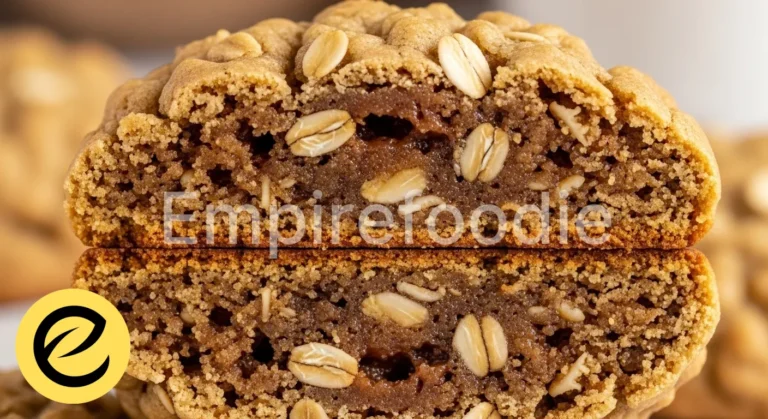
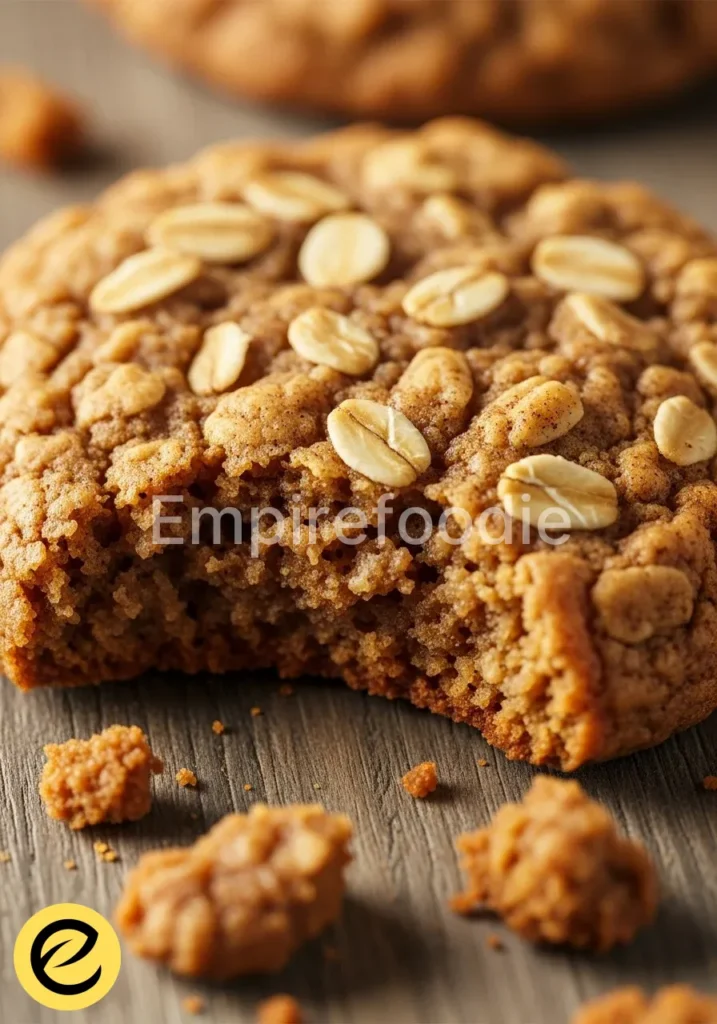
The pursuit of a perfectly balanced cookie often leads us to the venerable oatmeal cookie. These delightful treats offer a unique textural interplay: a tender chewiness from the oats, a slight crisp at the edges, and a comforting sweetness that isn’t cloying. Crafting exceptional oatmeal cookies involves understanding the scientific principles behind ingredient interaction and baking dynamics. Prepare to master the art of these wholesome, satisfying morsels.

Table of Contents

Why You’ll Love These Oatmeal Cookies

  • Flavor: Deeply caramelized notes harmonize with earthy oat undertones.
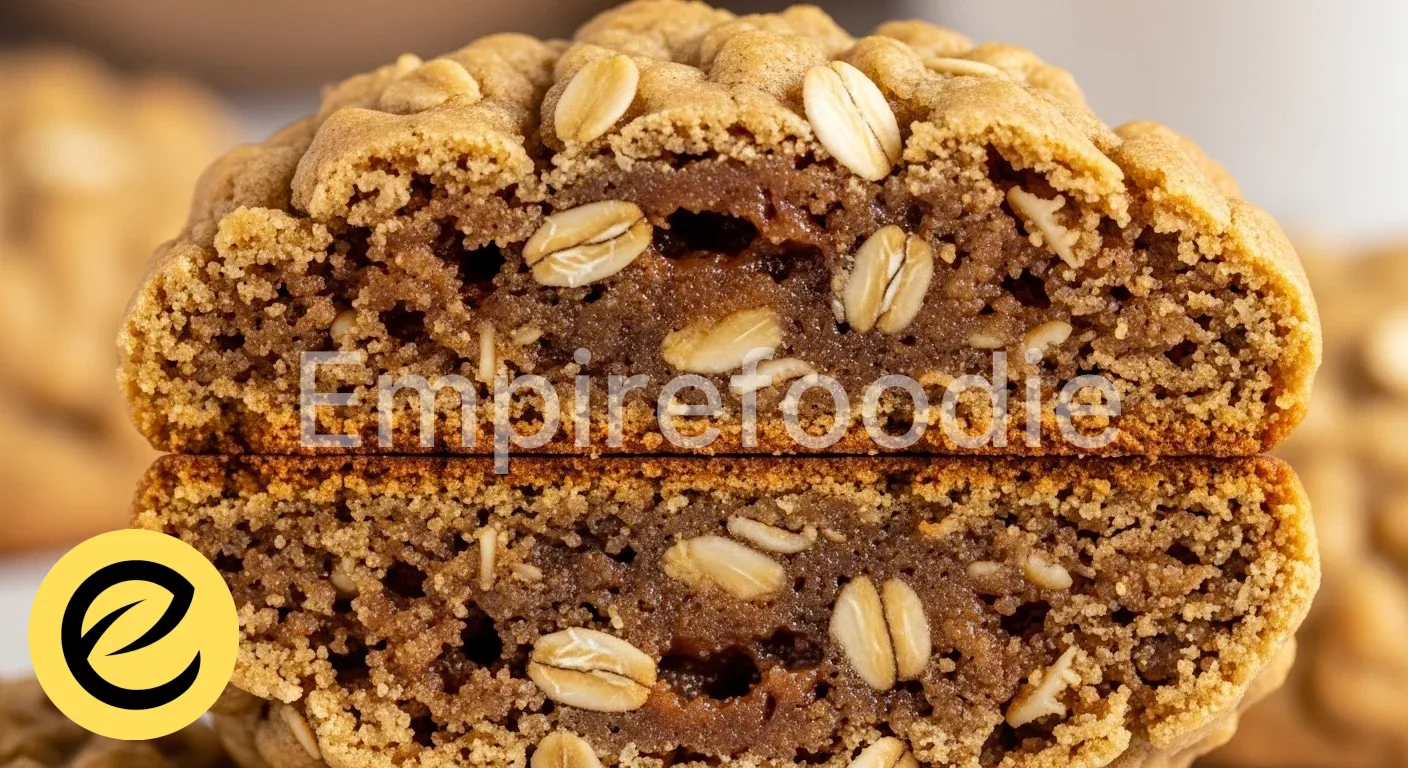
  • Texture: The ideal balance of chewy interior and slightly crisp perimeter.
  • Ease: Straightforward methodology, minimal specialized equipment required.
  • Health: Enhanced fiber content from rolled oats promotes digestive wellness.

Ingredients You’ll Need

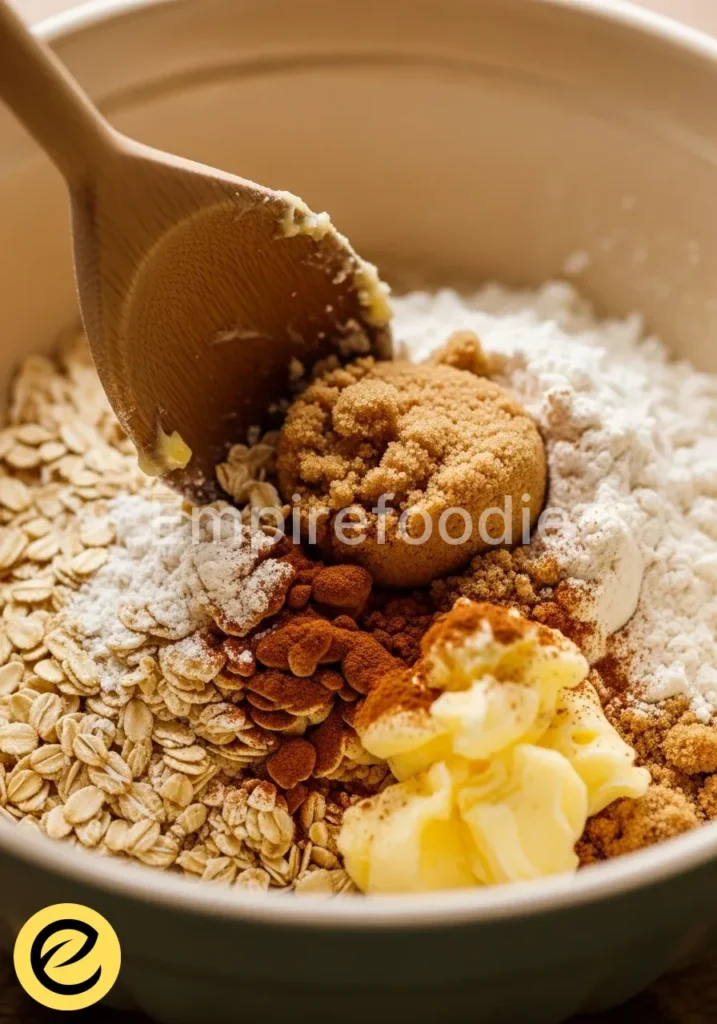
oatmeal cookies

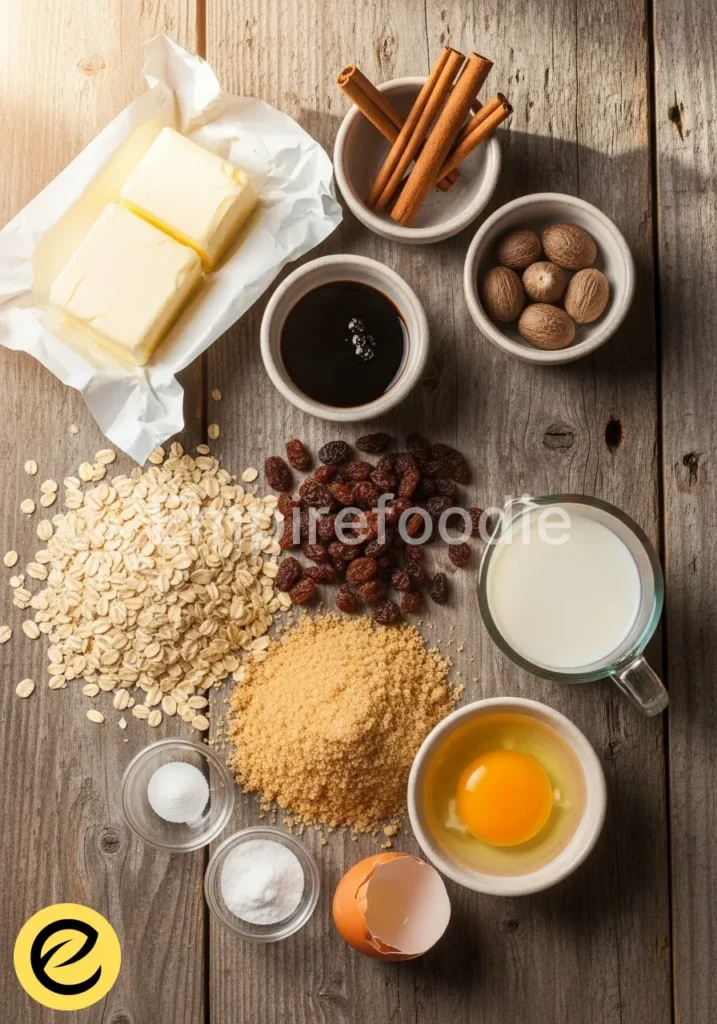
Ingredient quality profoundly impacts the final product. Each component plays a crucial role in the chemistry of these oatmeal cookies.

  • Unsalted Butter: 1 cup (2 sticks), softened. Its fat content provides tenderness and carries fat-soluble flavor compounds. Unsalted butter allows precise salt control.
  • Granulated Sugar: ½ cup. Contributes to spread and crispness, and acts as a tenderizer by interfering with gluten formation.
  • Brown Sugar: 1 cup (packed). Adds moisture, chewiness, and a deeper, molasses-rich flavor profile due to its hygroscopic nature, attracting and retaining water molecules.
  • Large Egg: 1. Acts as an emulsifier, binding agents, and contributes to the structural integrity and richness of the oatmeal cookies.
  • Vanilla Extract: 1 teaspoon. A potent flavor enhancer; its alcohol content helps distribute aromatic compounds evenly.
  • All-Purpose Flour: 1½ cups. Provides structural integrity through gluten development, which forms the cookie’s matrix.
  • Baking Soda: 1 teaspoon. A chemical leavener, reacting with the acidic brown sugar and moisture to produce carbon dioxide, creating lift and aeration.
  • Ground Cinnamon: 1 teaspoon. An aromatic spice that perfectly complements the oats and sugars, adding complexity to the oatmeal cookies.
  • Salt: ½ teaspoon. Balances sweetness, enhances other flavors, and controls yeast activity (though not a primary concern here, it is a crucial flavor potentiator).
  • Rolled Oats: 3 cups (old-fashioned). The primary structural and textural component, providing chewiness and fiber. Their larger surface area holds moisture effectively.
  • Optional: Chocolate Chips or Raisins: 1 cup. For added flavor and texture variation in your oatmeal cookies.

Substitutions & Variations

[ra_display_video url=”https://www.youtube.com/watch?v=kSvexYR2w6E”]

For gluten-free oatmeal cookies, swap to a 1:1 gluten-free flour blend. Reduce fat by replacing a quarter of the butter with unsweetened applesauce. Vegan bakers can substitute eggs with flax eggs. Opt for coconut sugar for a lower glycemic sweetener.

If you are interested in exploring alternatives for gluten-free baking, consider trying oatmeal chocolate bars which offer a similar delightful taste without the gluten. Check out this recipe on oatmeal chocolate bars for a delicious twist!

Equipment You’ll Need

  • Large mixing bowl
  • Electric mixer (stand or hand mixer)
  • Rubber spatula
  • Measuring cups and spoons
  • Baking sheets
  • Parchment paper or silicone baking mats
  • Wire cooling rack
  • Cookie scoop (1.5-2 tablespoon capacity)

Step-by-Step Instructions

oatmeal cookies
  1. Preparation: Preheat your oven to 375°F (190°C). Line two baking sheets with parchment paper or silicone mats. This prevents sticking and ensures more even heat distribution across the bottom of the oatmeal cookies.
  2. Cream Butter and Sugars: In a large mixing bowl, using an electric mixer on medium speed, cream together the softened unsalted butter, granulated sugar, and brown sugar for 2-3 minutes. Continue until the mixture is light and fluffy. This process, known as creaming, incorporates air bubbles into the fat, which expands during baking, creating a tender crumb structure for your oatmeal cookies.
  3. Add Wet Ingredients: Beat in the large egg and vanilla extract until just combined. Mix only until the yolk disappears. Overmixing at this stage can prematurely develop gluten or incorporate too much air, which might lead to structural issues in the finished oatmeal cookies.
  4. Combine Dry Ingredients: In a separate medium bowl, whisk together the all-purpose flour, baking soda, ground cinnamon, and salt. Whisking ensures that the leavening agents and spices are evenly distributed throughout the dry mixture, preventing pockets of unmixed ingredients in your oatmeal cookies.
  5. Combine Wet and Dry: Gradually add the whisked dry ingredients to the wet ingredients. Mix on low speed until just combined. The critical moment to stop is when no streaks of dry flour remain. Excessive mixing activates gluten development, resulting in tough, cake-like oatmeal cookies instead of the desired chewy texture.
  6. Fold in Oats: Gently fold in the old-fashioned rolled oats with a rubber spatula until they are evenly distributed throughout the dough. Avoid aggressive mixing, which can crush the oats and compromise their textural contribution to the oatmeal cookies. If adding optional chocolate chips or raisins, fold them in now.
  7. Scoop Dough: Use a cookie scoop to drop rounded tablespoons of dough onto the prepared baking sheets, spacing them approximately 2 inches apart. Uniform scoops are paramount for consistent baking times and even browning across all your oatmeal cookies.
  8. Bake: Bake for 10-12 minutes, or until the edges of the oatmeal cookies are golden brown and the centers appear just set but still slightly soft. Baking duration is critical; do not overbake. Slight underbaking ensures a soft, chewy interior, as the oatmeal cookies will continue to cook slightly from residual heat on the baking sheet.
  9. Cool: Allow the baked oatmeal cookies to cool on the baking sheets for 5 minutes before carefully transferring them to a wire rack to cool completely. This initial cooling period allows the internal structure of the oatmeal cookies to firm up, preventing breakage during transfer.

For those who enjoy rich and chewy desserts, chocolate chip cookie bars are another fantastic option that combines familiar flavors. You can find a great recipe for these delightful treats at chocolate chip cookie bars.

Pro Tips for Success

  • Butter Plasticity: Ensure your butter is truly softened, not melted. Softened butter maintains its crystalline structure, which is essential for trapping air during the creaming process. Melted butter leads to a dense, greasy cookie with excessive spread, lacking the characteristic chewiness of great oatmeal cookies.
  • Brown Sugar’s Role: The ratio of brown sugar to granulated sugar directly influences chewiness. Brown sugar, due to its molasses content, is hygroscopic, meaning it attracts and retains moisture. A higher brown sugar content ensures moister, chewier oatmeal cookies, while granulated sugar contributes to crispness and spread.
  • Gluten Management: The most common error leading to tough oatmeal cookies is overmixing after flour addition. Gluten, once hydrated, develops elasticity. Excessive mixing strengthens this gluten network, resulting in a cake-like, rather than chewy, texture. Mix only until just combined.
  • Dough Hydration (Chilling): Chilling the dough for at least 30 minutes, or ideally several hours or overnight, allows the flour to fully hydrate. This process, known as osmosis, enables the flour proteins to absorb moisture more completely, resulting in a more uniform texture. Chilling also solidifies the fat, preventing excessive spread during baking and leading to thicker, chewier oatmeal cookies with enhanced flavor.
  • Oven Temperature Accuracy: Invest in an oven thermometer. Commercial oven thermostats often deviate significantly from their set temperature. An accurately calibrated oven is crucial for consistent results, preventing under- or over-baking of your oatmeal cookies, both of which negatively impact texture.
  • Oat Selection: Always use old-fashioned rolled oats. Quick oats are pre-steamed, rolled thinner, and cut finer, meaning they absorb less moisture and offer less textural contrast. For the definitive chewiness of oatmeal cookies, old-fashioned oats are non-negotiable.
  • Salt’s Counterpoint: Do not omit or reduce the salt. Salt is not merely a flavor enhancer but a critical balancing agent. It modulates the perception of sweetness, preventing the oatmeal cookies from tasting cloyingly sweet and elevating the subtle nuances of cinnamon and vanilla.

Storage & Reheating Tips

Store cooled oatmeal cookies in an airtight container at room temperature for up to 3-4 days. To maintain softness, a culinary trick involves placing a slice of plain bread (such as white sandwich bread) in the container with the cookies; the bread will gradually lose moisture, which the oatmeal cookies will absorb, preserving their tender texture. For longer preservation, freeze baked oatmeal cookies for up to 3 months.

Arrange them in a single layer on a baking sheet to flash freeze, then transfer to an airtight container or freezer bag, separating layers with parchment paper. Thaw at room temperature. To restore a fresh-baked warmth, reheat briefly in a microwave (5-10 seconds) or a low oven (250°F/120°C for 5 minutes).

To keep your cookies fresh and soft for longer, you might want to consider tips involving milk chocolate bars that can enhance their flavor. Learn how to preserve your baked goods by visiting milk chocolate bars for some creative ideas.

What to Serve With This Recipe

oatmeal cookies

Elevate your oatmeal cookies experience with considered pairings. A small bowl of plain Greek yogurt offers protein and balances sweetness. A vibrant fresh fruit salad, featuring berries or sliced pears, provides complementary natural sugars and fiber. For beverages, unsweetened herbal tea or black coffee enhances the spice notes and cuts through richness, allowing the complex flavors of the oatmeal cookies to shine.

Frequently Asked Questions (FAQ)

How do I prevent my oatmeal cookies from spreading too much?

Preventing excessive spread in oatmeal cookies involves a few key variables. First, ensure your butter is softened, not melted, to properly emulsify and trap air. Secondly, chilling the dough for at least 30 minutes solidifies the fat, making it less prone to spreading rapidly in the oven. Finally, verify your oven temperature with an oven thermometer; an oven that runs too cool will allow the fat to melt and spread before the cookie’s structure sets.

Can I use quick oats instead of old-fashioned rolled oats?

While technically possible, Adam Dino strongly advises against using quick oats for optimal texture in these oatmeal cookies. Quick oats are pre-cooked, thinner, and more finely chopped. This results in a softer, less substantial cookie that lacks the distinct chewiness and textural integrity provided by old-fashioned rolled oats. For a truly satisfying oatmeal cookie, the robust structure of old-fashioned rolled oats is paramount.

What makes these oatmeal cookies chewy?

The chewiness in these oatmeal cookies is a direct result of several synergistic factors. The high proportion of brown sugar, with its molasses content and hygroscopic nature, contributes significantly to moisture retention. The use of old-fashioned rolled oats, with their larger surface area and thickness, provides a resilient structure that resists crumbling. Lastly, precise baking, removing the cookies when their edges are set but their centers remain slightly soft, prevents over-drying and ensures that signature pliable texture.

Oatmeal cookies are a popular and nutritious treat made from oats, flour, and various sweeteners or add-ins. They are often considered healthier than standard cookies due to their high fiber content, which can be beneficial for digestion; learn more about their benefits in this comprehensive article.

Final Thoughts

Mastering these oatmeal cookies transcends mere baking; it’s an exercise in culinary understanding. Each ingredient, every precise step, contributes to the symphony of texture and flavor. Embrace the science, savor the process, and delight in creating exceptional oatmeal cookies, comforting yet analytically satisfying.

Nutrition Information (per serving)

Approximate values based on 24 servings per recipe.

NutrientAmount (per serving)
Calories180 kcal
Total Fat8g
Saturated Fat4g
Cholesterol20mg
Sodium110mg
Total Carbohydrates25g
Dietary Fiber2g
Total Sugars15g
Protein2g

oatmeal cookies

Prep Time 20 minutes
Cook Time 12 minutes
Total Time 32 minutes
Servings 24 cookies servings
Calories 180
Delightful oatmeal cookies with a unique textural interplay: tender chewiness from oats, a slight crisp at the edges, and comforting sweetness.

Ingredients

  • 1 cup unsalted butter, softened
  • ½ cup granulated sugar
  • 1 cup brown sugar, packed
  • 1 large egg
  • 1 teaspoon vanilla extract
  • 1½ cups all-purpose flour
  • 1 teaspoon baking soda
  • 1 teaspoon ground cinnamo
  • ½ teaspoon salt
  • 3 cups old-fashioned rolled oats
  • 1 cup chocolate chips or raisins (optional)

Instructions 

  • Preheat the oven to 375°F (190°C) and line baking sheets with parchment paper.
  • In a large mixing bowl, cream together the butter, granulated sugar, and brown sugar until light and fluffy.
  • Beat in the egg and vanilla extract until just combined.
  • Whisk together the flour, baking soda, cinnamon, and salt in a separate bowl.
  • Gradually add dry ingredients to wet ingredients and mix until just combined.
  • Gently fold in the rolled oats and optional chocolate chips or raisins.
  • Scoop rounded tablespoons of dough onto prepared baking sheets, spacing them about 2 inches apart.
  • Bake for 10-12 minutes until edges are golden brown and centers are slightly soft.
  • Cool on baking sheets for 5 minutes before transferring to a wire rack.

Notes

Store cookies in an airtight container at room temperature for 3-4 days. For longer storage, freeze cookies for up to 3 months. Chilling the dough for at least 30 minutes can improve texture. Ensure butter is softened, not melted.
Calories: 180kcal
Course: Dessert
Cuisine: American
Keyword: chewy, cookies, dessert, oatmeal, sweet