Author

Adam

Browsing

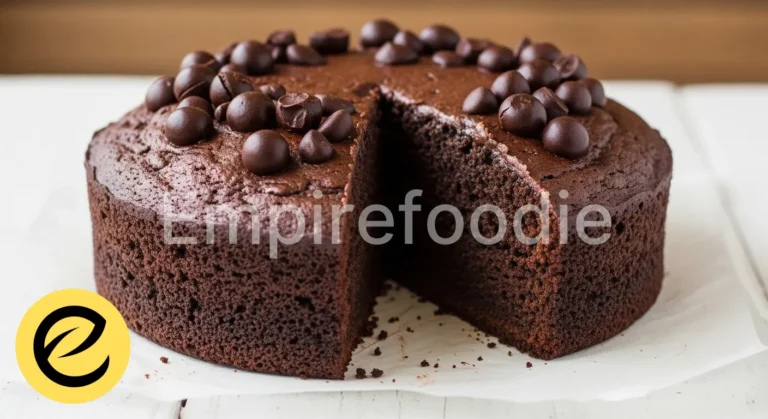
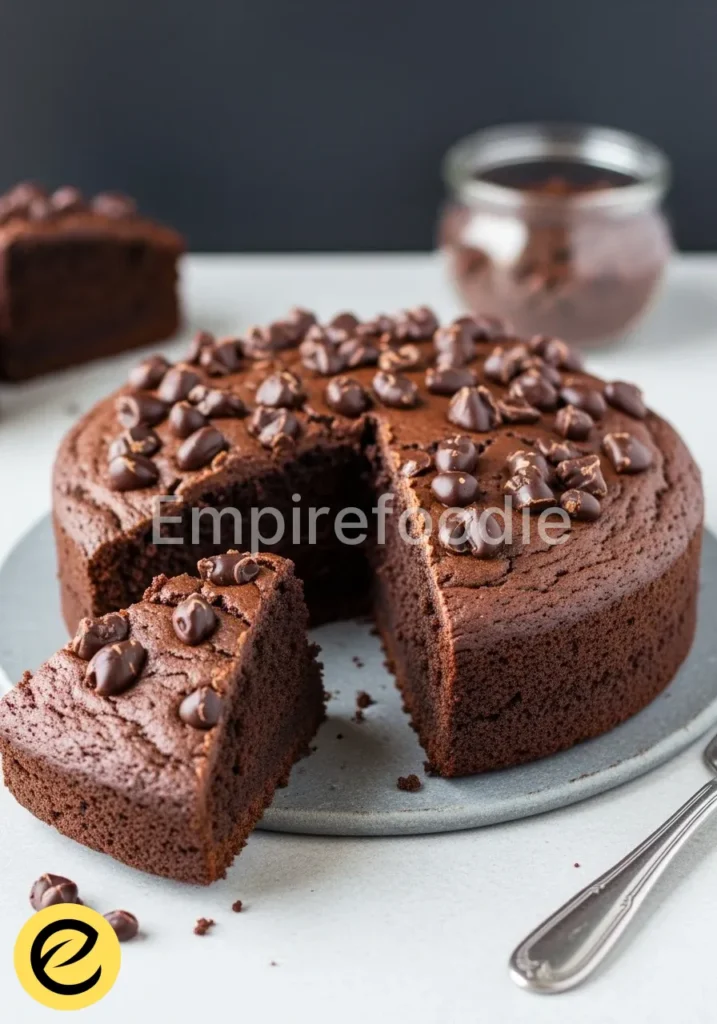
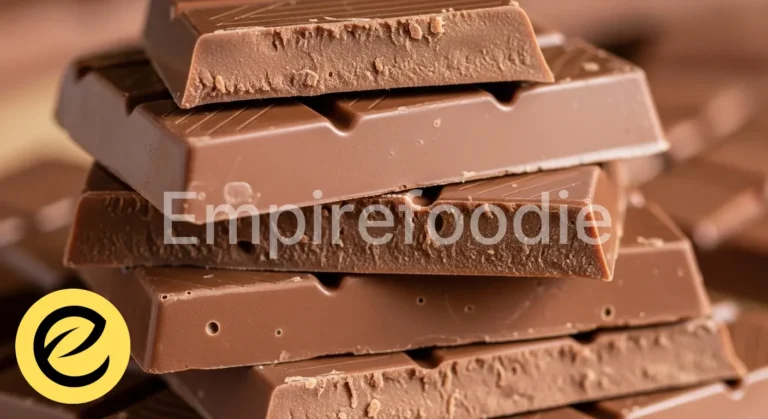
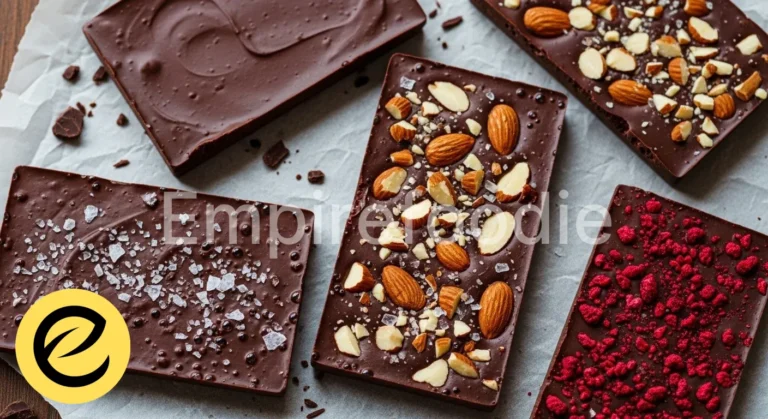
Crafting your own dark chocolate bars offers an unparalleled experience in rich flavor and satisfying texture. This precise recipe guides you through the scientific principles behind achieving perfectly tempered, glossy chocolate with a satisfying snap. Discover the nuances of ingredient interaction and temperature control that elevate simple ingredients into exquisite homemade dark chocolate bars, ensuring a deeply gratifying treat.

Table of Contents

Why You’ll Love This Recipe

  • Experience the profound, complex flavor profile of truly high-quality dark chocolate.
  • Achieve a professional-grade glossy finish and satisfying snap, demystifying the art of tempering.
  • Customize your homemade dark chocolate bars with healthful inclusions, tailoring taste and texture.
  • Benefit from the inherent antioxidant properties of dark chocolate, making indulgence guilt-free.

Ingredients You’ll Need

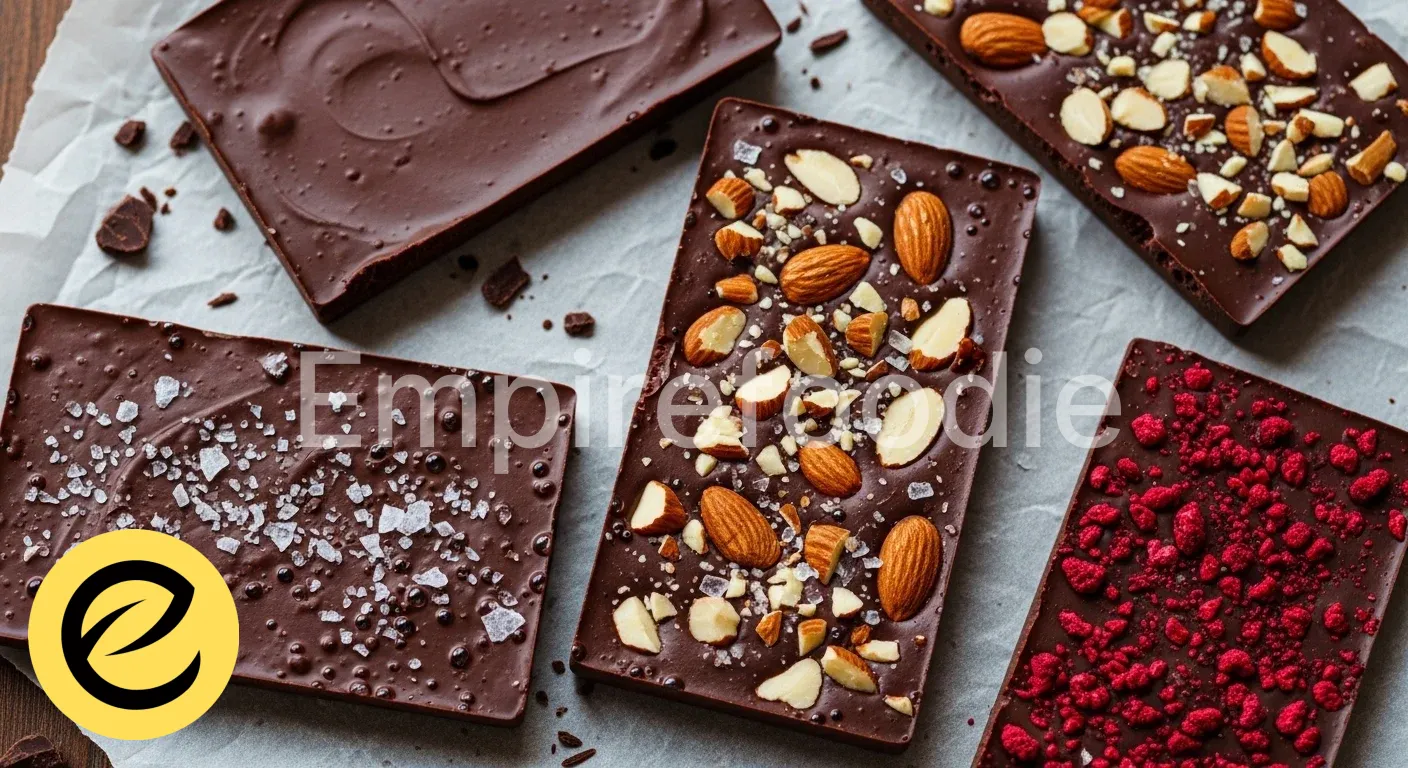
dark chocolate bars

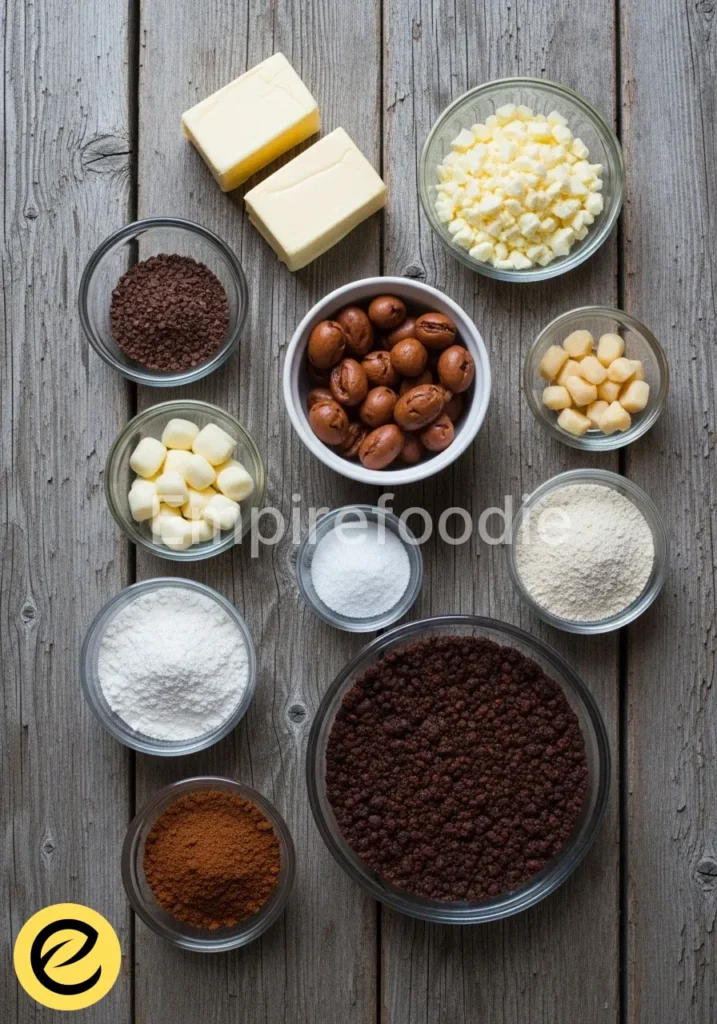
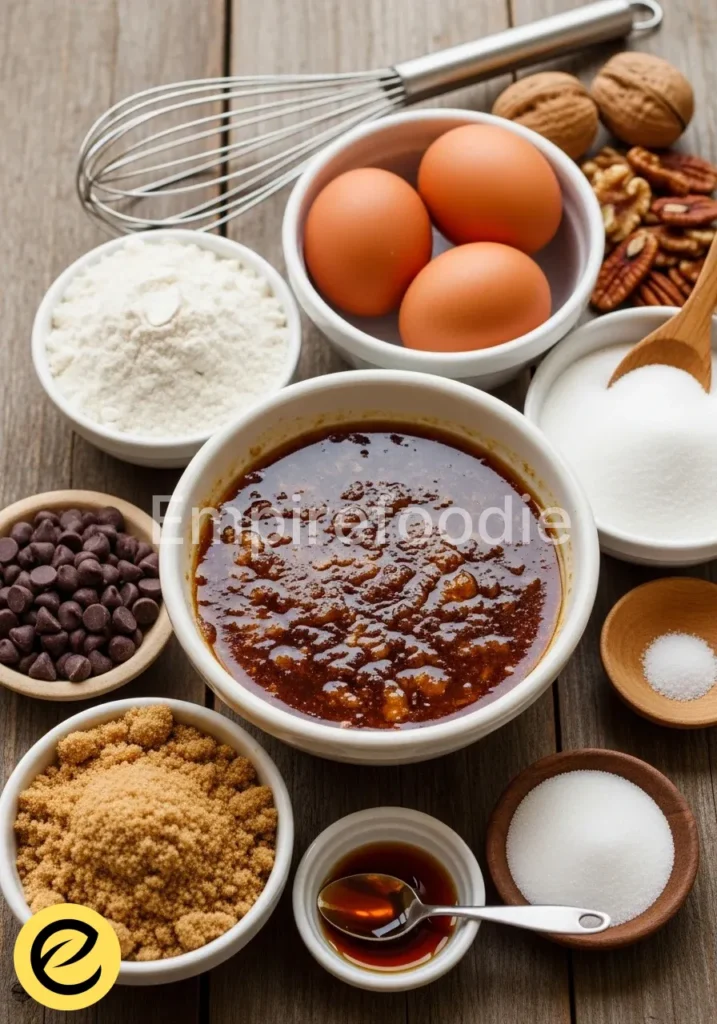
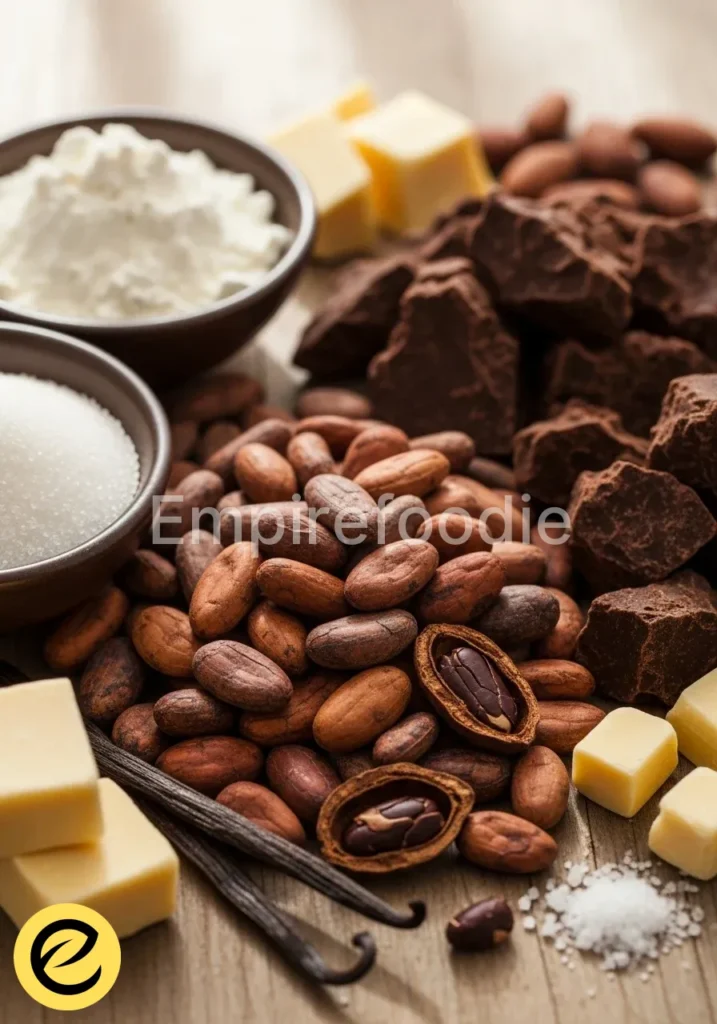
The foundation of exceptional dark chocolate bars lies in the quality of your raw materials. Each ingredient plays a specific role in texture, flavor, and stability. Selecting premium components is not merely a suggestion; it is a critical directive for achieving superior results.

  • High-Quality Dark Chocolate: Approximately 1.5 pounds (680g) of couverture dark chocolate, ideally 70-80% cacao. Couverture chocolate contains a higher percentage of cocoa butter, which facilitates easier tempering and results in a smoother texture and superior melt. This precise fat composition allows for stable crystal formation.
  • Cocoa Butter (Optional, but Recommended): 1 tablespoon (15g) pure cocoa butter, if working with a chocolate not specifically labelled as couverture or if you desire an even silkier mouthfeel. Cocoa butter contributes to the chocolate’s flow properties and aids in achieving a stable temper.
  • Vanilla Extract: 1 teaspoon (5ml) pure vanilla extract. Vanilla enhances the existing chocolate notes, adding depth and complexity without overpowering the primary flavor of the dark chocolate bars. It works as a natural flavor enhancer.
  • Pinch of Sea Salt: Approximately 1/4 teaspoon fine sea salt. Salt acts as a powerful flavor potentiator, balancing the bitterness of the dark chocolate and bringing forward its inherent sweetness and complex undertones. It’s a crucial element in achieving a well-rounded flavor profile for your dark chocolate bars.

Substitutions & Variations

[ra_display_video url=”https://www.youtube.com/watch?v=E5apNtufWa8″]

Understanding the fundamental chemistry allows for intelligent substitutions and variations without compromising the structural integrity or flavor balance of your dark chocolate bars. Maintain a focus on healthy and beneficial additions.

  • Sweetener Adjustment: While high-quality dark chocolate requires minimal additional sweetness, you can incorporate a small amount of a natural, unrefined sweetener. For instance, finely ground erythritol or stevia powder (ensure it’s a pure extract) can be added sparingly to adjust the perceived sweetness. However, be aware that any powder can slightly alter the chocolate’s texture if not thoroughly incorporated.
  • Nut & Seed Inclusions: Boost the nutritional profile and add textural contrast by folding in activated raw almonds, pistachios, or pumpkin seeds. Ensure nuts are roasted and cooled if desired for deeper flavor, but avoid adding them while still warm, as residual heat can disrupt the chocolate’s temper. The crunch of these additions complements the smooth dark chocolate bars.
  • Dried Fruit: For a tangy counterpoint, consider adding finely chopped, unsweetened dried cranberries or goji berries. Always ensure fruits are completely dry to prevent moisture introduction, which can cause the chocolate to seize.
  • Spices: Experiment with a subtle hint of Ceylon cinnamon, a tiny pinch of cayenne pepper for a warming kick, or a touch of cardamom. These spices should be finely ground and introduced judiciously to complement, not dominate, the rich flavor of the dark chocolate.
  • Flavor Extracts: Beyond vanilla, explore a few drops of pure peppermint extract (ensure it’s oil-based, not water-based) for a refreshing twist, or orange extract to highlight citrus notes in your dark chocolate bars. Less is often more with concentrated extracts.

When experimenting with your dark chocolate bars, you might want to explore variations in your sweeteners. Check out this chocolate biscuits recipe for inspiration on natural sweetener substitutions.

Equipment You’ll Need

  • Double Boiler Setup: A heatproof bowl (stainless steel or glass) that fits snugly over a saucepan containing simmering water, ensuring the bowl does not touch the water. This provides gentle, indirect heat, crucial for melting chocolate without scorching.
  • Digital Thermometer: A precise instant-read thermometer is absolutely non-negotiable for accurate tempering. Temperature control dictates the crystalline structure of your dark chocolate bars.
  • Rubber Spatula: For gentle folding and scraping, preventing air incorporation.
  • Chocolate Molds: Food-grade silicone molds specifically designed for chocolate bars or candy, ensuring easy release and a professional finish.
  • Offset Spatula or Bench Scraper: For spreading chocolate evenly and achieving a clean finish on the bars.
  • Parchment Paper or Silicone Mat: For a clean workspace and easy cleanup.

Step-by-Step Instructions
dark chocolate bars

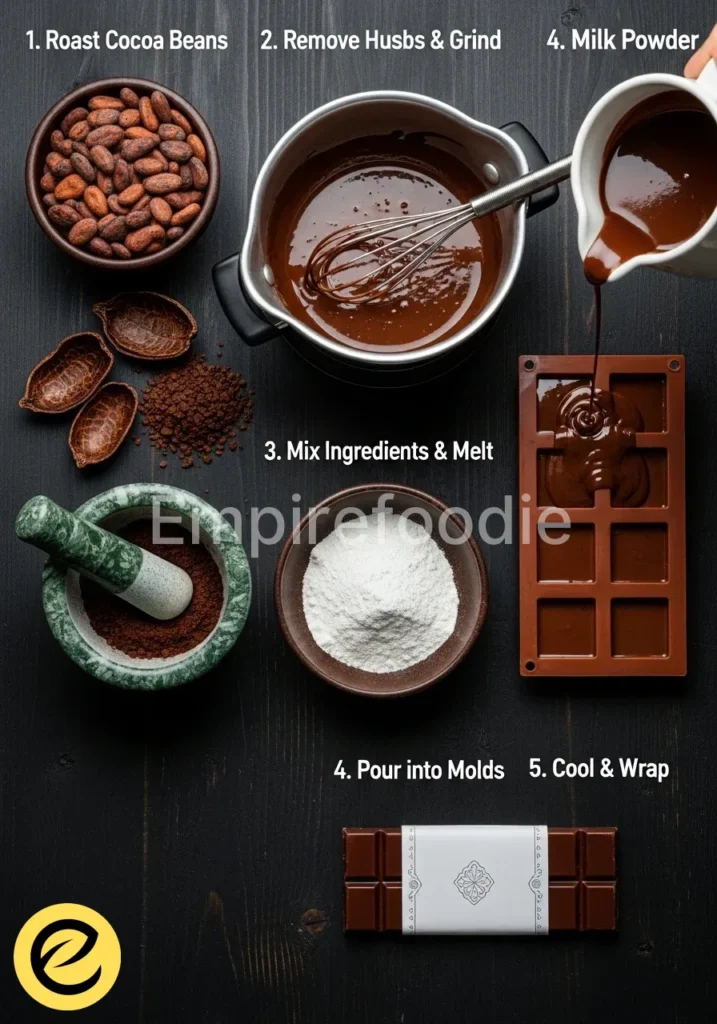
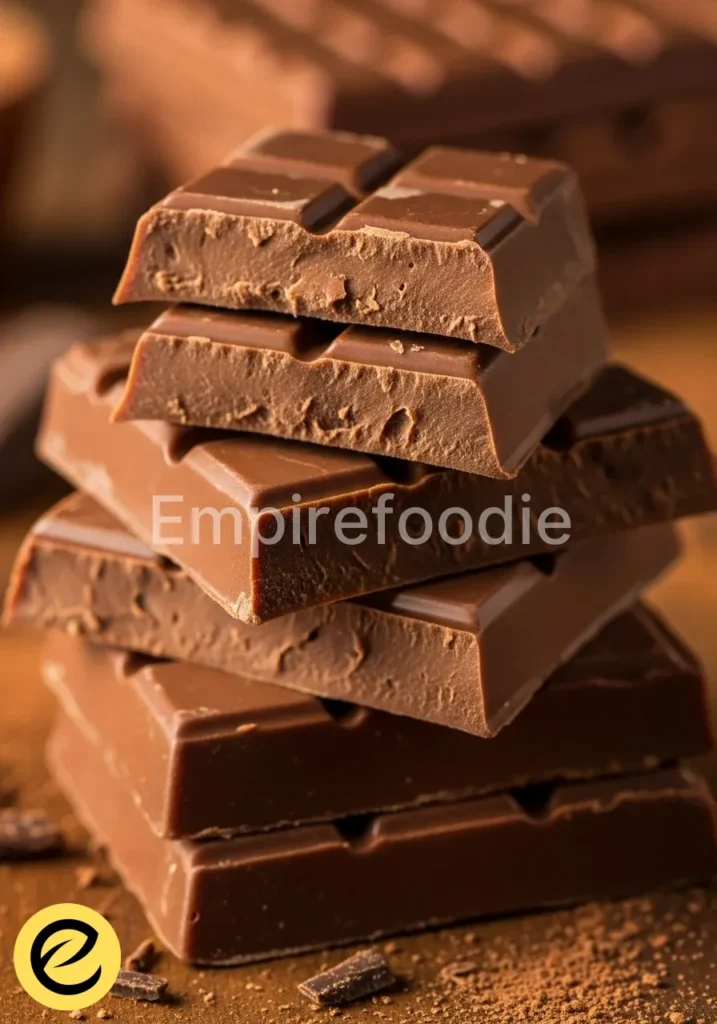
Achieving perfectly tempered dark chocolate bars involves precise temperature management and careful handling. Follow these steps meticulously to ensure a stable, glossy, and snappy product.

  1. Prepare Your Workspace: Ensure all equipment is meticulously clean and completely dry. Any moisture can cause the chocolate to seize. Set up your double boiler and have your digital thermometer readily accessible.
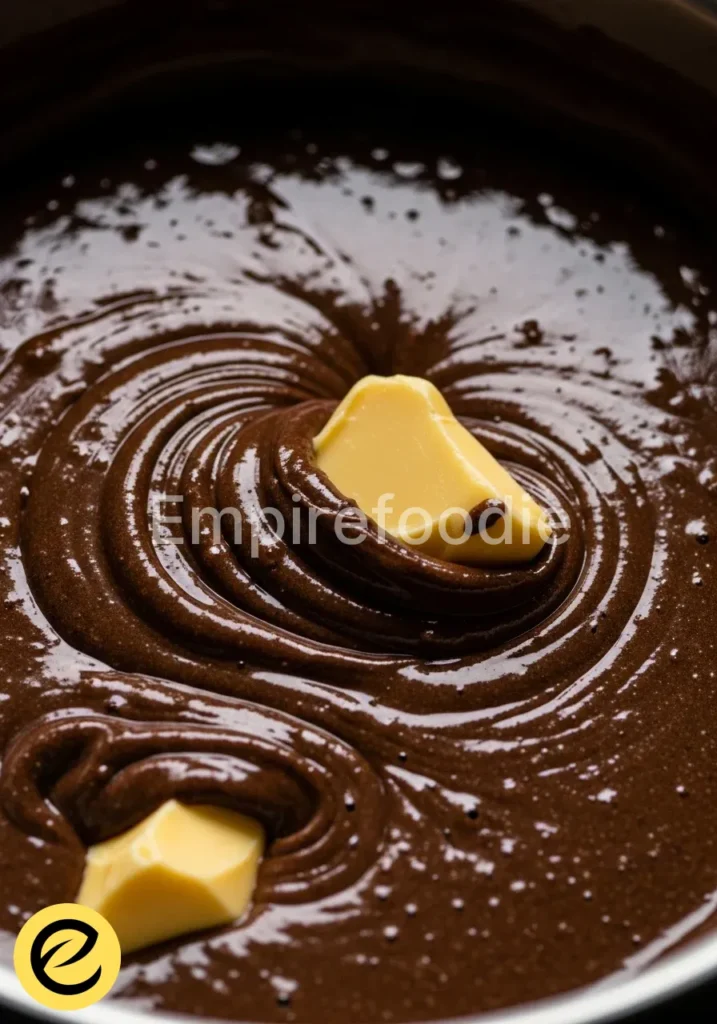
  2. Melt the Chocolate (Initial Phase): Roughly chop the dark chocolate into small, uniform pieces. This promotes even melting. Place two-thirds of the chopped chocolate (approximately 1 pound or 450g) into the heatproof bowl set over simmering water. Ensure the water is simmering gently, not boiling vigorously, and does not touch the bottom of the bowl.
  3. Achieve Melting Temperature: Stir the chocolate constantly with a rubber spatula, allowing it to melt gradually. Heat the chocolate to 113-120°F (45-49°C). This temperature ensures all cocoa butter crystals are melted, resetting the chocolate’s crystalline structure. For precise dark chocolate bars, monitor this carefully.
  4. Remove from Heat & “Seed”: Once the target temperature is reached, immediately remove the bowl from the double boiler. Wipe any condensation from the bottom of the bowl. Add the remaining one-third of the chopped dark chocolate (the “seed” chocolate) to the melted chocolate.
  5. Temper the Chocolate: Stir continuously and vigorously with your spatula. The solid chocolate pieces will cool down the melted chocolate and introduce stable cocoa butter crystals. Continue stirring until the chocolate cools to the working temperature range of 88-91°F (31-33°C). This specific temperature range is crucial for forming Type V beta crystals, responsible for gloss, snap, and heat resistance in your dark chocolate bars.
  6. Test the Temper: Dip the tip of an offset spatula or a piece of parchment paper into the tempered chocolate. If properly tempered, the chocolate should set within 3-5 minutes at room temperature, appearing glossy and streak-free. If it doesn’t set or appears dull, you may need to re-temper.
  7. Add Flavorings: Once tempered, stir in the vanilla extract and sea salt. If adding any optional inclusions like nuts or dried fruit, fold them in gently at this stage. Avoid over-mixing to prevent air bubbles in your dark chocolate bars.
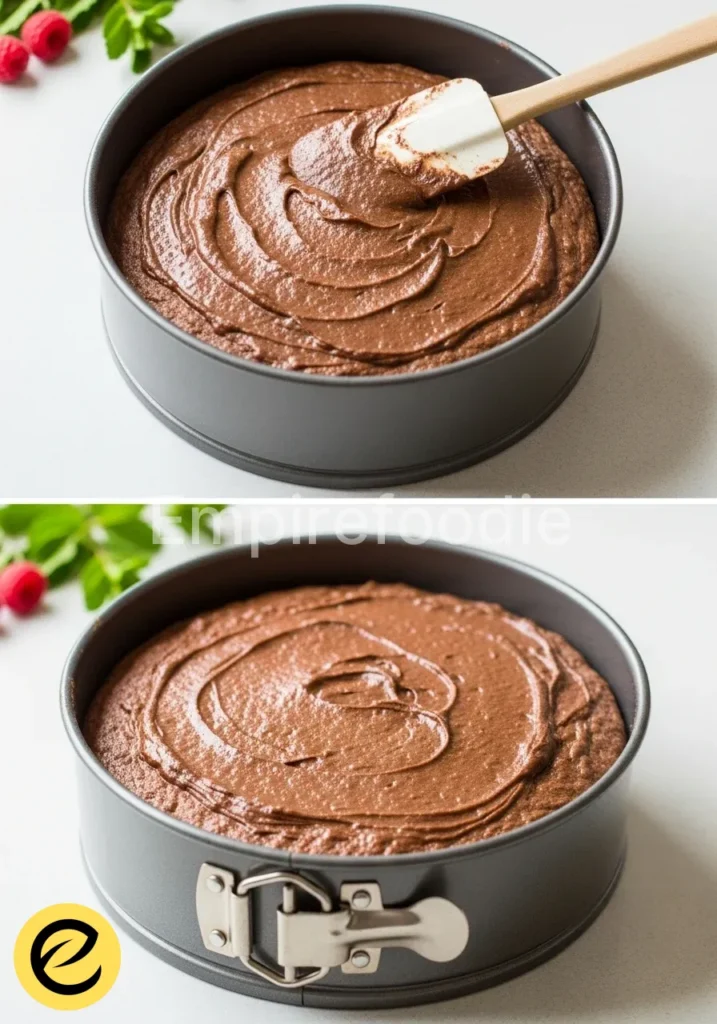
  8. Fill the Molds: Carefully pour the tempered chocolate into your prepared silicone molds. Use the offset spatula or bench scraper to spread it evenly and scrape off any excess from the top, ensuring flat, professional-looking dark chocolate bars.
  9. Tap to Remove Air Bubbles: Gently tap the molds several times on your countertop. This helps release any trapped air bubbles, ensuring a smooth, dense final product.
  10. Chill and Set: Place the filled molds in the refrigerator for 20-30 minutes, or until the dark chocolate bars are completely firm and easily release from the molds. Over-chilling is not necessary and can sometimes lead to condensation.
  11. Unmold and Store: Carefully unmold the dark chocolate bars. They should pop out easily if properly tempered and set.

Tempering your chocolate correctly is pivotal for achieving that perfect snap. Ensure your skills are sharp by learning additional techniques through our guide to chocolate chip biscuits.

Pro Tips for Success

Understanding the science behind chocolate work elevates a recipe from a simple guide to a masterclass in confectionary. Adam Dino’s approach emphasizes precision and knowledge.

  • Understanding the Temper: Tempering is a process of controlled crystallization. Chocolate, specifically cocoa butter, can crystallize in six different forms. Only Type V crystals (beta crystals) provide the desired snap, gloss, and melt characteristics for stable dark chocolate bars. Heating and cooling cycles manipulate these crystals. The initial melt at 113-120°F (45-49°C) eliminates all existing crystal forms. The subsequent cooling and seeding process at 88-91°F (31-33°C) encourages the formation of desirable Type V crystals. Without proper tempering, your homemade dark chocolate bars will be soft, dull, and prone to “bloom” (white streaks caused by unstable fat crystallization).
  • Moisture is the Enemy: Even a single drop of water can cause chocolate to “seize,” turning it from a smooth liquid into a thick, gritty paste. Water causes the sugar crystals in chocolate to clump together. Ensure all bowls, spatulas, and tools are impeccably dry. When using a double boiler, prevent steam from entering the chocolate.
  • Ingredient Temperature: If adding inclusions like nuts or dried fruits, ensure they are at room temperature, or even slightly warmed, before incorporating them into the tempered chocolate. Introducing cold ingredients can rapidly drop the chocolate’s temperature below its working range, causing it to go out of temper.
  • Don’t Rush the Cooling: While chilling in the refrigerator helps set the dark chocolate bars quickly, avoid putting freshly poured, warm chocolate directly into a very cold environment. A rapid temperature drop can sometimes cause minor fat separation or dullness. A gentle chill is preferable.
  • Working with Cacao Percentage: Higher cacao percentage dark chocolate (e.g., 80%+) often has a slightly higher working temperature range for tempering due to less sugar content. Always refer to the manufacturer’s recommendations for precise tempering temperatures if provided. Adjustments for specific dark chocolate bars are sometimes necessary.

Storage & Reheating Tips

Proper storage is essential to maintain the temper, flavor, and integrity of your dark chocolate bars. Reheating is generally not applicable, as these are meant to be enjoyed at a stable, cool temperature.

Store your finished dark chocolate bars in an airtight container at a cool, dry room temperature, ideally between 60-68°F (15-20°C). Humidity and fluctuating temperatures are detrimental to tempered chocolate. Humidity can cause sugar bloom (a white, powdery layer), while temperature fluctuations can lead to fat bloom (a white, streaky appearance).

Both are harmless but affect aesthetics. Avoid refrigeration if possible, as it can cause condensation when the chocolate returns to room temperature, potentially leading to bloom. If you must refrigerate in very warm climates, place the airtight container in a paper bag before refrigerating, and allow it to come to room temperature slowly within the bag to minimize condensation. These dark chocolate bars maintain their quality for several weeks when stored correctly.

Proper storage of your finished dark chocolate bars is crucial to maintain their quality. To understand more about chocolate storage techniques, visit our page on chocolate cookies with white chips.

What to Serve With This Recipe

dark chocolate bars

While these dark chocolate bars are a decadent treat on their own, pairing them with specific items can enhance the experience, providing balance and promoting healthier consumption patterns.

  • Fresh Fruit Platter: The natural sweetness and acidity of berries (strawberries, raspberries), orange segments, or sliced apples offer a refreshing counterpoint to the rich bitterness of the dark chocolate. This pairing highlights the fruit’s freshness against the deep chocolate notes.
  • Nut & Seed Butter: A dollop of unsweetened almond butter or cashew butter can be a surprisingly harmonious accompaniment. The creamy texture and healthy fats complement the chocolate’s intensity, creating a more substantial and satisfying snack.
  • Strong Coffee or Herbal Tea: A well-brewed cup of black coffee or a robust herbal tea (like peppermint or chamomile) can cleanse the palate between bites, allowing the complex flavors of the dark chocolate bars to shine through. The bitterness of coffee often enhances the chocolate’s undertones.
  • Greek Yogurt: A small serving of plain Greek yogurt, perhaps with a drizzle of honey, provides a protein-rich, tangy, and creamy backdrop that can balance the sweetness and richness of these specific dark chocolate bars.

Frequently Asked Questions (FAQ)

Why did my dark chocolate bars appear dull and streaky?

A dull or streaky appearance, often referred to as “bloom,” typically indicates that your chocolate was not properly tempered. Tempering is the process of precisely controlling the temperature of the chocolate to encourage the formation of stable cocoa butter crystals (Type V).

Without this, the cocoa butter can crystallize randomly, leading to a soft, crumbly texture, poor snap, and a grayish, streaky surface. Ensuring strict adherence to the temperature ranges (melting, cooling, and working temperatures) is paramount for glossy dark chocolate bars.

Can I use chocolate chips instead of couverture chocolate?

While technically possible, it is not recommended for achieving high-quality dark chocolate bars. Chocolate chips, especially baking chips, often contain stabilizers and less cocoa butter (or different fats) to help them maintain their shape during baking. This altered fat composition makes them much harder to temper correctly and results in a less fluid melt, a thicker consistency, and a less desirable texture and snap in your final dark chocolate bars. For best results, invest in good quality couverture chocolate.

How can I add different flavors to my dark chocolate bars without affecting the temper?

To infuse additional flavors without disrupting the temper, use fat-soluble flavorings or dry ingredients. Pure, oil-based extracts (like peppermint or orange oil) are ideal; water-based extracts can cause seizing.

For dry inclusions like spices (cinnamon, chili powder), ensure they are finely ground and added after the tempering process, just before molding. When adding nuts, seeds, or dried fruit, ensure they are at room temperature and completely dry to prevent temperature shock or moisture introduction, which can destabilize the perfectly crafted dark chocolate bars.

Dark chocolate bars are crafted from high-quality cocoa solids, cocoa butter, and sugar, providing a rich flavor profile that is both indulgent and healthful. Discover more about the composition and benefits of dark chocolate by exploring this dark chocolate link.

Final Thoughts

Crafting these dark chocolate bars transcends simple cooking; it’s an exercise in precision and understanding culinary science. The gratifying snap and profound flavor are direct results of meticulous technique and quality ingredients. Enjoy the process and the exceptional outcome.

Nutrition Information (per serving)

(Estimated per 1-ounce/28g serving of 70% dark chocolate bar, without inclusions)

NutrientAmount
Calories160 kcal
Total Fat12g
Saturated Fat7g
Cholesterol0mg
Sodium2mg
Total Carbohydrates13g
Dietary Fiber3g
Total Sugars7g
Protein2g

dark chocolate bars

Prep Time 20 minutes
Cook Time 30 minutes
Total Time 50 minutes
Servings 12 ounces (340g) servings
Calories 160
Crafting your own dark chocolate bars offers an unparalleled experience in rich flavor and satisfying texture, achieved through precise temperature management and quality ingredients.

Ingredients

  • 1.5 pounds (680g) high-quality dark chocolate (70-80% cacao)
  • 1 tablespoon (15g) cocoa butter (optional)
  • 1 teaspoon (5ml) vanilla extract
  • 1/4 teaspoon fine sea salt

Instructions 

  • Prepare your workspace, ensuring all equipment is clean and dry.
  • Melt two-thirds of the chopped dark chocolate in a double boiler to 113-120°F (45-49°C).
  • Remove from heat and add the remaining chocolate to seed.
  • Stir continuously until cooled to 88-91°F (31-33°C).
  • Test the temper and add vanilla and salt.
  • Pour into molds, tap to remove bubbles, then chill for 20-30 minutes.
  • Unmold the bars and store properly.

Notes

Ensure all tools are dry, avoid moisture, and treat inclusions carefully. Store at 60-68°F (15-20°C) to maintain quality.
Calories: 160kcal
Course: Dessert
Cuisine: American
Keyword: Chocolate Bars, dark chocolate, homemade, tempering

Crafting the perfect chocolate biscuit recipe involves a precise understanding of ingredient interaction to achieve an optimal balance of flavor and texture. This definitive guide to a superior chocolate biscuits recipe ensures a treat that is both deeply satisfying and texturally complex, with a crisp exterior yielding to a tender, crumbly interior.

We delve into the foundational principles that elevate a simple cookie to a culinary delight, focusing on scientific accuracy. Master this chocolate biscuits recipe to consistently produce professional-grade results from your kitchen.

Table of Contents

Why You’ll Love This Recipe

This chocolate biscuits recipe stands out for its meticulous approach, guaranteeing both flavor and consistency. Its clear methodology simplifies complex baking, while a focus on quality ingredients ensures a nutritious indulgence. You will appreciate the precise instructions and the deeply satisfying outcome.

  • Achieve a perfect balance of rich chocolate flavor with a delightful crumbly texture.
  • Streamlined process makes this chocolate biscuits recipe accessible for all skill levels.
  • Incorporate mindful ingredient choices for a comparatively wholesome treat.
  • Understand the ‘why’ behind each step, enhancing your overall baking acumen.

Ingredients You’ll Need

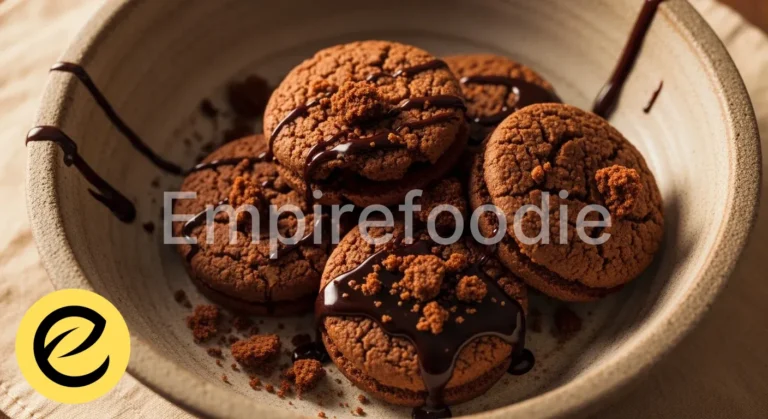
chocolate biscuits recipe

Ingredient quality is paramount to the success of this chocolate biscuits recipe. Each component plays a specific chemical role, influencing texture, flavor, and shelf life. Opt for the finest available to ensure the best outcome.

  • Unsalted Butter: 225g (1 cup), softened. Ensure it’s truly at room temperature for proper creaming, which incorporates air and creates a tender crumb.
  • Granulated Sugar: 150g (3/4 cup). Provides sweetness and contributes to the biscuit’s spread and crispness through caramelization.
  • Light Brown Sugar: 100g (1/2 cup), packed. Adds moisture and a subtle molasses flavor, contributing to chewiness.
  • Large Egg: 1, at room temperature. Acts as an emulsifier and binder, adding structure and richness.
  • Vanilla Extract: 1 teaspoon. Enhances the chocolate flavor and adds aromatic depth.
  • All-Purpose Flour: 300g (2 1/3 cups). The primary structural component. Sifted flour prevents lumps and ensures even distribution.
  • Cocoa Powder: 50g (1/2 cup), unsweetened natural cocoa. Provides the intense chocolate flavor. Natural cocoa reacts with baking soda.
  • Baking Soda: 1 teaspoon. A leavening agent that reacts with acidic ingredients (like brown sugar and natural cocoa) to produce carbon dioxide, creating lift.
  • Salt: 1/2 teaspoon. Balances sweetness and enhances all other flavors.
  • Chocolate Chips or Chunks: 200g (1 1/4 cups), semi-sweet or dark. The star of our chocolate biscuits recipe, choose quality chocolate for superior melt and flavor.

Substitutions & Variations

While the classic chocolate biscuits recipe is perfect, thoughtful substitutions can align with dietary preferences or expand flavor profiles. Remember that altering ingredients can impact the final texture and requires careful consideration of their chemical properties.

[ra_display_video url=”https://www.youtube.com/watch?v=mLYy-f18664″]

  • For a Gluten-Free Option: Substitute all-purpose flour with a 1:1 gluten-free baking blend that includes xanthan gum.
  • Dairy-Free Butter: Use a high-quality plant-based butter alternative, ensuring it has a similar fat content to dairy butter for comparable results.
  • Reduced Sugar: For a less sweet chocolate biscuits recipe, slightly decrease the amount of granulated sugar. Avoid drastic reductions, as sugar also contributes to texture.
  • Nut-Free: This chocolate biscuits recipe is inherently nut-free, but always check chocolate chip labels for allergen information.
  • Additional Flavors: Consider adding a pinch of espresso powder (1/2 teaspoon) to deepen the chocolate flavor, or a sprinkle of flaky sea salt on top before baking for a salty-sweet contrast.

While the classic chocolate biscuits recipe is perfect, thoughtful substitutions can align with dietary preferences or expand flavor profiles. For those interested in a different flavor dimension, consider trying out our recipe for chocolate cookies with white chips.

Equipment You’ll Need

The right tools ensure precision and efficiency when making this chocolate biscuits recipe, leading to more consistent and satisfying outcomes.

  • Stand mixer or hand mixer
  • Large mixing bowls
  • Rubber spatula
  • Whisk
  • Measuring cups and spoons
  • Parchment paper
  • Baking sheets
  • Wire cooling rack
  • Cookie scoop (optional, for uniform sizing)

Step-by-Step Instructions

chocolate biscuits recipe

Adherence to these precise steps is crucial for the scientific success of your chocolate biscuits recipe. Each stage has a purpose, contributing to the final texture and flavor.

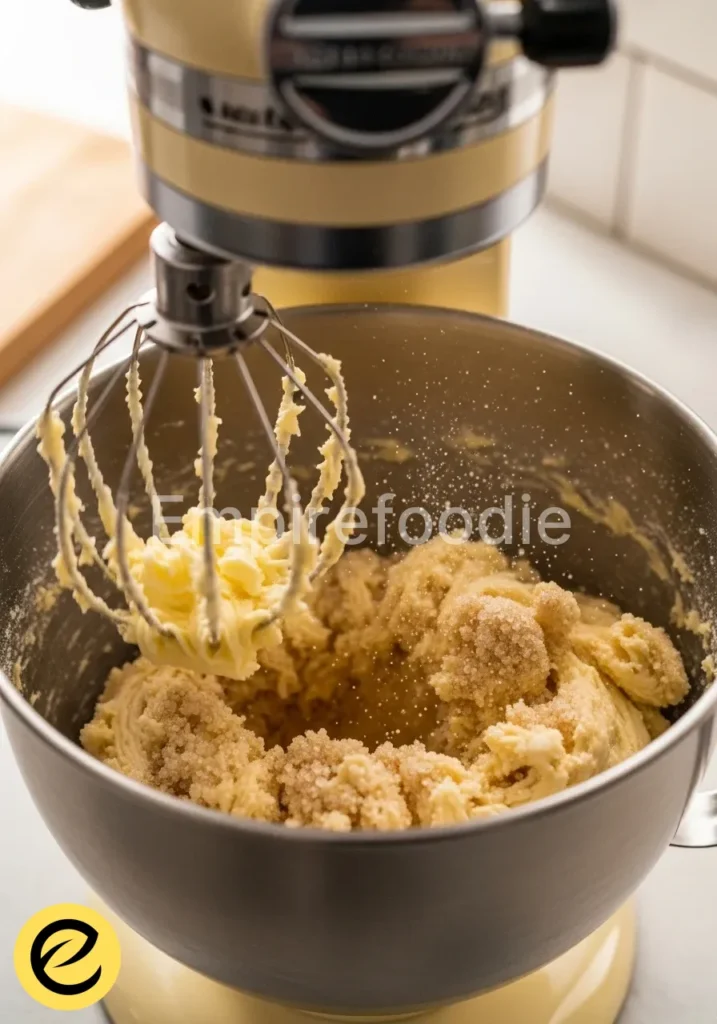
  1. Cream Butter and Sugars: In a large mixing bowl, using a stand mixer with the paddle attachment or a hand mixer, beat the softened unsalted butter, granulated sugar, and light brown sugar on medium-high speed until light and fluffy. This aeration process, known as creaming, is critical for incorporating air, which contributes to the biscuit’s tender texture. Scrape down the sides of the bowl as needed.
  2. Add Egg and Vanilla: Beat in the large egg until fully incorporated, then stir in the vanilla extract. Continue mixing until the mixture is smooth and emulsified. Overmixing at this stage can develop gluten too early.
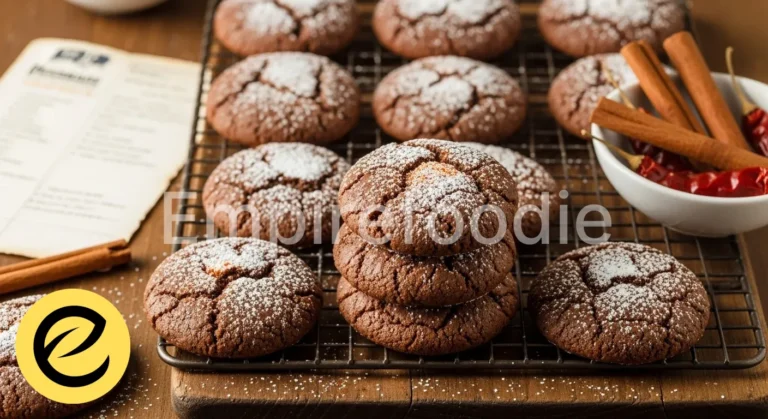
  3. Combine Dry Ingredients: In a separate medium bowl, whisk together the all-purpose flour, cocoa powder, baking soda, and salt. Whisking ensures these ingredients are evenly distributed, which is vital for consistent leavening and flavor in our chocolate biscuits recipe.
  4. Gradually Add Dry to Wet: With the mixer on low speed, gradually add the dry ingredient mixture to the wet ingredients, mixing only until just combined. Overmixing flour develops gluten, resulting in tough biscuits. The goal is to hydrate the flour without overworking it.
  5. Fold in Chocolate: Remove the bowl from the mixer and, using a rubber spatula, gently fold in the chocolate chips or chunks until evenly distributed throughout the dough.
  6. Chill the Dough (Crucial Step): Cover the bowl with plastic wrap and refrigerate the dough for at least 30 minutes, or up to 2 hours. Chilling allows the flour to fully hydrate, prevents excessive spreading, and concentrates the flavors, making this chocolate biscuits recipe superior.
  7. Preheat Oven & Prepare Sheets: Preheat your oven to 180°C (350°F). Line baking sheets with parchment paper to prevent sticking and promote even baking.
  8. Scoop and Bake: Scoop rounded tablespoons of dough onto the prepared baking sheets, leaving about 5 cm (2 inches) between each biscuit to allow for spread.
  9. Bake: Bake for 10-12 minutes, or until the edges are set and lightly golden, but the centers still look slightly soft. The residual heat will continue to cook them as they cool, preventing over-baking and ensuring a tender interior for this chocolate biscuits recipe.
  10. Cool: Let the biscuits cool on the baking sheets for 5 minutes before transferring them to a wire rack to cool completely. This allows them to firm up without breaking.
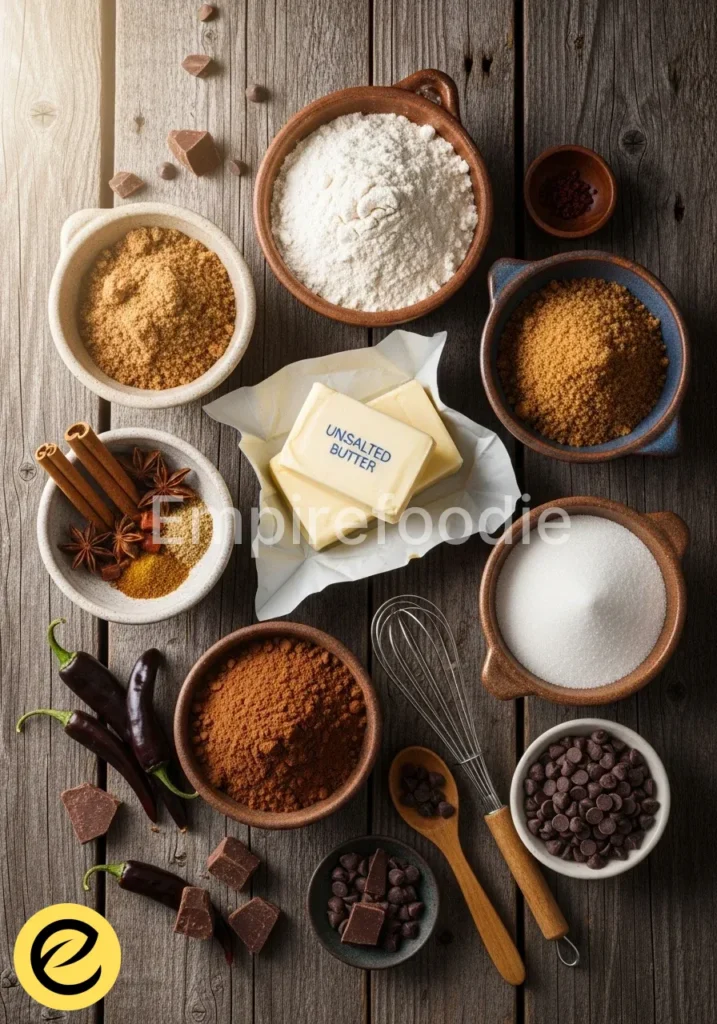
Adherence to these precise steps is crucial for the scientific success of your chocolate biscuits recipe. To explore a delightful variation, check out our raspberry white chocolate cookies that offer a burst of fruity flavor.

Pro Tips for Success

Elevate your chocolate biscuits recipe with these scientifically-backed techniques, ensuring optimal texture and flavor every time.

  • Butter Temperature is Key: Softened butter, not melted, is critical for proper creaming. If your butter is too cold, it won’t aerate effectively; too warm, and it will result in greasy biscuits that spread too much. Aim for 18-20°C (65-68°F).
  • Don’t Overmix: Once flour is added, mix only until just combined. Excessive mixing develops gluten, leading to tough, chewy biscuits instead of tender ones.
  • Chill the Dough: This isn’t optional for this chocolate biscuits recipe. Chilling allows the butter to re-solidify, preventing excessive spread. It also gives the flour time to fully hydrate, improving texture and intensifying flavor.
  • Use a Cookie Scoop: For uniform size and even baking, a cookie scoop is invaluable. Consistent size ensures all biscuits bake at the same rate.
  • Salt Matters: A touch of flaky sea salt sprinkled on top immediately after baking can dramatically enhance the chocolate flavor, balancing the sweetness.

Storage & Reheating Tips

Proper storage is essential to maintain the freshness and texture of your chocolate biscuits recipe creations. These methods will help preserve their quality.
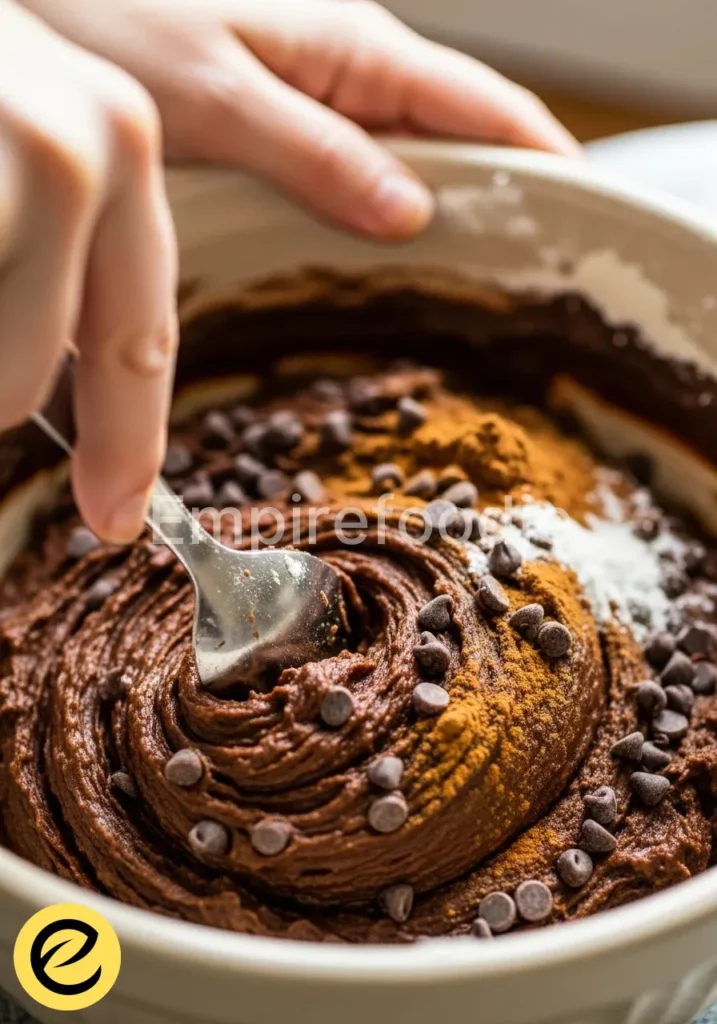
  • Airtight Container: Store cooled biscuits in an airtight container at room temperature for up to 3-4 days. This prevents them from drying out.
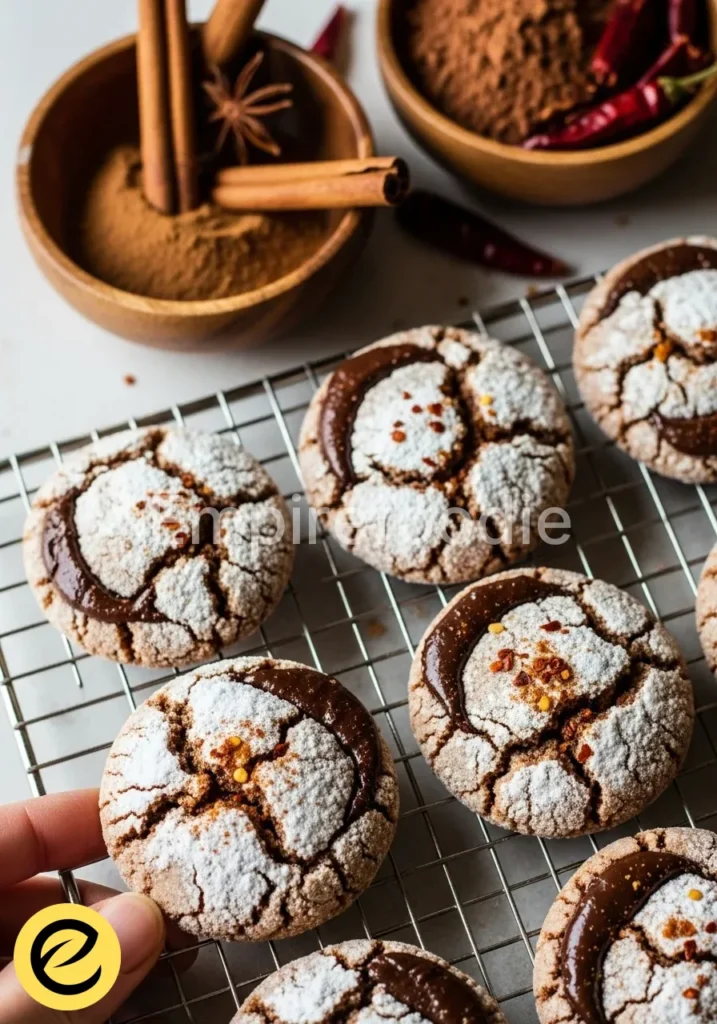
  • Freezing Dough: Scoop dough balls onto a parchment-lined baking sheet and freeze until solid. Transfer frozen dough balls to a freezer-safe bag or container for up to 3 months. Bake from frozen, adding 2-4 minutes to the baking time.
  • Freezing Baked Biscuits: Once completely cooled, place baked biscuits in a single layer in an airtight freezer-safe container or bag for up to 2 months. Thaw at room temperature.
  • Reheating: For a fresh-baked experience, gently warm biscuits in a preheated oven at 150°C (300°F) for 5-7 minutes, or until just warm and slightly soft.

Proper storage is essential to maintain the freshness and texture of your chocolate biscuits recipe creations. For a delicious twist on storing, don’t miss our article on peanut butter chocolate cookies, perfect for a sweet surprise.

What to Serve With This Recipe

chocolate biscuits recipe

While this chocolate biscuits recipe is a standalone delight, pairing it with complementary items can elevate the experience. Consider options that balance the richness of the chocolate.

  • Fresh Berries: A vibrant bowl of strawberries, raspberries, or blueberries provides a refreshing contrast and adds antioxidants.
  • Plain Greek Yogurt: A dollop of unsweetened Greek yogurt offers a creamy, tangy counterpoint, balancing the sweetness and adding protein.
  • Milk: A classic pairing, a cold glass of milk cuts through the richness and enhances the chocolate flavor.
  • Coffee or Tea: A warm cup of black coffee or unsweetened tea offers a sophisticated pairing, providing a pleasant bitterness that complements the chocolate.

Frequently Asked Questions (FAQ)

Why did my chocolate biscuits spread too much?

Excessive spreading in a chocolate biscuits recipe usually stems from several factors. The butter might have been too warm when creamed, leading to insufficient air incorporation and a looser dough structure. Insufficient chilling time also contributes, as cold butter resists spreading more effectively in the oven. Additionally, an incorrect flour-to-fat ratio or an oven temperature that is too low can exacerbate spreading.

Can I make this chocolate biscuits recipe ahead of time?

Absolutely. Preparing this chocolate biscuits recipe dough in advance is highly recommended. You can store the dough, covered tightly, in the refrigerator for up to 3 days.

This extended chilling period actually enhances the flavor development, as the ingredients meld together over time. Alternatively, you can scoop the dough into individual balls and freeze them for up to 3 months, baking directly from frozen with a slight increase in baking time.

What type of cocoa powder is best for this chocolate biscuits recipe?

This chocolate biscuits recipe specifies unsweetened natural cocoa powder. Natural cocoa is acidic, which reacts with baking soda (an alkaline leavening agent) to produce carbon dioxide, providing lift. Dutch-processed cocoa, which has been treated to reduce its acidity, would require a different leavening agent (like baking powder) to achieve the same rise. Using natural cocoa ensures the correct chemical reaction and texture for this specific chocolate biscuits recipe.

A chocolate biscuits recipe offers an excellent opportunity to explore the intersection of chemistry and baking. Understanding how various ingredients interact can elevate simple biscuits into gourmet treats, providing deeper satisfaction in every bite. For more on this topic, see the detailed information on cookies.

Final Thoughts

Mastering this chocolate biscuits recipe is more than baking; it’s a journey into culinary precision. Each step, grounded in scientific principles, ensures consistent excellence. The result is a biscuit that transcends expectation—rich, perfectly textured, and deeply satisfying. This chocolate biscuits recipe provides the foundation for countless moments of shared joy and simple indulgence.

Nutrition Information (per serving)

(Based on approximately 24 servings per recipe, values are approximate)

Calories190 kcal
Total Fat11g
  Saturated Fat7g
Cholesterol30mg
Sodium80mg
Total Carbohydrates22g
  Dietary Fiber1g
  Total Sugars15g
Protein2g

chocolate biscuits recipe

Prep Time 30 minutes
Cook Time 12 minutes
Total Time 42 minutes
Servings 24 biscuits servings
Calories 190
This chocolate biscuits recipe provides a deeply satisfying treat with a crisp exterior and a tender, crumbly interior, ensuring professional-grade results through a meticulous approach to ingredient interaction and baking techniques.

Ingredients

  • 225g unsalted butter, softened
  • 150g granulated sugar
  • 100g light brown sugar, packed
  • 1 large egg, at room temperature
  • 1 teaspoon vanilla extract
  • 300g all-purpose flour
  • 50g unsweetened cocoa powder
  • 1 teaspoon baking soda
  • 1/2 teaspoon salt
  • 200g semi-sweet or dark chocolate chips or chunks

Instructions 

  • Cream butter and sugars until light and fluffy.
  • Add egg and vanilla, mix until incorporated.
  • Combine dry ingredients and whisk together.
  • Gradually add dry ingredients to wet ingredients and mix until just combined.
  • Fold in chocolate chips until evenly distributed.
  • Chill the dough for at least 30 minutes.
  • Preheat oven to 180°C (350°F) and prepare baking sheets.
  • Scoop rounded tablespoons of dough onto baking sheets.
  • Bake for 10-12 minutes until edges are set and centers are slightly soft.
  • Cool on the baking sheets for 5 minutes before transferring to a wire rack.

Notes

Ensure the butter is at the right temperature for creaming. Chilling the dough is essential for preventing spread and improving flavor.
Calories: 190kcal
Course: Dessert
Cuisine: American
Keyword: baking, Chocolate Biscuits, cookies

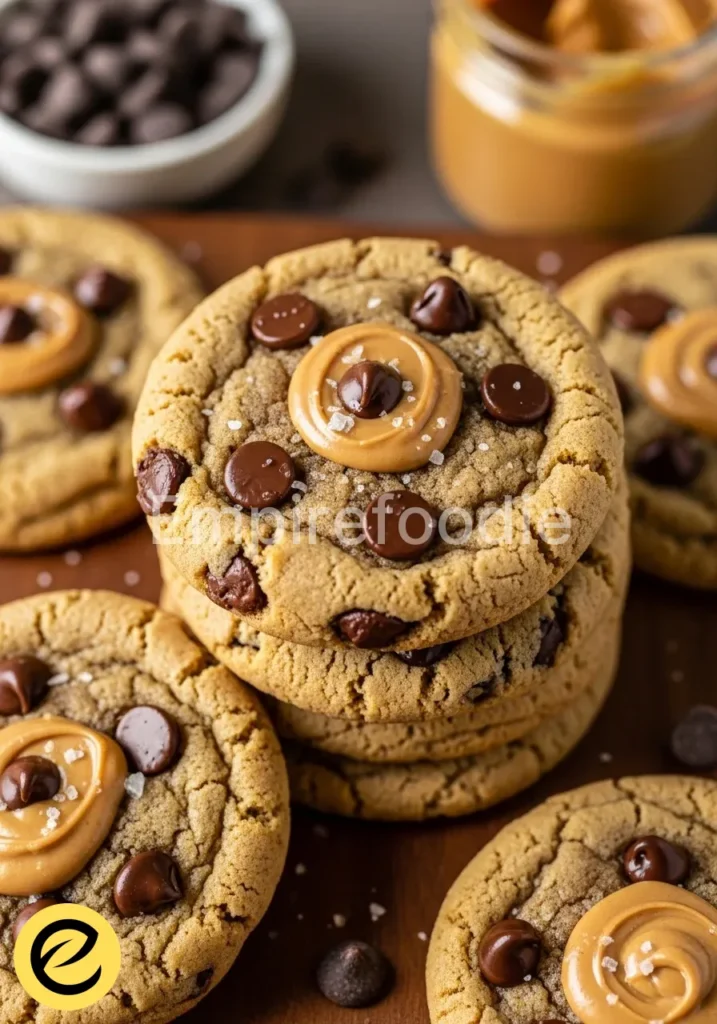
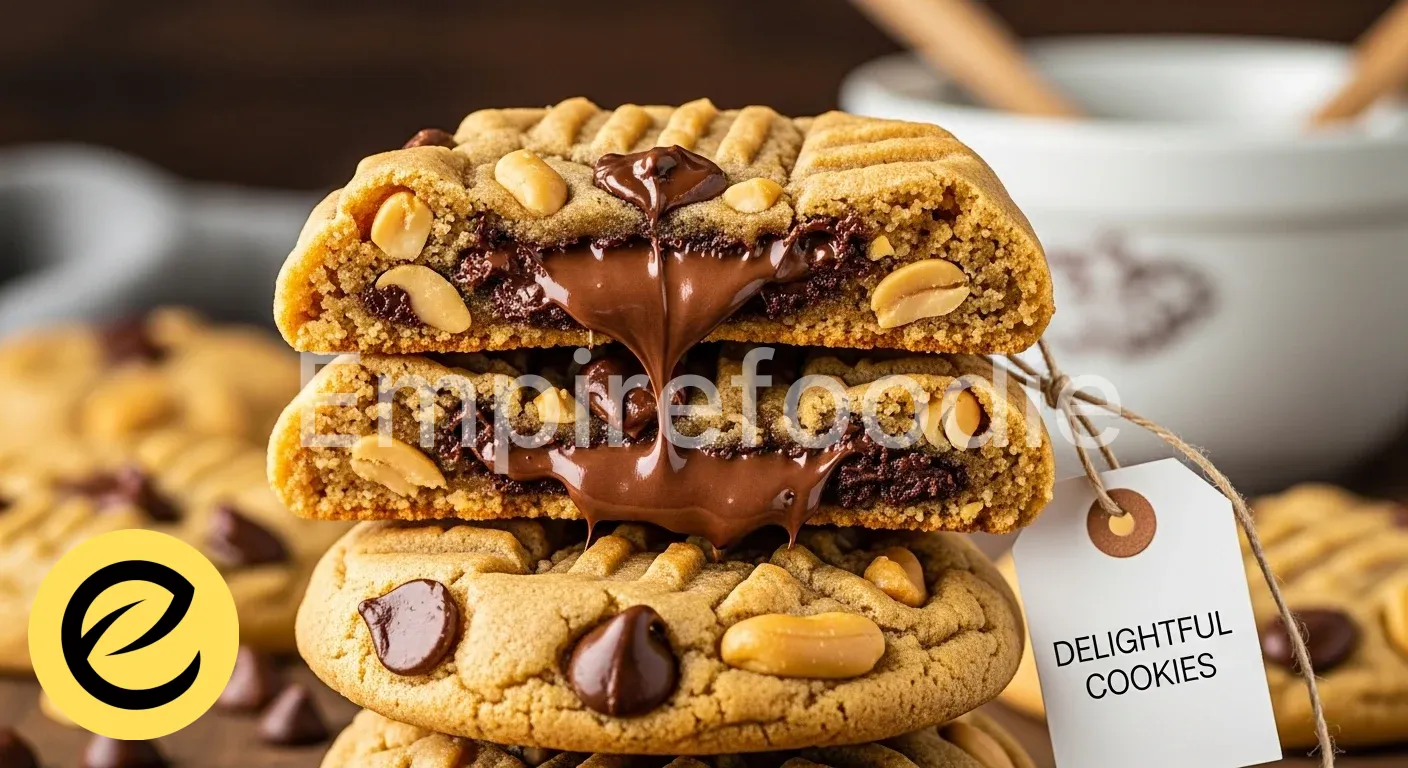
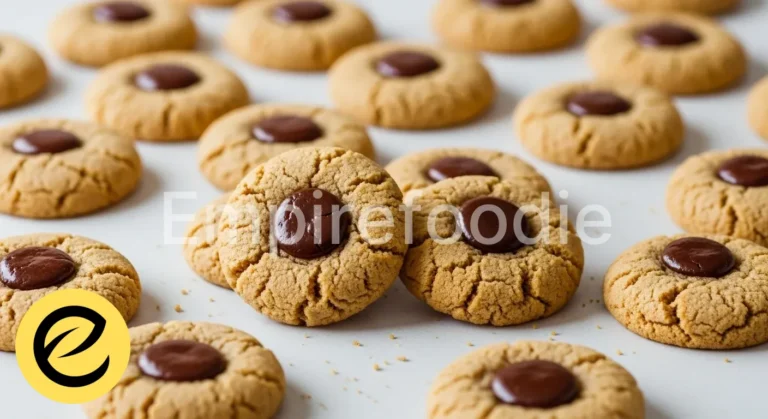
Imagine a cookie that perfectly balances the creamy richness of peanut butter with the indulgent sweetness of chocolate. Our recipe for these classic peanut butter chocolate cookies delivers exactly that – a tender, chewy texture punctuated by melty chocolate pockets. This guide simplifies the process, ensuring a consistently superb result every time.

We delve into the science of each step, guaranteeing culinary success for even novice bakers. Prepare to elevate your baking prowess with these irresistible treats. These peanut butter chocolate cookies promise a delightful experience.

Table of Contents

Why You’ll Love These Peanut Butter Chocolate Cookies

  • Irresistible Flavor Profile: The classic pairing of rich peanut butter and sweet chocolate creates a universally loved taste, making these peanut butter chocolate cookies an instant favorite.
  • Effortless Preparation: A straightforward baking process means less time in the kitchen and more time enjoying delicious cookies.
  • Versatile & Adaptable: Easily customize ingredients for various dietary preferences without compromising taste or texture.
  • Perfect Texture: Achieve that ideal balance of chewy interior and slightly crisp edges, characteristic of excellent baked goods.

Ingredients You’ll Need

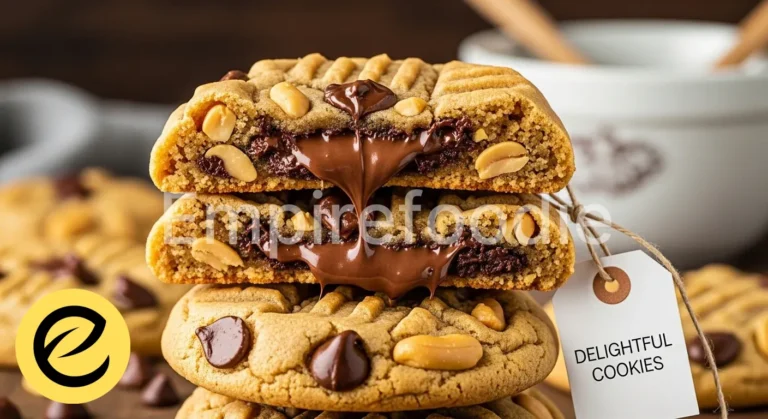
peanut butter chocolate cookies

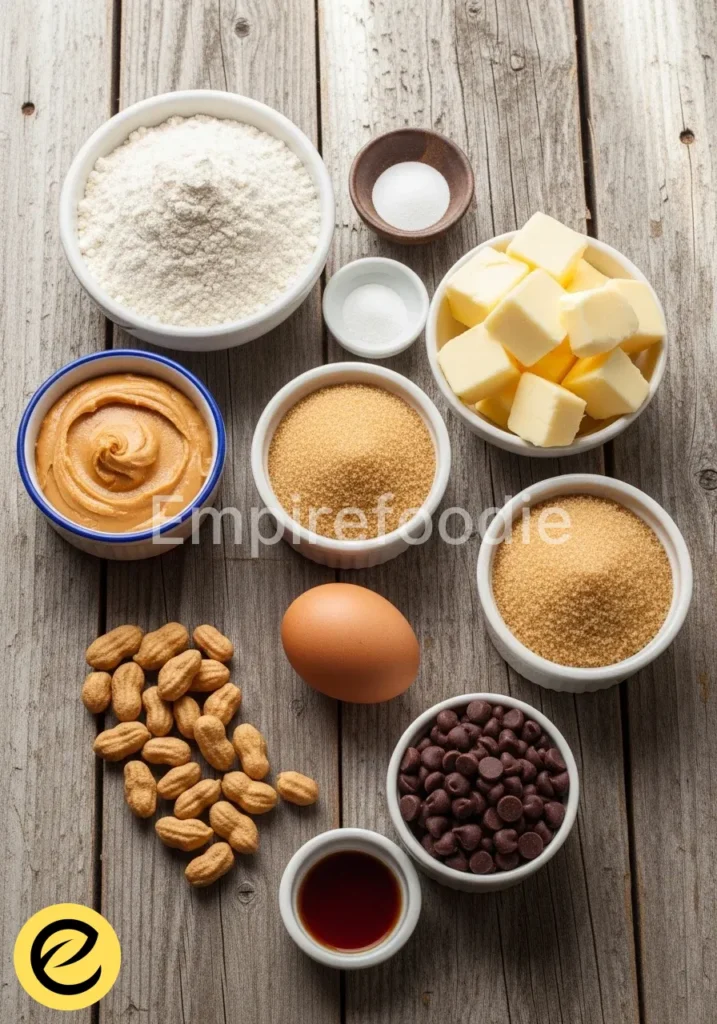
Understanding the role of each ingredient optimizes your baking process. We select specific components to ensure the perfect texture and flavor for your peanut butter chocolate cookies.

  • All-Purpose Flour: The structural backbone of our cookies. We use standard bleached all-purpose flour for a consistent crumb. Its protein content balances chewiness and tenderness.
  • Baking Soda: A leavening agent. When combined with an acidic component (like brown sugar or even residual acids in peanut butter), it produces carbon dioxide, creating a tender, slightly chewy cookie with a desirable spread.
  • Salt: A critical flavor enhancer. Salt not only balances sweetness but also brings out the nutty notes of the peanut butter and deepens the chocolate flavor.
  • Unsalted Butter: Provides richness and contributes to texture. Using unsalted butter allows precise control over the overall salt content of the peanut butter chocolate cookies. Ensure it is softened to room temperature for optimal creaming.
  • Granulated Sugar: Contributes to sweetness and spread. Granulated sugar, being a ‘wet’ ingredient in the creaming process, helps create a crisper edge.
  • Light Brown Sugar: Adds moisture, chewiness, and a subtle caramel note. Its molasses content reacts with baking soda to aid in leavening and also contributes to the desired golden-brown color.
  • Creamy Peanut Butter: The star ingredient. Use a conventional, stabilized creamy peanut butter (like Jif or Skippy) for consistent results. Natural peanut butter often separates, impacting cookie texture unpredictably due to varying oil content. This is key for the structure of your peanut butter chocolate cookies.
  • Large Egg: Acts as a binder and helps with leavening. The protein in the egg contributes to the structure, while the moisture helps hydrate the flour. Ensure it’s at room temperature for better emulsification with fats.
  • Vanilla Extract: A flavor enhancer. Pure vanilla extract deepens the overall flavor profile, complementing both the peanut butter and chocolate.
  • Semi-Sweet Chocolate Chips: The secondary star. Semi-sweet chocolate chips melt beautifully and provide a balanced sweetness against the peanut butter. High-quality chips retain their shape better during baking. For these peanut butter chocolate cookies, ensure you are using good quality chips.

Substitutions & Variations

[ra_display_video url=”https://www.youtube.com/watch?v=FMYJO2P4HRw”]

Modifying this recipe for dietary needs or flavor preferences requires understanding ingredient roles. These substitutions maintain the integrity of your peanut butter chocolate cookies.

  • Gluten-Free Flour: Substitute all-purpose flour with a 1:1 gluten-free baking blend that includes xanthan gum. This maintains structure and prevents excessive crumbling.
  • Dairy-Free Butter: Use a high-quality plant-based butter alternative. Ensure it has a similar fat content to dairy butter for consistent texture.
  • Sugar Alternatives: For reduced sugar, a granulated erythritol blend can replace granulated sugar, and a brown sugar erythritol blend can substitute brown sugar. Adjust baking time as these may behave differently.
  • Nut-Free Option: Replace peanut butter with sunflower seed butter (SunButter) for a delicious, allergen-friendly version. Be aware that sunflower seed butter can sometimes cause a greenish tint when baked with baking soda; this is harmless.
  • Dark Chocolate Chips: For a richer, less sweet cookie, swap semi-sweet chocolate chips for dark chocolate chips (70% cocoa or higher).
  • Protein Boost: Incorporate a scoop of unflavored or vanilla protein powder with your dry ingredients, reducing flour by a proportional amount (e.g., 1/4 cup flour for 1 scoop protein powder), to create protein-enhanced peanut butter chocolate cookies.

If you’re looking to customize your cookie experience, consider checking out our recipe for peanut butter cookies. These variations make it easier to cater to dietary needs while enjoying delicious treats.

Equipment You’ll Need

  • Stand Mixer or Hand Mixer: Essential for creaming butter and sugars effectively, incorporating air for a lighter cookie texture.
  • Large Mixing Bowls: For combining wet and dry ingredients.
  • Measuring Cups and Spoons: Accurate measurements are crucial for consistent baking results.
  • Rubber Spatula: For scraping down bowls and gentle mixing.
  • Baking Sheets: Light-colored baking sheets prevent over-browning of the cookie bottoms.
  • Parchment Paper or Silicone Baking Mats: Ensures even baking, prevents sticking, and simplifies cleanup. Essential for perfectly shaped peanut butter chocolate cookies.
  • Wire Cooling Rack: Allows air circulation for even cooling, preventing soggy bottoms.
  • Cookie Scoop (1.5-2 tablespoon size): Ensures uniform cookie size for even baking.

Step-by-Step Instructions

peanut butter chocolate cookies

Precision in each step ensures perfectly chewy, flavorful peanut butter chocolate cookies every time. Follow these instructions carefully.

  1. Preheat Oven & Prepare Baking Sheets: Preheat your oven to 375°F (190°C). Line two baking sheets with parchment paper or silicone baking mats. This crucial step prevents sticking and promotes even baking.
  2. Whisk Dry Ingredients: In a medium bowl, whisk together the all-purpose flour, baking soda, and salt. Whisking aerates the flour and evenly distributes the leavening agent, ensuring uniform rise and texture in your peanut butter chocolate cookies. Set aside.
  3. Cream Butter and Sugars: In the bowl of a stand mixer fitted with the paddle attachment (or using a hand mixer), cream together the softened unsalted butter, granulated sugar, and light brown sugar on medium speed until light and fluffy. This process incorporates air, which contributes to the cookies’ final texture and spread. This typically takes 2-3 minutes.
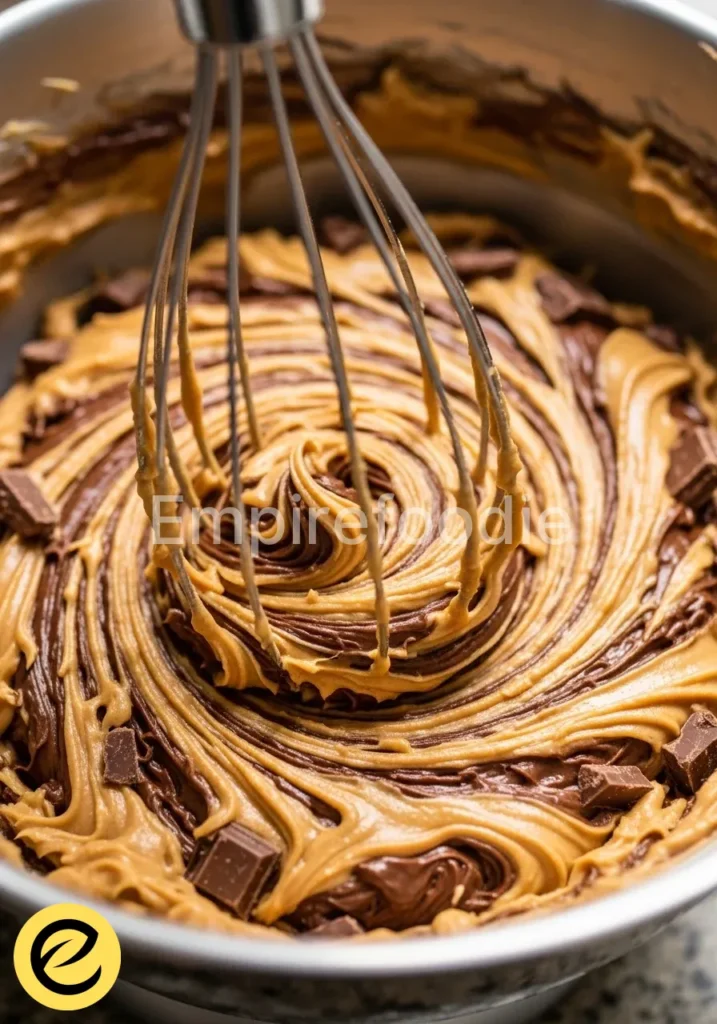
  4. Add Peanut Butter, Egg, and Vanilla: Beat in the creamy peanut butter until fully combined and smooth. Then, add the large egg and vanilla extract, mixing on medium-low speed until just incorporated. Scrape down the sides of the bowl to ensure all ingredients are evenly mixed. Overmixing at this stage can develop gluten too much, leading to tougher cookies.
  5. Incorporate Dry Ingredients: Gradually add the whisked dry ingredients to the wet mixture, mixing on low speed until just combined. Stop mixing as soon as no streaks of flour remain. Overmixing develops gluten, which can result in tough peanut butter chocolate cookies.
  6. Fold in Chocolate Chips: Gently fold in the semi-sweet chocolate chips using a rubber spatula. Distribute them evenly throughout the dough.
  7. Scoop & Bake: Use a cookie scoop to drop rounded tablespoons of dough onto the prepared baking sheets, spacing them about 2 inches apart. Flatten each cookie slightly with the back of a spoon or fork to create the classic crosshatch pattern, if desired. This slight compression aids in even spreading.
  8. Bake Cookies: Bake for 9-12 minutes, or until the edges are lightly golden and the centers are just set. The exact baking time will vary depending on your oven. Do not overbake; the cookies will continue to cook slightly as they cool, ensuring a soft, chewy interior.
  9. Cool: Remove the baking sheets from the oven and let the cookies cool on the sheets for 5 minutes before transferring them to a wire rack to cool completely. This initial cooling on the warm sheet allows them to firm up without breaking. Enjoy your fresh peanut butter chocolate cookies!

Once you’ve perfected the art of cookie baking, you may want to explore more quick and easy desserts like our chocolate mug cake. This delightful dessert complements your cookie creations beautifully.

Pro Tips for Success

  • Ingredient Temperature is Key: Ensure your butter and egg are at room temperature. Room temperature butter creams more efficiently with sugar, incorporating more air, which leads to a lighter, softer cookie. A cold egg can cause the batter to curdle, affecting emulsion.
  • Measure Flour Correctly: Always use the spoon and level method for flour. Spoon flour into your measuring cup and then level it off with a straight edge. Scooping directly from the bag compacts the flour, leading to too much flour and dry, crumbly peanut butter chocolate cookies.
  • Do Not Overmix: Once you add the dry ingredients, mix only until just combined. Overmixing develops gluten, resulting in tough, dense cookies. The goal is a tender crumb.
  • Chill the Dough (Optional but Recommended): For thicker, chewier cookies and enhanced flavor, chill the dough for at least 30 minutes, or up to 24 hours. Chilling solidifies the fat, preventing excessive spread, and allows the flavors to meld, especially in these peanut butter chocolate cookies.
  • Bake in Batches: Avoid overcrowding your baking sheets. This allows for proper air circulation, ensuring even baking and preventing the cookies from steaming instead of baking.
  • Invest in an Oven Thermometer: Oven temperatures can vary significantly from the dial setting. An inexpensive oven thermometer provides accurate readings, preventing under or over-baking.

Storage & Reheating Tips

Proper storage maintains the freshness and chewiness of your peanut butter chocolate cookies. Following these guidelines ensures they remain delightful.

  • Room Temperature: Store cooled cookies in an airtight container at room temperature for up to 3-5 days. Placing a slice of bread in the container can help keep them soft, as the cookies absorb moisture from the bread.
  • Freezing Dough: Scoop cookie dough balls onto a parchment-lined baking sheet and freeze until solid (about 1-2 hours). Transfer the frozen dough balls to a freezer-safe bag and store for up to 3 months. Bake from frozen, adding 2-4 minutes to the baking time.
  • Freezing Baked Cookies: Once completely cooled, place baked peanut butter chocolate cookies in a single layer in an airtight, freezer-safe container or bag, separated by parchment paper, for up to 2 months. Thaw at room temperature.
  • Reheating: For a fresh-from-the-oven experience, reheat cooled or thawed cookies in a preheated oven at 300°F (150°C) for 5-7 minutes, or until warmed through and the chocolate is slightly melty. A quick 10-15 seconds in the microwave also works.

To maintain the freshness of your baked goods, it’s essential to know proper storage techniques, much like those used for digestive biscuits. Proper storage ensures that your peanut butter chocolate cookies stay delicious and chewy.

What to Serve With This Recipe

peanut butter chocolate cookies

These rich peanut butter chocolate cookies pair wonderfully with simple, refreshing, and healthful options that cut through their richness.

  • A Glass of Cold Milk (or Plant-Based Milk): The quintessential pairing. The cool, creamy milk perfectly complements the sweetness and richness of the cookies.
  • Fresh Berries: A bowl of mixed fresh berries (strawberries, blueberries, raspberries) offers a light, tart counterpoint to the sweet cookies.
  • Greek Yogurt: A dollop of plain Greek yogurt provides a tangy, protein-rich contrast.
  • Green Tea or Herbal Infusion: Unsweetened green tea or a light herbal tea can cleanse the palate, allowing the flavors of the peanut butter chocolate cookies to shine without being overwhelming.
  • Fruit Salad: A simple fruit salad with a light citrus dressing adds freshness and vitamins.

Frequently Asked Questions (FAQ)

Can I use natural peanut butter for these peanut butter chocolate cookies?

Adam Dino here. While natural peanut butter is technically usable, I advise against it for optimal texture. Natural peanut butter, lacking stabilizers, separates oil more readily.

This variability in oil content directly affects the fat-to-solids ratio in your dough, which is critical for consistent cookie spread and chewiness. For predictable, perfectly textured peanut butter chocolate cookies, stick with conventional, stabilized creamy peanut butter.

Why did my peanut butter chocolate cookies spread too much?

Excessive spread typically results from several factors. Your butter might have been too soft, or you might have used too much. Insufficient flour, an oven that isn’t hot enough (causing slow melting before setting), or not chilling the dough can also contribute.

Ensuring accurate measurements and chilling the dough for at least 30 minutes solidifies the fat, preventing premature spread and preserving the cookie’s structure. Also, avoid over-greasing your baking sheets.

How can I make these peanut butter chocolate cookies chewier?

To achieve a chewier texture for your peanut butter chocolate cookies, focus on two key elements. Firstly, increase the proportion of brown sugar to granulated sugar. Brown sugar contains molasses, which adds moisture and inhibits gluten development, resulting in a softer, chewier crumb.

Secondly, avoid overbaking. Pull the cookies from the oven when the edges are set but the centers still look slightly underdone. They will continue to firm up as they cool on the hot baking sheet.

Peanut butter chocolate cookies are a beloved treat that combine the rich, nutty flavor of peanut butter with the sweet indulgence of chocolate. This classic dessert reflects the versatility of cookies and their ability to adapt to various flavors and dietary needs, highlighting their popularity in home baking as a popular dessert.

Final Thoughts

Mastering these peanut butter chocolate cookies transcends mere baking; it’s an exercise in culinary precision. Each ingredient, each step, plays a vital role in crafting their perfect balance of rich flavor and satisfying texture. You’re not just making cookies; you’re applying scientific principles to create pure indulgence. Enjoy the remarkable results!

Nutrition Information (per serving)

Based on approximately 24 cookies per recipe.

NutrientAmount
Calories180 kcal
Total Fat10g
Saturated Fat5g
Cholesterol20mg
Sodium100mg
Total Carbohydrates20g
Dietary Fiber1g
Total Sugars15g
Protein3g

peanut butter chocolate cookies

Prep Time 20 minutes
Cook Time 12 minutes
Total Time 32 minutes
Servings 24 cookies servings
Calories 180
These peanut butter chocolate cookies perfectly balance creamy peanut butter with sweet chocolate, offering a tender, chewy texture with melty chocolate pockets.

Ingredients

  • 1 cup all-purpose flour
  • 1/2 teaspoon baking soda
  • 1/4 teaspoon salt
  • 1/2 cup unsalted butter, softened
  • 1/2 cup granulated sugar
  • 1/2 cup light brown sugar, packed
  • 1 cup creamy peanut butter
  • 1 large egg
  • 1 teaspoon vanilla extract
  • 1 cup semi-sweet chocolate chips

Instructions 

  • Preheat your oven to 375°F (190°C) and line two baking sheets with parchment paper.
  • In a medium bowl, whisk together the flour, baking soda, and salt.
  • In a stand mixer, cream the softened butter, granulated sugar, and light brown sugar until light and fluffy.
  • Add the peanut butter, egg, and vanilla extract, mixing until just combined.
  • Gradually add the dry ingredients to the wet mixture, mixing until just combined.
  • Fold in the chocolate chips with a spatula.
  • Scoop rounded tablespoons of dough onto the baking sheets, spacing them about 2 inches apart.
  • Bake for 9-12 minutes until edges are lightly golden and centers are just set.
  • Allow cooling on the baking sheet for 5 minutes before transferring to a wire rack.

Notes

Make sure to use standard, stabilized creamy peanut butter for best results. Room temperature ingredients help in achieving a better texture.
Calories: 180kcal
Course: Dessert
Cuisine: American
Keyword: chocolate, cookies, dessert, peanut butter

Experience the rich, decadent flavor of chocolate combined with an unbelievably moist, tender crumb in every bite. This isn’t just a dessert; it’s a testament to how truly delicious and satisfying a truly healthy chocolate cake can be. Forget dry, crumbly alternatives often associated with healthier baking.

We have scientifically engineered this recipe to deliver maximum pleasure without compromising nutritional integrity. Discover the precise principles behind crafting this perfect, wholesome healthy chocolate cake.

Table of Contents

Why You’ll Love This Recipe

This recipe transforms the concept of indulgent dessert into a guilt-free pleasure. Its meticulous design ensures every slice offers profound satisfaction.

  • Unrivaled Flavor Profile: Achieve deep chocolate notes without excessive sugar.
  • Remarkable Moistness: Experience a tender, fudgy texture often elusive in healthy chocolate cake recipes.
  • Nutrient-Dense Ingredients: Each component is selected for its health benefits, enhancing overall well-being.
  • Effortless Execution: Designed for simplicity, ensuring successful results even for novice bakers.
  • Versatile & Adaptable: Easily customize to fit various dietary needs while maintaining quality.

Ingredients You’ll Need

healthy chocolate cake

Ingredient selection is paramount to both the flavor and nutritional profile of any healthy chocolate cake. We prioritize whole, unprocessed items for optimal results, understanding their precise roles in the final structure and taste.

  • Dry Ingredients:
    • 1 ½ cups whole wheat pastry flour (or a 50/50 blend of whole wheat flour and all-purpose flour)
    • ¾ cup unsweetened cocoa powder (Dutch-processed for darker color and smoother flavor)
    • 1 teaspoon baking soda (sodium bicarbonate)
    • ½ teaspoon baking powder (double-acting)
    • ½ teaspoon fine sea salt
  • Wet Ingredients:
    • 1 cup unsweetened almond milk (or other plant-based milk)
    • ½ cup maple syrup (pure, Grade A amber)
    • ¼ cup unsweetened applesauce (no sugar added)
    • ¼ cup extra virgin olive oil (mild flavor)
    • 1 tablespoon vanilla extract (pure)
    • 1 teaspoon apple cider vinegar (reacts with baking soda)
  • Optional Mix-ins/Toppings:
    • ½ cup dark chocolate chips (70% cacao or higher)
    • Fresh berries for garnish

Substitutions & Variations

[ra_display_video url=”https://www.youtube.com/watch?v=xLZWQ1nDOiY”]

Understanding the function of each ingredient allows for intelligent substitutions without compromising the integrity of your healthy chocolate cake. These swaps are carefully chosen to maintain nutritional value and textural quality.

  • Flour: For a gluten-free healthy chocolate cake, substitute the whole wheat pastry flour with a 1:1 gluten-free baking blend that contains xanthan gum. This gum provides the necessary structure and elasticity often missing in gluten-free flours, preventing a crumbly texture.
  • Sweetener: If you prefer a different natural sweetener, agave nectar or date syrup can replace maple syrup at a 1:1 ratio. Adjust sweetness to taste, understanding that these can alter the final moisture content slightly due to their varying water activity.
  • Fat: Avocado oil or melted coconut oil (ensure it’s liquid when measuring) can be used instead of olive oil. Avocado oil offers a neutral flavor profile, while coconut oil imparts a subtle tropical note, impacting the overall sensory experience of this healthy chocolate cake.
  • Milk: Any plant-based milk (soy, oat, cashew) works perfectly. The protein and fat content in various milks can slightly influence the crumb structure, but for a healthy chocolate cake, the impact is minimal.
  • Add-ins: Incorporate a pinch of instant espresso powder (½ teaspoon) to enhance the chocolate flavor without adding a coffee taste. For textural variety, add chopped nuts like walnuts or pecans, providing healthy fats and satisfying crunch.

Understanding the function of each ingredient allows for intelligent substitutions without compromising the integrity of your healthy chocolate cake. For a delicious twist, consider checking out this chocolate bundt cake recipe which utilizes similar ingredients for a rich flavor.

Equipment You’ll Need

Having the correct tools ensures precision and efficiency in your baking process, critical for achieving the desired results for your healthy chocolate cake.

  • 9-inch round cake pan (with parchment paper lining)
  • Large mixing bowl
  • Medium mixing bowl
  • Whisk
  • Rubber spatula
  • Measuring cups and spoons
  • Cooling rack

Step-by-Step Instructions

healthy chocolate cake

Precision in execution ensures the chemical reactions within your healthy chocolate cake batter proceed optimally, leading to a perfectly risen and moist product.

  1. Preheat & Prepare: Preheat your oven to 350°F (175°C). Lightly grease and flour a 9-inch round cake pan, then line the bottom with parchment paper. This preparation prevents sticking and ensures an easy release, crucial for delicate cakes.
  2. Combine Dry Ingredients: In a large mixing bowl, whisk together the whole wheat pastry flour, cocoa powder, baking soda, baking powder, and sea salt. Thorough whisking disperses the leavening agents evenly, preventing pockets of unmixed ingredients and ensuring uniform rise in your healthy chocolate cake.
  3. Combine Wet Ingredients: In a separate medium bowl, whisk together the almond milk, maple syrup, unsweetened applesauce, olive oil, vanilla extract, and apple cider vinegar. The vinegar reacts immediately with the baking soda when combined, producing carbon dioxide gas for lift.
  4. Integrate Wet into Dry: Pour the wet ingredient mixture into the dry ingredients. Use a rubber spatula to mix until just combined. Overmixing develops gluten, leading to a tough, dense healthy chocolate cake, so stop as soon as no dry streaks remain.
  5. Fold in Chocolate Chips (Optional): If using, gently fold in the dark chocolate chips. Ensure even distribution without overworking the batter.
  6. Bake: Pour the batter into the prepared cake pan. Bake for 30-35 minutes, or until a wooden skewer inserted into the center comes out clean. Baking time may vary slightly depending on your oven’s calibration.
  7. Cool: Allow the healthy chocolate cake to cool in the pan for 10-15 minutes on a wire rack. This initial cooling period allows the cake structure to set, preventing crumbling when inverted.
  8. Invert & Finish Cooling: Carefully invert the cake onto the wire rack, remove the parchment paper, and let it cool completely before slicing. Cooling completely ensures the crumb structure fully stabilizes, enhancing flavor and texture.

Precision in execution ensures the chemical reactions within your healthy chocolate cake batter proceed optimally, leading to a perfectly risen and moist product. You might also enjoy exploring the intricacies of baking with these brown butter cookies that emphasize the importance of technique.

Pro Tips for Success

Elevate your baking prowess with these insights into the scientific principles behind a perfect healthy chocolate cake. Understanding the ‘why’ transforms cooking from mere instruction following to informed craftsmanship.

  • Ingredient Temperature: Ensure all wet ingredients are at room temperature. This promotes better emulsification, creating a smoother batter and a more uniform, tender crumb in your healthy chocolate cake. Cold ingredients can cause fats to solidify and prevent proper mixing.
  • Accurate Measurement: Baking is a precise science. Use a kitchen scale for flour and cocoa powder to ensure exact measurements by weight, rather than volume, for consistent results. Variations in density can significantly alter the dry-to-wet ratio.
  • Don’t Overmix: Overmixing flour develops gluten, leading to a tough, chewy texture. Mix only until the ingredients are just combined. This preserves the delicate, moist crumb characteristic of a superior healthy chocolate cake.
  • Dutch-Processed Cocoa: Opt for Dutch-processed cocoa powder. Its neutral pH results in a darker color and a smoother, less acidic chocolate flavor, which harmonizes beautifully with the leavening agents, particularly the baking soda and apple cider vinegar in this healthy chocolate cake recipe.
  • Parchment Paper: Always use parchment paper on the bottom of your cake pan. This acts as a non-stick barrier, guaranteeing your healthy chocolate cake releases cleanly every time, preserving its aesthetic and structural integrity.

Storage & Reheating Tips

Proper storage is crucial for maintaining the freshness, texture, and flavor of your healthy chocolate cake. Understanding moisture migration and oxidation helps prolong its deliciousness.

  • Room Temperature: Store leftover healthy chocolate cake tightly wrapped in plastic wrap or in an airtight container at room temperature for up to 2-3 days. The airtight seal prevents moisture loss and protects against environmental odors, maintaining the cake’s tenderness.
  • Refrigeration: For longer storage, refrigerate the healthy chocolate cake in an airtight container for up to 5 days. Chilling can slightly alter the texture, making it denser. Allow it to come to room temperature before serving for optimal flavor and softness.
  • Freezing: To freeze, wrap individual slices or the entire healthy chocolate cake tightly in plastic wrap, then an additional layer of aluminum foil. Freeze for up to 3 months. The double wrapping prevents freezer burn, which is dehydration caused by exposure to cold, dry air.
  • Reheating: Thaw frozen cake in the refrigerator overnight. To serve warm, individual slices can be gently heated in a microwave for 15-30 seconds. Be cautious not to overheat, as this can dry out the cake.

Proper storage is crucial for maintaining the freshness, texture, and flavor of your healthy chocolate cake. If you’re a fan of rich desserts, try storing it like a decadent lava cake to ensure maximum enjoyment.

What to Serve With This Recipe

healthy chocolate cake

Enhance the experience of this healthy chocolate cake by pairing it with complementary, health-conscious options. These pairings offer balance and additional nutritional benefits.

  • Fresh Berry Medley: A vibrant bowl of mixed berries (strawberries, blueberries, raspberries) provides antioxidants and natural sweetness, cutting through the richness of the chocolate.
  • Greek Yogurt Dollop: A spoonful of plain Greek yogurt adds a creamy tang and a boost of protein, making the dessert feel more substantial and balanced.
  • Light Fruit Compote: A homemade, unsweetened fruit compote (apple, pear, or cherry) offers a soft, warm counterpoint and additional fiber.
  • Nut Butter Drizzle: A light drizzle of almond or cashew butter introduces healthy fats and a nutty flavor dimension, complementing the chocolate perfectly.
  • Herbal Tea: A soothing cup of mint, chamomile, or ginger tea provides a refreshing palate cleanser, rounding out the meal without adding extra calories or sugar.

Frequently Asked Questions (FAQ)

Can I make this healthy chocolate cake ahead of time?

Absolutely. This healthy chocolate cake recipe benefits from a day of rest, allowing the flavors to meld and deepen. Prepare it one day in advance, store it properly, and serve it fresh. Its structural integrity holds well, ensuring a delicious experience.

Is this healthy chocolate cake suitable for special diets?

Yes, this recipe is inherently dairy-free and can be easily adapted to be gluten-free by using a suitable 1:1 gluten-free flour blend. It is also naturally egg-free, making it a versatile option for various dietary needs and restrictions without significant modification.

Why is apple cider vinegar included in the recipe?

The apple cider vinegar is not for flavor but acts as a crucial acid to activate the baking soda. This acid-base reaction produces carbon dioxide gas, which creates air pockets, ensuring a light, fluffy, and tender crumb in your healthy chocolate cake. Without it, the cake would be dense and flat.

A healthy chocolate cake is a dessert that incorporates healthier ingredients, making it a nutritious yet indulgent option. By focusing on wholesome components, this cake offers a satisfying alternative that caters to those seeking better-for-you options in their diet, as detailed in the cake articles.

Final Thoughts

This healthy chocolate cake transcends mere dessert. It represents a mindful approach to indulgence, proving that rich flavor and nutritional value can harmoniously coexist. Its tender crumb and deep chocolate notes offer pure satisfaction, elevating the very concept of a wholesome treat.

Nutrition Information (per serving)

The following is an estimated nutritional breakdown for one serving of this healthy chocolate cake, based on 12 servings per cake. Values may vary based on exact ingredients and portion sizes.

NutrientAmount
Calories250 kcal
Total Fat10g
Saturated Fat1.5g
Cholesterol0mg
Sodium210mg
Total Carbohydrates35g
Dietary Fiber4g
Total Sugars18g
Protein5g

healthy chocolate cake

Prep Time 15 minutes
Cook Time 35 minutes
Total Time 50 minutes
Servings 12 servings servings
Calories 250
Experience the rich, decadent flavor of chocolate combined with an unbelievably moist, tender crumb in every bite. This healthy chocolate cake transforms the concept of indulgent dessert into a guilt-free pleasure.

Ingredients

  • 1 ½ cups whole wheat pastry flour (or 50/50 blend with all-purpose flour)
  • ¾ cup unsweetened cocoa powder
  • 1 teaspoon baking soda
  • ½ teaspoon baking powder
  • ½ teaspoon fine sea salt
  • 1 cup unsweetened almond milk
  • ½ cup pure maple syrup
  • ¼ cup unsweetened applesauce
  • ¼ cup extra virgin olive oil
  • 1 tablespoon pure vanilla extract
  • 1 teaspoon apple cider vinegar
  • ½ cup dark chocolate chips (optional)
  • Fresh berries for garnish (optional)

Instructions 

  • Preheat your oven to 350°F (175°C). Grease and flour a 9-inch round cake pan and line the bottom with parchment paper.
  • In a large mixing bowl, whisk together the whole wheat pastry flour, cocoa powder, baking soda, baking powder, and sea salt.
  • In a separate medium bowl, whisk together the almond milk, maple syrup, applesauce, olive oil, vanilla extract, and apple cider vinegar.
  • Pour the wet ingredients into the dry ingredients and mix until just combined. Avoid overmixing.
  • If using, gently fold in the dark chocolate chips.
  • Pour the batter into the prepared cake pan. Bake for 30-35 minutes until a skewer comes out clean.
  • Cool the cake in the pan for 10-15 minutes, then invert onto a wire rack to cool completely.

Notes

Store the cake at room temperature for up to 2-3 days, or refrigerate for up to 5 days. Can be frozen for up to 3 months.
Calories: 250kcal
Course: Dessert
Cuisine: American
Keyword: cake, chocolate, dessert, healthy

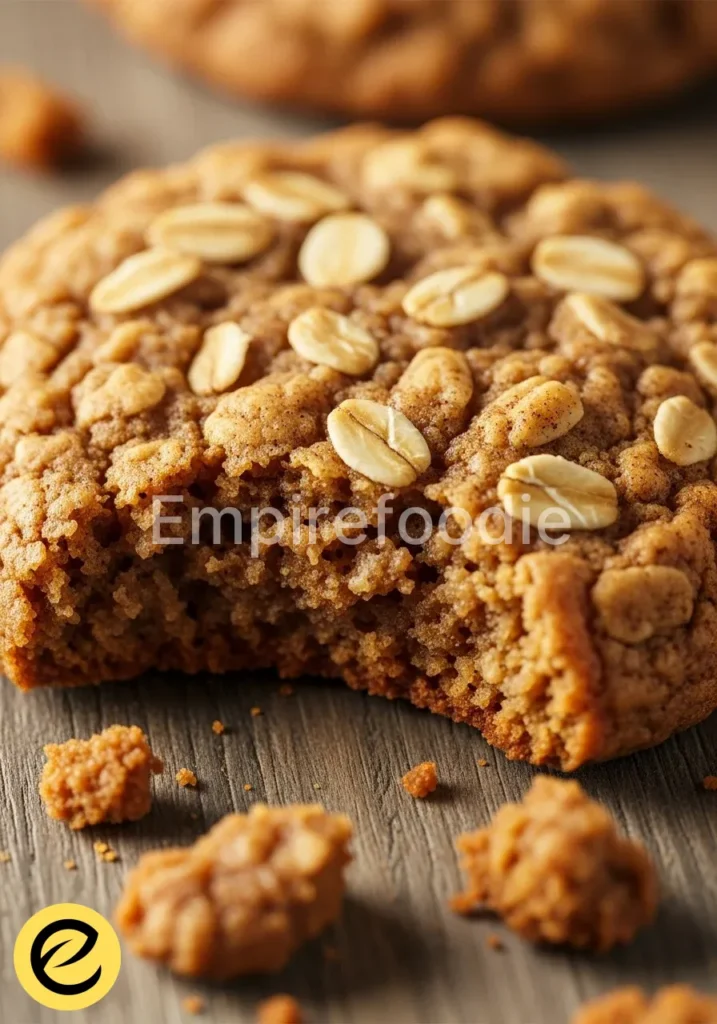
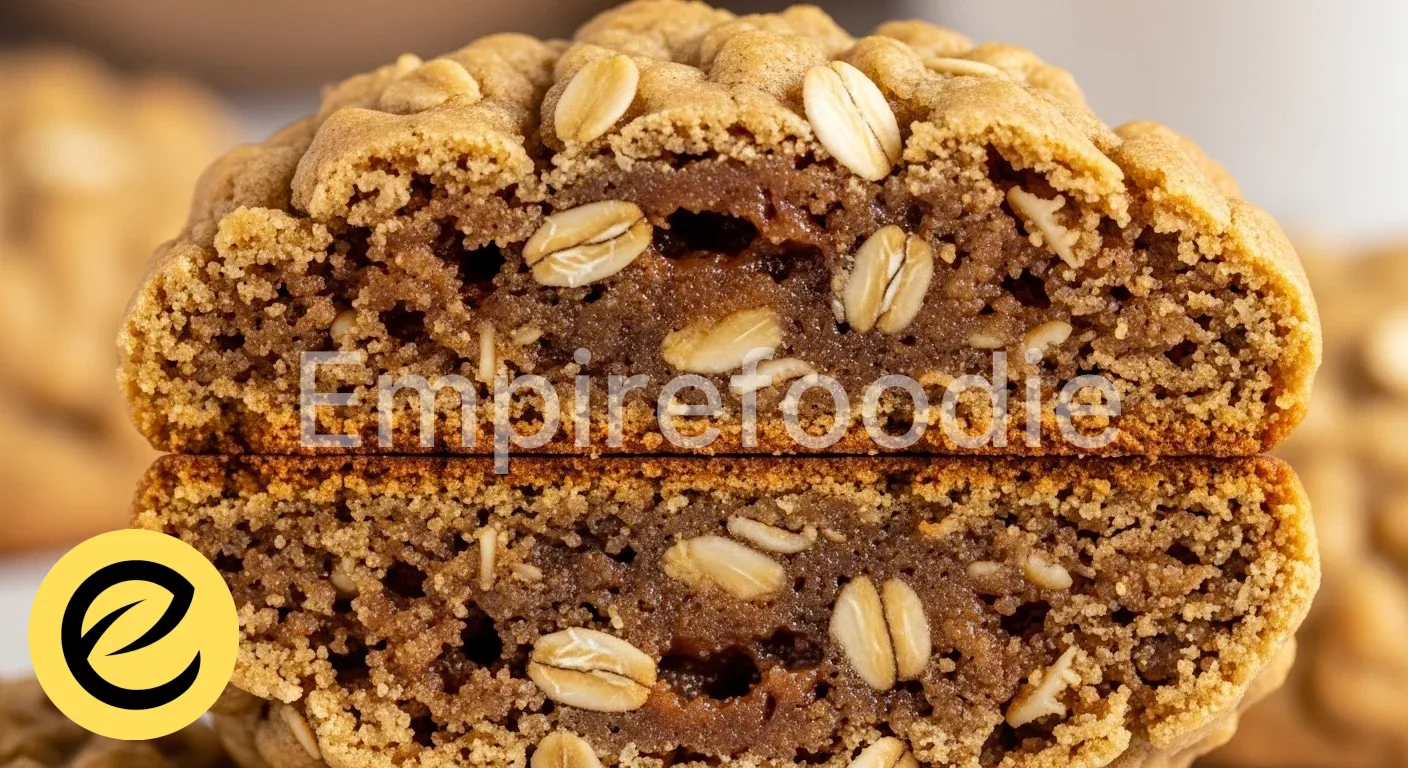
The pursuit of a perfectly balanced cookie often leads us to the venerable oatmeal cookie. These delightful treats offer a unique textural interplay: a tender chewiness from the oats, a slight crisp at the edges, and a comforting sweetness that isn’t cloying. Crafting exceptional oatmeal cookies involves understanding the scientific principles behind ingredient interaction and baking dynamics. Prepare to master the art of these wholesome, satisfying morsels.

Table of Contents

Why You’ll Love These Oatmeal Cookies

  • Flavor: Deeply caramelized notes harmonize with earthy oat undertones.
  • Texture: The ideal balance of chewy interior and slightly crisp perimeter.
  • Ease: Straightforward methodology, minimal specialized equipment required.
  • Health: Enhanced fiber content from rolled oats promotes digestive wellness.

Ingredients You’ll Need

oatmeal cookies

Ingredient quality profoundly impacts the final product. Each component plays a crucial role in the chemistry of these oatmeal cookies.

  • Unsalted Butter: 1 cup (2 sticks), softened. Its fat content provides tenderness and carries fat-soluble flavor compounds. Unsalted butter allows precise salt control.
  • Granulated Sugar: ½ cup. Contributes to spread and crispness, and acts as a tenderizer by interfering with gluten formation.
  • Brown Sugar: 1 cup (packed). Adds moisture, chewiness, and a deeper, molasses-rich flavor profile due to its hygroscopic nature, attracting and retaining water molecules.
  • Large Egg: 1. Acts as an emulsifier, binding agents, and contributes to the structural integrity and richness of the oatmeal cookies.
  • Vanilla Extract: 1 teaspoon. A potent flavor enhancer; its alcohol content helps distribute aromatic compounds evenly.
  • All-Purpose Flour: 1½ cups. Provides structural integrity through gluten development, which forms the cookie’s matrix.
  • Baking Soda: 1 teaspoon. A chemical leavener, reacting with the acidic brown sugar and moisture to produce carbon dioxide, creating lift and aeration.
  • Ground Cinnamon: 1 teaspoon. An aromatic spice that perfectly complements the oats and sugars, adding complexity to the oatmeal cookies.
  • Salt: ½ teaspoon. Balances sweetness, enhances other flavors, and controls yeast activity (though not a primary concern here, it is a crucial flavor potentiator).
  • Rolled Oats: 3 cups (old-fashioned). The primary structural and textural component, providing chewiness and fiber. Their larger surface area holds moisture effectively.
  • Optional: Chocolate Chips or Raisins: 1 cup. For added flavor and texture variation in your oatmeal cookies.

Substitutions & Variations

[ra_display_video url=”https://www.youtube.com/watch?v=kSvexYR2w6E”]

For gluten-free oatmeal cookies, swap to a 1:1 gluten-free flour blend. Reduce fat by replacing a quarter of the butter with unsweetened applesauce. Vegan bakers can substitute eggs with flax eggs. Opt for coconut sugar for a lower glycemic sweetener.

If you are interested in exploring alternatives for gluten-free baking, consider trying oatmeal chocolate bars which offer a similar delightful taste without the gluten. Check out this recipe on oatmeal chocolate bars for a delicious twist!

Equipment You’ll Need

  • Large mixing bowl
  • Electric mixer (stand or hand mixer)
  • Rubber spatula
  • Measuring cups and spoons
  • Baking sheets
  • Parchment paper or silicone baking mats
  • Wire cooling rack
  • Cookie scoop (1.5-2 tablespoon capacity)

Step-by-Step Instructions

oatmeal cookies
  1. Preparation: Preheat your oven to 375°F (190°C). Line two baking sheets with parchment paper or silicone mats. This prevents sticking and ensures more even heat distribution across the bottom of the oatmeal cookies.
  2. Cream Butter and Sugars: In a large mixing bowl, using an electric mixer on medium speed, cream together the softened unsalted butter, granulated sugar, and brown sugar for 2-3 minutes. Continue until the mixture is light and fluffy. This process, known as creaming, incorporates air bubbles into the fat, which expands during baking, creating a tender crumb structure for your oatmeal cookies.
  3. Add Wet Ingredients: Beat in the large egg and vanilla extract until just combined. Mix only until the yolk disappears. Overmixing at this stage can prematurely develop gluten or incorporate too much air, which might lead to structural issues in the finished oatmeal cookies.
  4. Combine Dry Ingredients: In a separate medium bowl, whisk together the all-purpose flour, baking soda, ground cinnamon, and salt. Whisking ensures that the leavening agents and spices are evenly distributed throughout the dry mixture, preventing pockets of unmixed ingredients in your oatmeal cookies.
  5. Combine Wet and Dry: Gradually add the whisked dry ingredients to the wet ingredients. Mix on low speed until just combined. The critical moment to stop is when no streaks of dry flour remain. Excessive mixing activates gluten development, resulting in tough, cake-like oatmeal cookies instead of the desired chewy texture.
  6. Fold in Oats: Gently fold in the old-fashioned rolled oats with a rubber spatula until they are evenly distributed throughout the dough. Avoid aggressive mixing, which can crush the oats and compromise their textural contribution to the oatmeal cookies. If adding optional chocolate chips or raisins, fold them in now.
  7. Scoop Dough: Use a cookie scoop to drop rounded tablespoons of dough onto the prepared baking sheets, spacing them approximately 2 inches apart. Uniform scoops are paramount for consistent baking times and even browning across all your oatmeal cookies.
  8. Bake: Bake for 10-12 minutes, or until the edges of the oatmeal cookies are golden brown and the centers appear just set but still slightly soft. Baking duration is critical; do not overbake. Slight underbaking ensures a soft, chewy interior, as the oatmeal cookies will continue to cook slightly from residual heat on the baking sheet.
  9. Cool: Allow the baked oatmeal cookies to cool on the baking sheets for 5 minutes before carefully transferring them to a wire rack to cool completely. This initial cooling period allows the internal structure of the oatmeal cookies to firm up, preventing breakage during transfer.

For those who enjoy rich and chewy desserts, chocolate chip cookie bars are another fantastic option that combines familiar flavors. You can find a great recipe for these delightful treats at chocolate chip cookie bars.

Pro Tips for Success

  • Butter Plasticity: Ensure your butter is truly softened, not melted. Softened butter maintains its crystalline structure, which is essential for trapping air during the creaming process. Melted butter leads to a dense, greasy cookie with excessive spread, lacking the characteristic chewiness of great oatmeal cookies.
  • Brown Sugar’s Role: The ratio of brown sugar to granulated sugar directly influences chewiness. Brown sugar, due to its molasses content, is hygroscopic, meaning it attracts and retains moisture. A higher brown sugar content ensures moister, chewier oatmeal cookies, while granulated sugar contributes to crispness and spread.
  • Gluten Management: The most common error leading to tough oatmeal cookies is overmixing after flour addition. Gluten, once hydrated, develops elasticity. Excessive mixing strengthens this gluten network, resulting in a cake-like, rather than chewy, texture. Mix only until just combined.
  • Dough Hydration (Chilling): Chilling the dough for at least 30 minutes, or ideally several hours or overnight, allows the flour to fully hydrate. This process, known as osmosis, enables the flour proteins to absorb moisture more completely, resulting in a more uniform texture. Chilling also solidifies the fat, preventing excessive spread during baking and leading to thicker, chewier oatmeal cookies with enhanced flavor.
  • Oven Temperature Accuracy: Invest in an oven thermometer. Commercial oven thermostats often deviate significantly from their set temperature. An accurately calibrated oven is crucial for consistent results, preventing under- or over-baking of your oatmeal cookies, both of which negatively impact texture.
  • Oat Selection: Always use old-fashioned rolled oats. Quick oats are pre-steamed, rolled thinner, and cut finer, meaning they absorb less moisture and offer less textural contrast. For the definitive chewiness of oatmeal cookies, old-fashioned oats are non-negotiable.
  • Salt’s Counterpoint: Do not omit or reduce the salt. Salt is not merely a flavor enhancer but a critical balancing agent. It modulates the perception of sweetness, preventing the oatmeal cookies from tasting cloyingly sweet and elevating the subtle nuances of cinnamon and vanilla.

Storage & Reheating Tips

Store cooled oatmeal cookies in an airtight container at room temperature for up to 3-4 days. To maintain softness, a culinary trick involves placing a slice of plain bread (such as white sandwich bread) in the container with the cookies; the bread will gradually lose moisture, which the oatmeal cookies will absorb, preserving their tender texture. For longer preservation, freeze baked oatmeal cookies for up to 3 months.

Arrange them in a single layer on a baking sheet to flash freeze, then transfer to an airtight container or freezer bag, separating layers with parchment paper. Thaw at room temperature. To restore a fresh-baked warmth, reheat briefly in a microwave (5-10 seconds) or a low oven (250°F/120°C for 5 minutes).

To keep your cookies fresh and soft for longer, you might want to consider tips involving milk chocolate bars that can enhance their flavor. Learn how to preserve your baked goods by visiting milk chocolate bars for some creative ideas.

What to Serve With This Recipe

oatmeal cookies

Elevate your oatmeal cookies experience with considered pairings. A small bowl of plain Greek yogurt offers protein and balances sweetness. A vibrant fresh fruit salad, featuring berries or sliced pears, provides complementary natural sugars and fiber. For beverages, unsweetened herbal tea or black coffee enhances the spice notes and cuts through richness, allowing the complex flavors of the oatmeal cookies to shine.

Frequently Asked Questions (FAQ)

How do I prevent my oatmeal cookies from spreading too much?

Preventing excessive spread in oatmeal cookies involves a few key variables. First, ensure your butter is softened, not melted, to properly emulsify and trap air. Secondly, chilling the dough for at least 30 minutes solidifies the fat, making it less prone to spreading rapidly in the oven. Finally, verify your oven temperature with an oven thermometer; an oven that runs too cool will allow the fat to melt and spread before the cookie’s structure sets.

Can I use quick oats instead of old-fashioned rolled oats?

While technically possible, Adam Dino strongly advises against using quick oats for optimal texture in these oatmeal cookies. Quick oats are pre-cooked, thinner, and more finely chopped. This results in a softer, less substantial cookie that lacks the distinct chewiness and textural integrity provided by old-fashioned rolled oats. For a truly satisfying oatmeal cookie, the robust structure of old-fashioned rolled oats is paramount.

What makes these oatmeal cookies chewy?

The chewiness in these oatmeal cookies is a direct result of several synergistic factors. The high proportion of brown sugar, with its molasses content and hygroscopic nature, contributes significantly to moisture retention. The use of old-fashioned rolled oats, with their larger surface area and thickness, provides a resilient structure that resists crumbling. Lastly, precise baking, removing the cookies when their edges are set but their centers remain slightly soft, prevents over-drying and ensures that signature pliable texture.

Oatmeal cookies are a popular and nutritious treat made from oats, flour, and various sweeteners or add-ins. They are often considered healthier than standard cookies due to their high fiber content, which can be beneficial for digestion; learn more about their benefits in this comprehensive article.

Final Thoughts

Mastering these oatmeal cookies transcends mere baking; it’s an exercise in culinary understanding. Each ingredient, every precise step, contributes to the symphony of texture and flavor. Embrace the science, savor the process, and delight in creating exceptional oatmeal cookies, comforting yet analytically satisfying.

Nutrition Information (per serving)

Approximate values based on 24 servings per recipe.

NutrientAmount (per serving)
Calories180 kcal
Total Fat8g
Saturated Fat4g
Cholesterol20mg
Sodium110mg
Total Carbohydrates25g
Dietary Fiber2g
Total Sugars15g
Protein2g

oatmeal cookies

Prep Time 20 minutes
Cook Time 12 minutes
Total Time 32 minutes
Servings 24 cookies servings
Calories 180
Delightful oatmeal cookies with a unique textural interplay: tender chewiness from oats, a slight crisp at the edges, and comforting sweetness.

Ingredients

  • 1 cup unsalted butter, softened
  • ½ cup granulated sugar
  • 1 cup brown sugar, packed
  • 1 large egg
  • 1 teaspoon vanilla extract
  • 1½ cups all-purpose flour
  • 1 teaspoon baking soda
  • 1 teaspoon ground cinnamo
  • ½ teaspoon salt
  • 3 cups old-fashioned rolled oats
  • 1 cup chocolate chips or raisins (optional)

Instructions 

  • Preheat the oven to 375°F (190°C) and line baking sheets with parchment paper.
  • In a large mixing bowl, cream together the butter, granulated sugar, and brown sugar until light and fluffy.
  • Beat in the egg and vanilla extract until just combined.
  • Whisk together the flour, baking soda, cinnamon, and salt in a separate bowl.
  • Gradually add dry ingredients to wet ingredients and mix until just combined.
  • Gently fold in the rolled oats and optional chocolate chips or raisins.
  • Scoop rounded tablespoons of dough onto prepared baking sheets, spacing them about 2 inches apart.
  • Bake for 10-12 minutes until edges are golden brown and centers are slightly soft.
  • Cool on baking sheets for 5 minutes before transferring to a wire rack.

Notes

Store cookies in an airtight container at room temperature for 3-4 days. For longer storage, freeze cookies for up to 3 months. Chilling the dough for at least 30 minutes can improve texture. Ensure butter is softened, not melted.
Calories: 180kcal
Course: Dessert
Cuisine: American
Keyword: chewy, cookies, dessert, oatmeal, sweet

Experience the profound delight of truly exceptional chocolate sugar cookies. This recipe meticulously guides you through crafting treats that boast an intense cocoa flavor and a perfectly tender, melt-in-your-mouth texture. We delve into the precise techniques and culinary science required, ensuring your chocolate sugar cookies achieve consistent, professional-grade results every time. Prepare to bake cookies that are both profoundly satisfying and technically perfect.

Table of Contents

Why You’ll Love This Recipe

  • Achieve consistently tender, deeply flavored chocolate sugar cookies.
  • Master precise baking techniques for professional-grade results effortlessly.
  • Utilize wholesome ingredients for a balanced treat, offering nuanced flavor.
  • Demystify the scientific principles behind perfect cookie structure and texture.

Ingredients You’ll Need

chocolate sugar cookies

Ingredient quality directly correlates with final product excellence. Choose premium cocoa for profound chocolate flavor and fresh dairy for optimal emulsion stability. Precision in measurement is paramount.

  • Unsalted Butter: 1 cup (226g), softened to precisely 68°F (20°C). This specific temperature ensures proper creaming and aeration without compromising emulsion stability.
  • Granulated Sugar: 1 ½ cups (300g). Its crystalline structure contributes to spread and browning through the Maillard reaction.
  • Light Brown Sugar: ½ cup (100g), packed. The molasses content adds moisture, chewiness, and a subtle caramel note, complementing the deep chocolate.
  • Large Eggs: 2, at room temperature. Emulsifiers, they bind ingredients and add richness; room temperature facilitates even incorporation.
  • Vanilla Extract: 2 teaspoons. Essential for enhancing chocolate’s complexity, not merely masking flavors.
  • All-Purpose Flour: 2 ¾ cups (350g), spooned and leveled. The primary structural component, its protein content dictates chewiness versus tenderness.
  • Unsweetened Cocoa Powder: ¾ cup (64g), Dutch-processed for a darker color and milder, less acidic flavor profile. This choice significantly impacts the intensity of your chocolate sugar cookies.
  • Baking Soda: 1 teaspoon. A leavening agent that reacts with acidic components (even in Dutch-processed cocoa, residual acidity can activate it) to create lift and tenderness.
  • Salt: 1 teaspoon. Crucial for balancing sweetness and intensifying other flavors, particularly chocolate.
  • Optional: Chocolate Chips or Chunks: 1 cup (170g), high-quality semi-sweet or dark chocolate. Adds textural variation and pockets of molten chocolate.

Substitutions & Variations

[ra_display_video url=”https://www.youtube.com/watch?v=VHkQEw_2fKo”]

Modifying this recipe requires an understanding of ingredient functionality to maintain structural integrity and flavor balance in your chocolate sugar cookies. For a healthier profile, consider these precise adjustments. To increase fiber, substitute up to 50% of the all-purpose flour with whole wheat pastry flour.

This retains tenderness while boosting nutritional content. For reduced sugar, use a high-quality granulated erythritol blend, adjusting to taste, though texture may vary slightly due to sugar’s role in moisture retention and browning. Enhance the depth of flavor by incorporating espresso powder (1-2 teaspoons) with the dry ingredients; it magnifies chocolate notes without imparting a coffee flavor.

To introduce a textural element, finely chop nuts like almonds or walnuts and fold them into the dough with the optional chocolate chips. Always remember that substitutions can alter the precise scientific balance of your chocolate sugar cookies, so adjust incrementally.

If you’re looking to modify your cookie recipe while still achieving perfect results, consider the adjustments outlined here. To explore a delicious variation, check out these chocolate chip cookie bars that use a similar technique.

Equipment You’ll Need

  • Stand mixer with paddle attachment or electric hand mixer
  • Large mixing bowls
  • Measuring cups and spoons
  • Rubber spatula
  • Parchment paper
  • Baking sheets
  • Wire cooling rack
  • Rolling pin
  • Cookie cutters (optional)
  • Oven thermometer (highly recommended for precise temperature control)

Step-by-Step Instructions

chocolate sugar cookies

Precision is key to successful baking. Follow these steps meticulously to achieve perfectly structured and flavored chocolate sugar cookies.

  1. Cream Butter and Sugars: In the bowl of a stand mixer fitted with the paddle attachment, or using an electric hand mixer, cream the softened butter, granulated sugar, and brown sugar on medium speed for 3-5 minutes. This process, known as creaming, incorporates air into the butter, creating pockets that will expand during baking, contributing to a lighter texture in your chocolate sugar cookies. The mixture should be light, fluffy, and pale in color.
  2. Add Eggs and Vanilla: Incorporate the eggs one at a time, beating well after each addition until fully combined. Scrape down the sides of the bowl to ensure even distribution. Add the vanilla extract and mix until just incorporated. Overmixing at this stage can develop gluten too early.
  3. Whisk Dry Ingredients: In a separate large bowl, whisk together the all-purpose flour, Dutch-processed cocoa powder, baking soda, and salt. Whisking ensures these dry ingredients are uniformly distributed, preventing clumps of leavening agent or cocoa in your finished chocolate sugar cookies.
  4. Combine Wet and Dry: Gradually add the dry ingredient mixture to the wet ingredients in three additions, mixing on low speed until just combined after each. The key here is to mix until no streaks of flour remain; overmixing develops gluten, leading to tough cookies.
  5. Optional Add-ins: If using, fold in chocolate chips or chunks with a rubber spatula until evenly distributed. This ensures consistent chocolate distribution throughout your chocolate sugar cookies.
  6. Chill the Dough: Divide the dough in half, flatten each half into a disk, wrap tightly in plastic wrap, and refrigerate for at least 1 hour, or preferably 2-3 hours. Chilling solidifies the butter, reducing spread, and allows the flour to fully hydrate, resulting in a more tender and flavorful cookie.
  7. Preheat Oven and Prepare Baking Sheets: Preheat your oven to 375°F (190°C) with racks positioned in the center. Line baking sheets with parchment paper. This prevents sticking and promotes even heat distribution.
  8. Roll and Cut Dough: On a lightly floured surface, roll out one disk of chilled dough to a thickness of ¼ inch (0.6 cm). Use your desired cookie cutters to cut shapes. Reroll scraps gently, chilling them briefly if they become too warm, to maintain dough integrity.
  9. Bake: Place the cut chocolate sugar cookies 1 inch apart on the prepared baking sheets. Bake for 8-10 minutes, or until the edges are just set but the centers still look slightly soft. Overbaking leads to dry, crumbly cookies.
  10. Cool: Remove the baking sheets from the oven and let the cookies cool on the sheet for 5 minutes before transferring them to a wire rack to cool completely. This crucial step allows the cookies to firm up and prevents breakage.

Baking is all about precision, and mastering your methods can significantly enhance your results. For a delightful chocolate experience, incorporate these tips while making milk chocolate bars alongside your cookies.

Pro Tips for Success

Achieving superlative chocolate sugar cookies hinges on understanding the underlying scientific principles:

  • Butter Temperature is Non-Negotiable: Softened butter at 68°F (20°C) is critical. Colder butter won’t cream properly, leading to a dense cookie. Warmer butter will melt too quickly, causing excessive spread. The precise temperature facilitates optimal air incorporation during creaming.
  • Accurate Flour Measurement: Always use the spoon-and-level method. Scooping flour directly with a measuring cup compacts it, adding up to 25% more flour than intended. Excess flour leads to dry, tough chocolate sugar cookies.
  • The Science of Chilling: Chilling the dough serves multiple functions. Firstly, it solidifies the butter, which retards spread during baking. Secondly, it allows the gluten strands to relax, preventing a tough texture. Thirdly, it gives the flour time to fully hydrate, intensifying flavor and resulting in a more tender crumb. Do not skip this step for truly professional chocolate sugar cookies.
  • Oven Thermometer: Your oven’s internal thermostat is often inaccurate. An external oven thermometer provides a true reading, allowing you to bake at the precise temperature required for consistent results and optimal browning (Maillard reaction) without burning.
  • Don’t Overmix: Once flour is added, mix only until just combined. Overmixing develops gluten, leading to a dense, chewy, and less tender cookie, detracting from the desired delicate texture of your chocolate sugar cookies.

Storage & Reheating Tips

Proper storage is essential to maintain the texture and flavor of your expertly crafted chocolate sugar cookies.

  • Room Temperature: Store cooled cookies in an airtight container at room temperature for up to 3-5 days. To prevent them from drying out, consider placing a slice of bread in the container; the bread’s moisture will transfer to the cookies.
  • Freezing Dough: Unbaked cookie dough can be wrapped tightly in plastic wrap and then placed in a freezer-safe bag for up to 3 months. Thaw in the refrigerator overnight before rolling and baking. Alternatively, roll out the dough, cut shapes, and freeze the cutouts on a parchment-lined tray. Once frozen solid, transfer to a freezer-safe bag. Bake directly from frozen, adding 2-4 minutes to the baking time.
  • Freezing Baked Cookies: Fully cooled chocolate sugar cookies can be frozen in a single layer on a baking sheet until solid, then transferred to an airtight freezer-safe container or bag for up to 3 months. Thaw at room temperature for optimal texture. Reheating is generally not recommended as it can dry them out.

Proper storage is key to keep your chocolate sugar cookies fresh and delicious. For additional insights on maintaining quality, learn about the ideal conditions for chocolate and biscuits.

What to Serve With This Recipe

chocolate sugar cookies

To complement the rich intensity of these chocolate sugar cookies, choose pairings that offer textural contrast or palate cleansing freshness.

  • Fresh Berries: A bowl of mixed berries (strawberries, raspberries, blueberries) provides a vibrant, acidic counterpoint that cuts through the richness of the chocolate.
  • Unsweetened Almond Milk: A glass of chilled, unsweetened almond milk offers a clean, neutral beverage that balances the cookie’s sweetness without adding extra sugar.
  • Plain Greek Yogurt: A dollop of plain Greek yogurt, perhaps with a drizzle of honey, introduces a tangy, creamy element that contrasts beautifully with the cookie’s texture and flavor.
  • Herbal Tea: A light, unsweetened herbal tea, such as peppermint or chamomile, can provide a refreshing interlude, cleansing the palate between bites of your delectable chocolate sugar cookies.

Frequently Asked Questions (FAQ)

Why did my chocolate sugar cookies spread too much?

Excessive spread typically results from butter that was too warm, insufficient chilling time for the dough, or an incorrect flour-to-fat ratio. Ensure your butter is precisely softened, not melted, and always chill the dough for the recommended duration. Also, verify your flour measurement is accurate using the spoon-and-level method to ensure proper structure.

Can I use natural cocoa powder instead of Dutch-processed?

While possible, it will significantly alter the flavor and appearance of your chocolate sugar cookies. Natural cocoa powder is acidic and lighter in color, reacting strongly with baking soda to create more lift but also a different flavor profile. Dutch-processed cocoa is alkalized, yielding a darker, milder, and less acidic chocolate flavor, which is what this recipe is calibrated for.

How can I make my chocolate sugar cookies chewier?

To achieve a chewier texture, you can slightly increase the proportion of brown sugar to granulated sugar, as the molasses in brown sugar adds moisture. Additionally, underbaking the cookies by a minute or two will result in a chewier center. Ensure proper chilling, as this also affects the cookie’s final texture and chewiness. Experimenting with a higher ratio of egg yolk to egg white can also contribute to chewiness.

Chocolate sugar cookies are a delightful variation of traditional sugar cookies that incorporate rich cocoa powder, producing a deep chocolate flavor and a tender texture. These cookies, which blend sweetness with chocolate richness, are often celebrated in baking communities for their versatility and satisfying taste, as detailed in cookie lore.

Final Thoughts

These chocolate sugar cookies represent a harmonious blend of precise technique and profound flavor. Mastering this recipe empowers you to create consistently perfect treats, appreciating the science behind every exquisite bite. Elevate your baking confidence with every batch.

Nutrition Information (per serving)

Based on approximately 24 cookies per batch (values are approximate and can vary based on specific ingredient brands and portion sizes).

NutrientAmount
Calories200 kcal
Total Fat10 g
Saturated Fat6 g
Cholesterol35 mg
Sodium100 mg
Total Carbohydrates25 g
Dietary Fiber1 g
Total Sugars15 g
Protein2 g

chocolate sugar cookies

Prep Time 1 hour 30 minutes
Cook Time 10 minutes
Total Time 1 hour 40 minutes
Servings 24 cookies servings
Calories 200
Experience the profound delight of truly exceptional chocolate sugar cookies. This recipe meticulously guides you through crafting treats that boast an intense cocoa flavor and a perfectly tender, melt-in-your-mouth texture.

Ingredients

  • 1 cup (226g) unsalted butter, softened to 68°F (20°C)
  • 1 ½ cups (300g) granulated sugar
  • ½ cup (100g) light brown sugar, packed
  • 2 large eggs, at room temperature
  • 2 teaspoons vanilla extract
  • 2 ¾ cups (350g) all-purpose flour, spooned and leveled
  • ¾ cup (64g) unsweetened cocoa powder, Dutch-processed
  • 1 teaspoon baking soda
  • 1 teaspoon salt
  • 1 cup (170g) chocolate chips or chunks (optional)

Instructions 

  • In a stand mixer or with an electric hand mixer, cream the softened butter, granulated sugar, and brown sugar on medium speed for 3-5 minutes until light and fluffy.
  • Incorporate the eggs one at a time, mixing well after each. Add the vanilla extract and mix until just incorporated.
  • In a separate bowl, whisk together the flour, cocoa powder, baking soda, and salt until well combined.
  • Gradually add the dry ingredients to the wet ingredients in three additions, mixing on low speed until just combined.
  • Fold in chocolate chips or chunks if using, ensuring even distribution.
  • Divide the dough in half, flatten each half into a disk, wrap tightly in plastic wrap, and refrigerate for at least 1 hour.
  • Preheat your oven to 375°F (190°C) and line baking sheets with parchment paper.
  • Roll out one disk of chilled dough to ¼ inch thick, cut shapes with cookie cutters, and place on baking sheets 1 inch apart.
  • Bake for 8-10 minutes until edges are set but centers still look slightly soft.
  • Cool cookies on the baking sheet for 5 minutes before transferring to a wire rack to cool completely.

Notes

Ensure butter is softened to 68°F for best results. Measure flour using the spoon-and-level method to avoid excess. Chill the dough for optimal texture. Store cookies in an airtight container for up to 3-5 days.
Calories: 200kcal
Course: Dessert
Cuisine: American
Keyword: baking, chocolate, cookies, dessert, sweet

Crafting exceptional homemade milk chocolate bars demystifies a often-complex confectionery art, transforming raw ingredients into a rich, creamy, and satisfying indulgence. This precise guide explores the scientific principles behind perfect texture and flavor, ensuring your homemade milk chocolate bars possess that distinct snap and smooth melt. Understanding the molecular interactions involved elevates your culinary prowess, allowing you to achieve professional-grade results right in your kitchen. Prepare to master the fundamental techniques for creating irresistible milk chocolate bars.

Table of Contents

Why You’ll Love These Homemade Milk Chocolate Bars

  • Superior Flavor Profile: Achieve a customizable sweetness and profound cocoa notes, far exceeding commercial milk chocolate bars.
  • Precise Texture Control: Master tempering to ensure a perfect snap and velvety smooth mouthfeel every time.
  • Ingredient Transparency: Know exactly what goes into your delectable milk chocolate bars, free from obscure additives.
  • Engaging Culinary Science: Delve into the fascinating chemistry of chocolate making, demystifying complex processes.

Ingredients You’ll Need

milk chocolate bars

The quality of your ingredients fundamentally dictates the outcome of your milk chocolate bars. Opt for high-grade cocoa products and dairy for optimal flavor and texture.

  • 150g (5.3 oz) Cocoa Butter: This forms the structural fat matrix. High-quality cocoa butter, deodorized or natural, provides the necessary fluidity and contributes to the signature melt-in-your-mouth experience of milk chocolate bars. Its specific crystalline structure is crucial for proper tempering.
  • 50g (1.8 oz) Cocoa Mass (or Unsweetened Chocolate): Providing the intense cocoa solids, this ingredient contributes the fundamental chocolate flavor. Its bitterness balances the sweetness and creaminess, essential for complex milk chocolate bars.
  • 150g (5.3 oz) Whole Milk Powder: Essential for the creamy, milky flavor and characteristic light color of milk chocolate. The fat content in whole milk powder also enhances the mouthfeel. Ensure it is fresh and free from clumps.
  • 120g (4.2 oz) Granulated Sugar (Caster Sugar Recommended): Fine granulated sugar dissolves more readily, contributing to a smoother texture without grittiness. Sugar not only sweetens but also plays a role in the chocolate’s rheology. Adjust to personal preference for sweeter or less sweet milk chocolate bars.
  • ½ teaspoon Vanilla Extract (or Vanilla Bean Paste): Aromatic compounds in vanilla enhance the overall flavor profile, adding depth and complexity. Use a high-quality pure extract for best results.
  • ¼ teaspoon Sunflower Lecithin (Optional but Recommended): As an emulsifier, lecithin reduces the viscosity of the chocolate, making it easier to work with and improving the final texture. It helps distribute fat and solids uniformly, preventing fat bloom in your milk chocolate bars.
  • Pinch of Salt: A small amount of salt enhances the perceived sweetness and rounds out the chocolate’s flavor.

Substitutions & Variations

[ra_display_video url=”https://www.youtube.com/watch?v=h8FwM-B7fIM”]
While the core recipe yields classic milk chocolate bars, thoughtful modifications can customize the nutritional profile or flavor without compromising scientific integrity. Substituting certain components alters the chemical and physical properties, so precise execution remains paramount.

  • Sugar Alternatives: For reduced sugar milk chocolate bars, erythritol or allulose can replace granulated sugar. Be aware that these alternatives may affect the melting point and require slight adjustments to tempering temperatures. Always use powdered forms to avoid grittiness.
  • Dairy-Free Options: Coconut milk powder or oat milk powder can substitute whole milk powder for dairy-free milk chocolate bars. These alternatives will subtly alter the flavor and require careful incorporation due to differing fat and protein compositions. The final texture may be slightly different.
  • Flavor Inclusions: Once tempered, stir in roasted chopped nuts, dried fruit bits, or a hint of orange zest just before pouring into molds. Ensure inclusions are completely dry to prevent moisture-induced seizing.
  • Enhanced Cocoa Intensity: Slightly increase the cocoa mass and reduce sugar for a darker, more intense flavor profile in your milk chocolate bars, leaning towards a “dark milk” style.

While crafting milk chocolate bars, you can enhance your experience by exploring other delightful recipes like the best chocolate biscuits. These treats can accompany your chocolate bars for an elevated dessert experience.

Equipment You’ll Need

Precision equipment is vital for successful chocolate making, particularly for achieving proper tempering and smooth texture.

  • Double Boiler Setup: Essential for gentle, even heating of chocolate, preventing scorching. A heatproof bowl over a simmering pot of water works perfectly.
  • Accurate Digital Thermometer: Critical for monitoring tempering temperatures with precision. An instant-read thermometer is ideal.
  • Silicone Spatulas: For scraping and mixing, preventing any material waste.
  • Fine Mesh Sieve: To sift milk powder and sugar, ensuring no lumps create a gritty texture in your milk chocolate bars.
  • Chocolate Molds (Polycarbonate or Silicone): To shape your milk chocolate bars. Polycarbonate molds yield a glossy finish; silicone is easier for demolding.
  • Parchment Paper or Silicone Mat: For cooling and working surface.
  • High-Speed Blender or Food Processor (Optional but Recommended): For refining the chocolate further if a smoother texture is desired, especially after initial mixing. This helps reduce particle size.

Step-by-Step Instructions

milk chocolate bars

Adherence to temperature and technique is non-negotiable for producing exquisite milk chocolate bars. Each step is designed to optimize crystallization and flavor development.

  1. Prepare Ingredients: Precisely weigh all your ingredients. Sift the whole milk powder and granulated sugar separately through a fine-mesh sieve. This prevents clumps and ensures a silky texture for your milk chocolate bars.
  2. Melt Cocoa Butter: Set up your double boiler. Gently melt the cocoa butter in the heatproof bowl over simmering water, ensuring no water or steam comes into contact with the butter. Heat to approximately 45-50°C (113-122°F).
  3. Incorporate Cocoa Mass: Add the cocoa mass (or unsweetened chocolate) to the melted cocoa butter. Stir continuously until fully melted and combined. Maintain the temperature, allowing the cocoa mass to fully homogenize into the fat phase.
  4. Add Dry Ingredients: Gradually whisk in the sifted milk powder, then the sifted sugar, followed by the pinch of salt. Stir vigorously to combine, ensuring no lumps remain. At this stage, the mixture will be thick and paste-like.
  5. Refine and Heat: If using, carefully transfer the mixture to a high-speed blender or food processor. Process for 2-5 minutes to further reduce particle size, creating a smoother consistency. Alternatively, continue stirring thoroughly. Return the mixture to the double boiler and heat the chocolate to an initial tempering temperature of 45-50°C (113-122°F). Stir in the vanilla extract and lecithin (if using). This initial heating phase melts all cocoa butter crystals.
  6. Cool and Seed (Tempering): Remove the bowl from the double boiler. Allow the chocolate to cool to 27°C (81°F), stirring frequently. This is the cooling phase where unstable cocoa butter crystals begin to form. For seeding, add a small amount (approximately 10-20g) of finely chopped pre-tempered milk chocolate bars or cocoa butter to the mixture once it reaches 32-34°C (90-93°F). This introduces stable beta crystals. Continue stirring until the entire mixture reaches 27°C (81°F).
  7. Reheat to Working Temperature: Briefly return the chocolate over the warm (but not simmering) water of the double boiler for just a few seconds, or use a heat gun, to gently raise the temperature to 29-30°C (84-86°F) for milk chocolate. This melts any unstable crystals, leaving only the desired stable beta crystals. Test for temper by dipping a knife or parchment paper strip; it should set within 3-5 minutes with a glossy finish and snap.
  8. Mold the Milk Chocolate Bars: Pour the tempered chocolate into your clean, dry molds. Tap the molds gently on the counter to release any trapped air bubbles.
  9. Chill and Set: Transfer the molds to a cool, dry place (ideally 18-20°C / 64-68°F) or a refrigerator for 15-30 minutes until fully set and firm. Avoid excessively cold temperatures, which can lead to condensation and sugar bloom.
  10. Demold: Once fully set, carefully invert the molds and gently tap to release your perfect milk chocolate bars.

For those interested in expanding their baking repertoire, consider trying this easy chocolate cake recipe that ensures you get the perfect texture and flavor in your desserts. It complements the skills you develop while making milk chocolate bars.

Pro Tips for Success

Achieving exemplary milk chocolate bars hinges on understanding the scientific principles at play, particularly cocoa butter crystallization and heat management.

  • Precision in Tempering: Tempering is the most critical step. Cocoa butter exists in six crystalline forms, but only the stable Beta V crystal (form V) provides the desired snap, glossy finish, and resistance to bloom. Precise temperature control during melting, cooling, and re-warming ensures only these stable crystals form. Deviations will result in dull, crumbly, or soft milk chocolate bars prone to fat bloom.
  • Preventing Seizing: Even a single drop of water can cause chocolate to seize, turning it into a grainy, unworkable mass. Ensure all equipment is completely dry, and protect the chocolate from steam while using a double boiler. Moisture causes sugar crystals to dissolve and then recrystallize unevenly, disrupting the smooth texture.
  • Refining for Smoothness: If you desire an exceptionally smooth texture, particularly after incorporating the dry ingredients, pass the chocolate through a melanger or use a high-speed blender. This process, called conching, reduces particle size to microns, eliminating any grittiness from the sugar and milk powder and fully developing flavor in your milk chocolate bars.
  • Controlling Viscosity: Lecithin, while optional, plays a significant role in managing chocolate viscosity. It’s an emulsifier that reduces the surface tension between the cocoa solids, sugar, and fat, making the chocolate flow more easily. This facilitates smoother pouring and thinner coatings without needing excessive cocoa butter.
  • Optimal Storage Environment: After demolding, store your milk chocolate bars in a cool, dry, and dark environment. Fluctuating temperatures are the primary cause of fat bloom (white, hazy surface), as they cause cocoa butter crystals to melt and recrystallize unevenly on the surface.

Storage & Reheating Tips

Proper storage is paramount for maintaining the quality and aesthetic appeal of your homemade milk chocolate bars. Reheating is generally not recommended for finished bars.

  • Cool, Dry, Dark Place: Store your milk chocolate bars in an airtight container in a cool, dry, and dark environment, ideally between 18-20°C (64-68°F). This temperature range prevents melting and minimizes the risk of fat bloom.
  • Avoid Refrigeration (Generally): While brief refrigeration can help set the chocolate, prolonged storage in the refrigerator is often detrimental. The humidity can cause sugar bloom (a gritty, white surface layer), and condensation upon removal can also cause issues. If refrigeration is necessary, ensure the bars are in a truly airtight container to protect against moisture.
  • Shelf Life: When stored correctly, homemade milk chocolate bars can maintain their quality for up to 3-4 weeks. The cocoa butter and milk powder are fats and can eventually oxidize, leading to off-flavors.
  • No Reheating: Once solid, milk chocolate bars are not typically “reheated” in their bar form. If you wish to use them for melting (e.g., for dipping or sauces), chop them finely and melt gently using a double boiler, carefully monitoring the temperature to avoid scorching or re-tempering.

To further refine your baking skills, check out this tempting recipe for german chocolate cookies. These cookies provide a delicious contrast to your homemade milk chocolate bars while ensuring you maintain high standards of quality and flavor.

What to Serve With These Milk Chocolate Bars

milk chocolate bars

Pairing milk chocolate bars judiciously can create a harmonious culinary experience. Consider options that provide contrasting textures or complementary flavor profiles.

  • Fresh Berries: The tartness of raspberries or strawberries provides a refreshing counterpoint to the sweetness and richness of milk chocolate bars.
  • Roasted Almonds or Hazelnuts: Adds a delightful crunch and nutty depth, complementing the creamy chocolate without overpowering it.
  • Strong Coffee or Tea: The bitterness of a robust coffee or an Earl Grey tea cuts through the richness of the milk chocolate bars, cleansing the palate.
  • Citrus Zest: A delicate sprinkle of fresh orange or tangerine zest can add a bright, aromatic lift, enhancing the chocolate’s complexity.

Frequently Asked Questions (FAQ)

Why is tempering so crucial for making good milk chocolate bars?

Tempering is essential because it manipulates the crystallization of cocoa butter. Without proper tempering, cocoa butter forms unstable crystal structures, leading to milk chocolate bars that are dull, crumbly, melt too easily, and are susceptible to fat bloom. Tempering ensures the formation of stable Beta V crystals, resulting in a glossy finish, crisp snap, smooth texture, and superior shelf stability.

What causes milk chocolate bars to develop a white, hazy coating (bloom)?

The white, hazy coating, known as fat bloom, is caused by unstable cocoa butter crystals migrating to the surface and recrystallizing. This typically occurs due to improper tempering or storing the milk chocolate bars in fluctuating temperatures. When the chocolate warms even slightly, the unstable fat melts, separates, and then resolidifies on the surface as the temperature drops, creating the visible white layer. It affects appearance and texture but is harmless.

Can I use liquid milk instead of milk powder in this recipe for milk chocolate bars?

No, liquid milk cannot be directly substituted for milk powder in chocolate making. Water content in liquid milk would cause the chocolate to seize instantly, turning it into a gritty, unworkable mass. Chocolate making requires an anhydrous (water-free) environment to ensure proper emulsification and a smooth texture. Milk powder provides the necessary dairy solids and fat without introducing water.

Milk chocolate bars are a delightful treat that combine the sweetness of sugar with the richness of cocoa butter and milk solids. By understanding the fundamentals of chocolate making, you can create an array of confections that exceed commercial options, enhancing your cooking skills with the nuances of chocolate craftsmanship.

Final Thoughts

Mastering homemade milk chocolate bars is a journey of precision and scientific understanding, rewarding you with unparalleled control over flavor and texture. This meticulous approach promises a deeply satisfying confection, transforming simple ingredients into a testament to culinary exactitude.

Nutrition Information (per serving)

(Based on 12 servings per recipe)

NutrientAmount
Calories~250-280 kcal
Total Fat~18-22 g
Saturated Fat~11-14 g
Cholesterol~10-15 mg
Sodium~15-20 mg
Total Carbohydrates~20-25 g
Sugars~18-22 g
Protein~3-5 g

milk chocolate bars

Prep Time 20 minutes
Cook Time 30 minutes
Total Time 50 minutes
Servings 12 servings servings
Calories 250
Crafting exceptional homemade milk chocolate bars demystifies a often-complex confectionery art, transforming raw ingredients into a rich and satisfying indulgence. This precise guide explores the scientific principles behind perfect texture and flavor, ensuring your homemade milk chocolate bars possess that distinct snap and smooth melt.

Ingredients

  • 150g Cocoa Butter
  • 50g Cocoa Mass (or Unsweetened Chocolate)
  • 150g Whole Milk Powder
  • 120g Granulated Sugar
  • ½ teaspoon Vanilla Extract
  • ¼ teaspoon Sunflower Lecithin (Optional)
  • Pinch of Salt

Instructions 

  • Prepare and sift ingredients.
  • Melt cocoa butter in a double boiler.
  • Incorporate cocoa mass into melted cocoa butter.
  • Gradually whisk in sifted milk powder, sugar, and salt.
  • Refine mixture using a blender if necessary.
  • Cool chocolate and seed with pre-tempered chocolate.
  • Reheat to working temperature for molding.
  • Pour into molds and cool until set.
  • Demold once fully firm.

Notes

Ensure all equipment is dry to prevent chocolate from seizing. Store in a cool, dry place to maintain quality.
Calories: 250kcal
Course: Dessert
Cuisine: American
Keyword: chocolate, confectionery, dessert, handmade

Crafting homemade digestive biscuits delivers a satisfying experience. These wholemeal biscuits offer subtle sweetness and a uniquely crumbly yet firm texture. Understanding the science behind their characteristics elevates this simple snack. This recipe guides you to create exceptional digestive biscuits, ensuring wholesome goodness in every bite.

Table of Contents

Why You’ll Love These Homemade Digestive Biscuits

  • Authentic Flavor: Superior taste in every homemade digestive biscuit.

  • Effortless Baking: Simple steps yield perfect results for your digestive biscuits.

  • Healthier Choice: Control ingredients for wholesome, fiber-rich digestive biscuits.

Ingredients You’ll Need

digestive biscuits

Success in baking these remarkable digestive biscuits hinges upon the quality and precise interaction of fundamental ingredients. Each component plays a critical role in achieving their characteristic texture and flavor.

  • Whole Wheat Flour (200g): The foundational ingredient, providing the signature nutty flavor and fiber content of digestive biscuits. Its higher protein and bran content interact differently with gluten development compared to all-purpose flour, necessitating specific handling to avoid toughness.

  • Unsalted Butter, cold and cubed (100g): Essential for creating the tender, crumbly texture. The cold butter, when cut into the flour, forms pockets of fat that inhibit extensive gluten formation, preventing a chewy biscuit and promoting flakiness. Its fat also carries flavor compounds effectively.

  • Light Brown Sugar (50g): Contributes a gentle caramel sweetness and aids in moisture retention, preventing the digestive biscuits from becoming too dry. The molasses content in brown sugar also assists in browning reactions, enhancing visual appeal.

  • Milk (approx. 3-4 tbsp): Acts as the binding agent, bringing the dough together to a workable consistency. The proteins and lactose in milk can also contribute to the final browning and a slight richness in the digestive biscuits.

  • Baking Soda (1 tsp): The primary chemical leavening agent. When combined with a liquid and heat, it releases carbon dioxide gas, creating small air pockets that contribute to the biscuit’s slightly open, tender crumb. This is crucial for the unique texture of digestive biscuits.

  • Salt (1/2 tsp): A critical flavor enhancer, balancing the sweetness and intensifying the overall taste profile. Beyond flavor, salt strengthens the gluten network, providing structure, and regulates yeast activity in fermented doughs (though less relevant here, it’s a general principle).

Substitutions & Variations

[ra_display_video url=”https://www.youtube.com/watch?v=zaF2b6EeLaM”]

For dietary adjustments, thoughtful substitutions can maintain the integrity and flavor of these homemade digestive biscuits. Understanding the scientific impact of each swap ensures successful results without compromising texture or taste, enhancing their wholesome appeal.

  • Gluten-Free Whole Wheat Flour: Replace the standard whole wheat flour with a high-quality gluten-free whole grain blend (e.g., oat flour, brown rice flour, sorghum flour, xanthan gum combination). The absence of gluten requires careful hydration and gentle handling to achieve a comparable texture without excessive crumbling in your digestive biscuits. Adjust liquid levels as gluten-free flours absorb differently.

  • Dairy-Free Butter: Opt for a plant-based, unsalted butter substitute (e.g., coconut oil, vegan butter sticks). Ensure it is cold and firm for proper incorporation into the flour, mirroring butter’s role in inhibiting gluten and creating flakiness. The melting point and fat composition will slightly alter texture, but generally yield excellent dairy-free digestive biscuits.

  • Sugar Alternatives: For reduced sugar content, experiment with a granulated erythritol-based sweetener or maple syrup. If using liquid sweeteners, reduce the added milk slightly to maintain dough consistency. Be aware that sugar alternatives may affect browning and overall texture due to differences in hygroscopy (moisture absorption) and caramelization.

  • Nutritional Boost: Incorporate a tablespoon of oat bran or flaxseed meal into the dry ingredients for an additional fiber and omega-3 fatty acid boost in your digestive biscuits. These additions will slightly increase hydration requirements, so have extra milk on hand.

When considering dietary adjustments, it’s crucial to understand how different ingredients can affect the outcome. Learn more about creating delightful treats with our recipe for German Chocolate Cookies that utilize thoughtful ingredient swaps.

Equipment You’ll Need

Precision in baking often starts with the right tools. While these digestive biscuits are relatively simple, having the correct equipment streamlines the process and ensures consistent results.

  • Large Mixing Bowl: For combining dry and wet ingredients effectively.

  • Pastry Blender or Fingertips: Crucial for cutting cold butter into the flour mixture, creating the desired sandy, crumbly texture without overworking the dough for your digestive biscuits.

  • Rolling Pin: For uniformly rolling out the dough to an even thickness, which is vital for even baking.

  • Round Cookie Cutters (approx. 6-7 cm diameter): To achieve consistently sized and shaped digestive biscuits. A sharp edge ensures clean cuts.

  • Baking Sheets: Lined with parchment paper for non-stick baking and easy cleanup.

  • Oven: A preheated oven with accurate temperature control is non-negotiable for proper leavening and browning of these digestive biscuits.

Step-by-Step Instructions

digestive biscuits

Follow these precise steps to craft perfect digestive biscuits, understanding the ‘why’ behind each action ensures exceptional results every time.

  1. Combine Dry Ingredients: In your large mixing bowl, thoroughly whisk together the whole wheat flour, light brown sugar, baking soda, and salt. This aeration ensures even distribution of leavening and seasoning, preventing pockets of unmixed ingredients within your digestive biscuits.

  2. Incorporate Cold Butter: Add the cold, cubed unsalted butter to the dry mixture. Using a pastry blender or your fingertips, quickly cut the butter into the flour until the mixture resembles coarse breadcrumbs with some pea-sized pieces remaining. The key here is to keep the butter cold, inhibiting excessive gluten development and creating steam pockets during baking for a tender crumb in your digestive biscuits.

  3. Form the Dough: Gradually add the milk, one tablespoon at a time, mixing lightly with a spatula or your hands until a shaggy dough forms. Be precise; over-hydration leads to a sticky, unworkable dough, while under-hydration results in dry, crumbly digestive biscuits. The dough should just come together and hold its shape.

  4. Chill the Dough: Flatten the dough into a disc, wrap it tightly in plastic film, and refrigerate for at least 30 minutes. Chilling allows the gluten to relax, making the dough easier to roll, and solidifies the butter, which prevents it from melting too quickly in the oven and maintains biscuit structure.

  5. Preheat Oven & Prepare Sheets: Preheat your oven to 180°C (350°F). Line two baking sheets with parchment paper. Proper preheating is crucial for consistent heat transfer and immediate activation of leavening agents.

  6. Roll and Cut: On a lightly floured surface, roll out the chilled dough to a uniform thickness of approximately 3-4 mm (about 1/8 inch). Thin, even rolling ensures crispy, evenly baked digestive biscuits. Use your round cookie cutter to cut out the biscuits. Gather and gently re-roll scraps once or twice, but avoid overworking the dough.

  7. Dock the Biscuits: Use a fork to prick several holes (docking) into each biscuit. This prevents large air bubbles from forming and allows steam to escape, promoting a flat, crisp texture characteristic of authentic digestive biscuits.

  8. Bake: Carefully transfer the cut biscuits to the prepared baking sheets. Bake for 12-15 minutes, or until the edges are golden brown and the centers feel firm. Baking time varies based on oven calibration and biscuit thickness; monitor closely to prevent over-browning. These homemade digestive biscuits should achieve a delicate crispness.

  9. Cool: Remove the digestive biscuits from the oven and let them cool on the baking sheets for 5 minutes before transferring them to a wire rack to cool completely. Cooling on the rack allows air circulation, preventing moisture accumulation and ensuring maximum crispness.

Understanding the process of combining dry ingredients can enhance your baking experience. Be sure to check out our detailed guide on making a delicious No-Bake Chocolate Biscuits Cake for further inspiration.

Pro Tips for Success

Achieving perfectly crisp and tender digestive biscuits involves more than just following steps; it requires understanding the underlying culinary science.

  • Temperature Control is Paramount: Always use cold butter and milk. Cold fat slows gluten development and creates steam pockets during baking, resulting in a tender, flaky crumb. Warm ingredients lead to a tough, dense biscuit because butter melts prematurely and gluten strands develop excessively.

  • Do Not Overmix the Dough: Once liquid is added, mix just until the dough comes together. Overmixing develops gluten, leading to a tough and chewy texture, which is undesirable for digestive biscuits. The goal is a delicate, crumbly snap.

  • Consistent Dough Thickness: Roll the dough to an even thickness. Inconsistent thickness causes some digestive biscuits to burn while others remain undercooked. Aim for 3-4 mm for uniform baking and optimal crispness.

  • Docking for Evenness: Pricking the biscuits with a fork (docking) prevents them from puffing up excessively and ensures a flat, even surface. This allows steam to escape, contributing to the signature crispness of these digestive biscuits.

  • Monitor Oven Temperature: Ovens can vary. Use an oven thermometer to ensure accuracy. Baking at the correct temperature is crucial for the baking soda to react properly and for the Maillard reaction (browning) to occur without overcooking.

  • Cool Completely for Crispness: Resist the urge to eat warm digestive biscuits. They achieve their optimal crisp texture only after cooling completely, as moisture evaporates and the internal structure sets.

Storage & Reheating Tips

Proper storage is essential to maintain the crisp texture and fresh flavor of your homemade digestive biscuits. Their relatively low moisture content makes them quite stable when stored correctly.

  • Airtight Container: Once completely cooled, store digestive biscuits in an airtight container at room temperature. Exposure to air causes them to absorb moisture and become soft. They will remain fresh and crisp for up to 1-2 weeks.

  • Avoid Refrigeration: Refrigerating biscuits can introduce excess moisture, making them soft. It is generally not recommended for maintaining crispness. Your delicious digestive biscuits thrive in a cool, dry pantry.

  • Freezing (Optional): For longer storage, you can freeze baked digestive biscuits. Place cooled biscuits in a single layer on a baking sheet to freeze solid, then transfer to a freezer-safe bag or container. They will last for up to 3 months.Thaw at room temperature. A brief re-crisp in a low oven (120°C/250°F for 5-7 minutes) can revive texture after thawing.

  • Re-Crisping Stale Biscuits: If your digestive biscuits lose their crispness, a quick refresh in a preheated oven (150°C/300°F) for 5-10 minutes can often restore their crunch. Ensure they cool completely afterward.

To keep your homemade digestive biscuits fresh and crispy, proper storage techniques are essential. For more sweet delights, explore our simple Easy Chocolate Cake Recipe that’s perfect for all occasions.

What to Serve With This Recipe

digestive biscuits

These homemade digestive biscuits offer a versatile base for a range of healthful and enjoyable pairings, elevating your snack time or light meal.

  • Fresh Fruit Compote: A warm, subtly sweetened berry or apple compote provides a vibrant contrast to the wholemeal richness. The natural acids and moisture complement the biscuit’s dry crispness.

  • Greek Yogurt and Honey: The creamy tang of Greek yogurt, drizzled with a touch of honey, offers a protein-rich accompaniment. Crushing a digestive biscuit into this mixture adds texture and fiber.

  • Nut Butter Spreads: A thin layer of almond butter or peanut butter provides healthy fats and protein, transforming the digestive biscuit into a more substantial and satisfying snack. The nutty flavors naturally harmonize.

  • Aromatic Teas or Coffee: Classic pairings for good reason. A robust English breakfast tea or a freshly brewed coffee provides a comforting beverage that balances the biscuit’s subtle sweetness and aids in palate cleansing.

  • Cheese and Fruit: For a savory twist, pair digestive biscuits with a mild cheddar or a creamy goat cheese alongside fresh grapes or apple slices. The interplay of sweet, savory, and tart creates a sophisticated snack.

Frequently Asked Questions (FAQ)

Why are they called “digestive” biscuits?

The term “digestive” originates from the historical belief that the high baking soda content aided digestion. While modern science offers a more nuanced understanding, the whole wheat flour contributes significant dietary fiber, which is indeed beneficial for digestive health. Historically, they were marketed as a health food, and the name for these classic digestive biscuits simply stuck.

Can I make these homemade digestive biscuits gluten-free?

Yes, you absolutely can make gluten-free digestive biscuits. Substitute the whole wheat flour with a commercial gluten-free all-purpose flour blend containing xanthan gum, or create your own blend of brown rice, oat, and sorghum flours with a touch of xanthan gum. Gluten-free flours absorb liquid differently, so you may need to slightly adjust the amount of milk to achieve the correct dough consistency. Expect a slightly different texture, often a bit more crumbly, but still delicious.

How do I achieve the perfect crisp texture in my digestive biscuits?

Achieving the perfect crisp texture in your digestive biscuits relies on several scientific principles. First, ensure your dough is rolled to an even, thin thickness (3-4 mm). Second, dock the biscuits thoroughly with a fork to allow steam to escape during baking, preventing puffiness.

Third, bake at the correct temperature until golden brown, ensuring sufficient moisture evaporation. Finally, and crucially, cool the digestive biscuits completely on a wire rack. This allows residual moisture to dissipate fully, hardening the biscuit structure and locking in that satisfying crispness.

Digestive biscuits are a type of semi-sweet biscuit that originated in Scotland in the 19th century. They were designed to aid digestion, featuring wholemeal flour and baking soda, making them a popular choice for a wholesome snack with rich historical significance, as detailed in this informative article.

Final Thoughts

Mastering homemade digestive biscuits transforms a simple snack into a rewarding culinary achievement. Understanding the foundational science of ingredients and techniques elevates your kitchen skills. This recipe empowers you to create superior digestive biscuits, offering wholesome delight and a tangible connection to baking precision. Enjoy your perfectly crafted treats, a testament to culinary dedication.

Nutrition Information (per serving)

(Estimated per biscuit, based on 20 servings)

NutrientAmount
Calories85-95 kcal
Total Fat4-5g
Saturated Fat2.5-3g
Carbohydrates10-12g
Dietary Fiber1-1.5g
Sugars3-4g
Protein1.5-2g

digestive biscuits

Prep Time 30 minutes
Cook Time 15 minutes
Total Time 45 minutes
Servings 20 biscuits servings
Calories 90
Crafting homemade digestive biscuits delivers a satisfying experience. These wholemeal biscuits offer subtle sweetness and a uniquely crumbly yet firm texture.

Ingredients

  • 200g whole wheat flour
  • 100g unsalted butter, cold and cubed
  • 50g light brown sugar
  • approx. 3-4 tbsp milk
  • 1 tsp baking soda
  • 1/2 tsp salt

Instructions 

  • In a large mixing bowl, whisk together the whole wheat flour, light brown sugar, baking soda, and salt.
  • Add the cold, cubed unsalted butter to the dry mixture and cut in until it resembles coarse breadcrumbs.
  • Gradually add milk, one tablespoon at a time, mixing until a shaggy dough forms.
  • Flatten the dough into a disc, wrap in plastic film, and refrigerate for at least 30 minutes.
  • Preheat the oven to 180°C (350°F) and line baking sheets with parchment paper.
  • Roll out the chilled dough to a thickness of approximately 3-4 mm and cut out biscuits.
  • Dock each biscuit with a fork to prevent puffing during baking.
  • Bake for 12-15 minutes until golden brown, then cool on a wire rack.

Notes

Ensure to use cold ingredients to maintain a tender texture. Store in an airtight container at room temperature.
Calories: 90kcal
Course: Dessert
Cuisine: British
Keyword: baking, digestive biscuits, homemade, wholemeal

Embark on a culinary journey with these remarkable mexican hot chocolate cookies, a confection that skillfully blends the familiar comfort of a classic chocolate chip cookie with the complex, warming spices of traditional Mexican hot chocolate. Each bite delivers a harmonious balance of deep cocoa flavor, subtle sweetness, and a delightful warmth from cinnamon and a whisper of chili.

The resulting texture is precisely what you desire: a chewy interior, soft edges, and a slight crispness that ensures a truly satisfying experience. Prepare to elevate your baking repertoire with this precise and flavorful recipe for mexican hot chocolate cookies.

Table of Contents

Why You’ll Love These Mexican Hot Chocolate Cookies

  • Unique Flavor Profile: Experience the intriguing blend of rich chocolate with aromatic cinnamon and a gentle chili kick, distinguishing these mexican hot chocolate cookies from ordinary treats.
  • Scientifically Balanced Texture: Achieve perfectly soft, chewy centers and slightly crisp edges, thanks to carefully calibrated ingredient ratios and precise baking instructions.
  • Accessible Yet Impressive: This recipe simplifies complex flavors into a straightforward baking process, allowing even novice bakers to produce sophisticated mexican hot chocolate cookies.

Ingredients You’ll Need

mexican hot chocolate cookies

Ingredient quality profoundly impacts the final product’s flavor and structure. Precision in measurement, particularly by weight, ensures consistent results every time you bake these mexican hot chocolate cookies.

  • Unsalted Butter (1 cup, 226g): Room temperature butter creams efficiently, incorporating essential air for a tender crumb. Opt for high-quality butter with a higher fat content for superior flavor.
  • Granulated Sugar (1 cup, 200g): Provides sweetness and aids in crust formation through caramelization. Its crystalline structure helps aerate the butter.
  • Light Brown Sugar (1 cup, 200g): Adds moisture, chewiness, and a subtle molasses flavor. The hygroscopic nature of brown sugar contributes significantly to the soft texture of these mexican hot chocolate cookies.
  • Large Eggs (2): Act as an emulsifier, binding ingredients, and contributing to structure and moisture. Ensure they are at room temperature for optimal incorporation.
  • Vanilla Extract (2 teaspoons): Enhances the overall flavor profile. Pure vanilla extract offers the best aromatic complexity.
  • All-Purpose Flour (2 ¼ cups, 270g): The structural backbone of the cookies. Measure accurately to prevent dense or crumbly results.
  • Unsweetened Dutch-Processed Cocoa Powder (½ cup, 45g): Provides deep chocolate color and a less bitter, smoother chocolate flavor compared to natural cocoa, due to its alkalization process. Essential for authentic mexican hot chocolate cookies.
  • Ground Cinnamon (2 teaspoons): The signature spice of Mexican hot chocolate. Its volatile compounds impart warmth and aromatic complexity.
  • Chili Powder (1 teaspoon): A blend of dried chilis, cumin, and oregano. Provides a mild, earthy heat.
  • Cayenne Pepper (¼ teaspoon, or to taste): Delivers a subtle, invigorating kick. Adjust based on desired spice level for your mexican hot chocolate cookies.
  • Baking Soda (1 teaspoon): A chemical leavening agent that reacts with acidic components (like brown sugar or cocoa if not fully Dutch-processed) to produce carbon dioxide, creating lift and tenderness.
  • Salt (1 teaspoon): Balances sweetness and enhances all other flavors. Do not omit.
  • Dark Chocolate Chips or Chunks (1 ½ cups, 250g): Choose a quality dark chocolate (60-70% cacao) for a robust chocolate experience that melts beautifully within the mexican hot chocolate cookies.
  • Turbinado Sugar or Granulated Sugar (for rolling, optional): Adds a delightful crunch and sparkle to the exterior.

Substitutions & Variations

[ra_display_video url=”https://www.youtube.com/watch?v=vUEgs7iDwC0″]

Modifying recipes requires an understanding of ingredient functions. Healthier alternatives can be incorporated while maintaining the integrity of these spiced chocolate cookies. Understand the ‘why’ behind each swap.

  • Flour: For a whole-grain boost, substitute up to half of the all-purpose flour with whole wheat pastry flour. This retains tenderness while increasing fiber content. Be aware it absorbs more liquid; you may need an extra tablespoon of milk or water.
  • Sweetener: Reduce granulated sugar by ¼ cup and compensate with 2 tablespoons of maple syrup or honey for a slightly less refined sweetness. This will add more liquid, potentially requiring a slight increase in flour (1-2 teaspoons).
  • Fat: While butter is paramount for flavor, you can substitute ½ cup of butter with unsweetened apple sauce or mashed ripe avocado to reduce saturated fat. The texture will be slightly denser, and the flavor profile will shift, but the core essence of the mexican hot chocolate cookies remains.
  • Spices: For a more pronounced spice, consider adding a pinch of ground cloves or star anise. For less heat, omit the cayenne entirely. You can also infuse ground coffee (1 tsp) for mocha notes in these mexican hot chocolate cookies.

Modifying recipes requires an understanding of ingredient functions. To explore how different ingredients can enhance your baking, check out this Chocolate Cake Recipe.

Equipment You’ll Need

  • Large Mixing Bowl
  • Electric Mixer (Stand or Handheld)
  • Rubber Spatula
  • Measuring Cups and Spoons
  • Kitchen Scale (Highly Recommended for Accuracy)
  • Baking Sheets
  • Parchment Paper or Silicone Baking Mats
  • Wire Cooling Rack
  • Cookie Scoop (1.5-2 tablespoon capacity)

Step-by-Step Instructions

mexican hot chocolate cookies

Achieving consistently perfect mexican hot chocolate cookies relies on precise execution of each step. Pay close attention to mixing times and temperatures.

  1. Prepare Your Workspace: Preheat your oven to 375°F (190°C). Line two baking sheets with parchment paper or silicone baking mats. This prevents sticking and promotes even baking.
  2. Cream Butter and Sugars: In your large mixing bowl, using an electric mixer, cream the room-temperature unsalted butter with the granulated sugar and light brown sugar on medium speed. Beat for 3-5 minutes until the mixture appears light and fluffy. This aeration process incorporates air, which contributes directly to the soft and chewy texture of your mexican hot chocolate cookies.
  3. Incorporate Wet Ingredients: Add the two large eggs, one at a time, mixing well after each addition until just combined. Scrape down the sides of the bowl to ensure uniform mixing. Stir in the vanilla extract. Overmixing at this stage can develop gluten too much, leading to tough cookies.
  4. Combine Dry Ingredients: In a separate medium bowl, whisk together the all-purpose flour, Dutch-processed cocoa powder, ground cinnamon, chili powder, cayenne pepper, baking soda, and salt. Whisking ensures these ingredients are evenly distributed, preventing pockets of leavening or spice in the final mexican hot chocolate cookies.
  5. Gradually Add Dry to Wet: With the mixer on low speed, slowly add the dry ingredient mixture to the wet ingredients, mixing only until just combined. Stop mixing as soon as no streaks of flour remain. Overmixing activates gluten, making cookies dense and tough.
  6. Fold in Chocolate Chips: Gently fold in the dark chocolate chips or chunks using a rubber spatula. Ensure they are evenly distributed throughout the dough for chocolate in every bite of these mexican hot chocolate cookies.
  7. Scoop and Roll: Use a cookie scoop to portion out dough balls, approximately 1.5-2 tablespoons each. Roll each portion gently between your palms to form a smooth ball. If desired, roll the dough balls in turbinado or granulated sugar for an extra crunchy, sparkling exterior.
  8. Arrange on Baking Sheets: Place the dough balls onto the prepared baking sheets, leaving about 2 inches between each cookie to allow for proper spreading. Overcrowding can lead to uneven baking.
  9. Bake: Bake for 9-11 minutes, or until the edges are set and lightly golden, but the centers still look slightly soft. The residual heat on the baking sheet will continue to cook the cookies as they cool, leading to that perfect chewy texture. Do not overbake these mexican hot chocolate cookies.
  10. Cool: Remove the baking sheets from the oven and let the cookies cool on the sheets for 5 minutes before transferring them to a wire rack to cool completely. This step is crucial for the cookies to set properly and prevent breakage.

Achieving consistently perfect Mexican hot chocolate cookies relies on precise execution of each step. For more tips on perfecting your cake baking skills, consider reading this German Chocolate Cake recipe.

Pro Tips for Success

  • Ingredient Temperature: Ensure butter and eggs are at room temperature. This allows for proper emulsification and aeration, crucial for the texture of these mexican hot chocolate cookies. Cold ingredients will not combine smoothly, resulting in a less uniform dough.
  • Measure by Weight: Utilize a kitchen scale for flour and sugar. Volumetric measurements (cups) can vary significantly, leading to inconsistent results. Precise weight measurements ensure the optimal ingredient ratio for perfect mexican hot chocolate cookies.
  • Do Not Overmix: After adding flour, mix only until just combined. Excessive mixing develops gluten, leading to tougher cookies. The goal is a tender, chewy cookie.
  • Chill the Dough (Optional but Recommended): For thicker, chewier cookies and more developed flavors, chill the dough for at least 30 minutes, or up to 24 hours. Chilling solidifies the fat, preventing excessive spread, and allows the flour to fully hydrate, enhancing texture.
  • Monitor Baking Time: Ovens vary significantly. Begin checking for doneness at the 9-minute mark. Cookies are done when the edges are set, and the centers still look slightly underbaked. This prevents dry, crumbly mexican hot chocolate cookies.

Storage & Reheating Tips

Proper storage maintains the freshness and integrity of your mexican hot chocolate cookies. Understanding the science of staling allows us to counteract it effectively.

  • Room Temperature: Store cooled mexican hot chocolate cookies in an airtight container at room temperature for up to 3-4 days. The airtight seal minimizes exposure to air, which causes staling by drying out the cookies and crystallizing sugars.
  • Freezing Dough: Scoop cookie dough onto a parchment-lined baking sheet and freeze until solid (about 1-2 hours). Transfer the frozen dough balls to a freezer-safe bag or container for up to 3 months. Bake directly from frozen, adding 2-3 minutes to the baking time.
  • Freezing Baked Cookies: Fully cooled mexican hot chocolate cookies can be frozen in an airtight container for up to 2 months. Thaw at room temperature or gently warm in a microwave for 10-15 seconds for a fresh-baked feel.

Proper storage maintains the freshness and integrity of your Mexican hot chocolate cookies. Learn about effective storage solutions and recipes by checking out this Ultimate Flourless Chocolate Cake.

What to Serve With This Recipe

mexican hot chocolate cookies

Complementing the rich flavors of mexican hot chocolate cookies with lighter, fresh elements creates a balanced and enjoyable experience. Consider these healthy pairings.

  • Fresh Fruit Salad: A vibrant mix of berries, sliced mango, and melon provides a refreshing contrast to the cookies’ sweetness and spice. The natural sugars and high water content of fruit cleanse the palate.
  • Plain Greek Yogurt: A dollop of unsweetened Greek yogurt offers a creamy, tangy counterpoint, balancing the richness of the chocolate and spices. It also adds a beneficial protein boost.
  • Herbal Tea or Black Coffee: A warm cup of unsweetened herbal tea, like peppermint or chamomile, or a robust black coffee, can enhance the spice notes in the mexican hot chocolate cookies without adding extra sweetness.
  • Roasted Almonds or Walnuts: A small handful of unsalted, dry-roasted nuts provides healthy fats and a textural crunch that complements the cookies without overwhelming their flavor.

Frequently Asked Questions (FAQ)

Why do my Mexican hot chocolate cookies spread too much?

Excessive spreading typically results from butter that is too soft or melted, insufficient flour, or an oven that isn’t hot enough. When butter melts too quickly, the cookie loses its structure before the flour and egg proteins can set. Ensure your butter is merely softened, not liquid, and verify your oven temperature with an oven thermometer. Chilling the dough also helps prevent spreading.

Absolutely, preparing the dough in advance enhances flavor and texture. Chilling the dough for 24-48 hours allows the flour to fully hydrate, resulting in a chewier cookie. Furthermore, the spices in these mexican hot chocolate cookies meld and intensify, deepening their unique profile. Store the dough tightly covered in the refrigerator.

What if I don’t have Dutch-processed cocoa? Can I use natural cocoa powder?

While Dutch-processed cocoa is preferred for its darker color and milder flavor in mexican hot chocolate cookies, you can substitute natural cocoa powder. However, natural cocoa is acidic. If using it, increase the baking soda by ¼ teaspoon to ensure proper leavening, as baking soda needs an acid to react effectively. The flavor and color profile will be slightly different.

Mexican hot chocolate cookies are a delightful treat that combines the rich flavors of chocolate with traditional Mexican spices such as cinnamon and chili. These cookies elevate the simple cookie experience, making them a popular choice for those seeking bold and unique flavors in their desserts, as discussed in this chocolate article.

Final Thoughts

These mexican hot chocolate cookies represent a masterful blend of technique and flavor, offering a comforting yet exciting culinary adventure. The precise balance of spice and sweetness delivers an unparalleled sensory experience, making each bite a moment to savor. Embrace the science, enjoy the process, and delight in these exceptional spiced chocolate cookies.

Nutrition Information (per serving)

This approximate nutritional data provides a general overview for one mexican hot chocolate cookie, based on the recipe yielding 24 cookies. Actual values may vary based on specific ingredient brands and preparation methods.

NutrientAmount
Calories220 kcal
Total Fat12g
Saturated Fat7g
Cholesterol35mg
Sodium150mg
Total Carbohydrates28g
Dietary Fiber2g
Total Sugars20g
Protein3g

mexican hot chocolate cookies

Prep Time 20 minutes
Cook Time 11 minutes
Total Time 31 minutes
Servings 24 servings
Calories 220
These remarkable Mexican hot chocolate cookies blend the comfort of classic chocolate chip cookies with the warming spices of traditional Mexican hot chocolate, delivering a chewy interior, soft edges, and slight crispness in each bite.

Ingredients

  • 1 cup unsalted butter (226g), room temperature
  • 1 cup granulated sugar (200g)
  • 1 cup light brown sugar (200g)
  • 2 large eggs, room temperature
  • 2 teaspoons vanilla extract
  • 2 ¼ cups all-purpose flour (270g)
  • ½ cup unsweetened Dutch-processed cocoa powder (45g)
  • 2 teaspoons ground cinnamo
  • 1 teaspoon chili powder
  • ¼ teaspoon cayenne pepper (or to taste)
  • 1 teaspoon baking soda
  • 1 teaspoon salt
  • 1 ½ cups dark chocolate chips or chunks (250g)
  • Turbinado sugar or granulated sugar (for rolling, optional)

Instructions 

  • Preheat your oven to 375°F (190°C) and line two baking sheets with parchment paper.
  • In a large mixing bowl, cream room-temperature unsalted butter with granulated and light brown sugar on medium speed for 3-5 minutes until light and fluffy.
  • Add eggs one at a time, mixing well after each addition, then stir in vanilla extract.
  • In a separate bowl, whisk together flour, cocoa powder, cinnamon, chili powder, cayenne pepper, baking soda, and salt.
  • Gradually add the dry ingredients to the wet ingredients on low speed, mixing until just combined.
  • Fold in chocolate chips or chunks with a rubber spatula.
  • Use a cookie scoop to portion out dough balls and roll gently between palms, optionally coating with sugar.
  • Place dough balls on baking sheets with 2 inches apart.
  • Bake for 9-11 minutes until edges are set and centers look slightly soft.
  • Cool on baking sheets for 5 minutes before transferring to a wire rack.

Notes

Ensure butter and eggs are at room temperature for the best texture. Measure ingredients by weight for accuracy. Do not overmix the dough to maintain chewiness. Chilling the dough can improve thickness and flavor.
Calories: 220kcal
Course: Dessert
Cuisine: Mexican
Keyword: chocolate, cookies, dessert, spicy