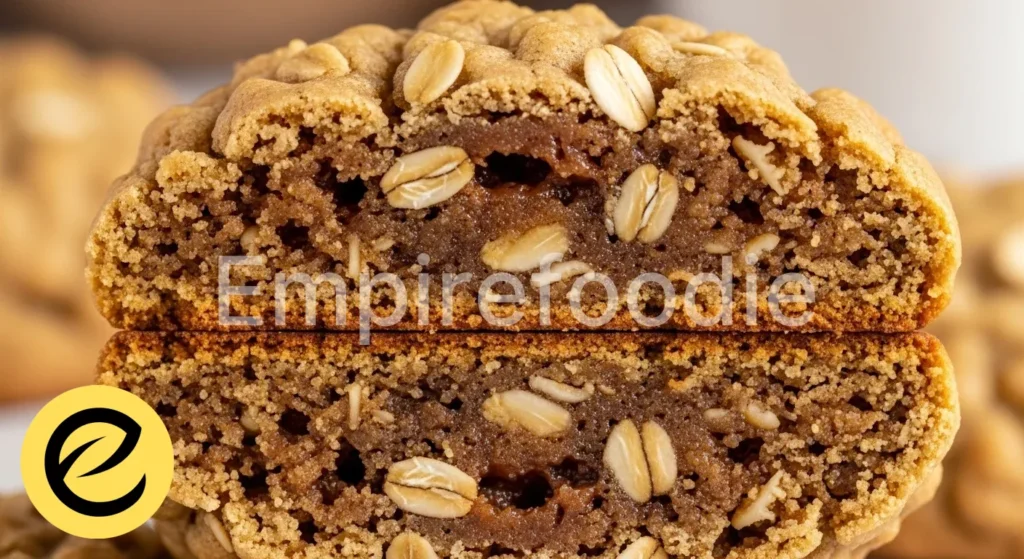
The pursuit of a perfectly balanced cookie often leads us to the venerable oatmeal cookie. These delightful treats offer a unique textural interplay: a tender chewiness from the oats, a slight crisp at the edges, and a comforting sweetness that isn’t cloying. Crafting exceptional oatmeal cookies involves understanding the scientific principles behind ingredient interaction and baking dynamics. Prepare to master the art of these wholesome, satisfying morsels.
Table of Contents
Why You’ll Love These Oatmeal Cookies
- Flavor: Deeply caramelized notes harmonize with earthy oat undertones.
- Texture: The ideal balance of chewy interior and slightly crisp perimeter.
- Ease: Straightforward methodology, minimal specialized equipment required.
- Health: Enhanced fiber content from rolled oats promotes digestive wellness.
Ingredients You’ll Need
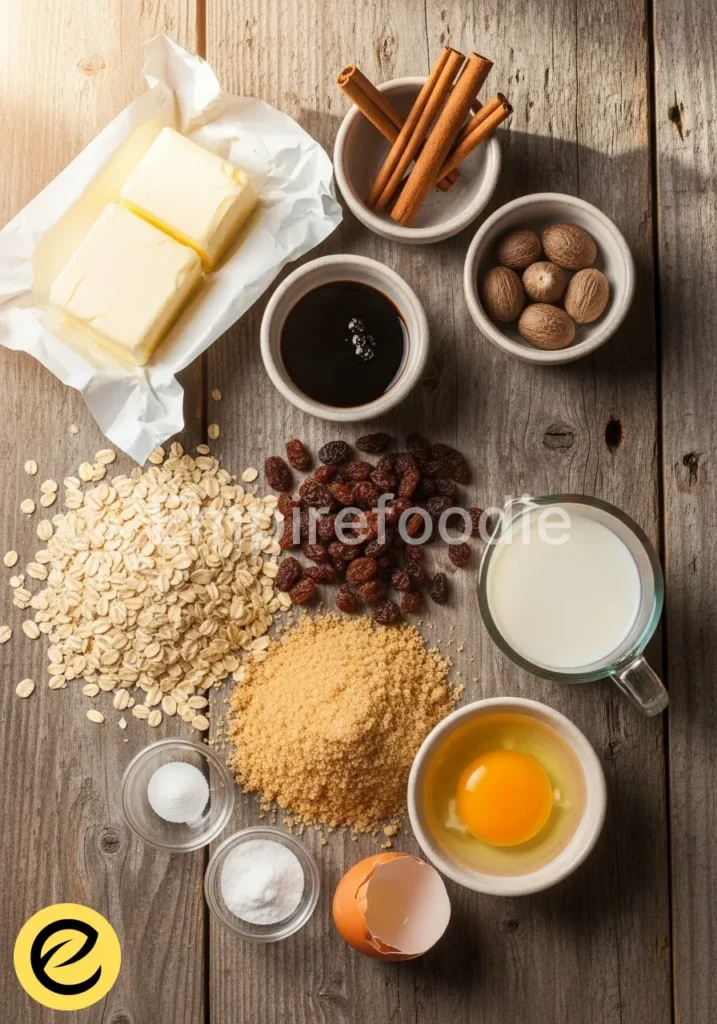
Ingredient quality profoundly impacts the final product. Each component plays a crucial role in the chemistry of these oatmeal cookies.
- Unsalted Butter: 1 cup (2 sticks), softened. Its fat content provides tenderness and carries fat-soluble flavor compounds. Unsalted butter allows precise salt control.
- Granulated Sugar: ½ cup. Contributes to spread and crispness, and acts as a tenderizer by interfering with gluten formation.
- Brown Sugar: 1 cup (packed). Adds moisture, chewiness, and a deeper, molasses-rich flavor profile due to its hygroscopic nature, attracting and retaining water molecules.
- Large Egg: 1. Acts as an emulsifier, binding agents, and contributes to the structural integrity and richness of the oatmeal cookies.
- Vanilla Extract: 1 teaspoon. A potent flavor enhancer; its alcohol content helps distribute aromatic compounds evenly.
- All-Purpose Flour: 1½ cups. Provides structural integrity through gluten development, which forms the cookie’s matrix.
- Baking Soda: 1 teaspoon. A chemical leavener, reacting with the acidic brown sugar and moisture to produce carbon dioxide, creating lift and aeration.
- Ground Cinnamon: 1 teaspoon. An aromatic spice that perfectly complements the oats and sugars, adding complexity to the oatmeal cookies.
- Salt: ½ teaspoon. Balances sweetness, enhances other flavors, and controls yeast activity (though not a primary concern here, it is a crucial flavor potentiator).
- Rolled Oats: 3 cups (old-fashioned). The primary structural and textural component, providing chewiness and fiber. Their larger surface area holds moisture effectively.
- Optional: Chocolate Chips or Raisins: 1 cup. For added flavor and texture variation in your oatmeal cookies.
Substitutions & Variations
Note: This video is for demonstration purposes and may use a slightly different method.
For gluten-free oatmeal cookies, swap to a 1:1 gluten-free flour blend. Reduce fat by replacing a quarter of the butter with unsweetened applesauce. Vegan bakers can substitute eggs with flax eggs. Opt for coconut sugar for a lower glycemic sweetener.
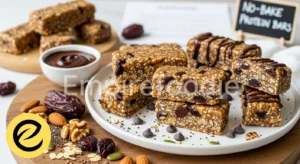
If you are interested in exploring alternatives for gluten-free baking, consider trying oatmeal chocolate bars which offer a similar delightful taste without the gluten. Check out this recipe on oatmeal chocolate bars for a delicious twist!
Equipment You’ll Need
- Large mixing bowl
- Electric mixer (stand or hand mixer)
- Rubber spatula
- Measuring cups and spoons
- Baking sheets
- Parchment paper or silicone baking mats
- Wire cooling rack
- Cookie scoop (1.5-2 tablespoon capacity)
Step-by-Step Instructions
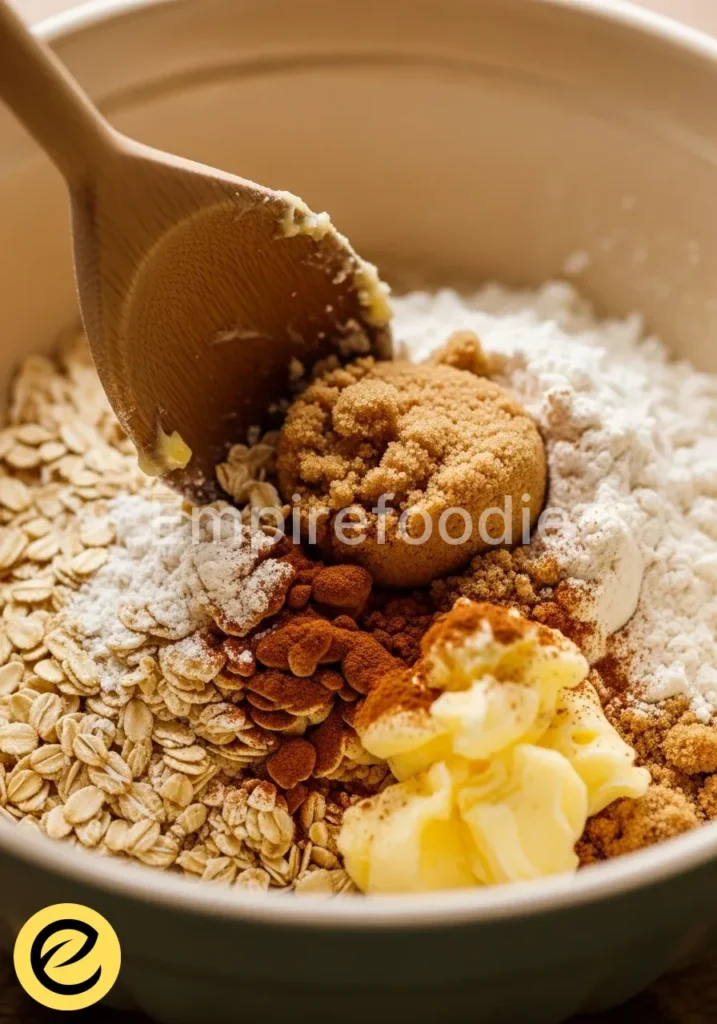
- Preparation: Preheat your oven to 375°F (190°C). Line two baking sheets with parchment paper or silicone mats. This prevents sticking and ensures more even heat distribution across the bottom of the oatmeal cookies.
- Cream Butter and Sugars: In a large mixing bowl, using an electric mixer on medium speed, cream together the softened unsalted butter, granulated sugar, and brown sugar for 2-3 minutes. Continue until the mixture is light and fluffy. This process, known as creaming, incorporates air bubbles into the fat, which expands during baking, creating a tender crumb structure for your oatmeal cookies.
- Add Wet Ingredients: Beat in the large egg and vanilla extract until just combined. Mix only until the yolk disappears. Overmixing at this stage can prematurely develop gluten or incorporate too much air, which might lead to structural issues in the finished oatmeal cookies.
- Combine Dry Ingredients: In a separate medium bowl, whisk together the all-purpose flour, baking soda, ground cinnamon, and salt. Whisking ensures that the leavening agents and spices are evenly distributed throughout the dry mixture, preventing pockets of unmixed ingredients in your oatmeal cookies.
- Combine Wet and Dry: Gradually add the whisked dry ingredients to the wet ingredients. Mix on low speed until just combined. The critical moment to stop is when no streaks of dry flour remain. Excessive mixing activates gluten development, resulting in tough, cake-like oatmeal cookies instead of the desired chewy texture.
- Fold in Oats: Gently fold in the old-fashioned rolled oats with a rubber spatula until they are evenly distributed throughout the dough. Avoid aggressive mixing, which can crush the oats and compromise their textural contribution to the oatmeal cookies. If adding optional chocolate chips or raisins, fold them in now.
- Scoop Dough: Use a cookie scoop to drop rounded tablespoons of dough onto the prepared baking sheets, spacing them approximately 2 inches apart. Uniform scoops are paramount for consistent baking times and even browning across all your oatmeal cookies.
- Bake: Bake for 10-12 minutes, or until the edges of the oatmeal cookies are golden brown and the centers appear just set but still slightly soft. Baking duration is critical; do not overbake. Slight underbaking ensures a soft, chewy interior, as the oatmeal cookies will continue to cook slightly from residual heat on the baking sheet.
- Cool: Allow the baked oatmeal cookies to cool on the baking sheets for 5 minutes before carefully transferring them to a wire rack to cool completely. This initial cooling period allows the internal structure of the oatmeal cookies to firm up, preventing breakage during transfer.
For those who enjoy rich and chewy desserts, chocolate chip cookie bars are another fantastic option that combines familiar flavors. You can find a great recipe for these delightful treats at chocolate chip cookie bars.
Pro Tips for Success
- Butter Plasticity: Ensure your butter is truly softened, not melted. Softened butter maintains its crystalline structure, which is essential for trapping air during the creaming process. Melted butter leads to a dense, greasy cookie with excessive spread, lacking the characteristic chewiness of great oatmeal cookies.
- Brown Sugar’s Role: The ratio of brown sugar to granulated sugar directly influences chewiness. Brown sugar, due to its molasses content, is hygroscopic, meaning it attracts and retains moisture. A higher brown sugar content ensures moister, chewier oatmeal cookies, while granulated sugar contributes to crispness and spread.
- Gluten Management: The most common error leading to tough oatmeal cookies is overmixing after flour addition. Gluten, once hydrated, develops elasticity. Excessive mixing strengthens this gluten network, resulting in a cake-like, rather than chewy, texture. Mix only until just combined.
- Dough Hydration (Chilling): Chilling the dough for at least 30 minutes, or ideally several hours or overnight, allows the flour to fully hydrate. This process, known as osmosis, enables the flour proteins to absorb moisture more completely, resulting in a more uniform texture. Chilling also solidifies the fat, preventing excessive spread during baking and leading to thicker, chewier oatmeal cookies with enhanced flavor.
- Oven Temperature Accuracy: Invest in an oven thermometer. Commercial oven thermostats often deviate significantly from their set temperature. An accurately calibrated oven is crucial for consistent results, preventing under- or over-baking of your oatmeal cookies, both of which negatively impact texture.
- Oat Selection: Always use old-fashioned rolled oats. Quick oats are pre-steamed, rolled thinner, and cut finer, meaning they absorb less moisture and offer less textural contrast. For the definitive chewiness of oatmeal cookies, old-fashioned oats are non-negotiable.
- Salt’s Counterpoint: Do not omit or reduce the salt. Salt is not merely a flavor enhancer but a critical balancing agent. It modulates the perception of sweetness, preventing the oatmeal cookies from tasting cloyingly sweet and elevating the subtle nuances of cinnamon and vanilla.
Storage & Reheating Tips
Store cooled oatmeal cookies in an airtight container at room temperature for up to 3-4 days. To maintain softness, a culinary trick involves placing a slice of plain bread (such as white sandwich bread) in the container with the cookies; the bread will gradually lose moisture, which the oatmeal cookies will absorb, preserving their tender texture. For longer preservation, freeze baked oatmeal cookies for up to 3 months.
Arrange them in a single layer on a baking sheet to flash freeze, then transfer to an airtight container or freezer bag, separating layers with parchment paper. Thaw at room temperature. To restore a fresh-baked warmth, reheat briefly in a microwave (5-10 seconds) or a low oven (250°F/120°C for 5 minutes).
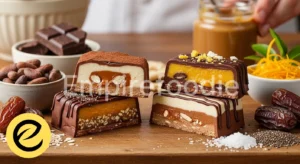
To keep your cookies fresh and soft for longer, you might want to consider tips involving milk chocolate bars that can enhance their flavor. Learn how to preserve your baked goods by visiting milk chocolate bars for some creative ideas.
What to Serve With This Recipe
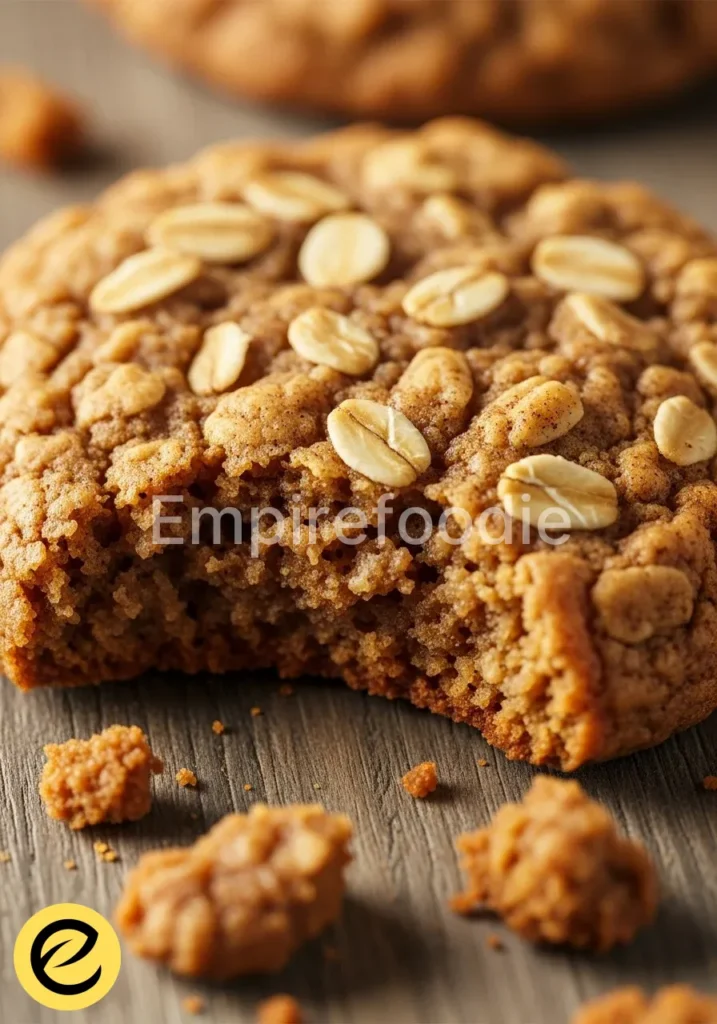
Elevate your oatmeal cookies experience with considered pairings. A small bowl of plain Greek yogurt offers protein and balances sweetness. A vibrant fresh fruit salad, featuring berries or sliced pears, provides complementary natural sugars and fiber. For beverages, unsweetened herbal tea or black coffee enhances the spice notes and cuts through richness, allowing the complex flavors of the oatmeal cookies to shine.
Frequently Asked Questions (FAQ)
How do I prevent my oatmeal cookies from spreading too much?
Preventing excessive spread in oatmeal cookies involves a few key variables. First, ensure your butter is softened, not melted, to properly emulsify and trap air. Secondly, chilling the dough for at least 30 minutes solidifies the fat, making it less prone to spreading rapidly in the oven. Finally, verify your oven temperature with an oven thermometer; an oven that runs too cool will allow the fat to melt and spread before the cookie’s structure sets.
Can I use quick oats instead of old-fashioned rolled oats?
While technically possible, Adam Dino strongly advises against using quick oats for optimal texture in these oatmeal cookies. Quick oats are pre-cooked, thinner, and more finely chopped. This results in a softer, less substantial cookie that lacks the distinct chewiness and textural integrity provided by old-fashioned rolled oats. For a truly satisfying oatmeal cookie, the robust structure of old-fashioned rolled oats is paramount.
What makes these oatmeal cookies chewy?
The chewiness in these oatmeal cookies is a direct result of several synergistic factors. The high proportion of brown sugar, with its molasses content and hygroscopic nature, contributes significantly to moisture retention. The use of old-fashioned rolled oats, with their larger surface area and thickness, provides a resilient structure that resists crumbling. Lastly, precise baking, removing the cookies when their edges are set but their centers remain slightly soft, prevents over-drying and ensures that signature pliable texture.
Oatmeal cookies are a popular and nutritious treat made from oats, flour, and various sweeteners or add-ins. They are often considered healthier than standard cookies due to their high fiber content, which can be beneficial for digestion; learn more about their benefits in this comprehensive article.
Final Thoughts
Mastering these oatmeal cookies transcends mere baking; it’s an exercise in culinary understanding. Each ingredient, every precise step, contributes to the symphony of texture and flavor. Embrace the science, savor the process, and delight in creating exceptional oatmeal cookies, comforting yet analytically satisfying.
Nutrition Information (per serving)
Approximate values based on 24 servings per recipe.
| Nutrient | Amount (per serving) |
|---|---|
| Calories | 180 kcal |
| Total Fat | 8g |
| Saturated Fat | 4g |
| Cholesterol | 20mg |
| Sodium | 110mg |
| Total Carbohydrates | 25g |
| Dietary Fiber | 2g |
| Total Sugars | 15g |
| Protein | 2g |
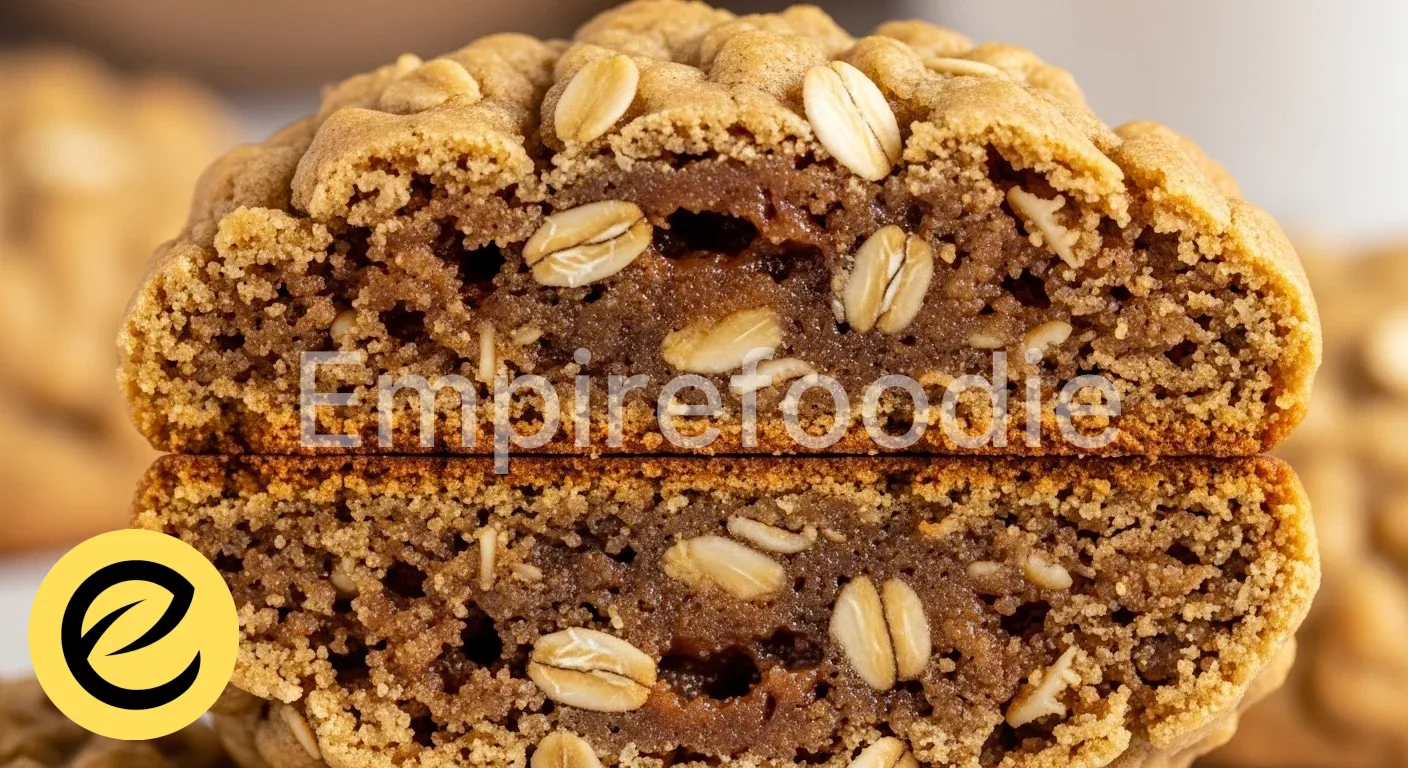
oatmeal cookies
Ingredients
Method
- Preheat the oven to 375°F (190°C) and line baking sheets with parchment paper.
- In a large mixing bowl, cream together the butter, granulated sugar, and brown sugar until light and fluffy.
- Beat in the egg and vanilla extract until just combined.
- Whisk together the flour, baking soda, cinnamon, and salt in a separate bowl.
- Gradually add dry ingredients to wet ingredients and mix until just combined.
- Gently fold in the rolled oats and optional chocolate chips or raisins.
- Scoop rounded tablespoons of dough onto prepared baking sheets, spacing them about 2 inches apart.
- Bake for 10-12 minutes until edges are golden brown and centers are slightly soft.
- Cool on baking sheets for 5 minutes before transferring to a wire rack.
Notes

Adam is the lead recipe developer and culinary scientist behind Empirefoodie. Holding a Bachelor of Applied Science in Culinary and Food Science from Cincinnati State, Adam brings technical precision to home cooking. Based in Missouri, he specializes in breaking down the "why" behind cooking techniques to help you get consistent, delicious results every time. At 30, Adam is dedicated to turning kitchen experiments into family-favorite meals.