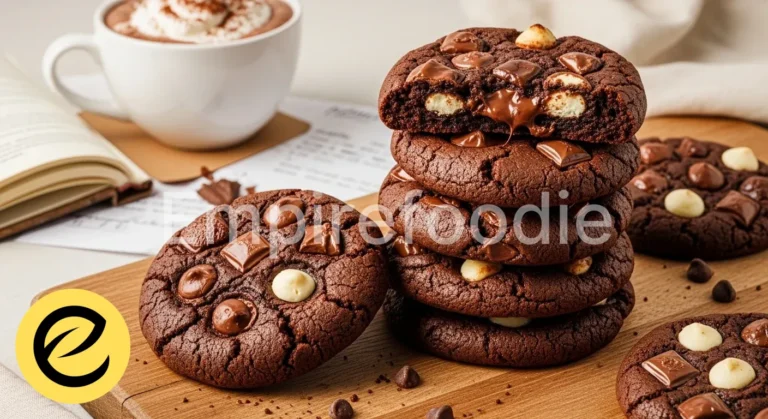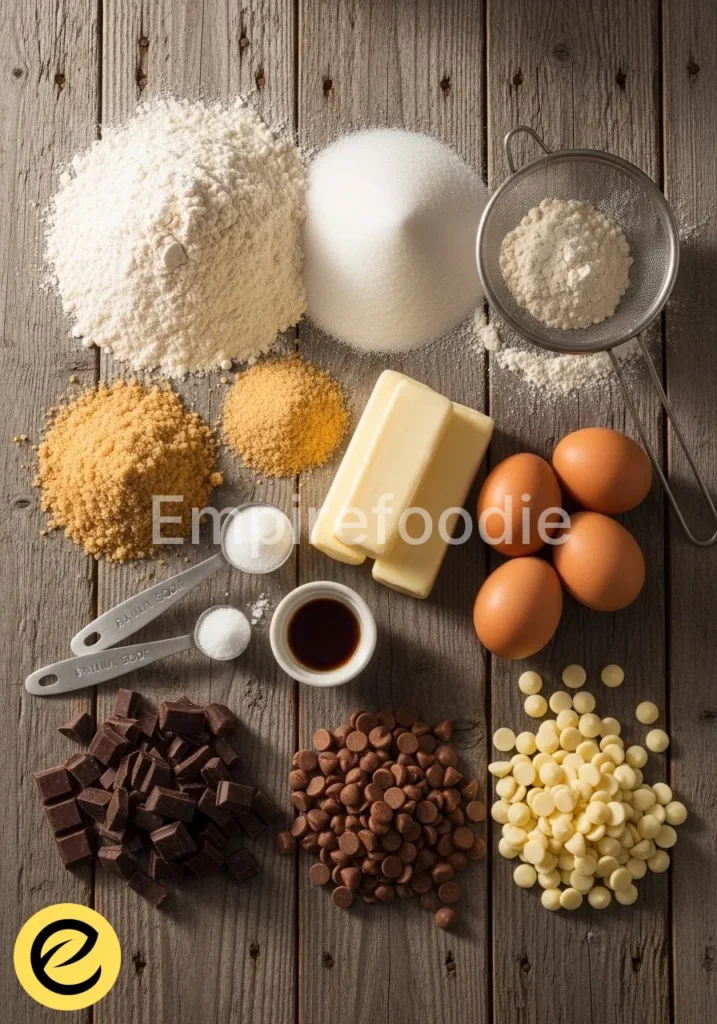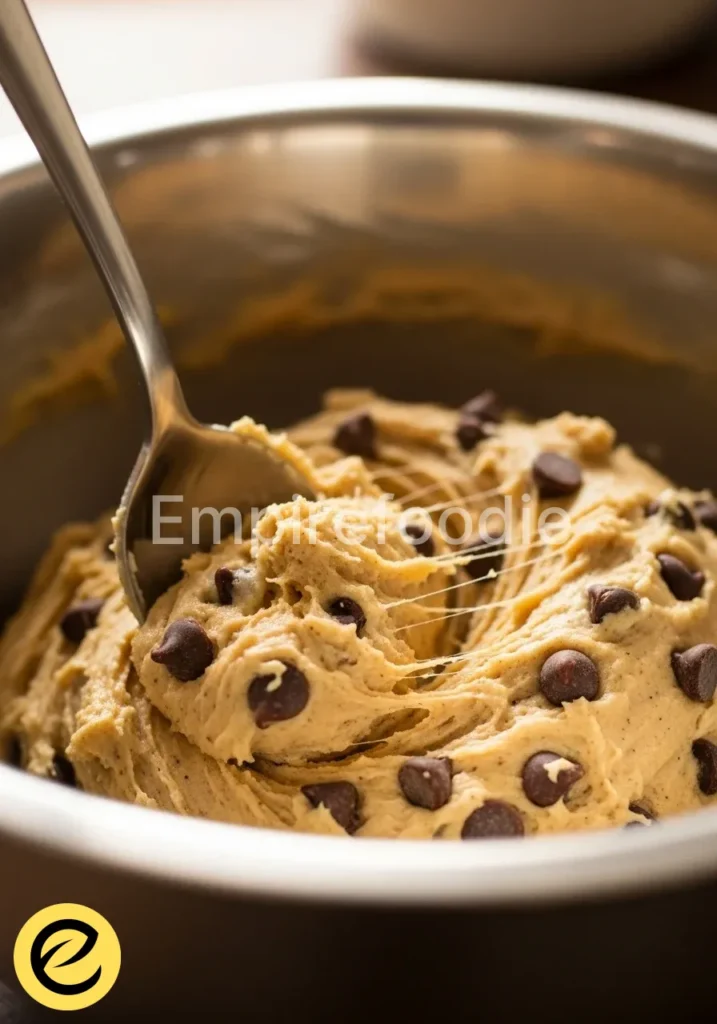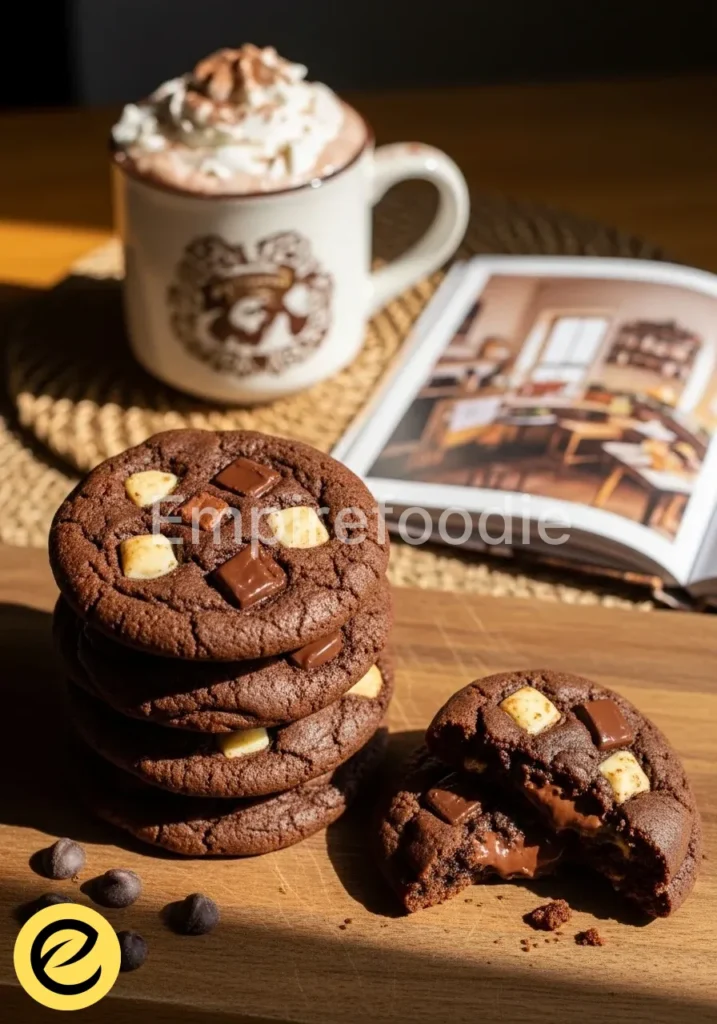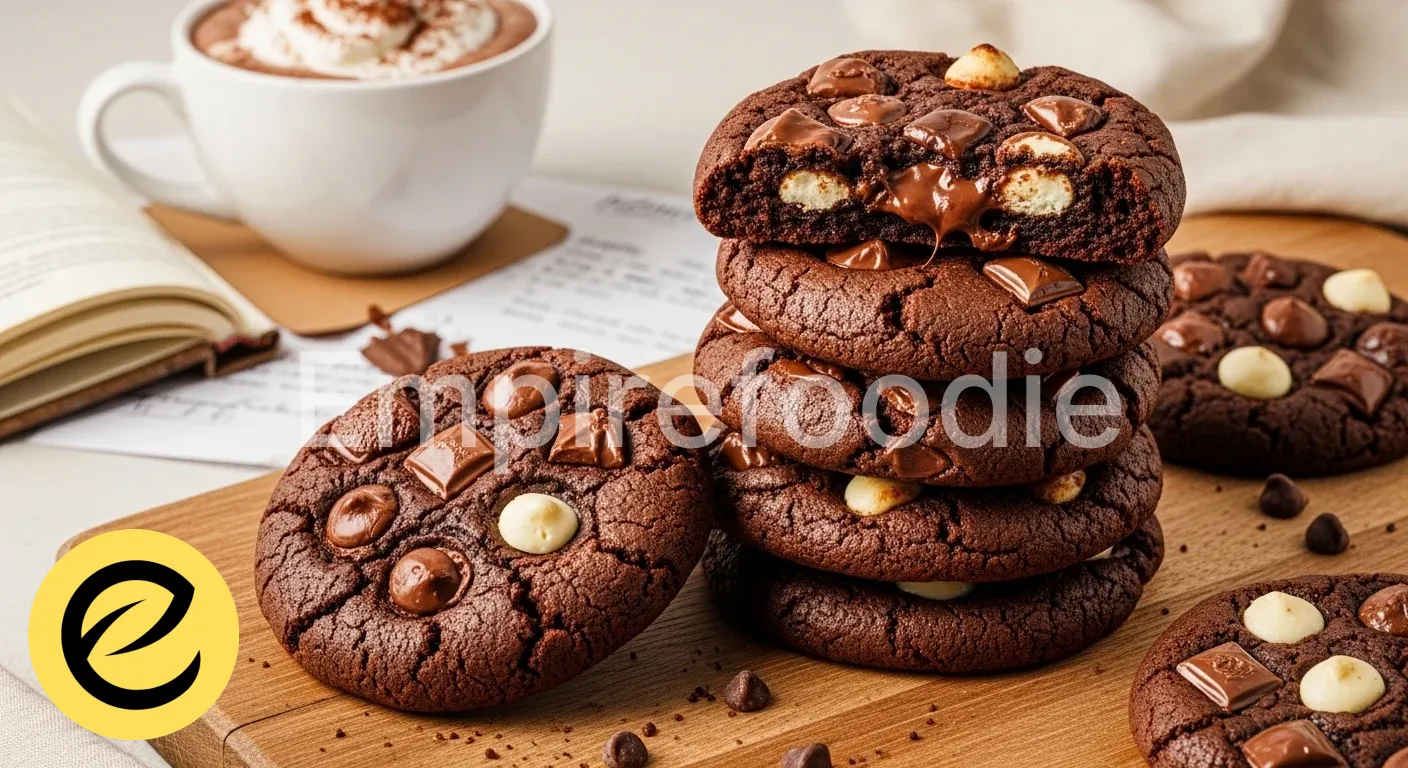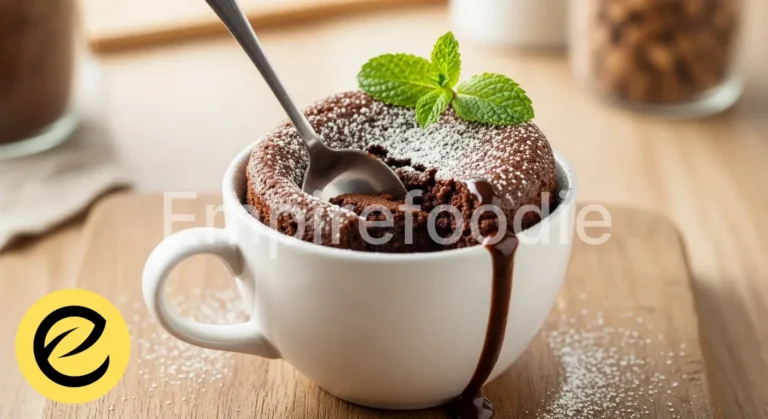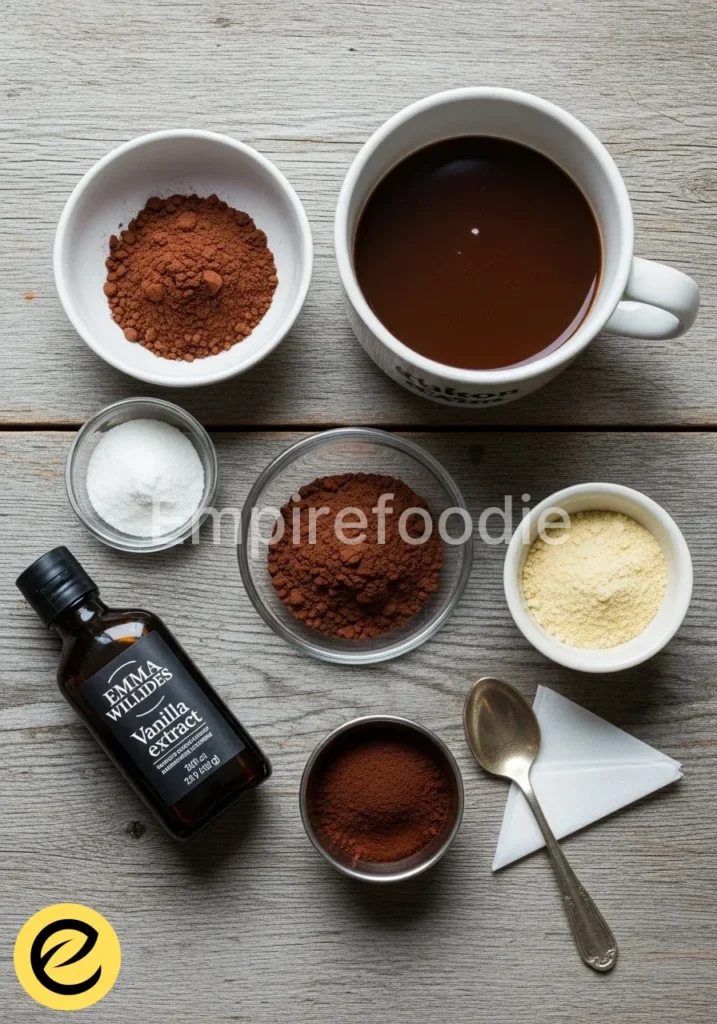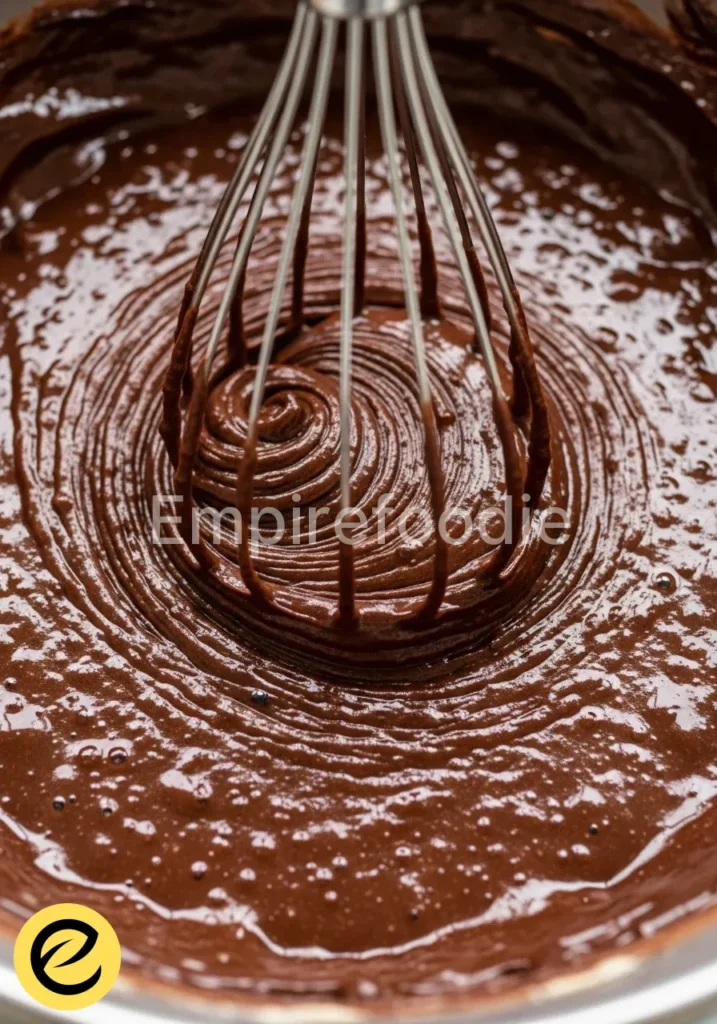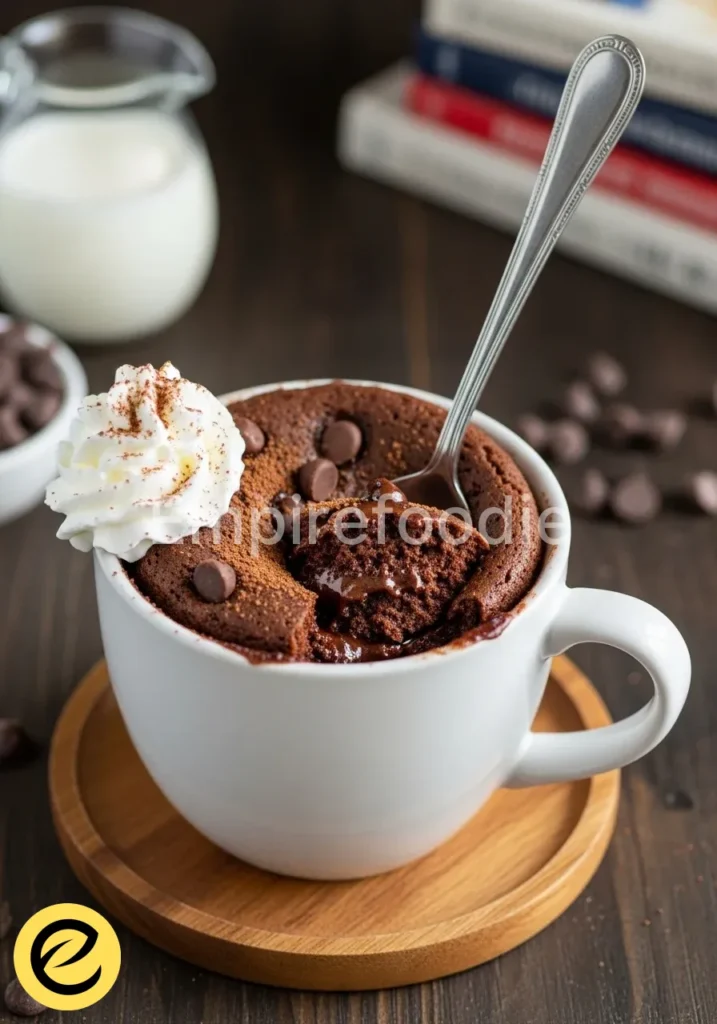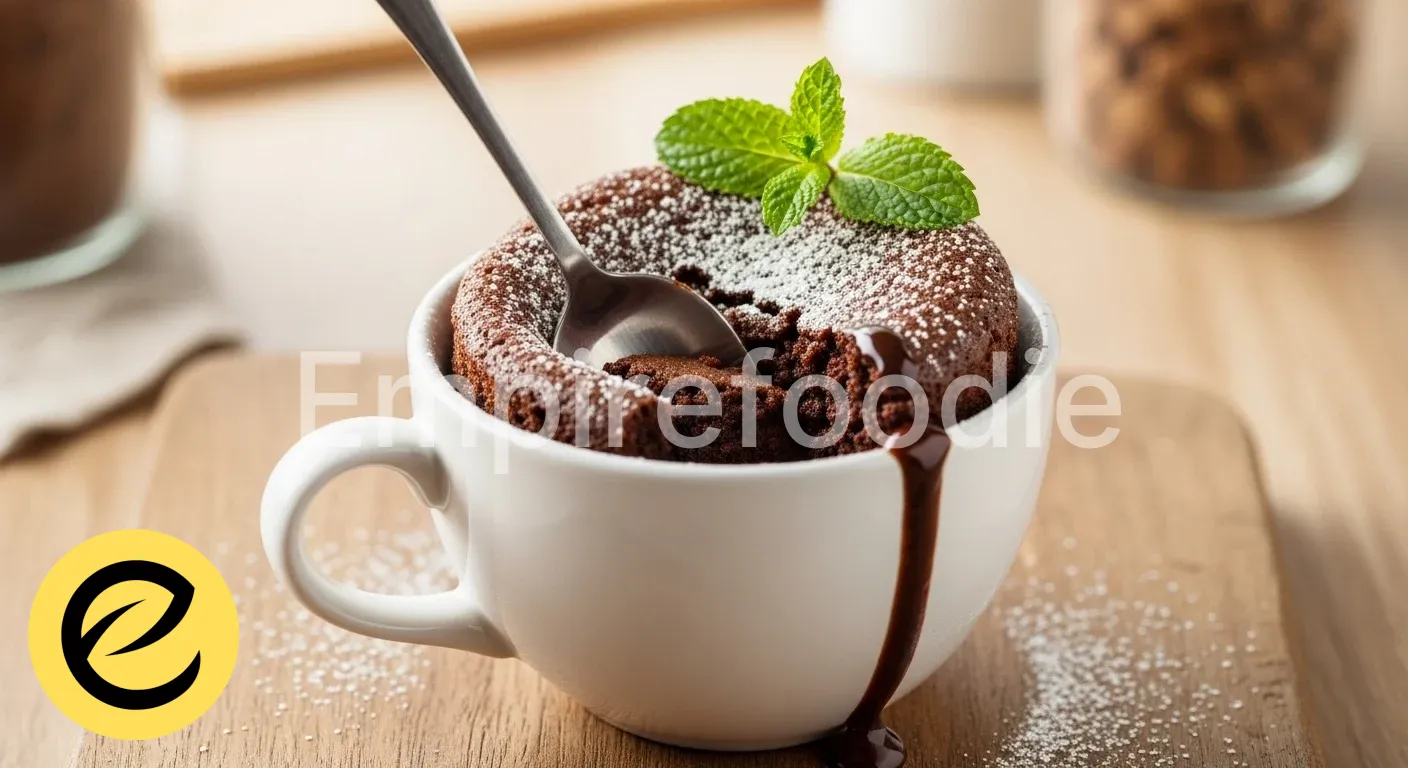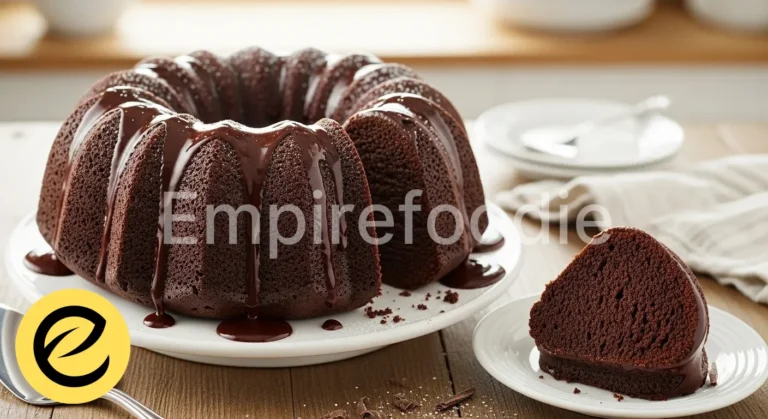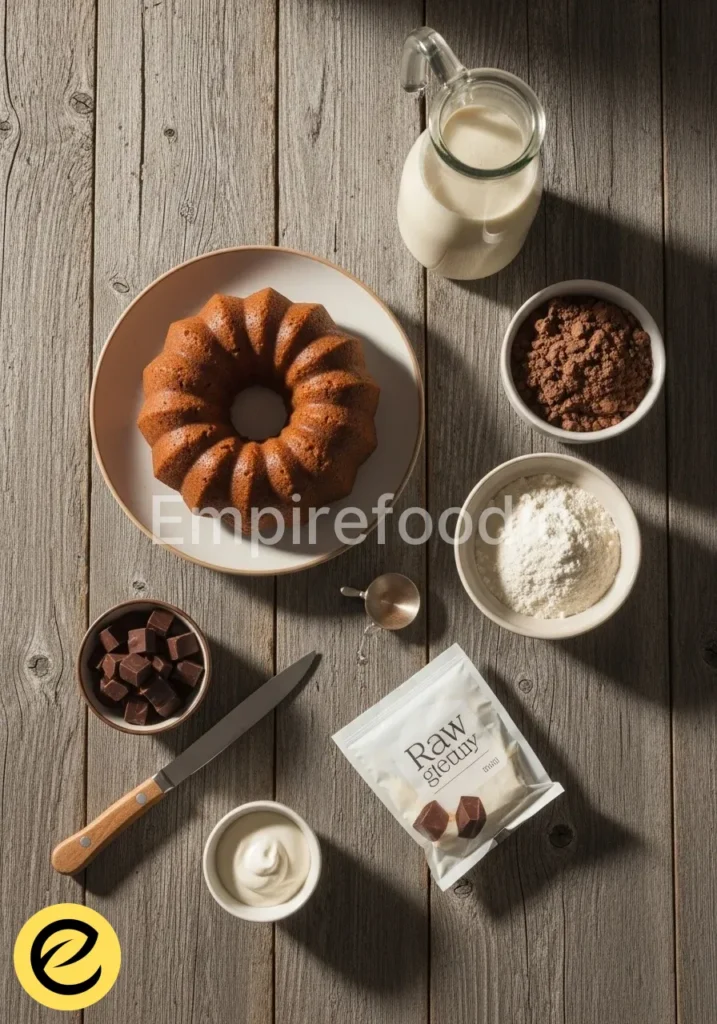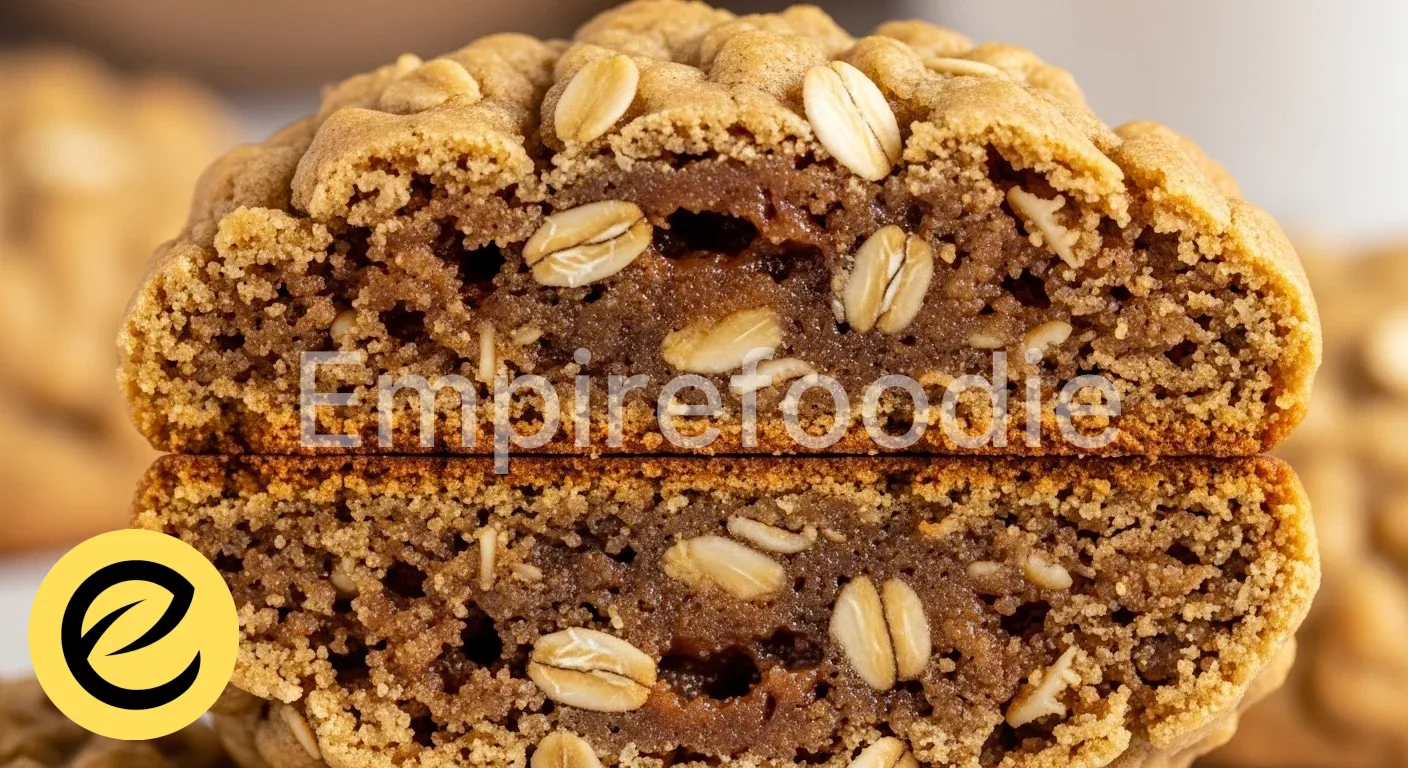
Tag

dessert

Browsing

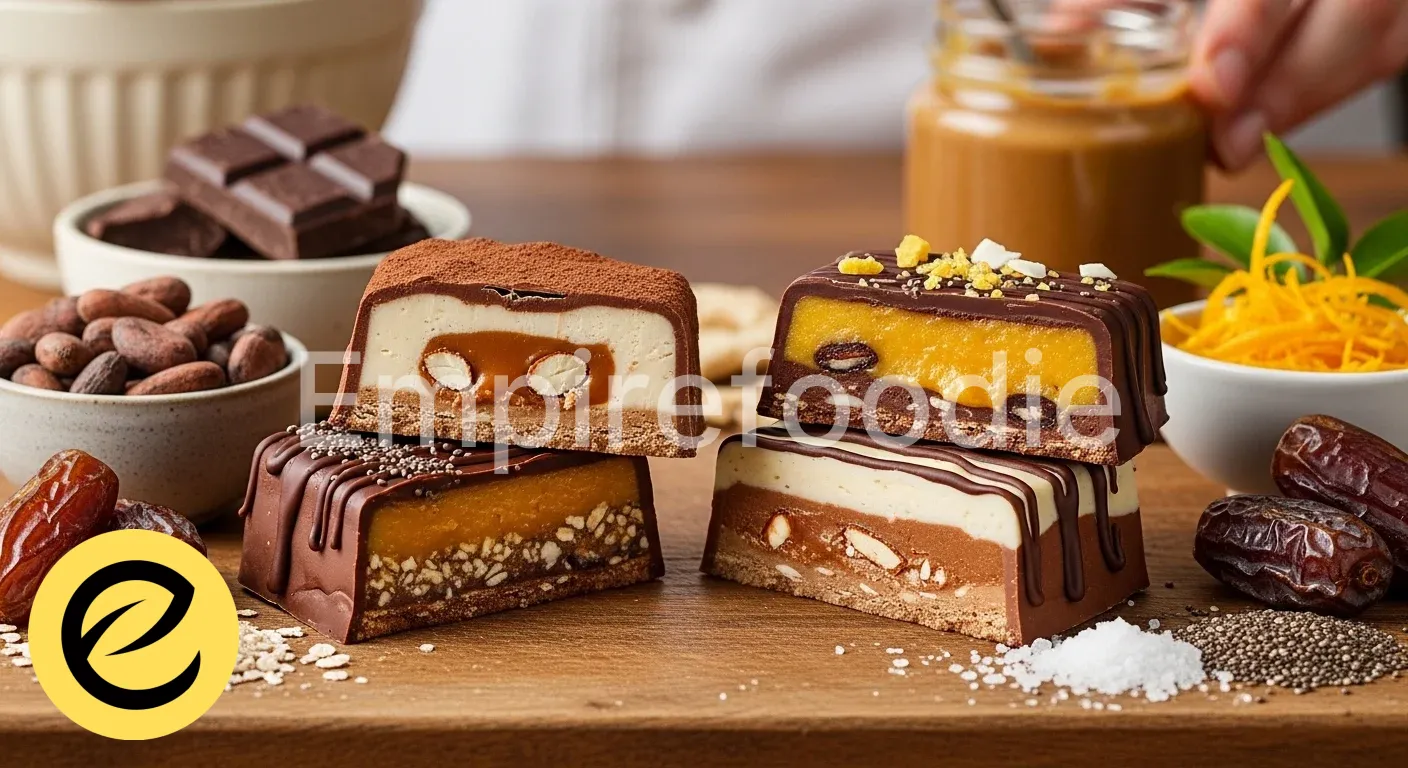
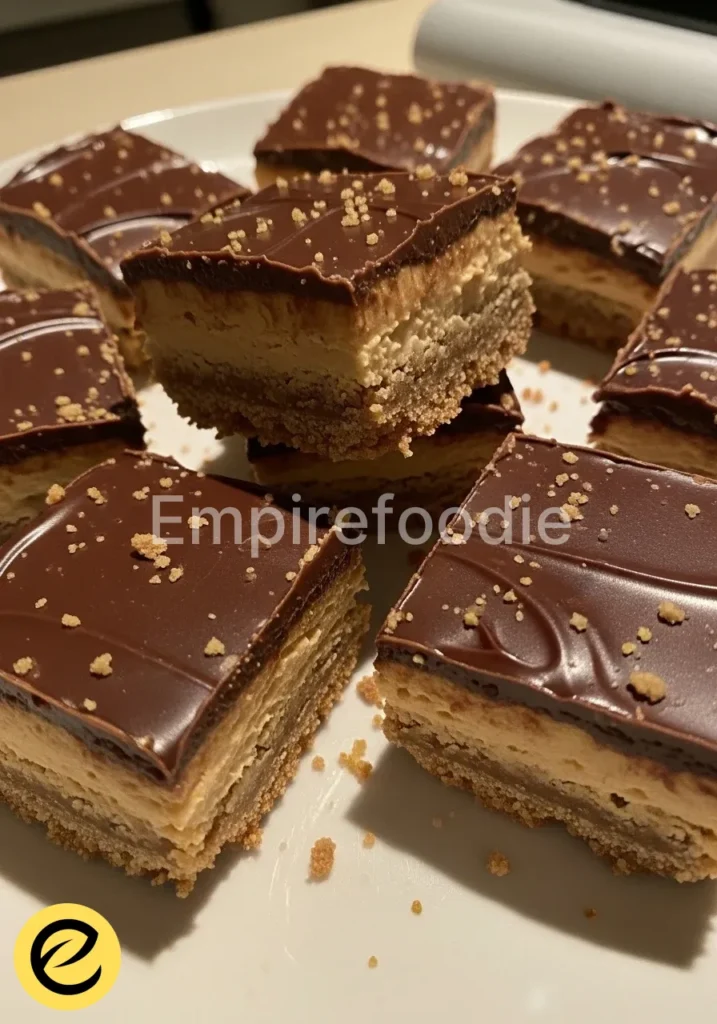
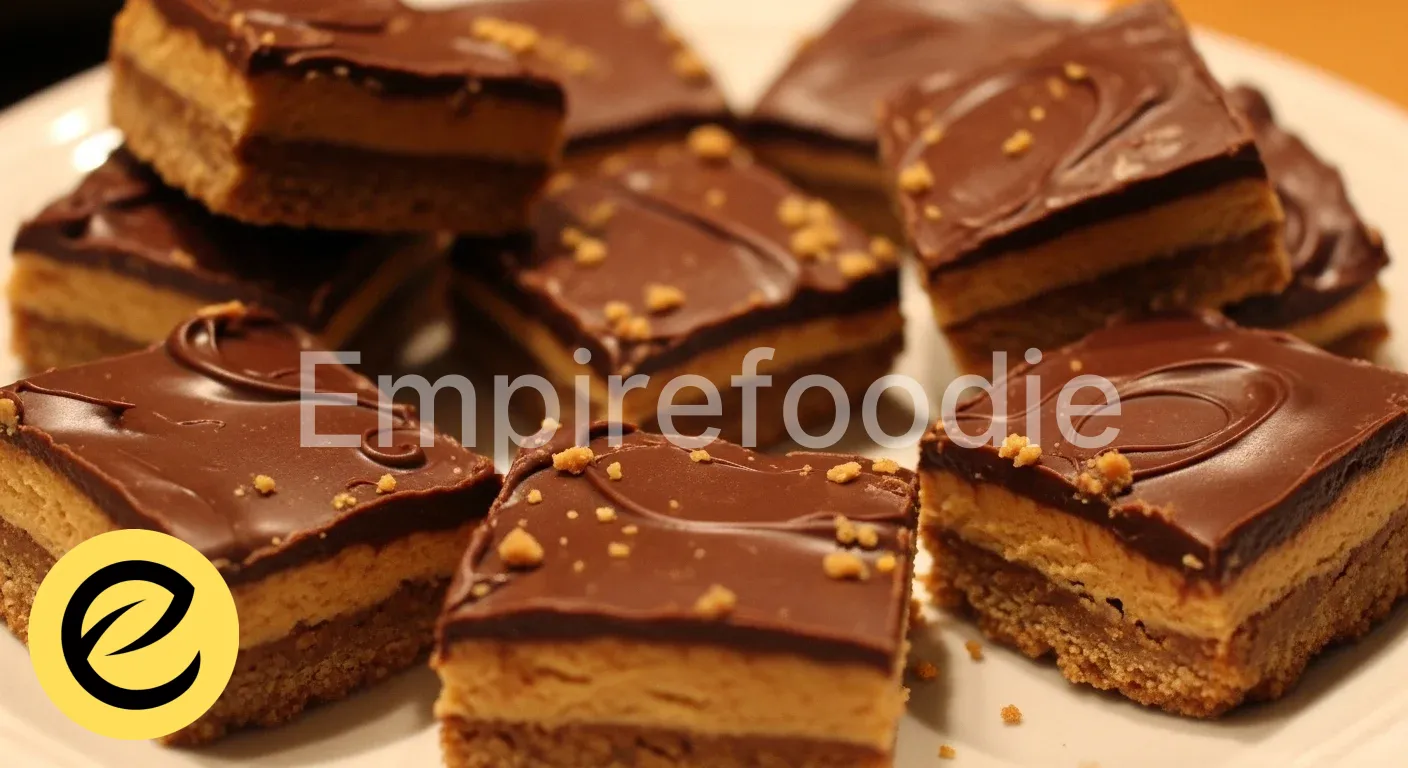
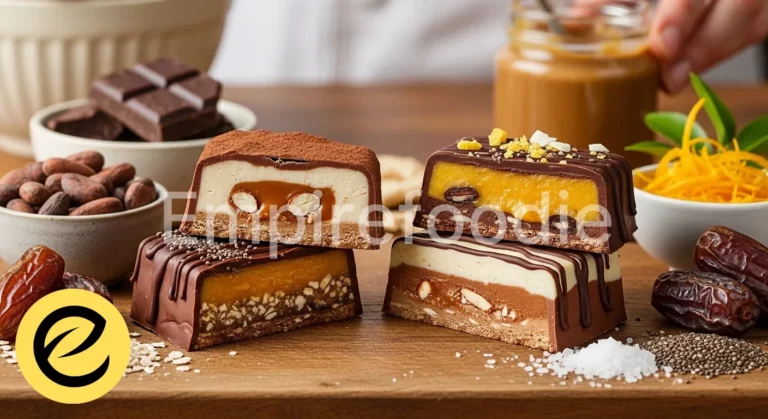
Ever dreamt of crafting those irresistible, rich, and perfectly textured chocolate candy bars right in your own kitchen? Wassim here, and I’m about to show you how to transform simple ingredients into gourmet homemade chocolate candy bars that taste like they’ve traveled the world.

Forget the bland store-bought versions; these are packed with incredible flavor and a satisfying chewiness that will transport your taste buds. Get ready for a high-speed culinary adventure to create the best chocolate candy bars you’ve ever had!

Table of Contents

Why You’ll Love This Recipe

  • Global Flavor Fusion: Experience a unique blend of sweet and savory notes, reminiscent of exciting street food finds.
  • Lightning Fast Prep: My signature culinary hacks ensure these gourmet chocolate candy bars are ready in record time, perfect for busy schedules.
  • Healthier Indulgence: Crafted with wholesome ingredients, these offer a guilt-free way to enjoy your favorite sweet treat.

Ingredients You’ll Need

chocolate candy bars

Quality ingredients are the backbone of any exceptional dish, especially when creating something as universally loved as chocolate candy bars. Opt for the best you can find to truly elevate the flavor profile. Think of it as sourcing the freshest produce from a bustling global market, but for your pantry!

  • 2 cups (340g) High-Quality Dark Chocolate Chips: I recommend a 70% cacao content for a rich, deep flavor that isn’t overly sweet. This is your canvas for creating truly spectacular chocolate candy bars.
  • 1/2 cup (120ml) Full-Fat Coconut Milk: The creamy foundation, adding a subtle tropical hint and luxurious texture. Opt for the canned variety, not the refrigerated drink.
  • 1/4 cup (60ml) Maple Syrup or Agave Nectar: Natural sweeteners that provide depth and balance, avoiding any refined sugars. Adjust to your sweetness preference; remember, we’re aiming for balanced chocolate candy bars.
  • 1/2 cup (80g) Creamy Almond Butter (or Peanut Butter): For that classic chewy, nutty center. Make sure it’s natural, with no added sugars or oils, for the purest flavor.
  • 1 teaspoon Vanilla Extract: A splash of warmth and aromatic complexity, essential for any top-tier chocolate creation.
  • 1/4 teaspoon Sea Salt: A crucial ingredient! It amplifies the chocolate’s depth and balances the sweetness, just like a sprinkle of seasoning elevates any street food dish. Don’t skip this for truly dynamic chocolate candy bars.
  • 1/2 cup (60g) Chopped Roasted Nuts: Almonds, peanuts, or cashews add a delightful crunch and extra protein. Toasting them yourself brings out maximum flavor.
  • Optional Toppings: Flaky sea salt, shredded coconut, cacao nibs, or a drizzle of white chocolate for artistic flair.

Substitutions & Variations

[ra_display_video url=”https://www.youtube.com/watch?v=DMkm68LxTNw”]

Embrace the spirit of culinary exploration with these healthy twists! Just like adapting street food finds to your pantry, these swaps let you customize your chocolate candy bars. Craving a different texture?

Swap out the almond butter for cashew butter or even sunflower seed butter for a nut-free option. For an extra protein punch, you could blend in a scoop of plant-based protein powder into the nut butter mixture, slightly increasing the coconut milk to maintain consistency. If you’re looking to reduce carbs, consider erythritol or stevia drops as a sweetener alternative.

You can also vary the nuts; pistachios or walnuts introduce unique flavor profiles and a different kind of crunch. Feel free to get creative with your chocolate candy bars, making them truly your own!

As you explore the creative ways to customize your chocolate candy bars, consider adding hints of sweetness with some delightful chocolate chip biscuits for a unique texture and flavor twist.

Equipment You’ll Need

Don’t fret over fancy gadgets; most of these tools are standard kitchen workhorses, much like a good wok is to a street food vendor!

  • 8×8 inch (20×20 cm) Baking Pan: Or a similar size, lined with parchment paper. This is key for easy removal of your delightful chocolate candy bars.
  • Medium Heat-Proof Bowl: For melting your glorious chocolate.
  • Small Saucepan: For creating the creamy base.
  • Spatula or Whisk: For smooth mixing.
  • Measuring Cups and Spoons: Precision is your friend, even in high-speed cooking.
  • Sharp Knife: For cutting your bars into perfect, uniform chocolate candy bars.

Step-by-Step Instructions

chocolate candy bars

Get ready for a rapid-fire culinary journey! These steps are designed for efficiency, ensuring you get from zero to delicious homemade chocolate candy bars in no time. Think of it as a well-choreographed dance, each move leading to a spectacular finale.

  1. Prepare Your Pan: Line an 8×8 inch (20×20 cm) baking pan with parchment paper, leaving an overhang on the sides. This makes lifting out your finished chocolate candy bars a breeze. Set aside.
  2. Melt the Chocolate (First Layer): In a heat-proof bowl set over a small saucepan of simmering water (ensure the bowl doesn’t touch the water), melt 1 cup (170g) of dark chocolate chips. Stir occasionally until smooth and glossy. Alternatively, microwave in 30-second intervals, stirring between each, until melted. This forms the decadent base of your chocolate candy bars.
  3. Create the Chocolate Base: Pour the melted chocolate into your prepared pan. Use a spatula to spread it evenly across the bottom. Place the pan in the freezer for about 10-15 minutes, or until the chocolate is firm. This quick chill sets the stage for the next layer.
  4. Prepare the Filling: While the base chills, combine the almond butter, coconut milk, maple syrup (or agave), vanilla extract, and sea salt in a small saucepan. Heat over low-medium heat, stirring constantly, until the mixture is smooth, warm, and well combined. This is the heart of your chocolate candy bars – a luscious, flavorful center.
  5. Add the Crunch: Remove the saucepan from the heat and stir in the chopped roasted nuts. Mix thoroughly until the nuts are evenly distributed throughout the creamy filling.
  6. Layer the Filling: Retrieve the pan with the firm chocolate base from the freezer. Carefully pour the warm nut butter filling over the chocolate layer, spreading it evenly with your spatula. Return the pan to the freezer for another 20-30 minutes, or until the filling is firm enough to handle.
  7. Melt the Chocolate (Top Layer): While the filling sets, melt the remaining 1 cup (170g) of dark chocolate chips using the same method as before.
  8. Create the Top Layer: Once the filling is firm, remove the pan from the freezer. Pour the second batch of melted chocolate over the filling layer, spreading it gently and evenly to cover completely. This seals in all the deliciousness, creating the perfect cap for your chocolate candy bars.
  9. Add Optional Toppings: If using, sprinkle your desired toppings (flaky sea salt, shredded coconut, cacao nibs) over the wet chocolate layer immediately.
  10. Final Chill: Place the pan back into the freezer for at least 30 minutes, or until the entire slab of chocolate candy bars is completely firm. This final chill is crucial for clean cuts.
  11. Cut and Serve: Once fully firm, lift the entire block of chocolate candy bars out of the pan using the parchment paper overhang. Place it on a cutting board. Using a sharp, warm knife (run it under hot water and wipe dry), carefully cut the slab into desired bar sizes. Now, stand back and admire your homemade chocolate candy bars!

Your culinary experience doesn’t have to stop at chocolate candy bars; try whipping up some chocolate cookies with white chips for another quick and delicious treat that pairs well with your creations.

Pro Tips for Success

These aren’t just tips; they’re my secret hacks, honed from countless kitchen adventures across continents, to make your chocolate candy bars truly exceptional.

  • Tempering for Shine: For truly professional-looking chocolate candy bars with a beautiful snap and sheen, consider tempering your chocolate. It’s a bit more advanced but worth the effort. Alternatively, simply ensure your melting chocolate doesn’t get too hot (above 115°F / 46°C for dark chocolate) to prevent it from becoming dull or grainy.
  • Even Spreading is Key: When spreading layers, work quickly and evenly. This ensures each bite of your chocolate candy bars offers a consistent texture and flavor. A slightly warmed spatula can help with the chocolate layers.
  • Salt Balance: The sea salt in the filling is non-negotiable. It’s the secret ingredient that elevates the chocolate and nut butter, making your chocolate candy bars taste richer and more complex, much like a perfectly seasoned street food dish.
  • Clean Cuts: To achieve perfectly neat chocolate candy bars, use a very sharp knife. Warm it under hot water and wipe it dry between each cut. This prevents the chocolate from cracking and gives you those satisfying, clean edges.
  • Ingredient Quality Matters: As with all my recipes inspired by global flavors, the quality of your core ingredients – especially the chocolate and nut butter – will profoundly impact the final taste of your homemade chocolate candy bars. Invest in good stuff!

Storage & Reheating Tips

Keeping your homemade chocolate candy bars fresh is simple, ensuring every bite is as delicious as the first. Think of it as preserving a precious culinary souvenir!

  • Airtight Container: Store your chocolate candy bars in an airtight container at room temperature for up to 5-7 days. If your kitchen is particularly warm, pop them in the fridge.
  • Refrigeration: For longer storage, or if you prefer a firmer texture, keep them in the refrigerator for up to 2 weeks.
  • Freezing for Longevity: These chocolate candy bars freeze beautifully! Wrap individual bars tightly in plastic wrap, then place them in a freezer-safe bag or container. They can last for up to 2-3 months. Thaw at room temperature for about 15-20 minutes before enjoying. No “reheating” required, just a gentle return to optimal temperature.

To ensure your chocolate candy bars remain delightful, you might also enjoy experimenting with raspberry white chocolate cookies as a fresh and fruity addition to your dessert lineup.

What to Serve With This Recipe

chocolate candy bars

While these chocolate candy bars are a stellar standalone treat, pairing them thoughtfully can enhance the experience, much like a perfectly balanced meal from a bustling market stall. Think about contrasts in flavor and texture, but always leaning towards nourishing options!

  • Fresh Fruit Platter: Complement the richness of the chocolate candy bars with a vibrant array of sliced berries, kiwi, or mandarins. The natural sweetness and acidity provide a refreshing counterpoint.
  • Herbal Tea or Coffee: A warm cup of unsweetened herbal tea (like peppermint or chamomile) or a robust black coffee makes for a sophisticated pairing, allowing the complex flavors of the chocolate candy bars to shine.
  • Greek Yogurt with Honey: A dollop of plain Greek yogurt, perhaps with a drizzle of local honey, offers a creamy, tangy balance that can be wonderfully refreshing alongside your sweet treat.
  • Small Green Salad with Light Vinaigrette: For a truly unconventional but surprisingly delightful pairing, a small, crisp green salad with a very light, citrusy vinaigrette can cleanse the palate between bites, readying you for the next indulgent moment of your chocolate candy bars.

Frequently Asked Questions (FAQ)

Can I use milk chocolate instead of dark chocolate for these candy bars?

Absolutely! While I prefer the depth of dark chocolate for these chocolate candy bars, you can certainly use milk chocolate if that’s your preference. Just be aware that milk chocolate is sweeter and has a different melting point, so keep a close eye on it to prevent scorching. The flavor profile of your homemade chocolate candy bars will be notably sweeter.

How can I make these chocolate candy bars vegan?

Great news – this recipe is already very vegan-friendly! Ensure your dark chocolate chips are certified vegan (check for dairy-free ingredients), and use maple syrup or agave nectar as your sweetener. All other ingredients listed are typically plant-based, making these delicious chocolate candy bars accessible for everyone.

Why did my chocolate seize when melting?

Chocolate seizing is often due to even a tiny drop of water or overheating. When melting chocolate over a double boiler, ensure no steam or water touches the chocolate. If using a microwave, stir frequently to prevent hot spots. Once seized, it’s hard to recover, so prevention is key for smooth chocolate candy bars!

Chocolate candy bars are a popular sweet treat that combine rich chocolate with various fillings or inclusions, making them a versatile dessert enjoyed worldwide. Their unique flavors and textures can also be explored through different recipes and combinations, offering something for every chocolate lover, as seen in this Chocolate article.

Final Thoughts

Creating these chocolate candy bars is more than just baking; it’s a journey. From sourcing quality ingredients to seeing the final, perfect cut, each step is a moment of delicious discovery. Enjoy the rich satisfaction of homemade goodness, a true global treat crafted right in your kitchen. These truly are exceptional chocolate candy bars!

Nutrition Information (per serving)

Please note: Nutritional values are approximate and can vary based on specific brands and ingredient substitutions. This is a general guide for a serving size of one bar (assuming 16 bars per 8×8 pan).

Calories~250-300
Total Fat~20-25g
   Saturated Fat~10-12g
Total Carbohydrates~15-20g
   Dietary Fiber~3-5g
   Sugars~10-15g
Protein~5-7g

chocolate candy bars

Prep Time 20 minutes
Cook Time 25 minutes
Total Time 45 minutes
Servings 16 bars servings
Craft irresistible, rich, and perfectly textured chocolate candy bars using wholesome ingredients. These homemade treats are packed with incredible flavor and a satisfying chewiness.

Ingredients

  • 2 cups (340g) High-Quality Dark Chocolate Chips
  • 1/2 cup (120ml) Full-Fat Coconut Milk
  • 1/4 cup (60ml) Maple Syrup or Agave Nectar
  • 1/2 cup (80g) Creamy Almond Butter (or Peanut Butter)
  • 1 teaspoon Vanilla Extract
  • 1/4 teaspoon Sea Salt
  • 1/2 cup (60g) Chopped Roasted Nuts
  • Optional Toppings (Flaky sea salt, shredded coconut, cacao nibs, white chocolate)

Instructions 

  • Prepare Your Pan: Line an 8×8 inch baking pan with parchment paper.
  • Melt the Chocolate (First Layer): Melt 1 cup of dark chocolate chips in a bowl over simmering water.
  • Create the Chocolate Base: Pour the melted chocolate into the pan and spread evenly. Freeze for 10-15 minutes.
  • Prepare the Filling: Heat almond butter, coconut milk, maple syrup, vanilla extract, and sea salt in a saucepan until smooth.
  • Add the Crunch: Stir in chopped roasted nuts into the filling mixture.
  • Layer the Filling: Pour the filling over the chilled chocolate base and freeze for 20-30 minutes.
  • Melt the Chocolate (Top Layer): Melt the remaining 1 cup of dark chocolate chips.
  • Create the Top Layer: Pour the melted chocolate over the filling layer and spread evenly.
  • Add Optional Toppings: Sprinkle desired toppings over the wet chocolate layer.
  • Final Chill: Freeze for at least 30 minutes until firm.
  • Cut and Serve: Lift from the pan, cut into bars with a warm knife, and enjoy.
Notes

The quality of your ingredients will impact the final taste. Store in an airtight container for up to 5-7 days or refrigerate for longer storage. Individual bars can be frozen for up to 2-3 months.
Course: Dessert
Cuisine: American
Keyword: candy bars, chocolate, dessert

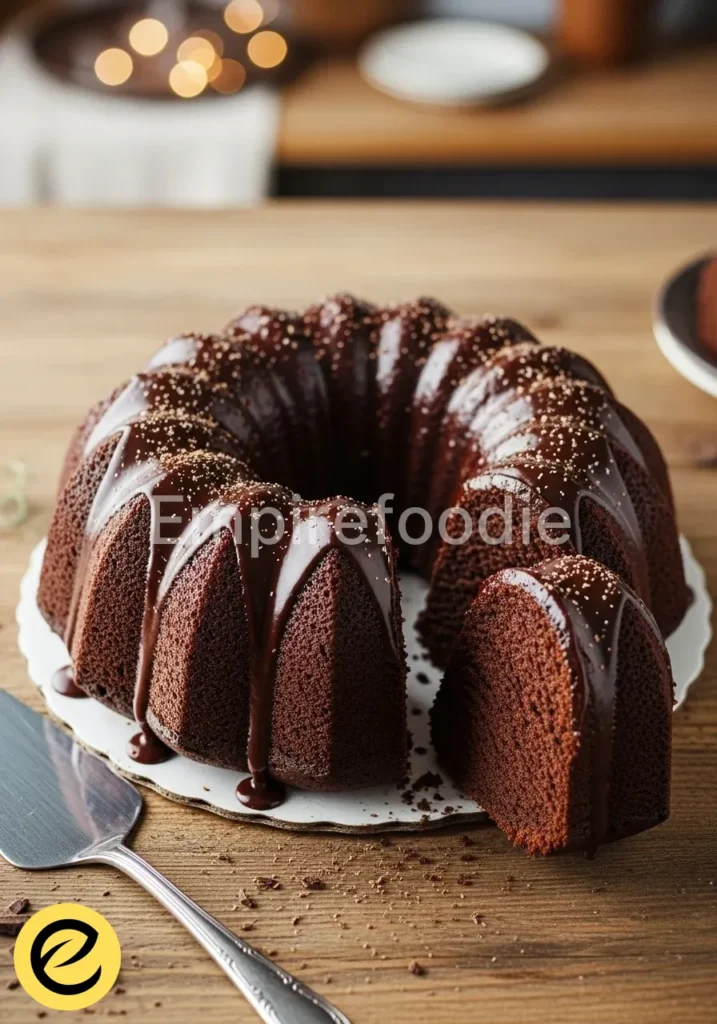
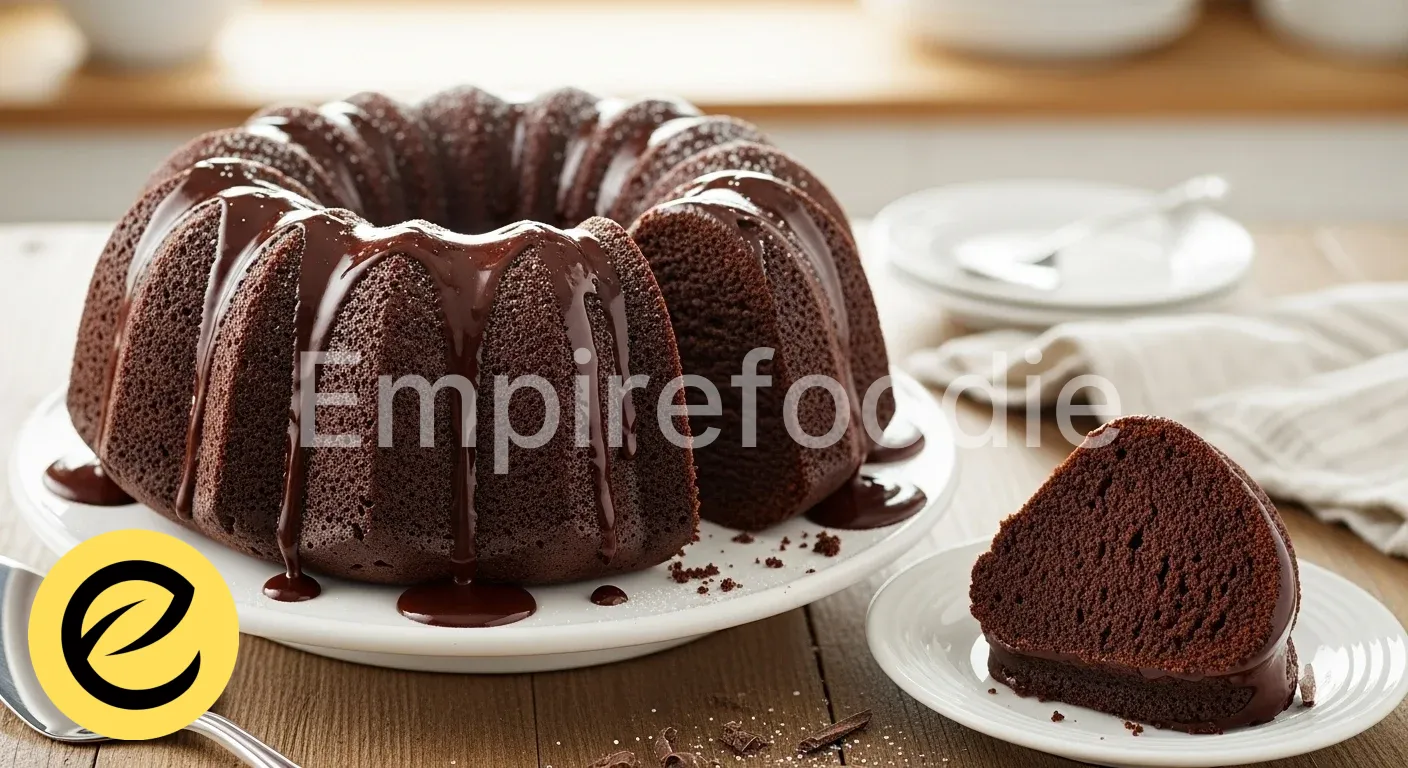
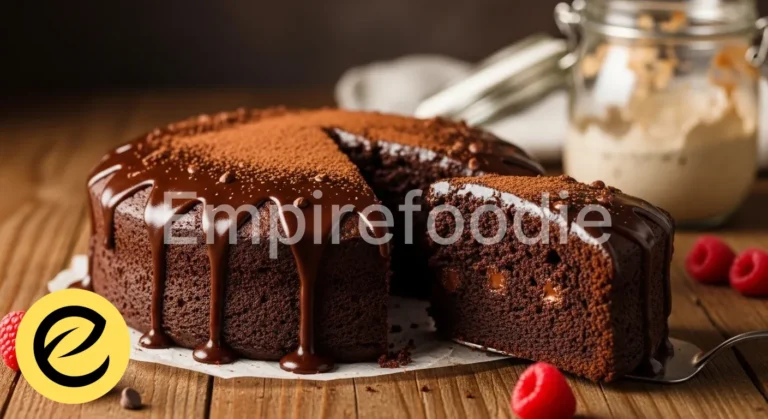
Forget ordinary chocolate cake; this is a rich, deeply satisfying sourdough chocolate cake, a true culinary adventure. Imagine a moist, tender crumb, subtly infused with that tangy sourdough complexity that elevates every chocolatey bite. This isn’t just baking; it’s a flavor expedition, a high-speed hack to gourmet happiness right in your kitchen. Get ready to transform your starter into pure indulgence – fast!

Table of Contents

Why You’ll Love This Sourdough Chocolate Cake

  • Unforgettable flavor profile: The tang of sourdough perfectly balances rich chocolate, creating a symphony of taste.
  • Effortlessly moist: Active sourdough cultures enhance the cake’s tenderness and extend its incredible shelf life.
  • Surprisingly easy: A high-speed culinary hack to a gourmet-level dessert, perfect for even the busiest schedules.
  • Digestive benefits: The fermentation process can make this delightful sourdough chocolate cake easier to digest.
  • Global appeal: A comfort food classic infused with an adventurous, modern twist, appealing to all palates.

Ingredients You’ll Need

sourdough chocolate cake

Crafting this incredible sourdough chocolate cake starts with sourcing quality ingredients. Think of them as your passport to flavor. Don’t skimp on the good stuff; your taste buds will thank you!

  • Active Sourdough Starter: 1 cup (240g), fed and bubbly, at its peak activity. This is your secret weapon for structure and tang!
  • All-Purpose Flour: 1 ½ cups (180g). For a richer flavor, consider unbleached organic flour.
  • Unsweetened Cocoa Powder: ¾ cup (75g). Dutch-processed is fantastic for a darker color and smoother chocolate flavor.
  • Granulated Sugar: 1 ½ cups (300g). Don’t be shy; sugar balances the sourdough tang.
  • Baking Soda: 1 teaspoon. Essential for that airy, tender crumb.
  • Salt: ½ teaspoon. A pinch elevates all the flavors, especially the chocolate.
  • Large Eggs: 2, at room temperature. They bind everything together.
  • Whole Milk: 1 cup (240ml), at room temperature. Adds moisture and richness.
  • Vegetable Oil: ½ cup (120ml). Or any neutral-flavored oil like canola or grapeseed for ultimate moisture.
  • Vanilla Extract: 2 teaspoons. Pure vanilla is non-negotiable for depth of flavor.
  • Hot Coffee (or water): ½ cup (120ml). This super-enhances the chocolate flavor without making the cake taste like coffee.
  • Optional for Ganache: 1 cup (170g) chocolate chips (dark or semi-sweet), ½ cup (120ml) heavy cream.

Substitutions & Variations

[ra_display_video url=”https://www.youtube.com/watch?v=7gAHQIgac-Q”]

Wassim’s kitchen is all about adaptability and healthy hacks! Don’t let a missing ingredient stop your culinary journey. Here are some smart, healthy swaps to keep your sourdough chocolate cake adventure on track:

  • Flour Power: Swap up to half of the all-purpose flour for whole wheat pastry flour or a gluten-free all-purpose blend (ensure it contains xanthan gum) for added fiber without sacrificing too much texture.
  • Sweet Swaps: Reduce granulated sugar by ¼ cup and substitute with maple syrup or coconut sugar for a more complex, less refined sweetness. Adjust liquid slightly if using liquid sweeteners.
  • Dairy-Free Delight: Replace whole milk with your favorite unsweetened plant-based milk (almond, soy, or oat milk work beautifully) and vegetable oil with melted coconut oil (ensure it’s neutral-flavored).
  • Boost the Greens (Subtly): For an invisible nutrient boost, blend a handful of spinach into your milk before adding it to the batter. No one will know, but everyone benefits!
  • Spice It Up: Add a pinch of cayenne pepper or chili powder to the cocoa for a “Mexican Hot Chocolate” twist. A global flavor hack right in your cake!
  • Flavor Infusions: Stir in orange zest or a few drops of food-grade peppermint extract for a gourmet flavor variation.

In Wassim’s kitchen, creativity knows no bounds, especially when it comes to baking. If you’re looking for a delicious and healthy alternative for your next treat, consider trying these peanut butter bars as a delightful swap!

Equipment You’ll Need

Every culinary explorer needs their tools! This sourdough chocolate cake adventure requires just a few basic items, but having them ready ensures a smooth, high-speed baking process:

  • 9-inch Round Cake Pan: Or an 8×8 inch square pan for a thicker cake.
  • Parchment Paper: Essential for easy cake removal and cleanup.
  • Large Mixing Bowl: For combining dry ingredients.
  • Medium Mixing Bowl: For wet ingredients.
  • Whisk: For aerating and combining.
  • Rubber Spatula: For scraping down bowls and folding.
  • Measuring Cups and Spoons: Accuracy is key for baking success.
  • Wire Rack: For cooling the cake evenly.
  • Oven: Your trusty heat source.

Step-by-Step Instructions

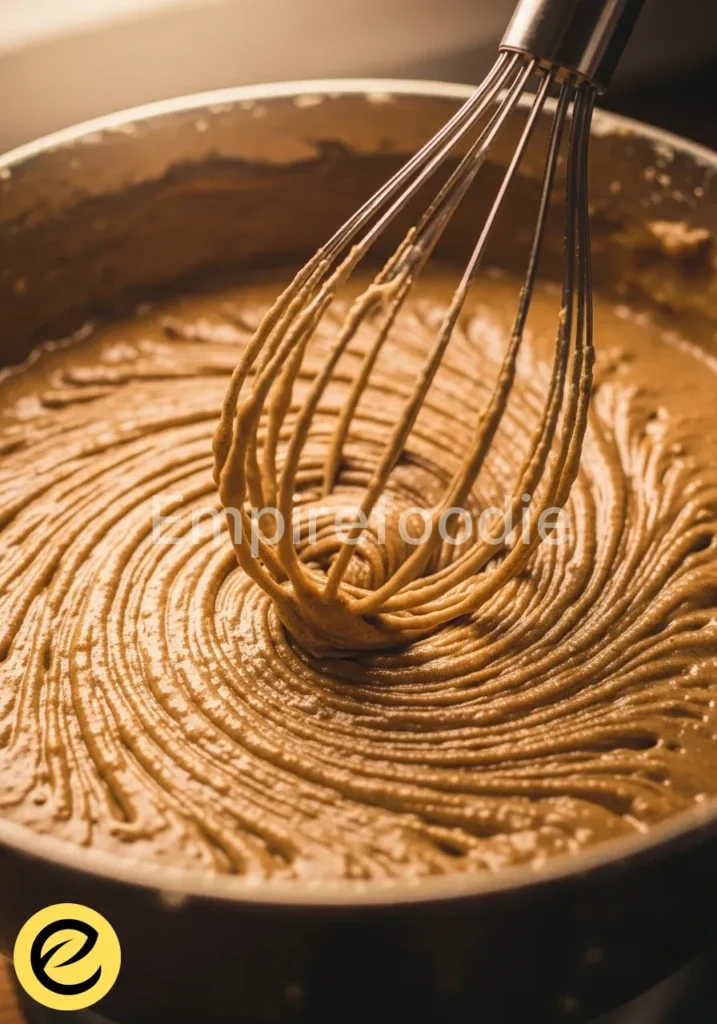
sourdough chocolate cake

Let’s get this delicious sourdough chocolate cake from kitchen counter to plate in no time! Follow these clear, high-speed steps for a perfect bake every time. Think of it as your express lane to gourmet bliss.

  1. Preheat & Prep: Preheat your oven to 350°F (175°C). Lightly grease and flour your 9-inch round cake pan. For extra security, line the bottom with parchment paper. This hack ensures your cake releases perfectly.
  2. Combine Dry Ingredients: In a large mixing bowl, whisk together the all-purpose flour, unsweetened cocoa powder, granulated sugar, baking soda, and salt. Make sure everything is well combined and lump-free.
  3. Mix Wet Ingredients: In a separate medium mixing bowl, whisk together the active sourdough starter, large eggs, whole milk, vegetable oil, and vanilla extract until smooth and fully integrated.
  4. Combine Wet and Dry: Pour the wet ingredient mixture into the dry ingredient mixture. Using your rubber spatula, mix until just combined. Be careful not to overmix; overmixing develops gluten and can lead to a tough cake. A few small lumps are perfectly fine.
  5. Add Hot Coffee: Gently stir in the hot coffee (or hot water) until the batter is smooth. The batter will be thin, and that’s exactly what we want for an incredibly moist cake. The hot liquid also helps to bloom the cocoa, intensifying the chocolate flavor.
  6. Bake It Up: Pour the thin batter into your prepared cake pan. Place it in the preheated oven and bake for 30-35 minutes, or until a wooden skewer or toothpick inserted into the center comes out clean. Every oven is different, so start checking early!
  7. Cool Down: Once baked, remove the cake from the oven and let it cool in the pan on a wire rack for about 10-15 minutes. This allows the cake to set properly.
  8. Invert & Finish Cooling: Carefully invert the cake onto the wire rack to cool completely. Resist the urge to frost it while warm; patience ensures a perfectly set frosting.
  9. Optional Ganache: While the cake cools, prepare your ganache. In a microwave-safe bowl, combine chocolate chips and heavy cream. Microwave in 30-second intervals, stirring after each, until smooth and glossy. Pour over the cooled cake for an extra layer of decadence.

As you follow the quick steps to achieve the perfect sourdough chocolate cake, you might find joy in also exploring other delightful dessert options. Check out these chocolate cookies with white chips that are as easy to make and equally satisfying!

Pro Tips for Success

To truly master this sourdough chocolate cake, Wassim shares his high-speed pro tips. These aren’t just suggestions; they’re game-changers for a perfect bake every time, elevating your home kitchen to a gourmet bakery:

  • Active Starter is KEY: Your sourdough starter must be active and bubbly, fed 4-12 hours prior to baking, and at its peak. A sleepy starter won’t give you the desired lift or tang. This is fundamental for the cake’s unique texture.
  • Room Temperature Ingredients: Ensure eggs and milk are at room temperature. This helps them emulsify better with the other ingredients, leading to a smoother batter and a more uniform, tender crumb.
  • Don’t Overmix: Once you combine the wet and dry ingredients, mix only until just incorporated. Overmixing develops gluten, which can make your chocolate cake tough and chewy instead of tender and moist.
  • The Coffee Secret: Always use hot coffee (or hot water). The heat helps to “bloom” the cocoa powder, intensifying the chocolate flavor without adding a distinct coffee taste. It’s a classic baking hack!
  • Pan Size Matters: A 9-inch round pan yields a slightly thinner cake, while an 8-inch round or square pan will give you a taller, thicker slice. Adjust baking time accordingly; a thicker cake may need a few extra minutes.
  • Test for Doneness Reliably: A wooden skewer or toothpick should come out clean, but don’t overbake! Overbaked cake dries out quickly. Look for edges that pull slightly away from the pan.
  • Cool Completely: This cannot be stressed enough. Attempting to frost a warm cake will result in melted, messy frosting. Patience is a virtue here.
  • Double the Recipe for Adventures: If you’re entertaining or just love having extra on hand, double the recipe and bake in two 9-inch pans for a glorious layer cake!

Storage & Reheating Tips

Keeping your sourdough chocolate cake fresh is simple, ensuring every bite is as delightful as the first. Think of it as preserving a precious culinary memory!

  • Countertop: Store unfrosted cake in an airtight container at room temperature for up to 3 days. If frosted with a non-perishable frosting (like a simple powdered sugar glaze), it can also stay on the counter.
  • Refrigeration: If your cake is frosted with a dairy-based ganache or cream cheese frosting, store it in an airtight container in the refrigerator for up to 5-7 days. Bring to room temperature before serving for best flavor and texture.
  • Freezing: For long-term storage, wrap individual slices or the whole unfrosted cake tightly in plastic wrap, then in aluminum foil. Freeze for up to 2-3 months. Thaw overnight in the refrigerator, then bring to room temperature before serving or frosting.
  • Reheating (for freshness): If you want to warm a slice, microwave for 10-15 seconds. This can slightly soften the cake and enhance its aroma, almost like it’s fresh from the oven.

To keep your sourdough chocolate cake tasting fresh, impeccable storage is critical. For a delightful twist on cookie recipes, consider trying these raspberry white chocolate cookies that make for a perfect companion treat!

What to Serve With This Recipe

sourdough chocolate cake

This rich sourdough chocolate cake is a star on its own, but even the best solo acts shine brighter with a great supporting cast. Wassim believes in balancing indulgence with healthy, fresh pairings:

  • Fresh Berries: A vibrant medley of raspberries, strawberries, or blueberries provides a natural sweetness and tart contrast, cutting through the richness of the chocolate.
  • Lightly Whipped Coconut Cream: For a dairy-free and lighter alternative to traditional whipped cream, offering a delicate sweetness and creamy texture.
  • Mint Tea or Espresso: A hot beverage can cleanse the palate. A strong espresso or a refreshing mint tea are perfect complements, especially after a hearty meal.
  • Greek Yogurt with Honey Drizzle: A dollop of plain Greek yogurt offers a tangy, creamy counterpoint, while a touch of honey adds a natural sweetness and depth.
  • Fruit Salad: A simple, brightly flavored fruit salad with seasonal fruits adds freshness and a healthy, refreshing element.
  • Roasted Vegetables (No, not with the cake!): This is Wassim’s hack for dinner. You’ve enjoyed your cake; now, for dinner, balance it with colorful, nutritious roasted veggies like broccoli or bell peppers for a full-circle healthy day.

Frequently Asked Questions (FAQ)

Can I make this sourdough chocolate cake without a starter?

While this recipe specifically leverages the unique tang and moisture of an active sourdough starter, you could adapt a traditional chocolate cake recipe by replacing a portion of the liquid with buttermilk or sour cream for a similar tang. However, the true depth and texture of this sourdough chocolate cake come from the fermented starter, so it’s highly recommended to use it for the authentic experience.

What if my sourdough starter isn’t very active?

For the best results with this sourdough chocolate cake, an active and bubbly starter is crucial. If your starter seems sluggish, give it a few feedings (every 4-6 hours) until it consistently doubles or triples in size within that timeframe. A less active starter might result in a denser cake with less of the characteristic sourdough tang.

Can I make this cake ahead of time?

Absolutely! This sourdough chocolate cake is fantastic for making ahead. The sourdough actually helps it stay incredibly moist and delicious for several days.

Bake the cake, allow it to cool completely, then wrap it tightly and store at room temperature for up to 3 days, or refrigerate if frosted with dairy. It can even be frozen for longer storage.

Sourdough chocolate cake is a wonderful fusion of traditional chocolate cake and the unique flavors of sourdough. This cake is not just delicious but also incorporates a fermentation process that can enhance its digestibility and flavor, making it a favorite among home bakers looking for something special; learn more about the wonderful world of baking through this baking link.

Final Thoughts

This sourdough chocolate cake isn’t just a recipe; it’s a global adventure, a high-speed hack to pure joy. Unleash your inner explorer, transform your kitchen into a flavor factory, and share this indulgent, secretly sophisticated dessert. It’s a reminder that the best culinary experiences are both adventurous and deeply comforting.
Nutrition Information (per serving)

(Estimated for one slice, based on 12 servings, unfrosted)

NutrientAmount
Calories350-400 kcal
Total Fat18-22 g
Saturated Fat3-5 g
Cholesterol35-45 mg
Sodium200-250 mg
Total Carbohydrates45-55 g
Dietary Fiber3-4 g
Total Sugars30-40 g
Protein5-7 g

sourdough chocolate cake

Prep Time 20 minutes
Cook Time 35 minutes
Total Time 55 minutes
Servings 12 servings servings
Calories 375
A rich, deeply satisfying sourdough chocolate cake, moist with a tender crumb and subtly infused with tangy sourdough complexity.

Ingredients

  • 1 cup (240g) active sourdough starter, fed and bubbly
  • 1 ½ cups (180g) all-purpose flour
  • ¾ cup (75g) unsweetened cocoa powder
  • 1 ½ cups (300g) granulated sugar
  • 1 teaspoon baking soda
  • ½ teaspoon salt
  • 2 large eggs, at room temperature
  • 1 cup (240ml) whole milk, at room temperature
  • ½ cup (120ml) vegetable oil
  • 2 teaspoons vanilla extract
  • ½ cup (120ml) hot coffee or water

Instructions 

  • Preheat your oven to 350°F (175°C) and prepare a 9-inch round cake pan.
  • In a large mixing bowl, whisk together the all-purpose flour, cocoa powder, sugar, baking soda, and salt.
  • In a separate mixing bowl, whisk together the sourdough starter, eggs, milk, oil, and vanilla extract until smooth.
  • Combine the wet and dry mixtures, mixing gently until just combined.
  • Stir in the hot coffee until the batter is smooth.
  • Pour the batter into the prepared cake pan and bake for 30-35 minutes.
  • Cool the cake for 10-15 minutes in the pan, then invert onto a wire rack to cool completely.

Notes

Store unfrosted in an airtight container at room temperature for up to 3 days. For frosting, use a ganache made of chocolate chips and heavy cream.
Calories: 375kcal
Course: Dessert
Cuisine: American
Keyword: Chocolate Cake, dessert, sourdough

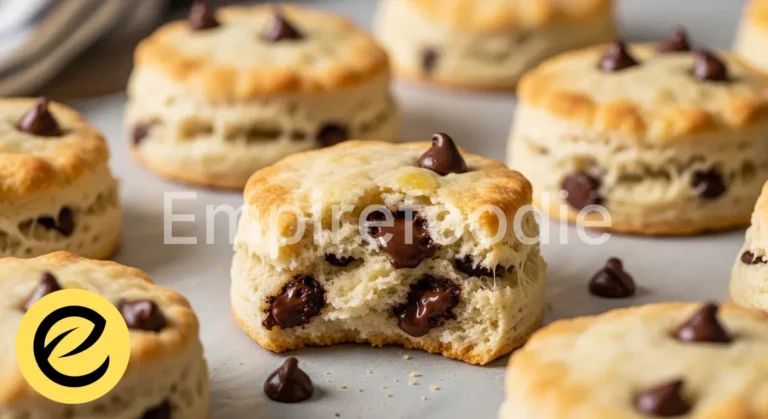
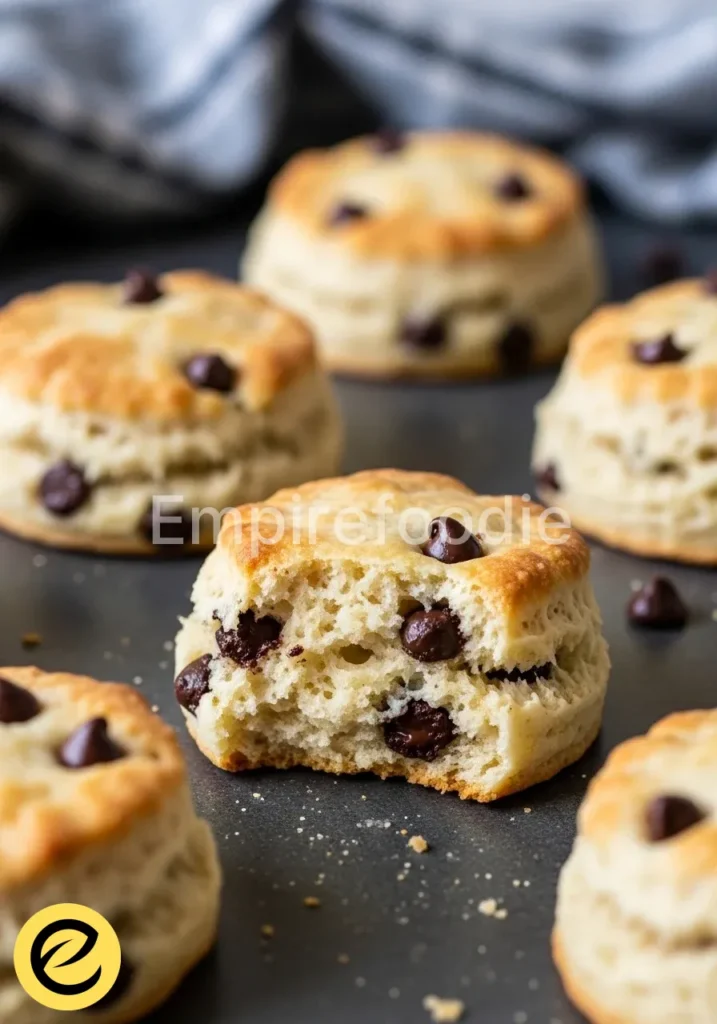
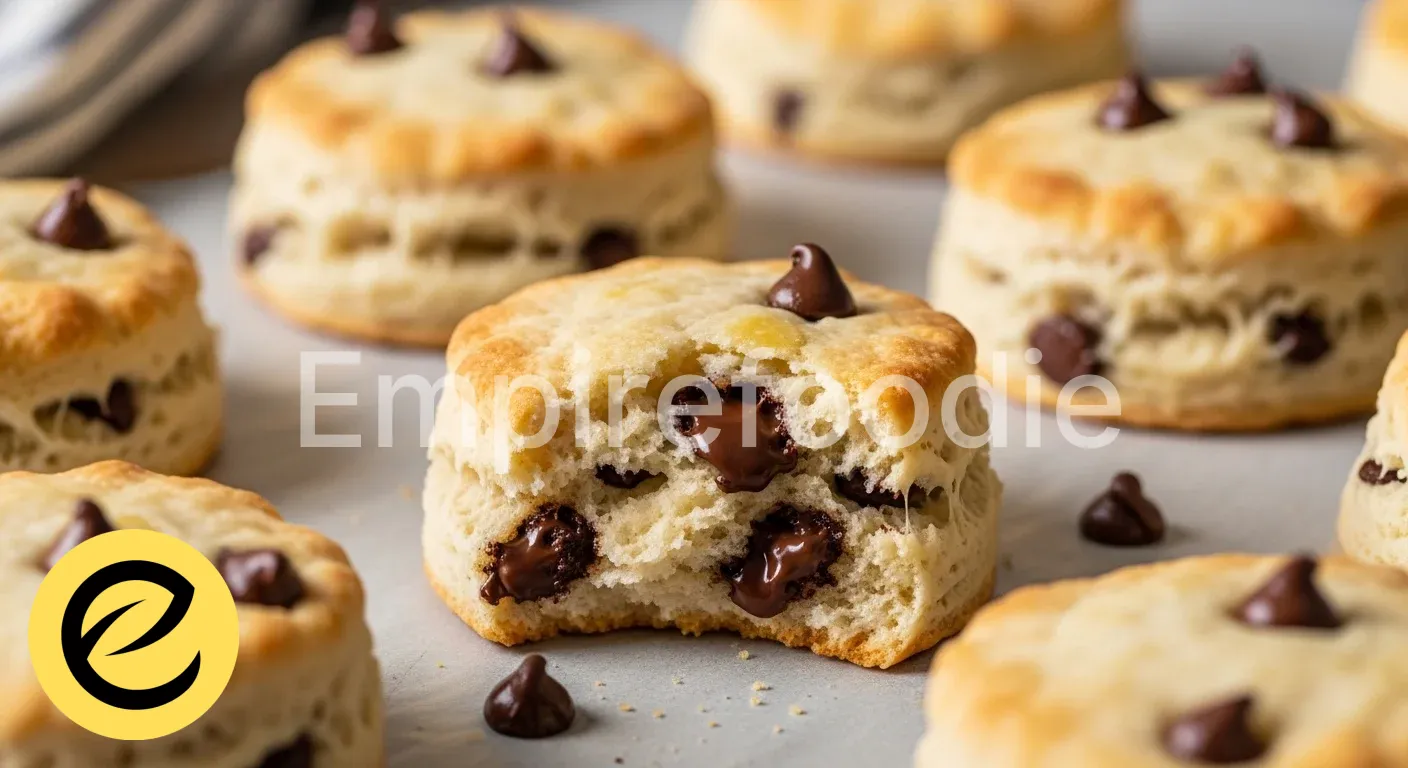
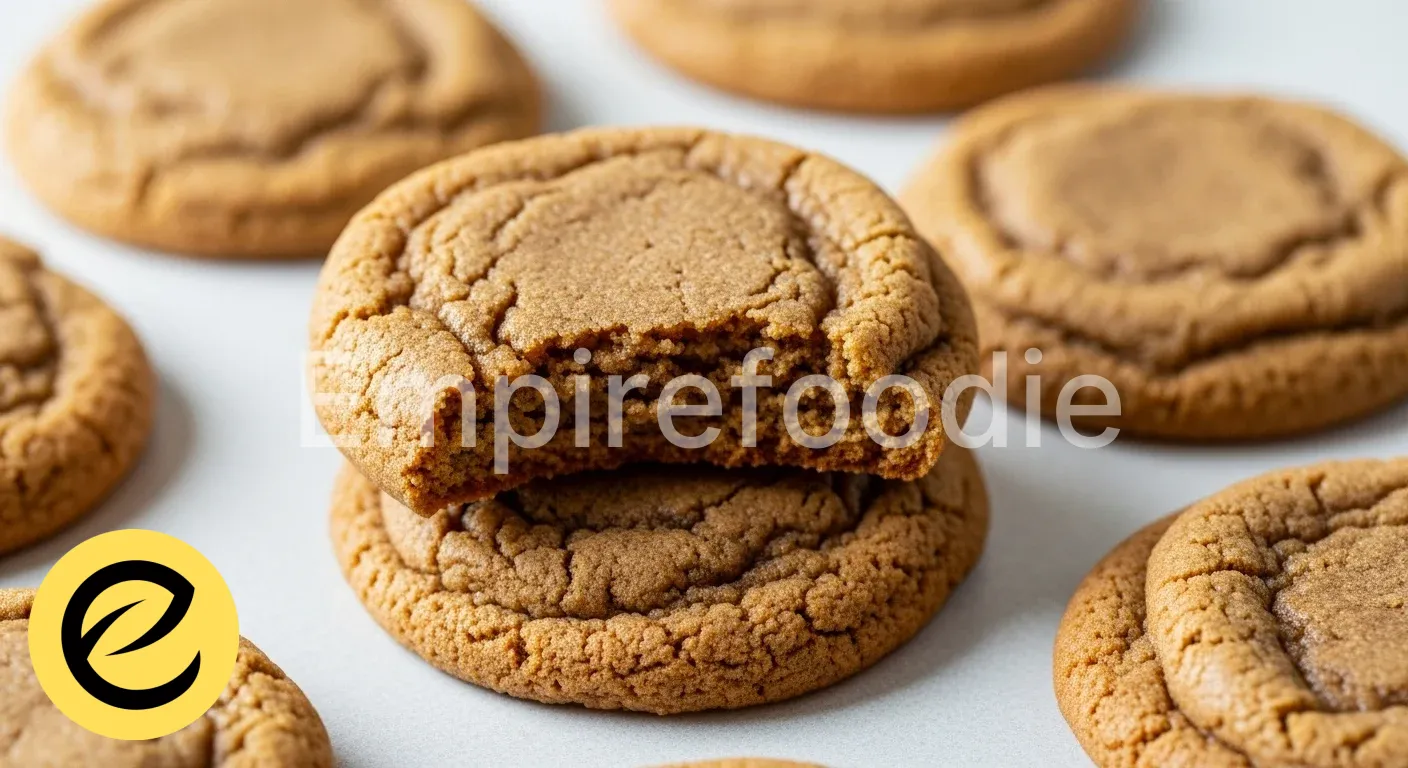
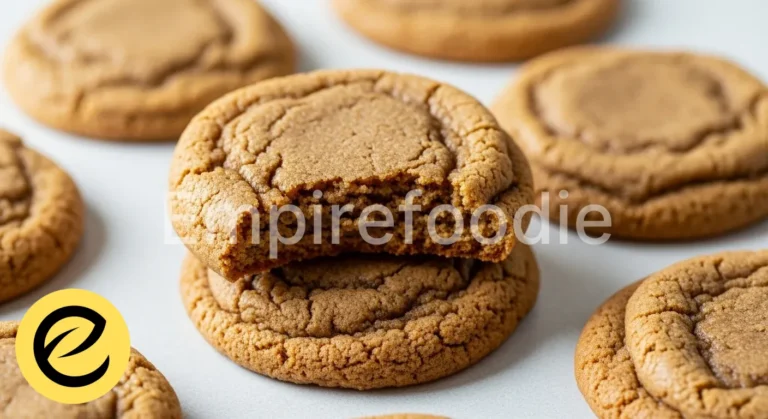
Nothing quite captures the essence of a cozy kitchen like freshly baked chocolate chip biscuits. Imagine that perfect bite: a golden-brown exterior, slightly crisp, giving way to a tender, chewy interior, studded with generous pools of melted chocolate. These delightful treats aren’t just a dessert; they are a comforting embrace, a moment of pure joy. Prepare to create the most incredible chocolate chip biscuits, guaranteed to bring warmth to any home.
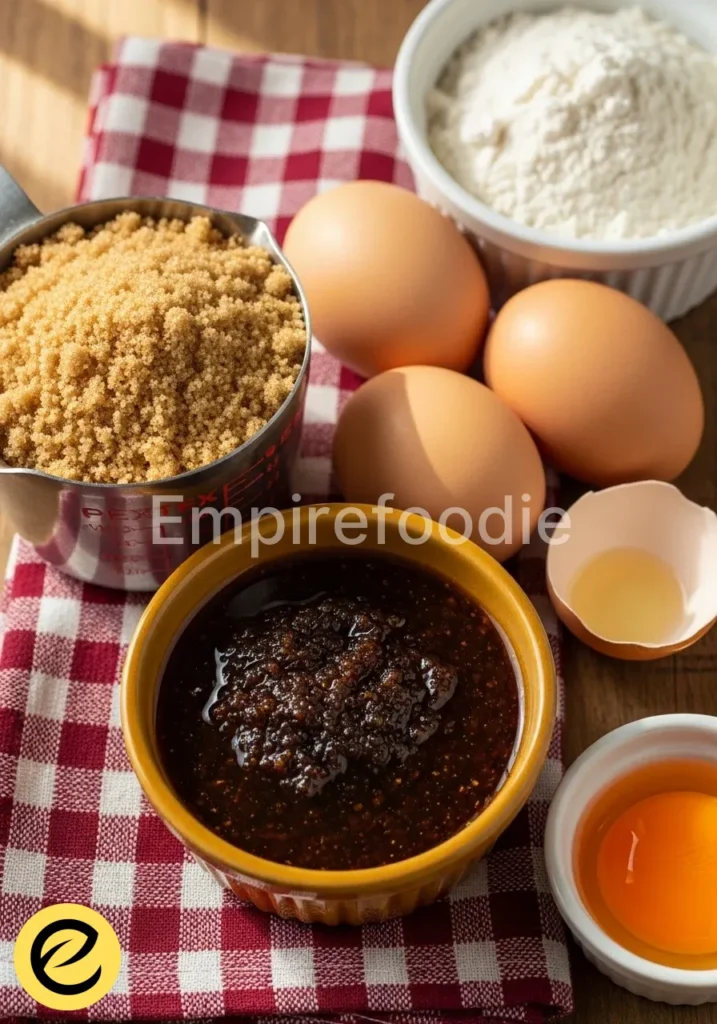
Table of Contents

Why You’ll Love These Irresistible Chocolate Chip Biscuits

  • Pure Comfort: These chocolate chip biscuits offer a heartwarming taste of home.
  • Effortless Joy: Simple steps mean delicious results for everyone.
  • Wholesome Goodness: Crafted with quality ingredients for a delightful treat.

Ingredients You’ll Need

chocolate chip biscuits

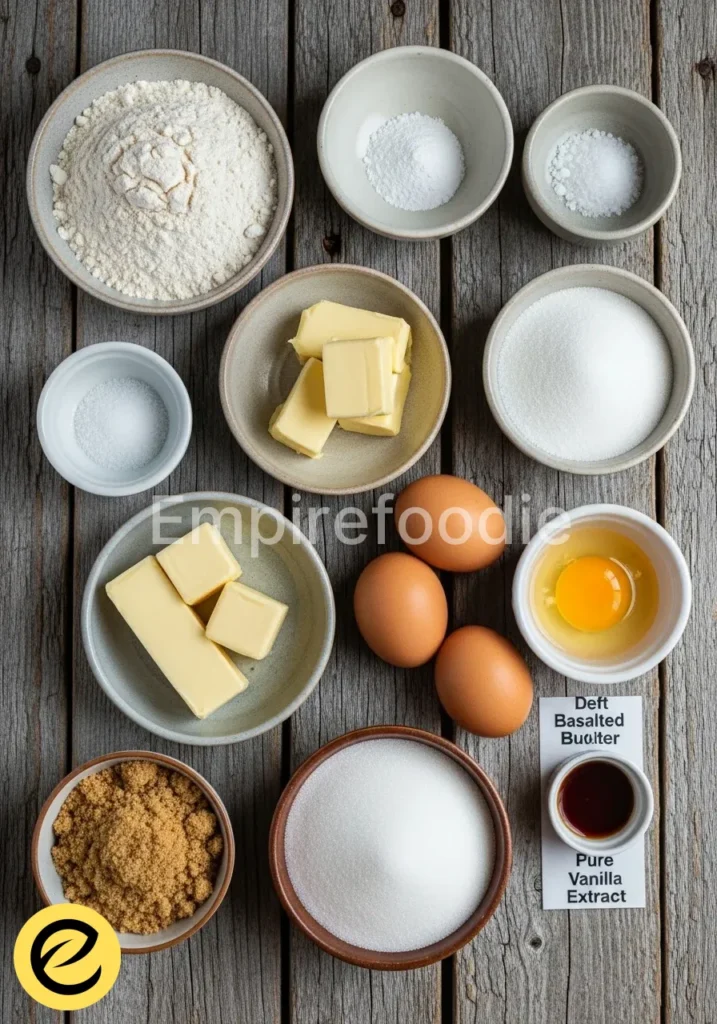
My grandmother always said, the soul of a good chocolate chip biscuit lies in its ingredients. Opt for quality; fresh, unsalted butter and good vanilla truly make a difference. These simple, wholesome pantry staples create that comforting, rustic flavor everyone adores.

  • All-Purpose Flour: 2 ½ cups (300g), unbleached.
  • Baking Soda: 1 teaspoon, for rise and chew.
  • Salt: ½ teaspoon, sea salt preferred for balance.
  • Unsalted Butter: 1 cup (226g), softened.
  • Granulated Sugar: ¾ cup (150g), for crispness.
  • Light Brown Sugar: ¾ cup (160g), packed, for moisture and chew in these chocolate chip biscuits.
  • Large Eggs: 2, at room temperature.
  • Vanilla Extract: 2 teaspoons, pure vanilla for aroma.
  • Chocolate Chips: 1 ½ cups (250g), semi-sweet and dark mix.
  • Optional: Flaky sea salt for sprinkling.

Substitutions & Variations

[ra_display_video url=”https://www.youtube.com/watch?v=ZhpRORmQics”]

Embrace flexibility for your chocolate chip biscuits! For healthier options, swap half the all-purpose flour with whole wheat pastry flour, or use coconut sugar. Dark chocolate chips reduce sweetness, while a handful of chopped walnuts adds healthy fats and a delightful crunch. Simple tweaks for delicious results.

For those looking to diversify their biscuit-making skills, consider trying a variation with white chocolate. You can find a delicious recipe for these treats in our article on chocolate cookies with white chips.

Equipment You’ll Need

The right tools smooth the baking process, ensuring your chocolate chip biscuits are consistently delightful, a tradition from my family’s kitchen.

  • Large Mixing Bowls
  • Electric Mixer (stand or handheld)
  • Measuring Cups and Spoons
  • Rubber Spatula
  • Baking Sheets (lined with parchment)
  • Wire Rack
  • Cookie Scoop (optional, for uniform chocolate chip biscuits)

Step-by-Step Instructions

chocolate chip biscuits

Bringing the comforting aroma of fresh chocolate chip biscuits into your home is simple. This family method ensures perfect tenderness every time.

  1. Prepare Workspace: Preheat oven to 375°F (190°C). Line two baking sheets with parchment paper.
  2. Combine Dry: Whisk flour, baking soda, and salt in a medium bowl. Set aside.
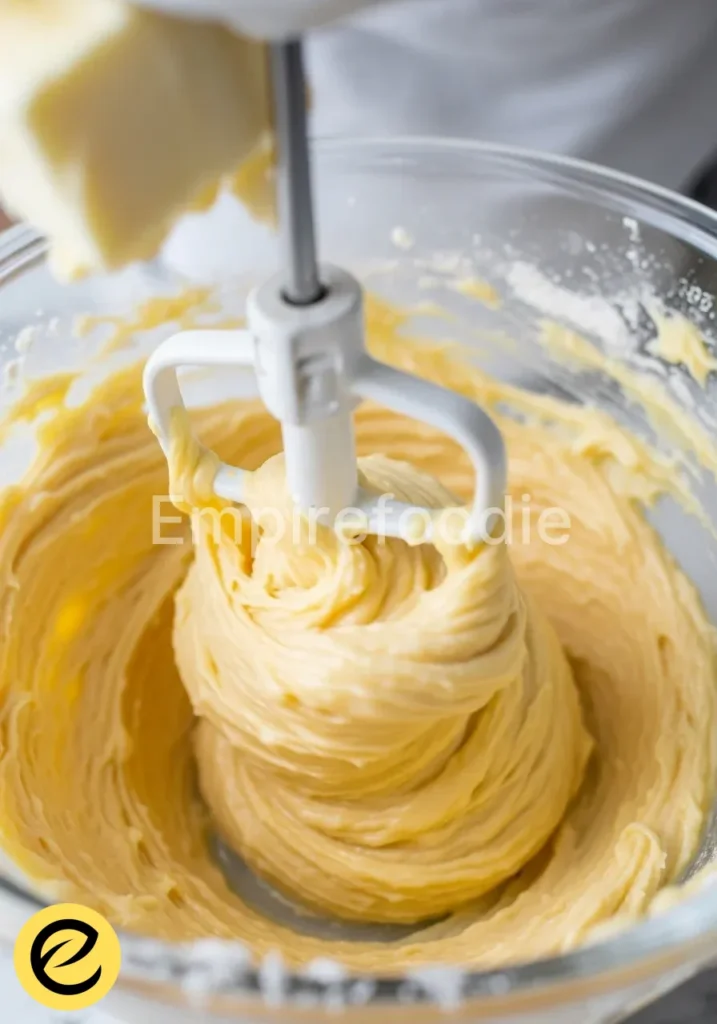
  3. Cream Wet: In a large bowl, cream softened unsalted butter with granulated and light brown sugar until light and fluffy (2-3 minutes).
  4. Add Eggs/Vanilla: Beat in eggs one at a time, then vanilla. Scrape bowl sides.
  5. Gradually Add Dry: Slowly add dry ingredients to wet, mixing on low until just combined. Do not overmix these chocolate chip biscuits.
  6. Fold in Chocolate: Gently fold in chocolate chips with a spatula until evenly distributed.
  7. Scoop and Bake: Drop rounded tablespoons of dough 2 inches apart onto prepared sheets.
  8. Bake: Bake 9-12 minutes, until edges are golden and centers slightly soft. Watch your chocolate chip biscuits carefully.
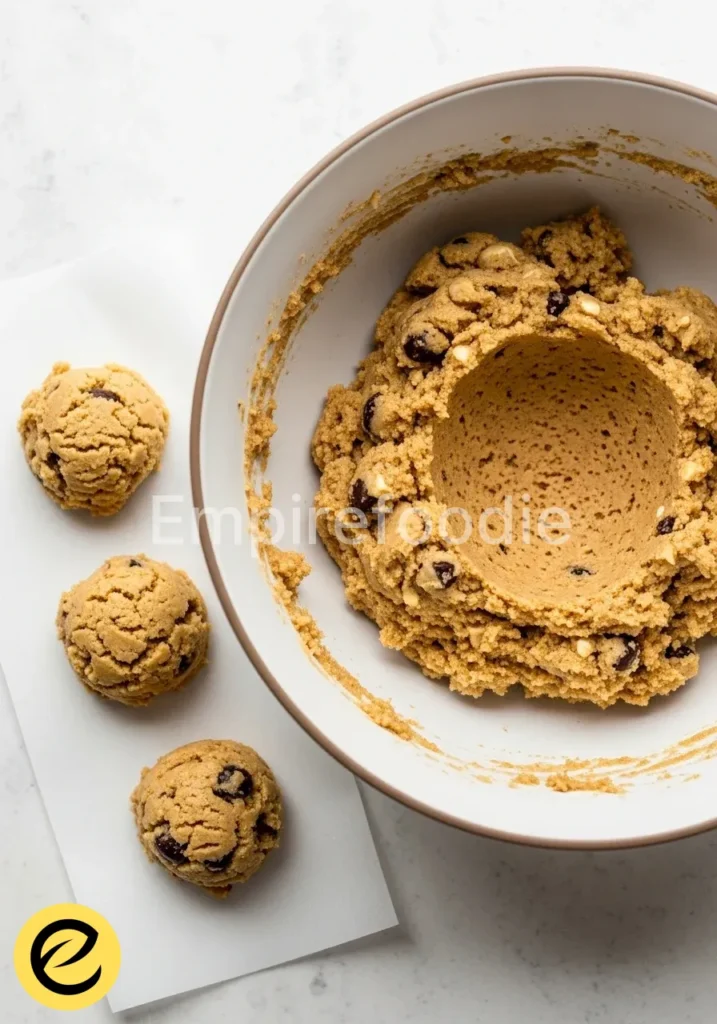
  9. Cool: Remove from oven, cool on sheets for 5 minutes, then transfer to a wire rack to cool completely. Serve warm!
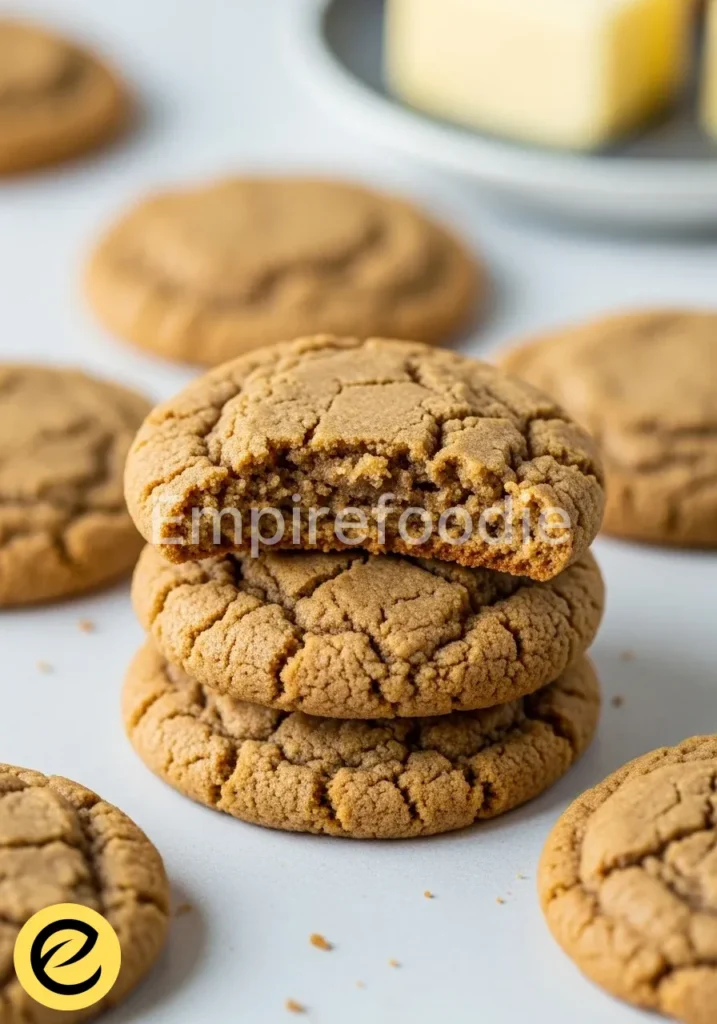
If you enjoy experimenting with flavors, you might want to try adding raspberry to your cookie dough for a delightful twist. Check out our recipe for raspberry white chocolate cookies that perfectly complements the classic chocolate chip biscuit.

Pro Tips for Success

These cherished secrets, passed down through my family, ensure your chocolate chip biscuits are a triumph, just like those from my grandmother’s farmhouse kitchen.

  • Room Temperature: Ensure butter and eggs are at room temperature for a lighter, fluffier texture in your chocolate chip biscuits.
  • Don’t Overmix: Mix flour only until just combined to avoid tough chocolate chip biscuits.
  • Chill Dough: For thicker, chewier biscuits, chill dough for 30 minutes or overnight. Flavors deepen, and spreading reduces.
  • Salt Sprinkle: A sprinkle of flaky sea salt on top before baking enhances chocolate.
  • Rotate Sheets: Rotate baking sheets halfway for even browning.
  • Underbake Slightly: Remove when edges are golden but centers are still slightly soft for gooey chocolate chip biscuits.

Storage & Reheating Tips

Preserving the deliciousness of your homemade chocolate chip biscuits is easy with these farmhouse kitchen tips.

  • Airtight Container: Store cooled chocolate chip biscuits at room temperature for 3-4 days to prevent drying.
  • Freezing Baked: Freeze baked chocolate chip biscuits in an airtight container for up to 3 months. Thaw or warm gently.
  • Freezing Dough: Scoop dough balls, freeze solid, then transfer to a freezer bag. Bake from frozen, adding a few minutes.
  • Reheating: Reheat in a 300°F (150°C) oven for 5-7 minutes, or microwave for 10-15 seconds for warm, gooey centers.

To keep your biscuits fresh for longer, consider incorporating some peanut butter for a richer flavor. Our tips on peanut butter chocolate cookies will help you preserve the goodness of your homemade creations.

What to Serve With Your Perfect Chocolate Chip Biscuits

chocolate chip biscuits

Elevate your chocolate chip biscuit experience with thoughtful pairings. Even sweet treats benefit from wholesome balance, a lesson from our farmhouse.

  • Fresh Fruit: A platter of berries or sliced apples offers a refreshing counterpoint.
  • Greek Yogurt: A dollop of plain Greek yogurt with honey adds protein and tang.
  • Herbal Tea/Coffee: A warm beverage is perfect for a cozy moment with your chocolate chip biscuits.
  • Roasted Carrots/Sweet Potatoes: A surprising sweet-savory balance for a unique dessert.

Frequently Asked Questions (FAQ) About Chocolate Chip Biscuits

Can I make chocolate chip biscuits gluten-free?

Absolutely! For gluten-free chocolate chip biscuits, substitute the all-purpose flour with a 1:1 gluten-free baking flour blend that contains xanthan gum. You might notice a slightly different texture, but they will still be wonderfully delicious. Always ensure your other ingredients are certified gluten-free.

Why are my chocolate chip biscuits flat and spreading too much?

Several factors can cause flat chocolate chip biscuits. Your butter might have been too soft or even melted, or you might not have used enough flour. Ensure your baking soda is fresh and active.

Chilling the dough is also a fantastic way to prevent excessive spreading, allowing the butter to firm up and the flavors to deepen. Make sure your oven temperature is accurate; a too-low oven can also contribute to spreading.

Can I use different types of chocolate in my chocolate chip biscuits?

Certainly! My family loves to experiment. While semi-sweet is classic, feel free to use milk chocolate, dark chocolate, white chocolate, or even a combination.

You can also chop up a chocolate bar for uneven, melty puddles, adding a sophisticated touch to your chocolate chip biscuits. Remember, the quality of your chocolate significantly impacts the final taste.

Chocolate chip biscuits are a beloved treat enjoyed by many, often associated with warm memories of baking in the kitchen. Their versatility and comforting flavor have made them a staple in dessert recipes, making them a must-try for any baking enthusiast. You can learn more about these delectable treats through this link.

Final Thoughts

Baking these chocolate chip biscuits is more than just following a recipe; it’s an act of love, a connection to the warmth of home and the cherished memories of generations past. Each batch carries the whispers of my grandmother’s kitchen, a comforting legacy. Share these farmhouse treats, and watch them become a treasured part of your own family’s story.

Nutrition Information (per serving)

This approximate nutritional breakdown is for one chocolate chip biscuit, based on 24 servings per recipe. Please note, values can vary based on specific ingredients and brands used.

NutrientAmount
Calories210 kcal
Total Fat12g
Saturated Fat7g
Cholesterol35mg
Sodium110mg
Total Carbohydrates25g
Dietary Fiber1g
Total Sugars17g
Protein2g

chocolate chip biscuits

Prep Time 20 minutes
Cook Time 12 minutes
Total Time 32 minutes
Servings 24 biscuits servings
Calories 210
These chocolate chip biscuits feature a golden-brown exterior with a slightly crisp texture and a tender, chewy interior, filled with generous pools of melted chocolate. A perfect treat for any occasion, bringing warmth and joy to your kitchen.

Ingredients

  • 2 ½ cups all-purpose flour
  • 1 teaspoon baking soda
  • ½ teaspoon sea salt
  • 1 cup unsalted butter, softened
  • ¾ cup granulated sugar
  • ¾ cup light brown sugar, packed
  • 2 large eggs, at room temperature
  • 2 teaspoons vanilla extract
  • 1 ½ cups chocolate chips, semi-sweet and dark mix
  • Optional: Flaky sea salt for sprinkling

Instructions 

  • Preheat oven to 375°F (190°C) and line two baking sheets with parchment paper.
  • Whisk flour, baking soda, and salt in a medium bowl and set aside.
  • In a large bowl, cream softened butter with granulated and brown sugar until light and fluffy, about 2-3 minutes.
  • Beat in eggs one at a time, then add vanilla and scrape the sides of the bowl.
  • Gradually add dry ingredients to wet ingredients and mix on low until just combined.
  • Gently fold in chocolate chips with a spatula until evenly distributed.
  • Drop rounded tablespoons of dough onto prepared sheets, spaced 2 inches apart.
  • Bake for 9-12 minutes until edges are golden and centers are slightly soft.
  • Cool on sheets for 5 minutes, then transfer to a wire rack to cool completely.

Notes

For thicker biscuits, chill the dough for 30 minutes or overnight. For gluten-free options, substitute all-purpose flour with a gluten-free baking blend.
Calories: 210kcal
Course: Dessert
Cuisine: American
Keyword: baking, biscuits, Chocolate Chip, cookies, dessert

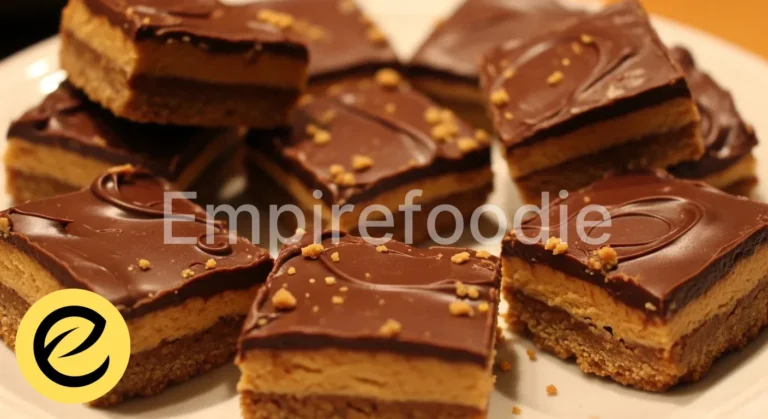
There’s a certain magic in a treat that instantly transports you back to simpler times, to grandma’s kitchen filled with warmth and the comforting scent of baking. These peanut butter bars are exactly that – a slice of pure, unadulterated nostalgia. Imagine a buttery, crumbly base that melts in your mouth, topped with a rich, creamy peanut butter layer, and finished with a dreamy chocolate ganache.

Each bite offers the perfect balance of salty and sweet, soft and slightly chewy, making them an irresistible farmhouse favorite. This beloved recipe for peanut butter bars brings joy and a taste of home, perfect for sharing or savoring a quiet moment with a cup of tea.

Table of Contents

Why You’ll Love These Peanut Butter Bars

As a grandmother who cherishes the heritage of farmhouse baking, I can tell you these peanut butter bars are more than just a dessert; they are a legacy. Their simplicity and heartwarming flavor make them a treasured part of any family gathering. These bars truly embody comfort and joy, just like a warm hug from someone you love.

  • Unforgettable Flavor: Experience the perfect harmony of rich peanut butter and decadent chocolate, a truly classic combination that satisfies every craving.
  • Effortless Preparation: No complex techniques or fancy equipment needed. This recipe for peanut butter bars comes together quickly with minimal fuss.
  • Wholesome Goodness: Using quality ingredients, these bars offer a delightful treat that you can feel good about sharing with your loved ones.
  • Crowd-Pleasing: From potlucks to family dinners, these peanut butter bars consistently disappear first, making them a guaranteed hit.

Ingredients You’ll Need

peanut butter bars

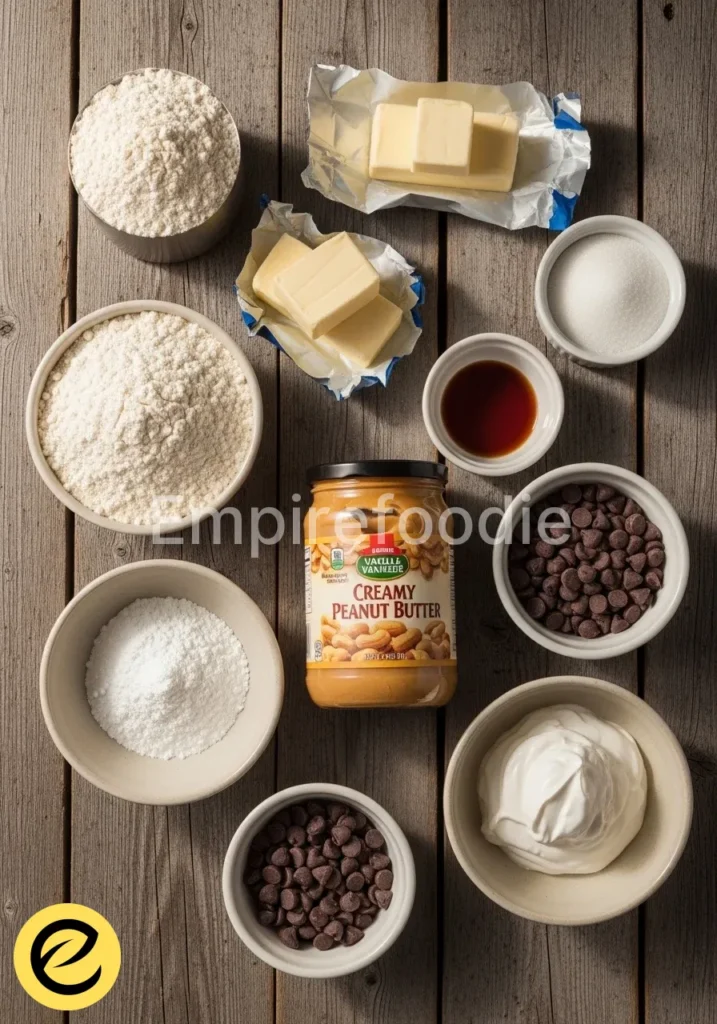
Gathering your ingredients is the first step in creating these delightful peanut butter bars. Just like selecting the freshest produce from the garden, choosing quality components makes all the difference in the final taste and texture. I always say, good food starts with good ingredients, and these bars are no exception.

  • For the Crust:
    • 2 cups all-purpose flour: Unbleached all-purpose flour creates a tender, buttery base for our peanut butter bars.
    • 1 cup unsalted butter: Softened to room temperature, good quality butter lends richness and a melt-in-your-mouth texture.
    • 1/2 cup granulated sugar: Provides the perfect touch of sweetness to balance the salty peanut butter.
    • 1 teaspoon vanilla extract: A hint of pure vanilla elevates the overall flavor of the crust.
    • 1/4 teaspoon salt: Just a pinch to enhance all the other flavors.
  • For the Peanut Butter Layer:
    • 1 cup creamy peanut butter: Choose a natural, creamy peanut butter for the best texture and flavor. It’s the star of these peanut butter bars!
    • 1/2 cup unsalted butter: Softened, this helps create a smooth, rich peanut butter filling.
    • 2 cups powdered sugar: Essential for achieving that silky-smooth, melt-in-your-mouth texture in the filling.
    • 1 teaspoon vanilla extract: Deepens the sweet and nutty notes.
  • For the Chocolate Topping:
    • 1 cup semi-sweet chocolate chips: High-quality chocolate chips melt beautifully for a glossy, decadent topping.
    • 1/2 cup heavy cream: Provides the luscious, pourable consistency for our ganache.
    • 1 tablespoon unsalted butter: Adds extra shine and richness to the chocolate layer.

Substitutions & Variations

[ra_display_video url=”https://www.youtube.com/watch?v=hCbgs8zHYHs”]

Just like a patchwork quilt, a recipe can always be adapted with a few creative touches. While these peanut butter bars are perfect as they are, sometimes you want to make a dish your own, or cater to different dietary needs. Here are a few healthy, mindful swaps you can consider to keep these peanut butter bars a beloved treat for everyone.

  • For the Flour: You can substitute up to half of the all-purpose flour with whole wheat pastry flour for a slightly nuttier flavor and added fiber. Gluten-free all-purpose flour blends also work wonderfully to make these peanut butter bars friendly for those with sensitivities.
  • For the Butter: Plant-based butter alternatives perform beautifully in both the crust and the peanut butter layer, maintaining that rich taste. For a dairy-free chocolate topping, use full-fat coconut cream (chilled overnight, scoop out the thick cream) instead of heavy cream.
  • For the Sugar: Reduce the granulated sugar in the crust by a quarter for a less sweet option. In the peanut butter layer, you can experiment with a portion of powdered erythritol or monk fruit sweetener, adjusting to taste.
  • For the Peanut Butter: While these are called peanut butter bars, you can certainly try almond butter or cashew butter for a different flavor profile. Always opt for natural, unsweetened varieties.
  • Add-ins: Fold in a handful of chopped walnuts or pecans into the peanut butter layer for added crunch and nutrients. A sprinkle of sea salt flakes over the finished chocolate topping enhances the flavors beautifully.

Equipment You’ll Need

Baking these peanut butter bars doesn’t require a lot of specialized equipment. Just like my grandmother used to say, a few good, sturdy tools are all you need to create something wonderful. These are the essentials that will help you whip up these fantastic peanut butter bars with ease.

  • 9×13 inch baking pan: A standard glass or metal baking pan is perfect for these bars.
  • Parchment paper: Lines the pan for easy lifting and clean slices.
  • Large mixing bowls: Several bowls are handy for preparing the different layers.
  • Electric mixer (handheld or stand mixer): Makes quick work of creaming butter and sugar, and mixing the peanut butter layer.
  • Rubber spatula: Essential for scraping down bowls and spreading layers evenly.
  • Saucepan: For gently heating the heavy cream for the chocolate ganache.
  • Whisk: To ensure a smooth, lump-free chocolate topping.
  • Measuring cups and spoons: For accurate ingredient proportions.

Step-by-Step Instructions

peanut butter bars

Creating these peanut butter bars is a simple, joyful process, a culinary journey that always fills my kitchen with a comforting aroma. Follow these steps carefully, and you’ll soon have a batch of the most delicious peanut butter bars, ready to bring smiles to everyone around your table.

  1. Prepare Your Pan: First, preheat your oven to 350°F (175°C). Line a 9×13 inch baking pan with parchment paper, leaving an overhang on the sides. This creates “handles” for easy removal of the peanut butter bars later. Lightly grease the parchment paper if desired.
  2. Make the Crust: In a large mixing bowl, cream together the softened butter and granulated sugar with an electric mixer until light and fluffy. Beat in the vanilla extract. Gradually add the all-purpose flour and salt, mixing on low speed until just combined and a crumbly dough forms. Do not overmix.
  3. Press the Crust: Press the crumbly dough evenly into the bottom of the prepared baking pan. Use the back of a spoon or your clean hands to create a firm, compact layer.
  4. Bake the Crust: Bake the crust for 15-18 minutes, or until lightly golden brown around the edges. Remove from the oven and let it cool completely on a wire rack while you prepare the next layer for your peanut butter bars.
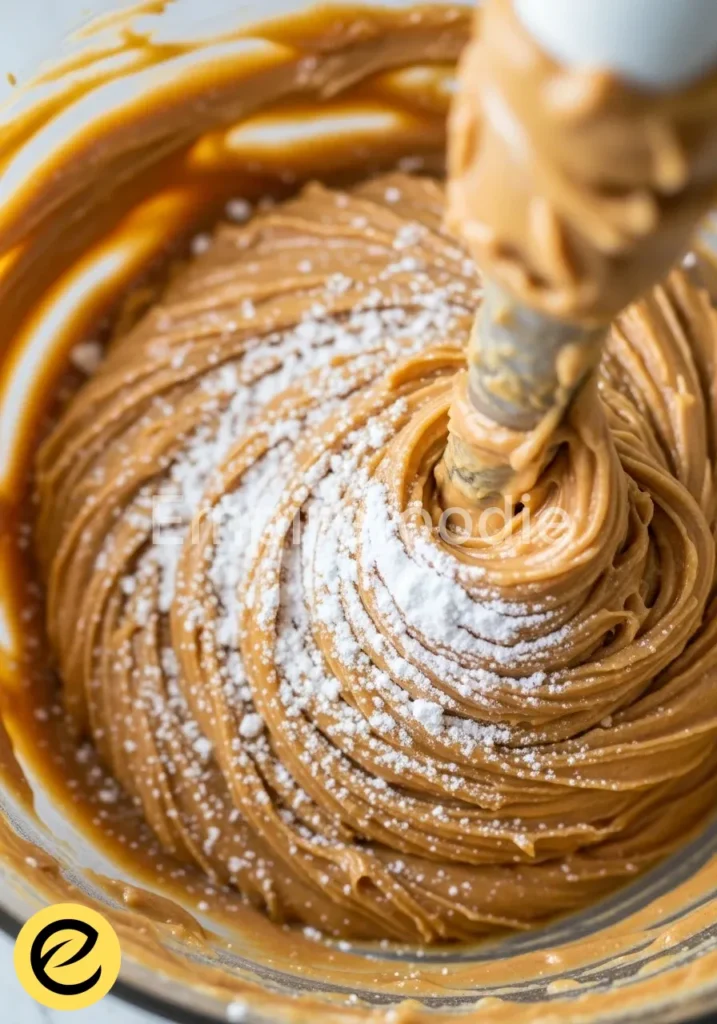
  5. Prepare the Peanut Butter Layer: In a separate large mixing bowl, combine the creamy peanut butter and softened butter. Beat with an electric mixer until smooth and well combined. Gradually add the powdered sugar, one cup at a time, beating until fully incorporated and smooth. Stir in the vanilla extract. The mixture should be thick and creamy, perfect for your peanut butter bars.
  6. Spread the Peanut Butter Layer: Once the crust is completely cool, evenly spread the peanut butter mixture over the baked crust. Use a rubber spatula to smooth the surface. Place the pan in the refrigerator for at least 30 minutes to allow the peanut butter layer to firm up. This step is crucial for neat slices of your peanut butter bars.
  7. Make the Chocolate Topping: In a small saucepan, heat the heavy cream over medium-low heat until it just begins to simmer around the edges. Do not boil. Remove from heat and immediately pour the hot cream over the chocolate chips and tablespoon of butter in a heatproof bowl. Let it sit undisturbed for 5 minutes to melt the chocolate.
  8. Whisk the Ganache: After 5 minutes, whisk the chocolate and cream mixture gently until it’s smooth, glossy, and completely combined, forming a rich ganache.
  9. Pour the Topping: Remove the chilled peanut butter bars from the refrigerator. Pour the warm chocolate ganache evenly over the peanut butter layer. Gently tilt the pan to ensure full coverage.
  10. Chill to Set: Return the pan to the refrigerator and chill for at least 2-3 hours, or until the chocolate topping is completely set. For best results, chill overnight.
  11. Slice and Serve: Once fully chilled and set, use the parchment paper overhang to lift the entire slab of peanut butter bars from the pan. Place on a cutting board. Use a sharp, warm knife (run under hot water and wipe dry) to cut the bars into desired squares or rectangles. Enjoy your homemade peanut butter bars!

Pro Tips for Success

Baking is truly an art and a science, and these little tricks, passed down from my own grandmother, will ensure your peanut butter bars turn out perfectly every single time. They elevate a good recipe to an unforgettable one.

  • Room Temperature Ingredients: Always ensure your butter and peanut butter are at true room temperature. This allows them to cream together smoothly with the sugar, creating a light and airy texture in both the crust and the peanut butter layer. Cold ingredients lead to lumpy mixtures.
  • Don’t Overmix the Crust: Mix the flour into the butter mixture only until just combined. Overmixing develops the gluten in the flour, which can lead to a tough, chewy crust instead of a tender, crumbly one for your peanut butter bars.
  • Cool Completely: Allow the baked crust to cool entirely before adding the peanut butter layer. A warm crust will melt the butter in the peanut butter mixture, resulting in a greasy, unstable layer. Patience here is key for perfect peanut butter bars.
  • Chill Thoroughly: Do not rush the chilling process for any of the layers. Chilling the peanut butter layer helps it set firmly before the warm ganache is added. Chilling the finished bars until fully firm makes for clean, neat cuts and prevents a messy experience. Overnight chilling is ideal for these peanut butter bars.
  • Warm Knife for Cutting: For perfectly clean slices, especially through the chocolate topping, run your knife under hot water, wipe it dry, and then make your cut. Repeat this process for each slice. This warms the blade, allowing it to glide through the chocolate without cracking or dragging.
  • Quality Peanut Butter: Opt for a good quality, creamy peanut butter that doesn’t have a lot of added sugar or oils. Natural peanut butter (that you stir) often works best for flavor and texture, though regular creamy varieties are fine. Avoid crunchy peanut butter unless you specifically want that texture.

Storage & Reheating Tips

These peanut butter bars are so delightful, they rarely last long in my home! But when you do manage to squirrel some away, proper storage ensures every bite remains as fresh and delicious as the first. This way, you can extend the joy these peanut butter bars bring.

  • Countertop Storage: You can store these peanut butter bars at room temperature in an airtight container for up to 2-3 days. Make sure they are in a cool, dry place away from direct sunlight, especially if your kitchen is warm, as the chocolate can soften.
  • Refrigerator Storage: For longer freshness and a firmer texture, store the peanut butter bars in an airtight container in the refrigerator for up to one week. The chocolate and peanut butter layers will firm up considerably when chilled, providing a delightful chew.
  • Freezer Storage: These peanut butter bars freeze beautifully! Wrap individual bars or small batches tightly in plastic wrap, then place them in a freezer-safe airtight container or heavy-duty freezer bag. They will keep well for up to 2-3 months.
  • Reheating (Thawing): To enjoy frozen peanut butter bars, simply remove them from the freezer and let them thaw at room temperature for 30-60 minutes, or in the refrigerator overnight. There’s no need for actual “reheating” in the microwave or oven, as these bars are best enjoyed chilled or at room temperature.

What to Serve With This Recipe

peanut butter bars

While these peanut butter bars are a complete treat on their own, pairing them with the right accompaniments can elevate the experience, offering a lovely balance to their sweetness. When I serve these at family gatherings, I always think about how to complement their rich flavor without overpowering it.

  • A Warm Beverage: A classic pairing is a hot cup of coffee or a comforting mug of tea. The slight bitterness of coffee beautifully cuts through the sweetness of the peanut butter bars, while a herbal tea offers a gentle contrast.
  • Cold Milk: For a truly nostalgic treat, serve these peanut butter bars with a tall glass of cold milk. It’s a simple, perfect combination that children and adults alike adore.
  • Fresh Fruit Salad: To balance the richness, a light and refreshing fruit salad featuring berries, melon, or sliced apples provides a vibrant, healthy counterpoint. The natural sweetness and acidity of the fruit cleanse the palate.
  • Vanilla Bean Ice Cream: For an extra indulgent dessert, a small scoop of good quality vanilla bean ice cream alongside a peanut butter bar is simply heavenly. The melting ice cream and firm bar create a delightful textural contrast.
  • A Light Green Salad: Believe it or not, a simple, lightly dressed green salad can be a refreshing precursor to these bars, especially if serving them after a meal. It prepares the palate for the rich dessert to come.

Frequently Asked Questions (FAQ)

Can I use crunchy peanut butter for these peanut butter bars?

While this recipe for peanut butter bars traditionally calls for creamy peanut butter to achieve a smooth, uniform texture in the filling, you can certainly use crunchy peanut butter if you prefer. Just know that it will introduce a noticeable nutty crunch to the peanut butter layer, which some people absolutely love! It’s a delightful variation that adds extra texture.

Do I need to refrigerate these peanut butter bars?

Yes, I highly recommend refrigerating these peanut butter bars. Chilling is essential for the chocolate topping to set properly and for the peanut butter layer to firm up, making the bars much easier to slice neatly. Once set, you can store them in an airtight container in the refrigerator for up to a week. For a firmer texture and longer shelf life, always keep them chilled.

Can I make these peanut butter bars ahead of time?

Absolutely! These peanut butter bars are an excellent make-ahead dessert. You can prepare the entire batch up to 2-3 days in advance and store them in an airtight container in the refrigerator.

This allows the flavors to meld beautifully and ensures they are perfectly chilled and firm for serving, making them ideal for parties or holidays. They also freeze wonderfully for longer storage.

Final Thoughts

These peanut butter bars are more than just a recipe; they are a taste of home, a connection to the kitchens of my ancestors. Every bite evokes memories of family gatherings, shared laughter, and the simple joy of farmhouse baking. May these bars bring as much warmth and happiness to your family as they have to mine, creating new, cherished memories with every delicious square.

Nutrition Information (per serving)

Please note that these values are estimates and can vary based on specific ingredients and portion sizes. This is for one typical bar when cut into 24 pieces.

Calories350 kcal
Total Fat25g
Saturated Fat13g
Cholesterol45mg
Sodium90mg
Total Carbohydrates30g
Dietary Fiber2g
Total Sugars20g
Protein5g

peanut butter bars

Prep Time 30 minutes
Cook Time 18 minutes
Total Time 3 hours 30 minutes
Servings 24 bars servings
Calories 350
These peanut butter bars are a nostalgic treat featuring a buttery, crumbly base topped with a rich, creamy peanut butter layer and a dreamy chocolate ganache, perfect for sharing or savoring in a quiet moment.

Ingredients

  • 2 cups all-purpose flour
  • 1 cup unsalted butter, softened
  • 1/2 cup granulated sugar
  • 1 teaspoon vanilla extract
  • 1/4 teaspoon salt
  • 1 cup creamy peanut butter
  • 1/2 cup unsalted butter, softened
  • 2 cups powdered sugar
  • 1 teaspoon vanilla extract
  • 1 cup semi-sweet chocolate chips
  • 1/2 cup heavy cream
  • 1 tablespoon unsalted butter

Instructions 

  • Preheat oven to 350°F (175°C) and line a 9×13 inch baking pan with parchment paper.
  • In a large mixing bowl, cream together the softened butter and granulated sugar until light and fluffy. Beat in the vanilla extract.
  • Gradually add the all-purpose flour and salt until just combined.
  • Press the dough into the bottom of the prepared baking pan and bake for 15-18 minutes until golden brown.
  • Let the crust cool completely on a wire rack.
  • In a separate bowl, combine creamy peanut butter and softened butter, mixing until smooth.
  • Gradually add powdered sugar and stir in vanilla extract until creamy.
  • Spread the peanut butter mixture evenly over the cooled crust and chill in the refrigerator for at least 30 minutes.
  • Heat heavy cream in a saucepan until simmering, then pour over chocolate chips and butter in a heatproof bowl.
  • After 5 minutes, whisk until smooth to make the ganache.
  • Pour the ganache over the peanut butter layer and chill for 2-3 hours until set.
  • Lift the bars from the pan using parchment overhang and cut into squares.

Notes

Ensure all ingredients are at room temperature. Chilling layers is crucial for neat cuts.
Calories: 350kcal
Course: Dessert
Cuisine: American
Keyword: bars, chocolate, dessert, farmhouse, peanut butter

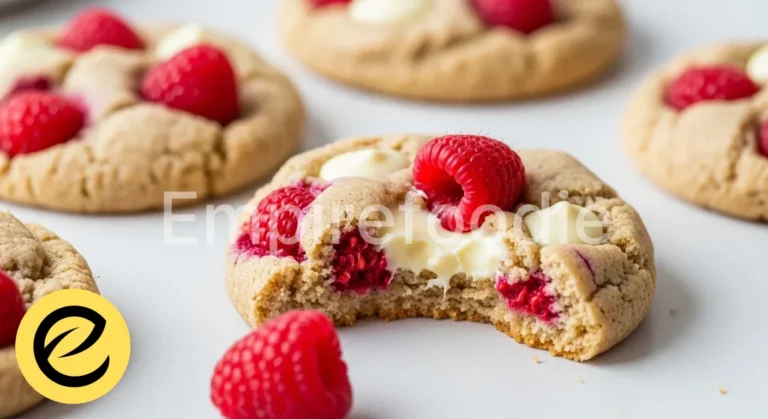
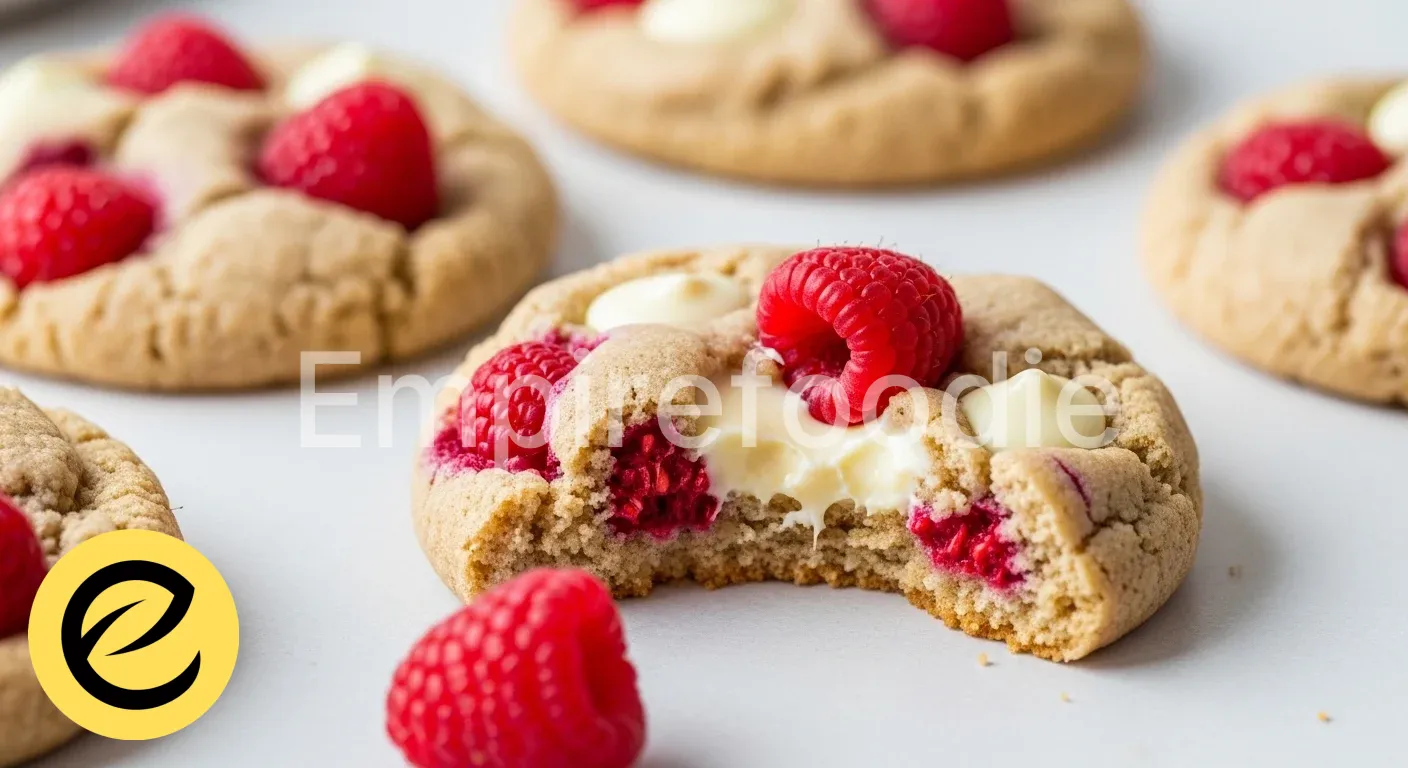
Imagine biting into a soft, chewy cookie, its warmth giving way to pockets of melted white chocolate and vibrant bursts of tart raspberries. These raspberry white chocolate cookies offer an exquisite dance of flavors and textures, transforming a simple treat into a gourmet experience. As Emma Williams Ava, I guide you through crafting these irresistible delights, bridging professional pastry techniques with the comfort of home baking. Prepare to impress yourself and your loved ones with this truly elevated classic.

Table of Contents

Why You’ll Love These Raspberry White Chocolate Cookies

  • Unforgettable Flavor: The perfect harmony of sweet white chocolate and tangy raspberries in every bite.
  • Surprisingly Simple: Achieve bakery-quality results with straightforward steps, suitable for all skill levels.
  • Wholesome Indulgence: Made with quality ingredients, offering a more mindful treat compared to store-bought options.
  • Crowd-Pleaser: These raspberry white chocolate cookies consistently vanish from cookie platters, pleasing everyone.

Ingredients You’ll Need

raspberry white chocolate cookies

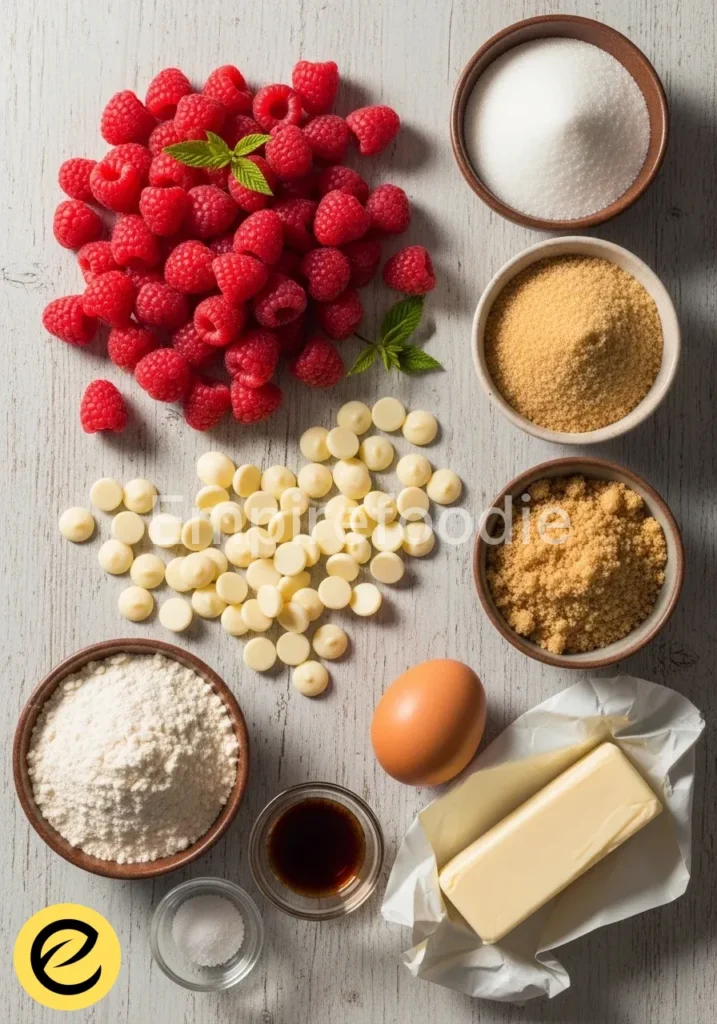
Crafting exceptional raspberry white chocolate cookies begins with selecting the finest ingredients. Quality truly makes a difference, ensuring your cookies boast incredible flavor and texture. Opt for unsalted butter for better control over the salt content, and choose high-quality white chocolate chips or chunks that melt beautifully.

  • All-Purpose Flour: 2 ½ cups (300g), preferably unbleached, for structure and tender crumb.
  • Baking Soda: 1 teaspoon, crucial for achieving that signature soft, chewy texture.
  • Salt: ½ teaspoon, to balance sweetness and enhance all flavors.
  • Unsalted Butter: 1 cup (226g), softened to room temperature, providing richness and moisture.
  • Granulated Sugar: ¾ cup (150g), for sweetness and to help with browning.
  • Light Brown Sugar: ¾ cup (150g), packed, adding moisture, chewiness, and a subtle caramel note.
  • Large Eggs: 2, at room temperature, binding ingredients and adding richness.
  • Vanilla Extract: 2 teaspoons, pure extract for aromatic depth.
  • White Chocolate Chips or Chunks: 1 ½ cups (255g), high-quality for superior melt and flavor.
  • Fresh or Frozen Raspberries: 1 cup (125g), gently folded in; if using frozen, do not thaw.

Substitutions & Variations

[ra_display_video url=”https://www.youtube.com/watch?v=egfe-zQdF8o”]

Elevating your raspberry white chocolate cookies often involves thoughtful ingredient swaps. For a healthier twist, consider substituting half of the all-purpose flour with whole wheat pastry flour. This adds fiber without significantly altering the texture.

You can also reduce the granulated sugar by a quarter and replace it with a natural sweetener like maple syrup or agave, adjusting dry ingredients slightly. For extra nutritional punch, stir in a quarter cup of finely ground flaxseed meal; it won’t impact the incredible flavor of these raspberry white chocolate cookies but will boost healthy fats.

For those looking to experiment with different textures in their cookie recipes, consider trying out sugar cookies for a delightful alternative. You can find a fantastic recipe for sugar cookies here.

Equipment You’ll Need

Having the right tools ensures a smooth and enjoyable baking process, making your journey to perfect raspberry white chocolate cookies effortless.

  • Stand Mixer or Hand Mixer: For efficiently creaming butter and sugars.
  • Large Mixing Bowls: At least two, for dry and wet ingredients.
  • Rubber Spatula: For scraping down sides and folding ingredients.
  • Measuring Cups and Spoons: Accurate measurements are key to baking success.
  • Baking Sheets: Preferably light-colored, for even baking.
  • Parchment Paper or Silicone Baking Mats: Prevents sticking and ensures easy cleanup.
  • Wire Cooling Rack: Essential for proper cooling and preventing soggy bottoms.
  • Cookie Scoop (1.5-2 tablespoons): For uniformly sized raspberry white chocolate cookies.

Step-by-Step Instructions

raspberry white chocolate cookies

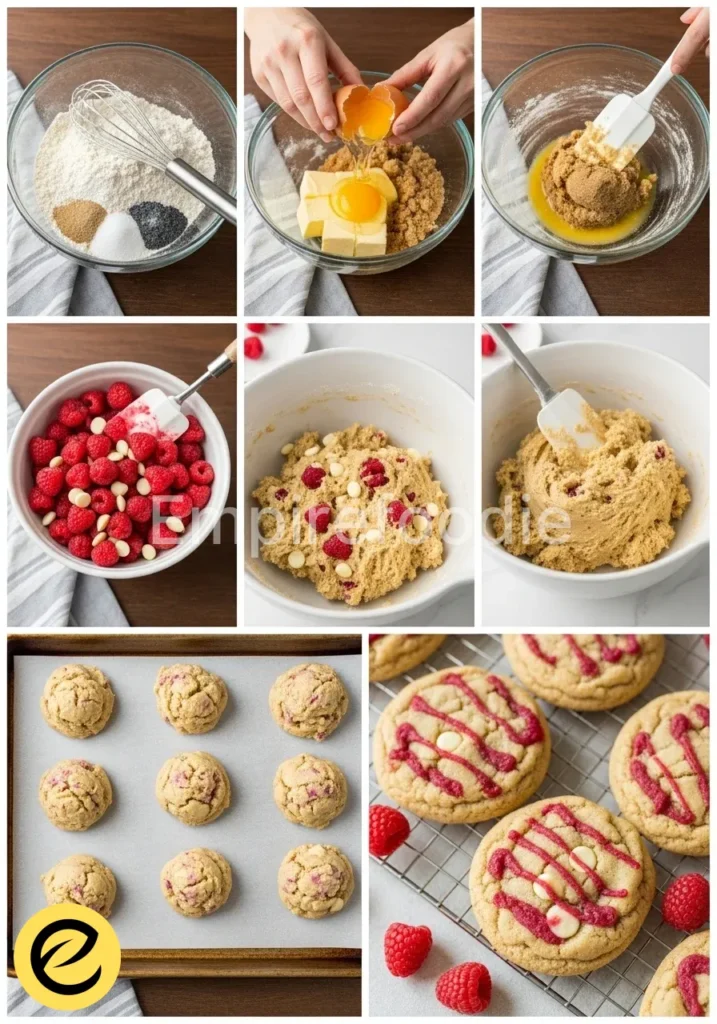
Follow these precise steps to bake the most delectable raspberry white chocolate cookies. Each action plays a vital role in achieving their irresistible chewiness and incredible flavor profile.

  1. Preheat Oven & Prep: Preheat your oven to 375°F (190°C). Line two large baking sheets with parchment paper or silicone baking mats. This crucial step prevents sticking and aids in even baking.
  2. Combine Dry Ingredients: In a medium bowl, whisk together the all-purpose flour, baking soda, and salt. Set aside. Combining these dry components first ensures even distribution throughout the cookie dough.
  3. Cream Butter & Sugars: In the bowl of a stand mixer fitted with the paddle attachment (or using a hand mixer), cream together the softened unsalted butter, granulated sugar, and light brown sugar on medium speed until light and fluffy. This usually takes 2-3 minutes. This aeration step is vital for tender raspberry white chocolate cookies.
  4. Add Eggs & Vanilla: Beat in the large eggs, one at a time, ensuring each egg is fully incorporated before adding the next. Scrape down the sides of the bowl as needed. Stir in the vanilla extract until just combined.
  5. Incorporate Dry into Wet: Gradually add the dry ingredient mixture to the wet ingredients, mixing on low speed until just combined. Be careful not to overmix the dough, as overworking the gluten can lead to tough cookies.
  6. Fold in Chips & Raspberries: Remove the bowl from the mixer. Gently fold in the white chocolate chips or chunks using a rubber spatula. Then, carefully fold in the fresh or frozen raspberries until just distributed. Overmixing raspberries can crush them, turning your dough pink.
  7. Scoop & Bake: Drop rounded tablespoons of dough (or use a 1.5-2 tablespoon cookie scoop) onto the prepared baking sheets, leaving about 2 inches between each cookie.
  8. Bake to Perfection: Bake for 10-12 minutes, or until the edges are lightly golden and the centers are still soft. Do not overbake; these raspberry white chocolate cookies continue to set as they cool.
  9. Cool: Remove the baking sheets from the oven and let the cookies cool on the sheets for 5 minutes before transferring them to a wire rack to cool completely. Enjoy these incredible raspberry white chocolate cookies once they have cooled enough to handle.

Perfecting the baking process is key, and these steps are similar to those you would take when preparing a decadent dessert like easy chocolate cake. If you’re interested, check out this easy chocolate cake recipe for more baking inspiration.

Pro Tips for Success

Mastering these raspberry white chocolate cookies involves a few key techniques that will elevate your baking from good to extraordinary.

  • Room Temperature Ingredients: Ensure butter and eggs are truly at room temperature. This allows them to emulsify properly, creating a smooth, cohesive dough that bakes evenly.
  • Do Not Overmix: Overmixing flour develops gluten, which can result in tough, dense cookies. Mix until just combined.
  • Raspberry Handling: If using fresh raspberries, they are more delicate. Toss them lightly in a teaspoon of flour before adding to the dough to help prevent them from sinking and breaking down. If using frozen, add them directly from the freezer and fold in quickly.
  • Chilling the Dough (Optional but Recommended): For thicker, chewier cookies and more developed flavor, chill the dough for at least 30 minutes, or even overnight. This helps the flavors meld and prevents excessive spreading.
  • Pre-Portion and Freeze: Scoop dough balls onto a baking sheet and freeze until solid. Transfer to a freezer bag. Bake directly from frozen, adding a couple of extra minutes to the baking time, for fresh-baked raspberry white chocolate cookies anytime.
  • Salt Sprinkle: A tiny sprinkle of flaky sea salt on top of the warm cookies immediately after baking enhances the flavors and adds a gourmet touch.

Storage & Reheating Tips

To keep your raspberry white chocolate cookies at their peak freshness, proper storage is essential. They maintain their quality beautifully with a few simple steps.

  • Room Temperature: Store cooled cookies in an airtight container at room temperature for up to 3-4 days. Placing a slice of bread in the container can help keep them soft.
  • Freezing Baked Cookies: For longer storage, freeze cooled cookies in a single layer on a baking sheet until solid, then transfer to a freezer-safe bag or container for up to 3 months. Thaw at room temperature.
  • Freezing Dough: Scoop raw dough onto a parchment-lined baking sheet and freeze until firm. Transfer to a freezer bag. Bake from frozen, adding 2-4 minutes to the baking time.
  • Reheating: To enjoy a warm, just-baked experience, gently reheat individual raspberry white chocolate cookies in the microwave for 10-15 seconds, or in a preheated oven at 300°F (150°C) for 5-7 minutes.

Proper storage can help keep your raspberry white chocolate cookies fresh, much like how you would take care of any gourmet dessert. Learn more about maintaining the quality of treats by exploring this Ultimate Flourless Chocolate Cake storage guide.

What to Serve With These Raspberry White Chocolate Cookies

raspberry white chocolate cookies

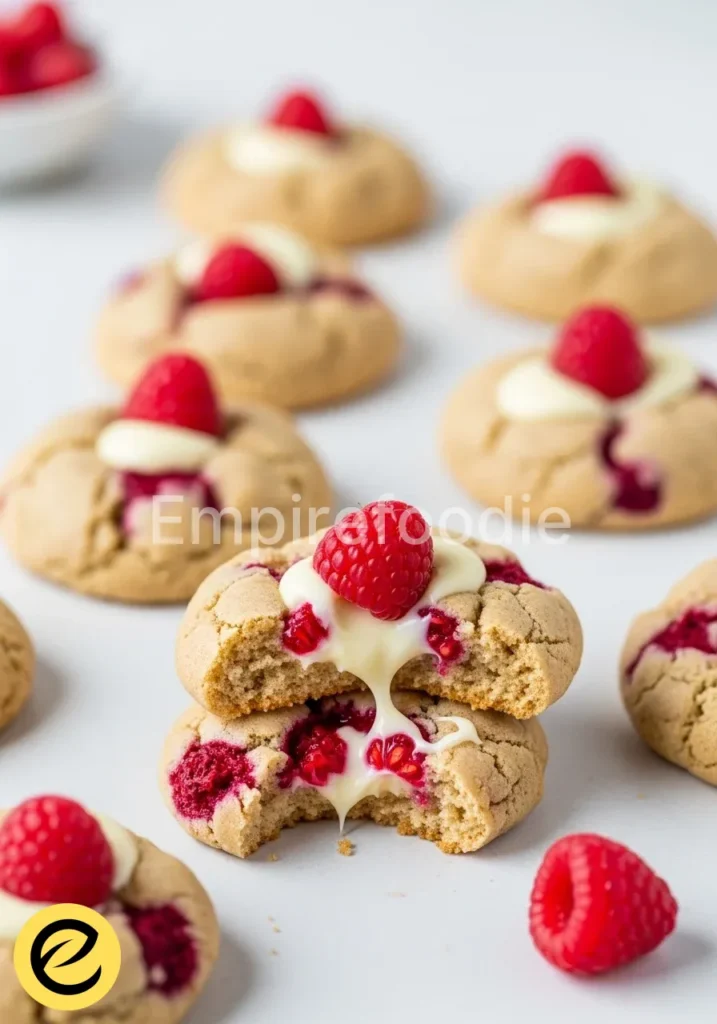
While these raspberry white chocolate cookies are a decadent treat on their own, pairing them with lighter, refreshing options creates a balanced experience. Consider serving them alongside a simple fruit salad, featuring berries, melon, or sliced kiwi. A refreshing glass of unsweetened iced tea or a light herbal infusion also complements their sweetness beautifully.

For a touch of elegance, a small scoop of homemade raspberry sorbet or a dollop of Greek yogurt mixed with a little honey and vanilla can elevate the serving. These healthy pairings ensure the cookies remain the star while adding a fresh counterpoint.

Frequently Asked Questions (FAQ)

How do I prevent my raspberry white chocolate cookies from spreading too much?

Several factors contribute to cookie spreading. Ensure your butter is softened, not melted. Using chilled dough is highly effective; refrigerate it for at least 30 minutes.

Also, avoid greasing your parchment paper or silicone mats, as excess fat can cause spreading. If your oven temperature is too low, cookies may spread before setting, so ensure it’s accurately calibrated. Finally, make sure your baking soda is fresh and active for proper lift.

Can I use frozen raspberries for raspberry white chocolate cookies?

Absolutely, you can use frozen raspberries! It is crucial, however, not to thaw them before incorporating them into the dough. Add them directly from the freezer and fold them in quickly and gently.

Thawing frozen raspberries releases too much moisture, which can make your cookie dough wet and lead to a more cake-like texture, or even cause the cookies to spread excessively. Working swiftly ensures the best outcome for your raspberry white chocolate cookies.

What is the best way to store raspberry white chocolate cookies?

To maintain optimal freshness, store your cooled raspberry white chocolate cookies in an airtight container at room temperature. They will remain wonderfully soft and chewy for 3-4 days. For an extended shelf life, you can freeze baked cookies for up to 3 months.

Layer them with parchment paper in a freezer-safe container to prevent sticking. Thaw them at room temperature or warm them gently in the oven for a “freshly baked” experience.

Raspberry white chocolate cookies are a delightful treat that combines the tartness of fresh raspberries with the sweetness of white chocolate, creating an irresistible flavor balance. These cookies represent a popular choice among dessert lovers, appealing to a wide audience who appreciate the fusion of fruit and chocolate, similar to the delightful nuances found in cookie recipes.

Final Thoughts

Crafting these raspberry white chocolate cookies offers a delightful journey, bridging simple home baking with gourmet precision. Each bite delivers a comforting blend of textures and tastes, affirming that elevated indulgence is always within reach. Share these exquisite treats and create cherished moments with every delicious, homemade cookie.

Nutrition Information (per serving)

Based on approximately 24 cookies per batch.

NutrientAmount
Calories220 kcal
Total Fat12g
Saturated Fat7g
Cholesterol35mg
Sodium90mg
Total Carbohydrates28g
Dietary Fiber1g
Total Sugars18g
Protein2g

raspberry white chocolate cookies

Prep Time 20 minutes
Cook Time 12 minutes
Total Time 32 minutes
Servings 24 cookies servings
Calories 220
These raspberry white chocolate cookies offer an exquisite dance of flavors and textures, transforming a simple treat into a gourmet experience.

Ingredients

  • 2 ½ cups (300g) all-purpose flour
  • 1 teaspoon baking soda
  • ½ teaspoon salt
  • 1 cup (226g) unsalted butter, softened
  • ¾ cup (150g) granulated sugar
  • ¾ cup (150g) light brown sugar, packed
  • 2 large eggs, at room temperature
  • 2 teaspoons vanilla extract
  • 1 ½ cups (255g) white chocolate chips or chunks
  • 1 cup (125g) fresh or frozen raspberries

Instructions 

  • Preheat your oven to 375°F (190°C) and line baking sheets with parchment paper.
  • In a medium bowl, whisk together flour, baking soda, and salt.
  • Cream together softened butter, granulated sugar, and brown sugar until light and fluffy.
  • Beat in the eggs one at a time, then stir in vanilla extract.
  • Gradually mix dry ingredients into wet ingredients until just combined.
  • Fold in white chocolate chips and raspberries gently.
  • Drop rounded tablespoons of dough onto prepared baking sheets, leaving space between cookies.
  • Bake for 10-12 minutes until edges are golden and centers are soft.
  • Cool on the baking sheets for 5 minutes then transfer to a wire rack.

Notes

Ensure all ingredients are at room temperature. Chilling the dough helps with texture, and cookies can be stored in an airtight container for 3-4 days.
Calories: 220kcal
Course: Dessert
Cuisine: American
Keyword: cookies, dessert, raspberry, white chocolate

There’s something truly special about a homemade cookie, and these triple chocolate cookies elevate comfort to an art form. Imagine biting into a crisp edge yielding to a perfectly chewy center, each mouthful bursting with a symphony of dark, milk, and white chocolate. This recipe delivers unparalleled richness and a delightful texture. Perfect for sharing or quiet indulgence, these triple chocolate cookies promise a rewarding experience and an irresistible treat.

Table of Contents

Why You’ll Love These Triple Chocolate Cookies

  • Rich Flavor: Dark, milk, white chocolate explosion.
  • Easy Bake: Simple steps for perfect triple chocolate cookies.
  • Chewy Texture: Soft centers, crisp edges.
  • Pure Joy: A comforting, heartwarming homemade treat.

Ingredients You’ll Need

triple chocolate cookies

In our family, we believe good baking starts with good ingredients. Grandma always said, “A handful of quality makes a world of difference!” For these triple chocolate cookies, choosing the best butter, eggs, and, of course, chocolate, will truly make them shine. Gather your pantry staples and prepare for a farmhouse favorite.

  • All-Purpose Flour: 2 ¼ cups (270g), sifted to ensure a light texture.
  • Unsweetened Cocoa Powder: ½ cup (45g), a good quality Dutch-processed cocoa enhances the deep chocolate base.
  • Baking Soda: 1 teaspoon, for that perfect lift.
  • Salt: ½ teaspoon, a pinch to balance the sweetness.
  • Unsalted Butter: 1 cup (226g), softened to room temperature. This is essential for a creamy dough.
  • Granulated Sugar: ¾ cup (150g), for crisp edges and sweetness.
  • Light Brown Sugar: ¾ cup (150g), packed, for chewiness and moisture.
  • Large Eggs: 2, at room temperature.
  • Vanilla Extract: 1 teaspoon, pure vanilla elevates all the chocolate notes.
  • Dark Chocolate Chips: 1 cup (170g), high-quality, 60% cacao or higher for intense flavor.
  • Milk Chocolate Chips: 1 cup (170g), for classic sweetness and creaminess.
  • White Chocolate Chips: 1 cup (170g), good quality to avoid a waxy texture.

Substitutions & Variations

[ra_display_video url=”https://www.youtube.com/watch?v=svNOr4tslnM”]

A touch of ingenuity makes these triple chocolate cookies even better. Consider these healthy variations for your next batch:

  • Swap half the butter for unsweetened apple sauce.
  • Reduce sugar slightly or use coconut sugar.
  • Incorporate whole wheat pastry flour for fiber.
  • Opt for higher cacao dark chocolate chips.
  • Add ground flaxseed for an omega-3 boost.

If you’re looking to enhance your triple chocolate cookies, consider classic flavors with a twist. Check out the Classic Chocolate Cookies Recipe for inspiration on how to make your next batch even better.

Equipment You’ll Need

Having the right tools makes baking these incredible triple chocolate cookies a joy, not a chore. Most of these you likely already have tucked away in your kitchen drawers, ready for a warm batch of homemade goodness.

  • Large Mixing Bowls: For combining dry and wet ingredients.
  • Electric Mixer: Stand mixer or hand mixer for creaming butter and sugars.
  • Rubber Spatula: For scraping down bowls and folding in chocolate.
  • Measuring Cups and Spoons: Accurate measurements are key for consistent results.
  • Parchment Paper: Prevents sticking and ensures even baking.
  • Baking Sheets: Heavy-gauge sheets for consistent heat distribution.
  • Wire Rack: For cooling cookies completely.
  • Cookie Scoop (1.5-2 tbsp): Ensures uniformly sized triple chocolate cookies.

Step-by-Step Instructions

triple chocolate cookies

Baking these triple chocolate cookies is a cherished ritual in our family, a dance of flour and sugar, a symphony of chocolate. Follow these steps carefully, and you’ll create a batch that carries the warmth of a farmhouse kitchen and the sweetness of shared memories. Patience and love are your most important ingredients here.

  1. Prepare Your Workspace: Preheat your oven to 375°F (190°C). Line two large baking sheets with parchment paper. This simple step ensures your beautiful triple chocolate cookies won’t stick and cook evenly.
  2. Whisk Dry Ingredients: In a medium bowl, whisk together the sifted all-purpose flour, unsweetened cocoa powder, baking soda, and salt. Whisking ensures everything is evenly distributed. Set this aside for a moment.
  3. Cream Butter and Sugars: In a large mixing bowl, using an electric mixer, cream the softened unsalted butter with both the granulated sugar and packed light brown sugar. Beat on medium-high speed until the mixture is light, fluffy, and pale, about 2-3 minutes. This creaming process incorporates air, giving your triple chocolate cookies their wonderful texture.
  4. Add Eggs and Vanilla: Beat in the two large eggs, one at a time, mixing well after each addition. Scrape down the sides of the bowl to ensure everything is fully incorporated. Then, stir in the pure vanilla extract. The mixture should be smooth and glossy.
  5. Combine Wet and Dry: Gradually add the dry ingredient mixture to the wet ingredients, mixing on low speed until just combined. Be careful not to overmix; overmixing can lead to tough cookies. Stop as soon as no streaks of flour remain.
  6. Fold in the Chocolate: Now for the best part! Gently fold in the dark chocolate chips, milk chocolate chips, and white chocolate chips using a rubber spatula. Ensure the chocolate is evenly distributed throughout the dough. These are triple chocolate cookies, so every bite should be loaded!
  7. Scoop and Bake: Use a 1.5-2 tablespoon cookie scoop to drop rounded balls of dough onto the prepared baking sheets, leaving about 2 inches between each cookie. This allows them room to spread without merging.
  8. Bake to Perfection: Bake for 9-11 minutes, or until the edges are set and lightly golden, but the centers still look soft and slightly underdone. This is key for achieving that chewy, gooey texture characteristic of perfect triple chocolate cookies.
  9. Cool and Enjoy: Remove the baking sheets from the oven and let the cookies cool on the sheets for 5-10 minutes. This allows them to set up without breaking. Then, carefully transfer the warm triple chocolate cookies to a wire rack to cool completely. Enjoy these delightful treats with a glass of milk, just like we do on the farm.

Baking is all about tradition, and creating these triple chocolate cookies can become a cherished family ritual. Discover more delicious chocolate treats by following this guide to a healthy chocolate cake that everyone will love.

Pro Tips for Success

Achieving bakery-quality triple chocolate cookies at home involves a few simple tricks I’ve learned over the years. These aren’t just steps; they’re whispers from generations of bakers in my family, designed to elevate your baking from good to truly unforgettable.

  • Room Temperature Ingredients: Ensure butter and eggs are at room temperature. This allows them to cream together properly, creating a smooth, emulsified dough that results in tender, evenly baked triple chocolate cookies.
  • Don’t Overmix: Once you add the flour, mix until just combined. Overmixing develops gluten, leading to tougher cookies. A gentle hand makes all the difference for a chewy texture.
  • Chill the Dough (Optional but Recommended): If time allows, chilling the dough for at least 30 minutes, or even overnight, deepens the flavors and prevents excessive spreading, yielding thicker, chewier triple chocolate cookies.
  • Quality Chocolate Matters: Invest in good quality chocolate chips or chunks. The flavor of your triple chocolate cookies will largely depend on the quality of your chocolate. Consider chopping up a high-quality chocolate bar for varied textures.
  • Underbake Slightly: For that coveted gooey center, remove the triple chocolate cookies from the oven when the edges are set but the centers still look slightly soft and underdone. They will continue to cook on the hot baking sheet.

Storage & Reheating Tips

We always make a big batch of triple chocolate cookies on the farm because they disappear quickly! Knowing how to store them properly ensures every bite tastes as fresh as the first. Here’s how to keep your delicious treats at their best.

Store cooled triple chocolate cookies in an airtight container at room temperature for up to 3-5 days. For longer storage, you can freeze baked cookies for up to 3 months. Wrap them individually in plastic wrap, then place them in a freezer-safe bag or container. To reheat, simply let them thaw at room temperature or warm them in a preheated oven at 300°F (150°C) for 5-7 minutes until soft and warm, just like fresh from the oven.

Storing your cookies correctly ensures that they retain their delightful taste and texture. For quick and easy dessert options, learn how to whip up a delicious chocolate mug cake that complements your cookie experience.

What to Serve With These Triple Chocolate Cookies

triple chocolate cookies

While these triple chocolate cookies are a decadent treat on their own, pairing them with lighter, healthier options can create a balanced and satisfying experience. It’s all about finding that sweet spot between indulgence and wellness, a philosophy we embrace in our farmhouse kitchen.

  • Fresh Fruit Platter: A vibrant array of seasonal berries, sliced apples, or oranges offers a refreshing contrast to the rich chocolate. The natural sweetness and tartness cleanse the palate beautifully.
  • A Glass of Milk (or Almond Milk): The classic pairing! A cold glass of milk, dairy or plant-based, provides a creamy counterpoint that enhances the chocolate flavors of your triple chocolate cookies without overwhelming them.
  • Herbal Tea: A warm cup of peppermint or chamomile tea offers a calming, aromatic pairing. The subtle flavors won’t compete with the cookies but will provide a gentle, comforting accompaniment.
  • Light Yogurt Parfait: Layer Greek yogurt with a sprinkle of granola and a few berries. This adds protein and probiotics, offering a nutritious balance to your delicious triple chocolate cookie.
  • Small Green Salad: Believe it or not, a small, lightly dressed green salad can be a surprising palate cleanser before or after enjoying your cookie, adding a crisp, fresh element.

Frequently Asked Questions (FAQ)

Absolutely! Preparing the dough for your triple chocolate cookies in advance is a wonderful time-saver, a trick my mother taught me for busy farm days. You can store the unbaked dough in an airtight container in the refrigerator for up to 3 days.

Before baking, let it sit at room temperature for about 15-20 minutes to soften slightly, making it easier to scoop and ensuring even baking. This also allows the flavors to meld beautifully, often resulting in even more delicious triple chocolate cookies.

Why are my cookies spreading too much?

Cookie spreading is a common concern, especially with rich recipes like triple chocolate cookies. Several factors can cause this. Ensure your butter is softened but not melted; melted butter leads to flat cookies.

Also, make sure your oven temperature is accurate; a too-low oven can contribute to spreading. Chilling the dough for at least 30 minutes before baking can significantly help prevent over-spreading, allowing your triple chocolate cookies to retain their delightful chewiness.

What’s the best way to get perfect round cookies?

Achieving perfectly round triple chocolate cookies is simpler than you might think! My grandmother had a clever trick. Immediately after removing the cookies from the oven, while they’re still hot and pliable, use a large round cookie cutter or the rim of a glass that’s slightly larger than your cookies.

Place it over each hot cookie and gently swirl it around the edges. This coaxes the cookie into a perfectly round shape, making your triple chocolate cookies look professionally baked.

Triple chocolate cookies are a delightful dessert that combines three types of chocolate, typically dark, milk, and white chocolate, into one delicious baked good. These cookies are celebrated for their rich flavor and chewy texture, making them a popular choice among chocolate lovers and home bakers alike, as noted in this cookie article.

Final Thoughts

Baking these triple chocolate cookies is more than just following a recipe; it’s an act of love, a connection to the warmth of generations past. Each chewy bite carries the stories of farmhouse kitchens, creating new memories around a timeless treat. May these decadent triple chocolate cookies bring as much joy to your home as they do to ours.

Nutrition Information (per serving)

Serving Size: 1 cookie

NutrientAmount
Calories280 kcal
Total Fat17g
Saturated Fat10g
Cholesterol45mg
Sodium120mg
Total Carbohydrates30g
Dietary Fiber2g
Total Sugars20g
Protein4g

triple chocolate cookies

Prep Time 20 minutes
Cook Time 11 minutes
Total Time 31 minutes
Servings 24 cookies servings
Calories 280
These triple chocolate cookies elevate comfort to an art form, with a crisp edge yielding to a perfectly chewy center, each mouthful bursting with dark, milk, and white chocolate.

Ingredients

  • 2 ¼ cups all-purpose flour, sifted
  • ½ cup unsweetened cocoa powder
  • 1 teaspoon baking soda
  • ½ teaspoon salt
  • 1 cup unsalted butter, softened
  • ¾ cup granulated sugar
  • ¾ cup light brown sugar, packed
  • 2 large eggs
  • 1 teaspoon vanilla extract
  • 1 cup dark chocolate chips
  • 1 cup milk chocolate chips
  • 1 cup white chocolate chips

Instructions 

  • Preheat your oven to 375°F (190°C) and line baking sheets with parchment paper.
  • In a medium bowl, whisk together all-purpose flour, cocoa powder, baking soda, and salt.
  • In a large mixing bowl, cream the softened butter with granulated sugar and brown sugar until light and fluffy.
  • Beat in the eggs one at a time and add vanilla extract until smooth.
  • Gradually add the dry ingredients to the wet ingredients, mixing until just combined.
  • Fold in dark, milk, and white chocolate chips.
  • Use a cookie scoop to drop rounded balls of dough onto the prepared baking sheets.
  • Bake for 9-11 minutes, until edges are set but centers are still soft.
  • Cool on baking sheets for 5-10 minutes before transferring to a wire rack.

Notes

Ensure ingredients are at room temperature for best results. Chilling dough can enhance flavor and texture.
Calories: 280kcal
Course: Dessert
Cuisine: American
Keyword: baking, chocolate, cookies, dessert, homemade

Indulge your cravings instantly with this ultimate chocolate mug cake recipe. Imagine sinking your spoon into a perfectly moist, intensely chocolatey cake, ready in mere minutes. This single-serving delight offers a sophisticated yet comforting experience, bridging the gap between a quick treat and a gourmet dessert. Emma Williams Ava brings you a perfectly balanced recipe for a luxurious, elevated chocolate mug cake that satisfies without the fuss of a full-sized baking project.

Table of Contents

Why You’ll Love This Elevated Chocolate Mug Cake

  • Achieve gourmet flavor in under five minutes, perfect for spontaneous cravings.
  • Enjoy a perfectly portioned dessert, curbing overindulgence with delightful ease.
  • Utilize simple pantry staples, making this chocolate mug cake incredibly accessible.
  • Customize endlessly with healthy toppings and variations to suit any preference.
  • Experience the satisfaction of baking without extensive cleanup or kitchen mess.

Ingredients You’ll Need

chocolate mug cake

Crafting an exceptional chocolate mug cake begins with thoughtful ingredient selection. Prioritize quality for a truly decadent experience. Emma Williams Ava recommends using the best cocoa powder and vanilla extract you can find to elevate the flavor profile of this simple treat.

  • All-Purpose Flour: 4 tablespoons (50g). Provides the cake’s structure.
  • Granulated Sugar: 4 tablespoons (50g). Sweetens and contributes to moisture.
  • Unsweetened Cocoa Powder: 2 tablespoons (15g), high-quality Dutch-processed for deep chocolate flavor.
  • Baking Powder: ¼ teaspoon. The leavening agent for a light texture.
  • Salt: ⅛ teaspoon. Enhances all the other flavors.
  • Milk: 3 tablespoons (45ml), whole milk for richness or a plant-based alternative.
  • Vegetable Oil: 1 tablespoon (15ml), or melted unsalted butter for added richness.
  • Pure Vanilla Extract: ½ teaspoon. A non-negotiable for depth of flavor.
  • Chocolate Chips: 1-2 tablespoons (15-30g), good quality semi-sweet or dark chocolate chips for pockets of melted chocolate.

Substitutions & Variations

[ra_display_video url=”https://www.youtube.com/watch?v=_7DAOnFrg-E”]

Flexibility in the kitchen allows for endless creativity and catering to dietary needs. This chocolate mug cake recipe welcomes thoughtful modifications. Consider these healthy swaps to adapt your dessert without sacrificing flavor. Substituting ingredients can often introduce new textures and nuances, making each chocolate mug cake experience unique and tailored to your preference.

  • Flour Alternatives: For a gluten-friendly option, swap all-purpose flour with a 1:1 gluten-free baking blend. Almond flour or oat flour can also work, though they might alter the texture slightly, often requiring a touch more liquid.
  • Sugar Swaps: Reduce the granulated sugar by 1 tablespoon if you prefer a less sweet treat. For a refined sugar-free version, try maple syrup or agave nectar (start with 2 tablespoons and adjust to taste, reducing other liquids by 1 tablespoon to compensate).
  • Dairy-Free: Easily make this chocolate mug cake dairy-free by using your favorite plant-based milk (almond, soy, oat) and ensuring you use vegetable oil instead of butter. Use dairy-free chocolate chips.
  • Boosted Nutrition: Incorporate a tablespoon of finely ground flaxseed meal for added fiber and omega-3s. You can also mix in a teaspoon of instant espresso powder to intensify the chocolate flavor without adding a coffee taste.
  • Flavor Enhancements: Stir in a pinch of cayenne pepper for a subtle spicy kick, or a few drops of peppermint extract for a festive chocolate mint mug cake. A tablespoon of peanut butter swirled in before cooking creates a delightful peanut butter chocolate mug cake.

If you’re exploring ways to enhance your chocolate mug cake, consider checking out this delicious recipe for chocolate bundt cake that offers a different yet equally delightful chocolate experience.

Equipment You’ll Need

Making a chocolate mug cake requires minimal equipment, emphasizing its simplicity and convenience. You likely already possess everything necessary for this delightful treat. Emma Williams Ava champions efficiency, and this recipe embodies that principle, proving that gourmet results do not demand an extensive arsenal of tools.

  • Standard Microwave-Safe Mug: A mug with at least a 12-ounce capacity prevents overflow as the cake rises. Choose a sturdy ceramic mug for even heating.
  • Small Whisk or Fork: Essential for thoroughly mixing the dry and wet ingredients until just combined.
  • Measuring Spoons and Cups: Accurate measurements ensure the correct balance of flavors and textures in your chocolate mug cake.
  • Microwave Oven: The heart of this quick cooking method. Understanding your microwave’s wattage helps determine the precise cooking time.

Step-by-Step Instructions

chocolate mug cake

Achieving a perfectly moist and fluffy chocolate mug cake is incredibly straightforward. Follow these precise steps to ensure success every time. Emma Williams Ava guides you through each stage, emphasizing technique for optimal results, ensuring your chocolate mug cake is never dry or tough. The key lies in careful mixing and mindful cooking.

  1. Combine Dry Ingredients: In your chosen microwave-safe mug, whisk together the all-purpose flour, granulated sugar, unsweetened cocoa powder, baking powder, and salt. Use a small whisk or a fork to ensure there are no lumps and all ingredients are evenly distributed. This step prevents pockets of unmixed leavening agent.
  2. Add Wet Ingredients: Pour in the milk, vegetable oil (or melted butter), and pure vanilla extract. These liquid components will hydrate the dry mixture and form the cake batter.
  3. Mix Until Just Combined: Gently mix the ingredients with your whisk or fork until just combined. It is crucial not to overmix the batter. Overmixing develops the gluten in the flour, leading to a tough and rubbery chocolate mug cake. A few small lumps are perfectly acceptable; they will dissolve during cooking.
  4. Stir in Chocolate Chips: Fold in the chocolate chips, if using, distributing them evenly throughout the batter. These will melt into luscious pockets of chocolate during cooking, adding an extra layer of decadence to your chocolate mug cake.
  5. Microwave: Place the mug in the microwave. Cook on high for 60 to 90 seconds. Microwave wattages vary significantly, so start with 60 seconds. Observe the cake: it should be visibly puffed up, and the center should appear set but still slightly moist. If it still looks very wet, continue microwaving in 10-second intervals. Be cautious not to overcook, as this will result in a dry chocolate mug cake.
  6. Rest and Serve: Carefully remove the hot mug from the microwave. Allow the chocolate mug cake to cool for 1-2 minutes before digging in. The residual heat will continue to cook the cake slightly, and this brief resting period improves texture.

For those who love chocolate, pairing your mug cake with chocolate oatmeal cookies can elevate your dessert experience to new levels of decadence and satisfaction.

Pro Tips for Success

Elevating your chocolate mug cake from good to exceptional involves a few insider tricks. Emma Williams Ava shares her pastry arts expertise to help you achieve consistent, professional-quality results right in your home kitchen. These tips focus on technique and understanding your ingredients to perfect every chocolate mug cake.

  • Know Your Microwave: Microwave wattage varies widely. A 1000-watt microwave may cook your chocolate mug cake in 60-70 seconds, while an 800-watt microwave might take 80-90 seconds. Experiment with your specific appliance, starting with the lower end of the cooking time and adding 10-second increments until perfect. This prevents overcooking, the main culprit for dry mug cakes.
  • Do Not Overmix: Once the wet ingredients are added, mix just until the dry ingredients are incorporated. A few small lumps are fine. Overmixing develops gluten, leading to a chewy, tough, and less desirable chocolate mug cake texture.
  • Quality Ingredients Matter: While a simple recipe, the quality of your cocoa powder and vanilla extract profoundly impacts the final flavor of your chocolate mug cake. Invest in good Dutch-processed cocoa for a deep, rich chocolate taste and pure vanilla extract for aromatic complexity.
  • Consider the Mug Size: Use a mug that is at least 12 ounces. This provides ample space for the cake to rise without overflowing, preventing a mess and ensuring even baking.
  • A Pinch of Espresso Powder: For an intensely rich chocolate flavor without any coffee taste, add ¼ teaspoon of instant espresso powder to the dry ingredients. It truly deepens the chocolate notes in your chocolate mug cake.
  • Resting Period: Allow your chocolate mug cake to rest for 1-2 minutes after microwaving. This resting period allows the cake to set further and makes it easier to handle and enjoy without burning yourself.

Storage & Reheating Tips

While a chocolate mug cake is best enjoyed immediately for peak freshness and warmth, circumstances sometimes require storing leftovers. Proper storage ensures your delightful treat remains enjoyable, even if not quite as perfect as fresh from the microwave. Emma Williams Ava recommends mindful handling to preserve its quality.

  • Immediate Consumption is Key: This chocolate mug cake recipe is designed for single servings and is truly at its best when eaten within minutes of cooking. The texture is softest and most moist right after resting.
  • If Storing: Should you have any leftover, cover the mug tightly with plastic wrap or transfer the chocolate mug cake to an airtight container. Refrigerate promptly. It will keep for up to 1 day. Be aware that the texture will become denser and less moist after refrigeration.
  • Reheating: To gently reheat, place the refrigerated chocolate mug cake back in the microwave for 15-25 seconds on medium power. Be careful not to overheat, as this can dry out the cake even further. A brief reheating will warm it through, making it more palatable than eating it cold.

Although best enjoyed fresh, knowing how to store your chocolate mug cake properly is essential, and you might like to learn about chocolate sugar cookies which also require careful handling for optimal enjoyment.

What to Serve With This Recipe

chocolate mug cake

While a chocolate mug cake is a complete indulgence on its own, thoughtful pairings can elevate the experience or balance its richness. Emma Williams Ava suggests additions that enhance the flavor profile while also offering a touch of freshness or complementary textures. Consider these healthy and delightful accompaniments to your rich chocolate mug cake.

  • Fresh Berries: A handful of fresh raspberries, strawberries, or blueberries provides a bright, tart counterpoint to the sweetness and richness of the chocolate. Their natural sugars and vibrant colors also add visual appeal and a boost of antioxidants.
  • Dollop of Greek Yogurt: A spoonful of plain or vanilla Greek yogurt offers a creamy, tangy element that cuts through the richness and adds a dose of protein. It’s a healthier alternative to whipped cream.
  • Light Fruit Compote: A quick homemade compote of mixed berries or stewed apples (lightly sweetened) can add warmth, fruitiness, and an elegant touch.
  • Nut Butter Drizzle: For extra protein and healthy fats, a thin drizzle of natural almond, cashew, or peanut butter complements the chocolate wonderfully, creating a more substantial and satisfying dessert.
  • Sprinkle of Toasted Nuts: A small sprinkle of toasted pecans, walnuts, or almonds provides a delightful crunch and nutty flavor, enhancing the overall textural experience of your chocolate mug cake.

Frequently Asked Questions (FAQ)

Why is my chocolate mug cake dry?

Overcooking is the most common reason for a dry chocolate mug cake. Microwave wattages vary greatly, so always start with the minimum recommended time (around 60 seconds) and add 10-second intervals until the cake is just set. A slightly gooey center is better than an overcooked, dry result. Also, ensure you do not overmix the batter, as this develops gluten, leading to a tough texture.

Can I make this chocolate mug cake ahead of time?

This chocolate mug cake recipe is specifically designed for instant gratification and is best enjoyed immediately after cooking. While you can prepare the dry ingredients in advance and store them, the batter itself should be mixed and cooked right before serving to achieve the optimal moist and tender texture. Storing pre-mixed batter can affect the leavening agent’s effectiveness.

Can I double this recipe for a larger serving?

While tempting, it’s generally not recommended to simply double the recipe and cook it in a larger mug or bowl in the microwave. Microwave cooking is highly specific to surface area and volume. Doubling the recipe can lead to uneven cooking, where the edges cook too quickly and become dry while the center remains raw. For two servings, it is best to prepare two separate chocolate mug cakes in individual mugs.

Chocolate mug cakes are a quick and convenient dessert option that can be made in minutes using simple ingredients. This quick treat is perfect for those craving something sweet without the need for extensive baking or cleanup, offering an instant solution for dessert enthusiasts who seek both convenience and flavor.

Final Thoughts

This chocolate mug cake offers more than just a quick treat; it’s a testament to accessible luxury. It delivers rich, comforting indulgence with minimal effort, perfectly balancing gourmet taste with everyday convenience. Savor this delightful moment of elevated comfort, a true triumph for home bakers and pastry enthusiasts alike.

Nutrition Information (per serving)

Approximate values based on recipe with whole milk and vegetable oil.

NutrientAmount
Calories380-420 kcal
Total Fat18-22g
Saturated Fat3-5g
Cholesterol<10mg
Sodium150-180mg
Total Carbohydrates50-55g
Dietary Fiber3-4g
Total Sugars30-35g
Protein5-7g

chocolate mug cake

Prep Time 5 minutes
Cook Time 1 minute
Total Time 6 minutes
Servings 1 serving servings
Calories 400
This chocolate mug cake offers an intensely chocolatey flavor, perfectly moist texture, and gourmet taste ready in under five minutes. It’s a single-serving treat that balances sophistication and comfort with minimal cleanup.

Ingredients

  • 4 tablespoons all-purpose flour
  • 4 tablespoons granulated sugar
  • 2 tablespoons unsweetened cocoa powder
  • 1/4 teaspoon baking powder
  • 1/8 teaspoon salt
  • 3 tablespoons milk
  • 1 tablespoon vegetable oil
  • 1/2 teaspoon pure vanilla extract
  • 1-2 tablespoons chocolate chips

Instructions 

  • In a microwave-safe mug, whisk together the all-purpose flour, granulated sugar, cocoa powder, baking powder, and salt until well combined.
  • Pour in the milk, vegetable oil, and vanilla extract. Mix until just combined; do not overmix.
  • Fold in the chocolate chips, distributing them evenly throughout the batter.
  • Microwave the mug for 60 to 90 seconds, watching closely to prevent overcooking.
  • Remove the mug from the microwave and let it cool for 1-2 minutes before serving.

Notes

Quality ingredients enhance flavor. Experiment with toppings or flavor variations like nut butter or berries.
Calories: 400kcal
Course: Dessert
Cuisine: American
Keyword: cake, chocolate, dessert, mug, quick

Get ready to ignite your kitchen with the ultimate indulgence: a rich, moist, and utterly decadent chocolate bundt cake. This isn’t just any cake; it’s a passport to pure cocoa bliss, a dessert that effortlessly combines a striking appearance with a profoundly satisfying taste.

Imagine sinking your teeth into a slice, its tender crumb melting on your tongue, leaving behind an intensely chocolatey whisper that lingers. It’s a perfect culinary hack, simple enough for any home cook yet impressive enough for a grand celebration, delivering global-level comfort right to your table.

Table of Contents

Why You’ll Love This Explosive Chocolate Bundt Cake

As Wassim, I’m always on the hunt for recipes that deliver maximum flavor with minimal fuss, just like my favorite street food finds! This chocolate bundt cake is a champion in that regard, bringing the world to your kitchen with speed and style.

  • Irresistible Flavor Bomb: Experience a deep, intense chocolate flavor that will transport your taste buds to a happy place with every single bite.
  • Effortless Elegance: The bundt pan does all the work, creating a stunning presentation without needing any fancy decorating skills. It’s a culinary hack for visual appeal!
  • Speedy Street Food Comfort: While it bakes, you can practically jet-set through your kitchen, knowing a comforting treat is just moments away.
  • Moist Perfection: This recipe guarantees an incredibly moist and tender crumb, making it an absolute delight to devour.

Ingredients You’ll Need

chocolate bundt cake

Quality ingredients are the backbone of any great dish, whether it’s a fiery street taco or a sophisticated dessert. Sourcing good cocoa and fresh dairy will make your chocolate bundt cake truly sing.

  • For the Cake:
    • 2 ½ cups (300g) all-purpose flour
    • 1 cup (100g) unsweetened natural cocoa powder
    • 1 ½ teaspoons baking soda
    • 1 teaspoon baking powder
    • 1 teaspoon salt
    • 2 ¼ cups (450g) granulated sugar
    • ½ cup (113g) unsalted butter, softened
    • ½ cup (120ml) vegetable oil
    • 4 large eggs, room temperature
    • 1 teaspoon pure vanilla extract
    • 1 cup (240ml) sour cream, room temperature
    • 1 cup (240ml) strong brewed coffee, hot
  • For the Ganache Glaze (Optional but Highly Recommended):
    • 4 ounces (113g) good quality dark chocolate, finely chopped
    • ½ cup (120ml) heavy cream
    • 1 tablespoon unsalted butter

Substitutions & Variations

[ra_display_video url=”https://www.youtube.com/watch?v=_MqLza3bgbw”]

Just like adapting a street food recipe with local ingredients, you can hack this chocolate bundt cake to fit your dietary needs or flavor whims! These healthy swaps ensure your global culinary adventure continues without compromise.

  • Flour Power: Swap half of the all-purpose flour for whole wheat pastry flour for an added fiber boost without sacrificing too much tenderness.
  • Sugar Smarts: Reduce the granulated sugar by ¼ to ½ cup, or experiment with natural sweeteners like monk fruit or erythritol blends if you are mindful of sugar intake.
  • Dairy-Free Delight: Use a high-quality plant-based butter, unsweetened almond or oat milk for the coffee (if using a different liquid), and a dairy-free sour cream alternative. Ensure your chocolate for the ganache is also dairy-free.
  • Oil Alternatives: Avocado oil or melted coconut oil (ensure it’s refined for no coconut flavor, if desired) make excellent healthy fat alternatives to vegetable oil.
  • Espresso Kick: Instead of regular coffee, use a strong shot of espresso for an even deeper chocolate flavor profile. It truly amplifies the richness of the chocolate bundt cake.
  • Spice it Up: Add a pinch of cayenne pepper or chili powder to the batter for a Mexican hot chocolate twist, reminiscent of global street food spices.
  • Orange Zest Magic: Incorporate the zest of one orange for a bright, citrusy counterpoint to the rich chocolate.

Just like adapting a street food recipe with local ingredients, you can hack this chocolate bundt cake to fit your dietary needs or flavor whims! Check out these delicious variations with chocolate sugar cookies that can inspire your baking creativity.

Equipment You’ll Need

Every great culinary adventure requires the right tools, whether it’s a wok for stir-frying or the perfect pan for your chocolate bundt cake.

  • 10-12 cup Bundt pan
  • Large mixing bowls
  • Electric mixer (stand or hand-held)
  • Whisk
  • Measuring cups and spoons
  • Rubber spatula
  • Wire cooling rack
  • Small saucepan (for ganache)

Step-by-Step Instructions

chocolate bundt cake

Let’s get this kitchen adventure started! Follow these steps for a perfectly baked, show-stopping chocolate bundt cake, a true testament to high-speed culinary hacks.

  1. Prep Your Battle Station: Preheat your oven to 350°F (175°C). Liberally grease and flour your 10-12 cup Bundt pan. This step is crucial for an easy release!
  2. Dry Mix Power-Up: In a large bowl, whisk together the flour, cocoa powder, baking soda, baking powder, and salt. Set aside.
  3. Wet Mix Whirlwind: In another large bowl, using an electric mixer, cream together the softened butter and granulated sugar until light and fluffy, about 3-4 minutes. Beat in the vegetable oil until combined.
  4. Egg-cellent Addition: Add the eggs one at a time, beating well after each addition until fully incorporated. Stir in the vanilla extract.
  5. Sour Cream Smoothness: Reduce mixer speed to low. Gradually beat in the sour cream until just combined.
  6. Combine and Conquer: With the mixer on low, alternately add the dry ingredients and the hot coffee to the wet ingredients, beginning and ending with the dry ingredients. Mix until just combined. Do not overmix; a few streaks of flour are okay. The batter will be thin, and that’s exactly what you want for a super moist chocolate bundt cake.
  7. Pan It Up: Pour the batter evenly into your prepared Bundt pan.
  8. Bake to Perfection: Bake for 50-60 minutes, or until a wooden skewer or toothpick inserted into the center of the cake comes out with moist crumbs attached.
  9. Cool Down: Let the cake cool in the pan on a wire rack for 15-20 minutes before inverting it onto the rack to cool completely. Patience is a virtue here, ensuring your chocolate bundt cake holds its shape.
  10. Ganache Grand Finale (Optional): While the cake cools, prepare the ganache. Place the finely chopped chocolate in a heatproof bowl. In a small saucepan, heat the heavy cream and butter over medium heat until it just begins to simmer. Pour the hot cream mixture over the chocolate, let it sit for 5 minutes, then whisk until smooth and glossy.
  11. Drizzle & Serve: Once the cake is completely cool, drizzle the ganache generously over the top. Slice and serve this magnificent chocolate bundt cake!

Let’s get this kitchen adventure started! Follow these steps for a perfectly baked, show-stopping chocolate bundt cake, and while you’re at it, consider trying these amazing chocolate chip cookie bars for an extra treat!

Pro Tips for Success

To master this chocolate bundt cake like a seasoned street food vendor perfects their craft, pay attention to these technical hacks that ensure flawless results every time.

  • Room Temperature Rules: Ensure your butter, eggs, and sour cream are at room temperature. This allows them to emulsify properly, creating a smoother batter and a more tender cake.
  • The Greasing Game: Don’t skimp on greasing and flouring your bundt pan! Use a baking spray with flour, or apply softened butter generously, then dust with cocoa powder instead of flour to avoid white residue on your dark cake. This is critical for preventing your chocolate bundt cake from sticking.
  • Coffee Power: Use strong, hot coffee. The heat helps to bloom the cocoa powder, intensifying the chocolate flavor, and the acidity in coffee reacts beautifully with baking soda for lift.
  • Don’t Overmix: Overmixing develops the gluten in the flour, leading to a tough, dry cake. Mix until just combined, even if there are a few small lumps.
  • Cooling Patience: Allow the cake to cool in the pan for the recommended time before inverting. This allows the cake to set and prevents it from breaking when you turn it out.
  • Testing for Doneness: A toothpick inserted into the thickest part of the cake should come out with moist crumbs, not wet batter. Overbaking leads to dryness.

Storage & Reheating Tips

Keep your culinary creation fresh and ready for an encore performance! This chocolate bundt cake stores beautifully, extending its delicious life.

Store your chocolate bundt cake at room temperature, tightly covered with plastic wrap or in an airtight container, for up to 3-4 days. For longer storage, you can freeze slices or the whole cake (unglazed is best) for up to 2-3 months. Wrap individual slices tightly in plastic wrap, then aluminum foil.

Thaw at room temperature. Reheating isn’t usually necessary, but a quick 10-15 seconds in the microwave can warm individual slices if you prefer it slightly warm.

Keep your culinary creation fresh and ready for an encore performance! Learn more about preserving your chocolate bundt cake by exploring tips on milk chocolate bars for added storage wisdom.

What to Serve With This Recipe

chocolate bundt cake

Just as street food thrives on complementary pairings, this chocolate bundt cake welcomes delicious additions that balance its richness, making for a truly global dessert experience.

  • Fresh Berries: A vibrant medley of fresh raspberries, strawberries, or blueberries provides a beautiful color contrast and a refreshing, healthy tartness.
  • Lightly Sweetened Whipped Cream: A dollop of homemade whipped cream, lightly sweetened with a touch of vanilla or a dash of cardamom, offers a cloud-like counterpoint.
  • Aromatic Coffee or Tea: A strong espresso, a creamy latte, or a fragrant mint tea makes for a perfect companion, echoing the global café culture.
  • Tropical Fruit Coulis: A bright mango or passion fruit coulis can add an adventurous, multicultural twist, reminiscent of tropical street desserts.
  • Vanilla Bean Ice Cream: A scoop of high-quality vanilla bean ice cream creates a classic, comforting pairing that never disappoints.

Frequently Asked Questions (FAQ)

Can I make this chocolate bundt cake dairy-free?

Absolutely! You can easily adapt this chocolate bundt cake recipe to be dairy-free. Use plant-based butter sticks (like Miyoko’s Kitchen or Earth Balance), a dairy-free sour cream alternative (such as Kite Hill or Forager Project), and unsweetened plant-based milk (almond or oat) for the coffee component. Ensure your chocolate for the ganache is also dairy-free.

How do I prevent my chocolate bundt cake from sticking to the pan?

The secret lies in thorough pan preparation! Generously grease every nook and cranny of your bundt pan with softened butter or a baking spray with flour. Then, dust it with cocoa powder instead of flour.

This not only prevents sticking but also ensures your dark chocolate bundt cake comes out without white patches, giving it a flawless finish. Patience during the cooling period is also key before inverting.

Can I freeze this chocolate bundt cake?

Yes, this chocolate bundt cake freezes beautifully! For best results, allow the cake to cool completely. If possible, freeze it unglazed.

Wrap the entire cake tightly in several layers of plastic wrap, then an additional layer of aluminum foil. You can also slice the cake and wrap individual slices. It will keep well in the freezer for up to 2-3 months. Thaw wrapped cake at room temperature for several hours or overnight before serving.

The chocolate bundt cake is a popular dessert known for its distinctive shape and rich flavor, often made with high-quality cocoa for depth. Enjoy a slice of this delectable cake while learning more about its history and variations on cake.

Final Thoughts

From the bustling streets of global food markets to the cozy comfort of your kitchen, this chocolate bundt cake brings the world to your plate. It’s a culinary hack that delivers immense flavor and adventure, a testament to how simple ingredients transform into pure joy. Share this delicious journey, one exquisite slice at a time!

Nutrition Information (per serving)

(Estimated per 1/12th of cake, without ganache)

NutrientAmount
Calories450 kcal
Total Fat22g
Saturated Fat10g
Cholesterol85mg
Sodium350mg
Total Carbohydrates60g
Dietary Fiber3g
Total Sugars40g
Protein6g

chocolate bundt cake

Prep Time 20 minutes
Cook Time 1 hour
Total Time 1 hour 20 minutes
Servings 12 servings servings
Calories 450
This chocolate bundt cake is a rich, moist dessert that combines an indulgent chocolate flavor with effortless elegance, perfect for any celebration.

Ingredients

  • 2 ½ cups (300g) all-purpose flour
  • 1 cup (100g) unsweetened natural cocoa powder
  • 1 ½ teaspoons baking soda
  • 1 teaspoon baking powder
  • 1 teaspoon salt
  • 2 ¼ cups (450g) granulated sugar
  • ½ cup (113g) unsalted butter, softened
  • ½ cup (120ml) vegetable oil
  • 4 large eggs, room temperature
  • 1 teaspoon pure vanilla extract
  • 1 cup (240ml) sour cream, room temperature
  • 1 cup (240ml) strong brewed coffee, hot
  • 4 ounces (113g) good quality dark chocolate, finely chopped (for ganache)
  • ½ cup (120ml) heavy cream (for ganache)
  • 1 tablespoon unsalted butter (for ganache)

Instructions 

  • Preheat your oven to 350°F (175°C) and greased and flour the Bundt pan.
  • In a large bowl, whisk together the flour, cocoa powder, baking soda, baking powder, and salt.
  • In another bowl, cream together the butter and sugar until light and fluffy. Mix in the vegetable oil.
  • Add the eggs one by one, mixing well after each addition. Then stir in the vanilla extract.
  • Gradually mix in the sour cream, followed by alternating dry ingredients and hot coffee until just combined.
  • Pour the batter into the prepared Bundt pan and bake for 50-60 minutes until a toothpick comes out with moist crumbs.
  • Let the cake cool in the pan for 15-20 minutes before inverting onto a cooling rack.
  • For the ganache, heat cream and butter until simmering. Pour over chopped chocolate, let sit, then whisk until smooth.
  • Drizzle ganache over the cooled cake, slice, and serve.

Notes

Ensure ingredients like butter, eggs, and sour cream are at room temperature for best results. Grease and flour the pan generously to prevent sticking.
Calories: 450kcal
Course: Dessert
Cuisine: American
Keyword: bundt cake, chocolate, dessert

Prepare to elevate your dessert game with the unparalleled richness of truly exceptional brown butter cookies. These delightful treats offer a sophisticated depth of flavor, marrying the nutty, caramelized essence of browned butter with a perfectly balanced sweetness. Each bite delivers a chewy center, slightly crisp edges, and an irresistible aroma that fills your kitchen with warmth.

Mastering these brown butter cookies is a simple joy, yielding a comforting yet elegant dessert perfect for any occasion. As Emma Williams Ava, I assure you, this recipe will transform your baking experience, bridging the gap between everyday baking and refined pastry arts.

Table of Contents

Why You’ll Love These Brown Butter Cookies

  • Unforgettable Flavor: Rich, nutty, caramelized notes from browned butter elevate these brown butter cookies.
  • Effortless Elegance: Simple steps yield gourmet results, perfect for any home baker.
  • Perfect Texture: Chewy centers with delightfully crisp, golden-brown edges.
  • Mindful Treat: Made with quality ingredients for a satisfying, comforting indulgence.
  • Recipe Versatility: Easy to customize with additions like chocolate or nuts.

Ingredients You’ll Need

brown butter cookies

Crafting truly exceptional brown butter cookies begins with selecting high-quality ingredients. Each component plays a crucial role in developing that signature nutty flavor and perfect texture. Don’t skimp on quality; it truly makes a difference.

  • Unsalted Butter: 1 cup (226g), high-quality. This is the star of our recipe. Unsalted butter allows you to control the salt content precisely.
  • Granulated Sugar: ½ cup (100g). Provides sweetness and contributes to the cookie’s spread and crispness.
  • Light Brown Sugar: 1 cup (200g), packed. Adds moisture, chewiness, and a subtle molasses flavor that complements the browned butter beautifully.
  • Large Egg: 1, at room temperature. Binds ingredients and adds richness.
  • Egg Yolk: 1, at room temperature. The extra yolk enhances chewiness and richness, a secret for perfect brown butter cookies.
  • Pure Vanilla Extract: 2 teaspoons. Essential for depth of flavor, always opt for pure vanilla.
  • All-Purpose Flour: 2 cups (240g), spooned and leveled. The foundation of our cookie structure.
  • Baking Soda: 1 teaspoon. The leavening agent that helps our cookies rise and achieve that soft, chewy texture.
  • Fine Sea Salt: ½ teaspoon. Balances the sweetness and enhances all the other flavors.
  • Optional additions: 1 cup chocolate chips (dark or semi-sweet) for brown butter chocolate chip cookies, or ½ cup chopped nuts for added crunch.

Substitutions & Variations

[ra_display_video url=”https://www.youtube.com/watch?v=PVpEyslyyF4″]

One of the joys of home baking is the ability to adapt and personalize recipes. While the classic brown butter cookies are sublime, here are some thoughtful substitutions and variations to explore, focusing on maintaining health and flavor balance:

  • Flour Alternatives: For a slightly healthier twist, try substituting ¼ cup of the all-purpose flour with whole wheat pastry flour. This adds a subtle nutty note and fiber without significantly altering texture. Avoid replacing all the flour, as it can make the cookies too dense.
  • Reducing Sugar: You can slightly reduce the granulated sugar by 2 tablespoons without compromising the texture too much. The brown butter itself adds immense flavor, so a little less sweetness can still yield delicious results.
  • Fat Swaps (Use Caution): While butter is paramount for these cookies, for a modest reduction in saturated fat, you could replace 2 tablespoons of butter with a high-quality, neutral-flavored olive oil or unsweetened apple sauce in the final, cooled butter mixture. Be mindful that this alters the texture and flavor profile significantly.
  • Spice It Up: Introduce warm spices like ½ teaspoon of ground cinnamon or a pinch of nutmeg into your dry ingredients for a cozy, aromatic version of these brown butter cookies.
  • Nutty Indulgence: Fold in ½ cup of toasted chopped pecans or walnuts with the dry ingredients. The nuts complement the browned butter’s nuttiness beautifully, adding an extra layer of texture.
  • Chocolate Brown Butter Cookies: For those who love a classic pairing, add 1 cup of high-quality dark chocolate chips or chunks during the final mixing stage. The slight bitterness of dark chocolate provides a wonderful contrast to the sweet, nutty brown butter.
  • Sea Salt Flakes: A sprinkle of flaky sea salt on top of the scooped dough before baking dramatically enhances the flavor, providing a delightful sweet-salty contrast to your homemade treats.

Exploring healthy alternatives can be a delightful journey in baking. If you’re looking for more wholesome recipes, consider checking out these granola bars that offer a nutritious twist.

Equipment You’ll Need

Having the right tools makes the baking process smooth and enjoyable. Here’s a list of essential equipment for making perfect brown butter cookies:

  • Light-Colored Saucepan: Crucial for browning butter. A light-colored bottom allows you to easily monitor the butter’s color change, preventing burning.
  • Heatproof Spatula or Whisk: For stirring the butter as it browns.
  • Large Mixing Bowls: At least two, for wet and dry ingredients.
  • Electric Mixer: A stand mixer with a paddle attachment or a handheld electric mixer will make creaming butter and sugar much easier.
  • Rubber Spatula: For scraping down the sides of the bowl and folding ingredients.
  • Measuring Cups and Spoons: For accurate ingredient portions.
  • Baking Sheets: Heavy-duty baking sheets ensure even heat distribution.
  • Parchment Paper or Silicone Baking Mats: Prevents sticking and promotes even baking.
  • Cookie Scoop (optional but recommended): Ensures uniform cookie size for consistent baking.
  • Wire Cooling Rack: Essential for cooling cookies completely.

Step-by-Step Instructions

brown butter cookies

Follow these precise steps to create the most incredible brown butter cookies. Attention to detail, especially in the browning of the butter, is key to their exceptional flavor.

  1. Brown the Butter: In a light-colored saucepan, melt the unsalted butter over medium heat. It will foam, then sizzle. Continue to cook, stirring frequently, until the milk solids at the bottom turn golden brown and smell nutty. This usually takes 5-7 minutes. Immediately remove from heat and pour the browned butter into a large, heatproof mixing bowl, scraping all the browned bits from the bottom of the pan. Let it cool for 10-15 minutes until it’s just warm but not hot. This crucial step is what defines brown butter cookies.
  2. Combine Sugars and Butter: Add the granulated sugar and light brown sugar to the slightly cooled brown butter. Using an electric mixer on medium speed, cream the mixture together until light and fluffy, about 2-3 minutes.
  3. Incorporate Eggs and Vanilla: Beat in the large egg and extra egg yolk one at a time, mixing well after each addition until fully incorporated. Stir in the pure vanilla extract. Scrape down the sides of the bowl to ensure everything is evenly combined.
  4. Whisk Dry Ingredients: In a separate medium bowl, whisk together the all-purpose flour, baking soda, and fine sea salt until thoroughly combined.
  5. Combine Wet and Dry: Gradually add the dry ingredients to the wet ingredients, mixing on low speed until just combined. Be careful not to overmix; overmixing develops gluten, leading to tough cookies. Stop mixing as soon as no dry streaks remain. If adding optional chocolate chips or nuts, fold them in now with a rubber spatula.
  6. Chill the Dough: Cover the bowl with plastic wrap and refrigerate the cookie dough for a minimum of 2 hours, or preferably overnight. Chilling is vital for developing flavor and preventing the cookies from spreading too much during baking.
  7. Preheat Oven & Prepare Sheets: When ready to bake, preheat your oven to 375°F (190°C). Line two baking sheets with parchment paper or silicone baking mats.
  8. Scoop and Bake: Use a 1.5-tablespoon cookie scoop or roll dough into balls of approximately 1.5 inches in diameter. Place them 2 inches apart on the prepared baking sheets.
  9. Bake: Bake for 9-12 minutes, or until the edges are golden brown and set, but the centers still look slightly soft. The residual heat will continue to cook them as they cool. For perfectly chewy brown butter cookies, do not overbake.
  10. Cool: Remove the cookies from the oven and let them cool on the baking sheets for 5 minutes before transferring them to a wire rack to cool completely. This prevents them from breaking and allows them to set properly.

Achieving the perfect texture in your brown butter cookies is paramount. For an additional indulgent treat, try these oatmeal chocolate bars that combine rich flavors with a satisfying chew.

Pro Tips for Success

Achieving bakery-quality brown butter cookies at home is entirely within reach with a few expert insights from the pastry world:

  • Mastering the Brown Butter: This is non-negotiable for true brown butter cookies. Use a light-colored pan so you can clearly see the milk solids browning. Stir constantly to prevent burning. The moment you smell a nutty aroma and see amber-colored bits at the bottom, remove it from the heat. Pour it immediately into a cold bowl to stop the cooking process. Over-browning tastes bitter, under-browning lacks flavor.
  • The Importance of Chilling: Do not skip chilling the dough. This step isn’t just for preventing spread; it allows the flavors, particularly the browned butter, to meld and deepen. A longer chill (even 24-48 hours) will result in even more flavorful cookies.
  • Room Temperature Eggs: Ensure your egg and egg yolk are at room temperature. They emulsify better with the butter and sugar, creating a smoother, more uniform dough structure for your brown butter cookies.
  • Measure Flour Correctly: Always spoon your flour into the measuring cup and level it off with a straight edge. Scooping directly from the bag compacts the flour, leading to too much flour and dry, dense cookies.
  • Do Not Overmix: Once you add the flour, mix only until just combined. Overmixing develops gluten, which can make your cookies tough and less tender.
  • Consistent Cookie Size: Use a cookie scoop to ensure all your cookies are the same size. This guarantees even baking and prevents some from burning while others are undercooked.
  • Salt is Your Friend: A sprinkle of flaky sea salt on top of the dough before baking can truly elevate these treats, enhancing their sweetness and adding a delightful textural contrast.

Storage & Reheating Tips

To keep your brown butter cookies tasting fresh and delicious for as long as possible, proper storage is key. Here’s how to ensure their longevity:

  • Room Temperature: Store fully cooled brown butter cookies in an airtight container at room temperature for up to 3-5 days. Placing a slice of bread in the container can help keep them soft.
  • Freezing Baked Cookies: For longer storage, flash freeze baked and cooled brown butter cookies on a baking sheet until solid (about 30 minutes to an hour). Then transfer them to a freezer-safe airtight container or heavy-duty freezer bag for up to 3 months.
  • Freezing Cookie Dough: You can also freeze scooped, unbaked cookie dough balls. Place them on a baking sheet and freeze until solid, then transfer to a freezer bag. Bake directly from frozen, adding an extra 2-3 minutes to the baking time. This is a fantastic way to have fresh brown butter cookies whenever a craving strikes!
  • Reheating: To refresh slightly stale cookies, or warm frozen ones, place them on a baking sheet and warm in a preheated oven at 300°F (150°C) for 5-7 minutes, or until warm and fragrant. Be careful not to overcook.

To ensure your cookies remain delicious, proper storage is crucial. For a decadent twist on breakfast, don’t miss our recipe for chocolate gravy biscuits that are perfect for any time of the day.

What to Serve With This Recipe

brown butter cookies

These exquisite brown butter cookies are delightful on their own, but pairing them thoughtfully can enhance the experience. While they are a treat, we can still think about balanced pairings to complement their richness:

  • Classic Milk Pairing: A cold glass of dairy or unsweetened almond milk is the quintessential companion for any cookie, beautifully cutting through the richness of brown butter cookies.
  • Warm Beverages: Enjoy these cookies with a freshly brewed cup of coffee, a comforting mug of herbal tea, or a rich hot chocolate. The warm drinks bring out the intricate flavors of the browned butter.
  • Vanilla Bean Ice Cream: For an indulgent dessert, serve warm cookies alongside a scoop of high-quality vanilla bean ice cream. The melting ice cream and warm cookie create a heavenly combination.
  • Fresh Fruit Salad: To provide a refreshing counterpoint, a light fruit salad with berries, melon, and mint offers a vibrant, naturally sweet contrast to the decadent flavor of these treats.
  • Greek Yogurt with Honey: A dollop of plain Greek yogurt drizzled with a touch of honey can offer a tangy, creamy balance, making the cookies feel even more special.

Frequently Asked Questions (FAQ)

Why is browning butter so important for these brown butter cookies?

Browning butter transforms its flavor profile dramatically. The milk solids in the butter toast and caramelize, developing complex, nutty, and slightly toffee-like notes that are impossible to achieve with regular melted butter. This process is the very heart of why brown butter cookies are so intensely flavorful and distinct.

Absolutely, and in fact, it’s highly recommended! Chilling the brown butter cookie dough for at least 2 hours, or even up to 72 hours, significantly deepens the flavor and improves the texture. The flour fully hydrates, the sugars meld, and the browned butter’s notes intensify, resulting in a richer, chewier cookie with less spread.

How can I prevent my brown butter cookies from spreading too flat?

Several factors contribute to flat cookies. First, ensure your brown butter cookie dough is adequately chilled. Cold dough spreads less.

Second, accurately measure your flour; too little flour can lead to excessive spreading. Third, ensure your baking soda is fresh and active. Lastly, avoid baking on warm cookie sheets; always use cool or room-temperature sheets, or chill them briefly between batches.

Brown butter cookies are a delightful dessert option that features a unique flavor profile thanks to the browning process of butter, which enhances its nutty characteristics. These cookies can be enjoyed on their own or customized with various mix-ins for added flavor and texture, including chocolate chips or nuts, as highlighted in various culinary discussions regarding baking.

Final Thoughts

These brown butter cookies are more than just a dessert; they are an experience. They bridge the gap between simple home baking and sophisticated pastry arts, inviting you to savor every nutty, sweet, and comforting bite. Embrace the joy of creating these delightful treats, knowing you’ve crafted something truly special.

Nutrition Information (per serving)

(Based on approximately 24 cookies per batch, without optional additions)

Calories:210 kcal
Total Fat:12g
Saturated Fat:7g
Cholesterol:35mg
Sodium:100mg
Total Carbohydrates:24g
Dietary Fiber:0g
Total Sugars:17g
Protein:2g

brown butter cookies

Prep Time 20 minutes
Cook Time 12 minutes
Total Time 2 hours 32 minutes
Servings 24 cookies servings
Calories 210
These brown butter cookies offer an unforgettable flavor with a rich, nutty, caramelized essence from the browned butter, perfectly balanced sweetness, and a delightful texture of chewy centers with crisp edges.

Ingredients

  • 1 cup unsalted butter, high-quality
  • ½ cup granulated sugar
  • 1 cup light brown sugar, packed
  • 1 large egg, at room temperature
  • 1 egg yolk, at room temperature
  • 2 teaspoons pure vanilla extract
  • 2 cups all-purpose flour, spooned and leveled
  • 1 teaspoon baking soda
  • ½ teaspoon fine sea salt
  • 1 cup chocolate chips (optional)
  • ½ cup chopped nuts (optional)

Instructions 

  • Brown the butter in a light-colored saucepan over medium heat until golden brown and nutty, then transfer to a large mixing bowl and let cool.
  • Cream the cooled browned butter with granulated and light brown sugars until light and fluffy, about 2-3 minutes.
  • Add the egg and egg yolk one at a time, mixing until fully incorporated, then stir in the vanilla extract.
  • In a separate bowl, whisk together flour, baking soda, and salt.
  • Gradually add the dry mix to the wet ingredients, mixing on low until just combined. If using, fold in chocolate chips or nuts.
  • Chill the dough for at least 2 hours or preferably overnight.
  • Preheat oven to 375°F (190°C) and prepare baking sheets with parchment paper.
  • Scoop dough onto sheets 2 inches apart. Bake for 9-12 minutes until edges are golden but centers are slightly soft.
  • Let cool on the baking sheets for 5 minutes before transferring to a wire rack to cool completely.

Notes

Browning the butter is key to developing the unique flavor of these cookies. Chilling the dough is essential for optimal texture.
Calories: 210kcal
Course: Dessert
Cuisine: American
Keyword: baking, brown butter, cookies, dessert, treats

The pursuit of a perfectly balanced cookie often leads us to the venerable oatmeal cookie. These delightful treats offer a unique textural interplay: a tender chewiness from the oats, a slight crisp at the edges, and a comforting sweetness that isn’t cloying. Crafting exceptional oatmeal cookies involves understanding the scientific principles behind ingredient interaction and baking dynamics. Prepare to master the art of these wholesome, satisfying morsels.

Table of Contents

Why You’ll Love These Oatmeal Cookies

  • Flavor: Deeply caramelized notes harmonize with earthy oat undertones.
  • Texture: The ideal balance of chewy interior and slightly crisp perimeter.
  • Ease: Straightforward methodology, minimal specialized equipment required.
  • Health: Enhanced fiber content from rolled oats promotes digestive wellness.

Ingredients You’ll Need

oatmeal cookies

Ingredient quality profoundly impacts the final product. Each component plays a crucial role in the chemistry of these oatmeal cookies.

  • Unsalted Butter: 1 cup (2 sticks), softened. Its fat content provides tenderness and carries fat-soluble flavor compounds. Unsalted butter allows precise salt control.
  • Granulated Sugar: ½ cup. Contributes to spread and crispness, and acts as a tenderizer by interfering with gluten formation.
  • Brown Sugar: 1 cup (packed). Adds moisture, chewiness, and a deeper, molasses-rich flavor profile due to its hygroscopic nature, attracting and retaining water molecules.
  • Large Egg: 1. Acts as an emulsifier, binding agents, and contributes to the structural integrity and richness of the oatmeal cookies.
  • Vanilla Extract: 1 teaspoon. A potent flavor enhancer; its alcohol content helps distribute aromatic compounds evenly.
  • All-Purpose Flour: 1½ cups. Provides structural integrity through gluten development, which forms the cookie’s matrix.
  • Baking Soda: 1 teaspoon. A chemical leavener, reacting with the acidic brown sugar and moisture to produce carbon dioxide, creating lift and aeration.
  • Ground Cinnamon: 1 teaspoon. An aromatic spice that perfectly complements the oats and sugars, adding complexity to the oatmeal cookies.
  • Salt: ½ teaspoon. Balances sweetness, enhances other flavors, and controls yeast activity (though not a primary concern here, it is a crucial flavor potentiator).
  • Rolled Oats: 3 cups (old-fashioned). The primary structural and textural component, providing chewiness and fiber. Their larger surface area holds moisture effectively.
  • Optional: Chocolate Chips or Raisins: 1 cup. For added flavor and texture variation in your oatmeal cookies.

Substitutions & Variations

[ra_display_video url=”https://www.youtube.com/watch?v=kSvexYR2w6E”]

For gluten-free oatmeal cookies, swap to a 1:1 gluten-free flour blend. Reduce fat by replacing a quarter of the butter with unsweetened applesauce. Vegan bakers can substitute eggs with flax eggs. Opt for coconut sugar for a lower glycemic sweetener.

If you are interested in exploring alternatives for gluten-free baking, consider trying oatmeal chocolate bars which offer a similar delightful taste without the gluten. Check out this recipe on oatmeal chocolate bars for a delicious twist!

Equipment You’ll Need

  • Large mixing bowl
  • Electric mixer (stand or hand mixer)
  • Rubber spatula
  • Measuring cups and spoons
  • Baking sheets
  • Parchment paper or silicone baking mats
  • Wire cooling rack
  • Cookie scoop (1.5-2 tablespoon capacity)

Step-by-Step Instructions

oatmeal cookies
  1. Preparation: Preheat your oven to 375°F (190°C). Line two baking sheets with parchment paper or silicone mats. This prevents sticking and ensures more even heat distribution across the bottom of the oatmeal cookies.
  2. Cream Butter and Sugars: In a large mixing bowl, using an electric mixer on medium speed, cream together the softened unsalted butter, granulated sugar, and brown sugar for 2-3 minutes. Continue until the mixture is light and fluffy. This process, known as creaming, incorporates air bubbles into the fat, which expands during baking, creating a tender crumb structure for your oatmeal cookies.
  3. Add Wet Ingredients: Beat in the large egg and vanilla extract until just combined. Mix only until the yolk disappears. Overmixing at this stage can prematurely develop gluten or incorporate too much air, which might lead to structural issues in the finished oatmeal cookies.
  4. Combine Dry Ingredients: In a separate medium bowl, whisk together the all-purpose flour, baking soda, ground cinnamon, and salt. Whisking ensures that the leavening agents and spices are evenly distributed throughout the dry mixture, preventing pockets of unmixed ingredients in your oatmeal cookies.
  5. Combine Wet and Dry: Gradually add the whisked dry ingredients to the wet ingredients. Mix on low speed until just combined. The critical moment to stop is when no streaks of dry flour remain. Excessive mixing activates gluten development, resulting in tough, cake-like oatmeal cookies instead of the desired chewy texture.
  6. Fold in Oats: Gently fold in the old-fashioned rolled oats with a rubber spatula until they are evenly distributed throughout the dough. Avoid aggressive mixing, which can crush the oats and compromise their textural contribution to the oatmeal cookies. If adding optional chocolate chips or raisins, fold them in now.
  7. Scoop Dough: Use a cookie scoop to drop rounded tablespoons of dough onto the prepared baking sheets, spacing them approximately 2 inches apart. Uniform scoops are paramount for consistent baking times and even browning across all your oatmeal cookies.
  8. Bake: Bake for 10-12 minutes, or until the edges of the oatmeal cookies are golden brown and the centers appear just set but still slightly soft. Baking duration is critical; do not overbake. Slight underbaking ensures a soft, chewy interior, as the oatmeal cookies will continue to cook slightly from residual heat on the baking sheet.
  9. Cool: Allow the baked oatmeal cookies to cool on the baking sheets for 5 minutes before carefully transferring them to a wire rack to cool completely. This initial cooling period allows the internal structure of the oatmeal cookies to firm up, preventing breakage during transfer.

For those who enjoy rich and chewy desserts, chocolate chip cookie bars are another fantastic option that combines familiar flavors. You can find a great recipe for these delightful treats at chocolate chip cookie bars.

Pro Tips for Success

  • Butter Plasticity: Ensure your butter is truly softened, not melted. Softened butter maintains its crystalline structure, which is essential for trapping air during the creaming process. Melted butter leads to a dense, greasy cookie with excessive spread, lacking the characteristic chewiness of great oatmeal cookies.
  • Brown Sugar’s Role: The ratio of brown sugar to granulated sugar directly influences chewiness. Brown sugar, due to its molasses content, is hygroscopic, meaning it attracts and retains moisture. A higher brown sugar content ensures moister, chewier oatmeal cookies, while granulated sugar contributes to crispness and spread.
  • Gluten Management: The most common error leading to tough oatmeal cookies is overmixing after flour addition. Gluten, once hydrated, develops elasticity. Excessive mixing strengthens this gluten network, resulting in a cake-like, rather than chewy, texture. Mix only until just combined.
  • Dough Hydration (Chilling): Chilling the dough for at least 30 minutes, or ideally several hours or overnight, allows the flour to fully hydrate. This process, known as osmosis, enables the flour proteins to absorb moisture more completely, resulting in a more uniform texture. Chilling also solidifies the fat, preventing excessive spread during baking and leading to thicker, chewier oatmeal cookies with enhanced flavor.
  • Oven Temperature Accuracy: Invest in an oven thermometer. Commercial oven thermostats often deviate significantly from their set temperature. An accurately calibrated oven is crucial for consistent results, preventing under- or over-baking of your oatmeal cookies, both of which negatively impact texture.
  • Oat Selection: Always use old-fashioned rolled oats. Quick oats are pre-steamed, rolled thinner, and cut finer, meaning they absorb less moisture and offer less textural contrast. For the definitive chewiness of oatmeal cookies, old-fashioned oats are non-negotiable.
  • Salt’s Counterpoint: Do not omit or reduce the salt. Salt is not merely a flavor enhancer but a critical balancing agent. It modulates the perception of sweetness, preventing the oatmeal cookies from tasting cloyingly sweet and elevating the subtle nuances of cinnamon and vanilla.

Storage & Reheating Tips

Store cooled oatmeal cookies in an airtight container at room temperature for up to 3-4 days. To maintain softness, a culinary trick involves placing a slice of plain bread (such as white sandwich bread) in the container with the cookies; the bread will gradually lose moisture, which the oatmeal cookies will absorb, preserving their tender texture. For longer preservation, freeze baked oatmeal cookies for up to 3 months.

Arrange them in a single layer on a baking sheet to flash freeze, then transfer to an airtight container or freezer bag, separating layers with parchment paper. Thaw at room temperature. To restore a fresh-baked warmth, reheat briefly in a microwave (5-10 seconds) or a low oven (250°F/120°C for 5 minutes).

To keep your cookies fresh and soft for longer, you might want to consider tips involving milk chocolate bars that can enhance their flavor. Learn how to preserve your baked goods by visiting milk chocolate bars for some creative ideas.

What to Serve With This Recipe

oatmeal cookies

Elevate your oatmeal cookies experience with considered pairings. A small bowl of plain Greek yogurt offers protein and balances sweetness. A vibrant fresh fruit salad, featuring berries or sliced pears, provides complementary natural sugars and fiber. For beverages, unsweetened herbal tea or black coffee enhances the spice notes and cuts through richness, allowing the complex flavors of the oatmeal cookies to shine.

Frequently Asked Questions (FAQ)

How do I prevent my oatmeal cookies from spreading too much?

Preventing excessive spread in oatmeal cookies involves a few key variables. First, ensure your butter is softened, not melted, to properly emulsify and trap air. Secondly, chilling the dough for at least 30 minutes solidifies the fat, making it less prone to spreading rapidly in the oven. Finally, verify your oven temperature with an oven thermometer; an oven that runs too cool will allow the fat to melt and spread before the cookie’s structure sets.

Can I use quick oats instead of old-fashioned rolled oats?

While technically possible, Adam Dino strongly advises against using quick oats for optimal texture in these oatmeal cookies. Quick oats are pre-cooked, thinner, and more finely chopped. This results in a softer, less substantial cookie that lacks the distinct chewiness and textural integrity provided by old-fashioned rolled oats. For a truly satisfying oatmeal cookie, the robust structure of old-fashioned rolled oats is paramount.

What makes these oatmeal cookies chewy?

The chewiness in these oatmeal cookies is a direct result of several synergistic factors. The high proportion of brown sugar, with its molasses content and hygroscopic nature, contributes significantly to moisture retention. The use of old-fashioned rolled oats, with their larger surface area and thickness, provides a resilient structure that resists crumbling. Lastly, precise baking, removing the cookies when their edges are set but their centers remain slightly soft, prevents over-drying and ensures that signature pliable texture.

Oatmeal cookies are a popular and nutritious treat made from oats, flour, and various sweeteners or add-ins. They are often considered healthier than standard cookies due to their high fiber content, which can be beneficial for digestion; learn more about their benefits in this comprehensive article.

Final Thoughts

Mastering these oatmeal cookies transcends mere baking; it’s an exercise in culinary understanding. Each ingredient, every precise step, contributes to the symphony of texture and flavor. Embrace the science, savor the process, and delight in creating exceptional oatmeal cookies, comforting yet analytically satisfying.

Nutrition Information (per serving)

Approximate values based on 24 servings per recipe.

NutrientAmount (per serving)
Calories180 kcal
Total Fat8g
Saturated Fat4g
Cholesterol20mg
Sodium110mg
Total Carbohydrates25g
Dietary Fiber2g
Total Sugars15g
Protein2g

oatmeal cookies

Prep Time 20 minutes
Cook Time 12 minutes
Total Time 32 minutes
Servings 24 cookies servings
Calories 180
Delightful oatmeal cookies with a unique textural interplay: tender chewiness from oats, a slight crisp at the edges, and comforting sweetness.

Ingredients

  • 1 cup unsalted butter, softened
  • ½ cup granulated sugar
  • 1 cup brown sugar, packed
  • 1 large egg
  • 1 teaspoon vanilla extract
  • 1½ cups all-purpose flour
  • 1 teaspoon baking soda
  • 1 teaspoon ground cinnamo
  • ½ teaspoon salt
  • 3 cups old-fashioned rolled oats
  • 1 cup chocolate chips or raisins (optional)

Instructions 

  • Preheat the oven to 375°F (190°C) and line baking sheets with parchment paper.
  • In a large mixing bowl, cream together the butter, granulated sugar, and brown sugar until light and fluffy.
  • Beat in the egg and vanilla extract until just combined.
  • Whisk together the flour, baking soda, cinnamon, and salt in a separate bowl.
  • Gradually add dry ingredients to wet ingredients and mix until just combined.
  • Gently fold in the rolled oats and optional chocolate chips or raisins.
  • Scoop rounded tablespoons of dough onto prepared baking sheets, spacing them about 2 inches apart.
  • Bake for 10-12 minutes until edges are golden brown and centers are slightly soft.
  • Cool on baking sheets for 5 minutes before transferring to a wire rack.

Notes

Store cookies in an airtight container at room temperature for 3-4 days. For longer storage, freeze cookies for up to 3 months. Chilling the dough for at least 30 minutes can improve texture. Ensure butter is softened, not melted.
Calories: 180kcal
Course: Dessert
Cuisine: American
Keyword: chewy, cookies, dessert, oatmeal, sweet