Tag

healthy snacks

Browsing

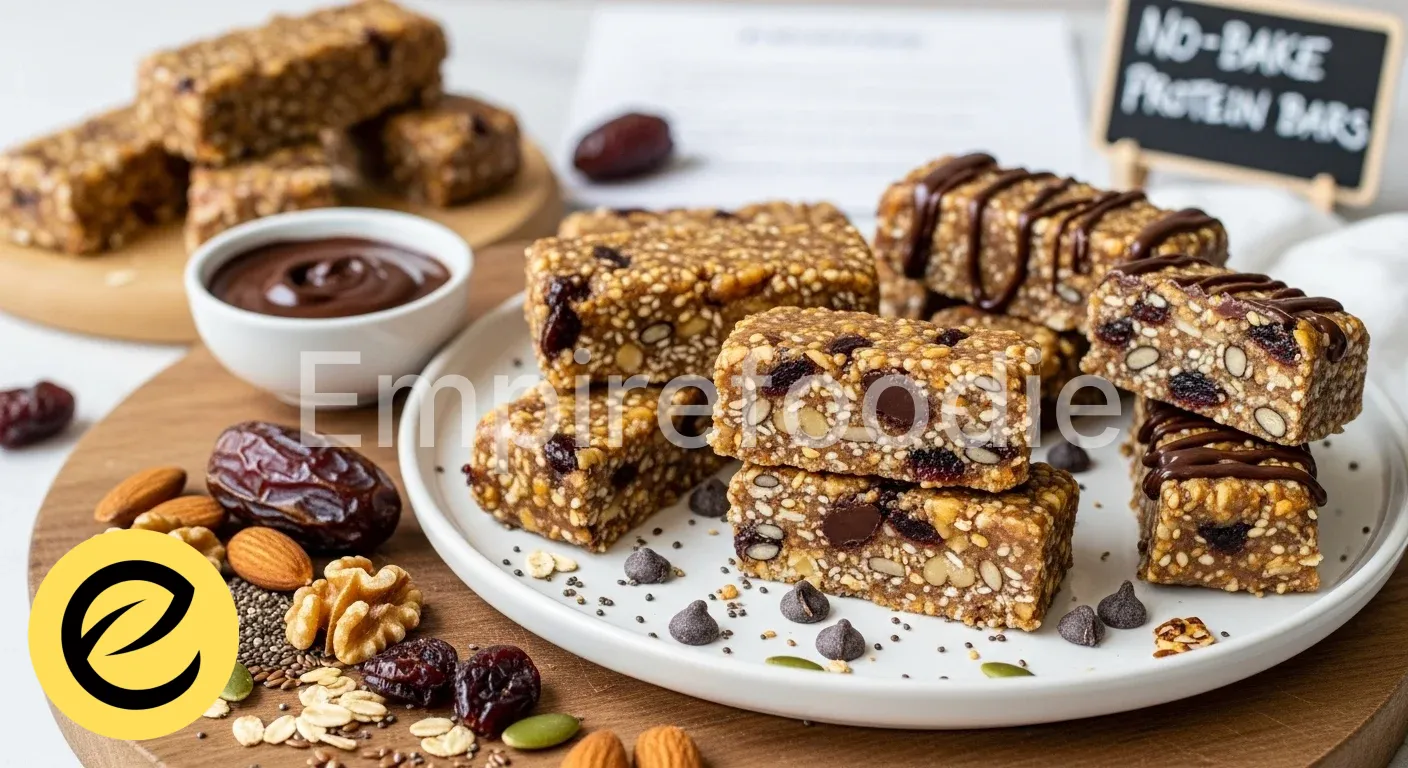
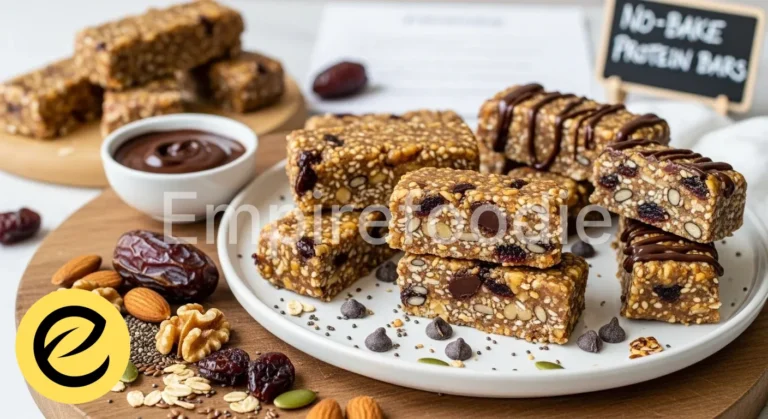
There’s something incredibly grounding about a wholesome snack made with love, much like the cherished recipes passed down through generations. These delightful no-bake protein bars bring a taste of home to your busy days, offering a perfect blend of rich, chewy texture and satisfying sweetness.

Crafted with simple, pure ingredients, these protein bars are not just a treat for your taste buds but a genuine boost for your well-being, keeping you energized throughout your day. Imagine a bite that transports you back to grandma’s kitchen, yet perfectly fits into your modern, active life.

Table of Contents

Why You’ll Love These Homemade Protein Bars

These truly exceptional protein bars offer everything you desire in a healthy, convenient snack. You will adore them for their:

  • Unmatched Flavor & Texture: A delightful combination of nutty, sweet, and perfectly chewy, reminiscent of classic farmhouse treats.
  • Effortless Preparation: No baking required! Just mix, press, and chill for quick, delicious protein bars.
  • Wholesome Goodness: Packed with natural protein, fiber, and healthy fats to fuel your body and mind.
  • Customizable Appeal: Easily adapt ingredients to suit your dietary needs and personal preferences, making these the best protein bars for everyone.

Ingredients You’ll Need

protein bars

To create these wonderful protein bars, focusing on quality ingredients makes all the difference. Just like my grandmother always said, “Good food starts with good things from the earth.”

  • 1 ½ cups (180g) Rolled Oats: Opt for old-fashioned rolled oats, not instant. They provide the perfect chewy texture and a boost of fiber.
  • 1 cup (100g) Vanilla Protein Powder: Choose a high-quality whey or plant-based protein powder. This is the core of our protein bars.
  • ½ cup (60g) Ground Flaxseed: A nutritional powerhouse, adding omega-3s, fiber, and helping to bind our protein bars.
  • ½ cup (120g) Nut Butter: Creamy peanut butter or almond butter works beautifully. Ensure it’s natural, with no added sugars or oils.
  • ½ cup (120g) Honey or Maple Syrup: For natural sweetness and binding. Adjust to your preferred sweetness level.
  • ¼ cup (60ml) Almond Milk (or any milk): Use unsweetened milk to control sweetness. You might need a little more or less to achieve the right consistency.
  • 1 teaspoon Vanilla Extract: A splash of good quality vanilla deepens the flavor profile, a trick my grandmother always used.
  • ¼ cup (30g) Mini Chocolate Chips (optional): Dark chocolate chips add a lovely touch without overwhelming the healthy nature of these protein bars.
  • Pinch of Sea Salt: Balances the sweetness and enhances all the other flavors.

Substitutions & Variations

[ra_display_video url=”https://www.youtube.com/watch?v=dB4zAA-pnAQ”]

Part of the joy of farmhouse baking is adapting to what you have on hand and tailoring recipes to fit every family member’s needs. These protein bars are incredibly versatile, allowing for many healthy swaps. If peanut allergies are a concern, swap peanut butter for sunflower seed butter or almond butter.

For a vegan option, ensure your protein powder is plant-based and use maple syrup instead of honey. You can also experiment with different nuts or seeds; try adding a handful of chopped walnuts or chia seeds for extra crunch and nutrients.

To boost the flavor and nutrient profile, consider incorporating a tablespoon of unsweetened shredded coconut or a sprinkle of cinnamon. These simple variations ensure your homemade protein bars always feel fresh and exciting, catering to all tastes while maintaining their wholesome integrity.

Experimenting with your protein bar ingredients can lead to fantastic results. If you’re looking for more ways to enjoy chocolate, don’t miss our delicious chocolate biscuits recipe that complements any sweet cravings.

Equipment You’ll Need

You won’t need anything fancy for these protein bars, just a few kitchen basics that every good home cook has.

  • Large Mixing Bowl
  • Sturdy Spatula or Wooden Spoon
  • 8×8 inch (20×20 cm) Baking Dish or Casserole Dish
  • Parchment Paper
  • Measuring Cups and Spoons

Step-by-Step Instructions

protein bars

Making these protein bars is a simple, satisfying process that yields delicious results every time. Just follow these steps, and you’ll have a batch of wholesome snacks ready to go.

  1. Prepare Your Dish: Line an 8×8 inch baking dish with parchment paper, leaving an overhang on the sides. This makes it much easier to lift out your finished protein bars later. A little preparation goes a long way, just like setting the table before a big family meal.
  2. Combine Dry Ingredients: In your large mixing bowl, combine the rolled oats, protein powder, ground flaxseed, and a pinch of sea salt. Use your spatula to mix everything thoroughly. You want all the dry ingredients evenly distributed to ensure every bite of your protein bars is perfectly balanced.
  3. Warm Wet Ingredients (Optional but Recommended): In a small saucepan or microwave-safe bowl, gently warm the nut butter and honey (or maple syrup) over low heat until just melted and smooth. This step makes mixing much easier and helps the protein bars bind better. My grandmother always said warming the fats helped everything come together more lovingly. Add the vanilla extract to this mixture.
  4. Combine Wet and Dry: Pour the warm wet ingredient mixture into the bowl with your dry ingredients. Add the almond milk. Mix vigorously with your sturdy spatula or wooden spoon until everything is thoroughly combined and forms a thick, cohesive dough. The mixture for these protein bars should be sticky and hold together when pressed. If it feels too dry, add a little more milk, one tablespoon at a time, until the desired consistency is reached.
  5. Fold in Chocolate Chips (Optional): If you’re using mini chocolate chips, fold them into the mixture now. Ensure they are evenly distributed throughout the protein bars.
  6. Press into Dish: Transfer the mixture into your prepared 8×8 inch dish. Using the back of your spatula or your clean hands, press the mixture down firmly and evenly into the pan. You want a compact, smooth layer for perfectly formed protein bars. Apply good, steady pressure, just like tamping down soil in a garden bed.
  7. Chill: Cover the dish with plastic wrap and refrigerate for at least 2 hours, or until the protein bars are firm enough to cut. Chilling is crucial for stability.
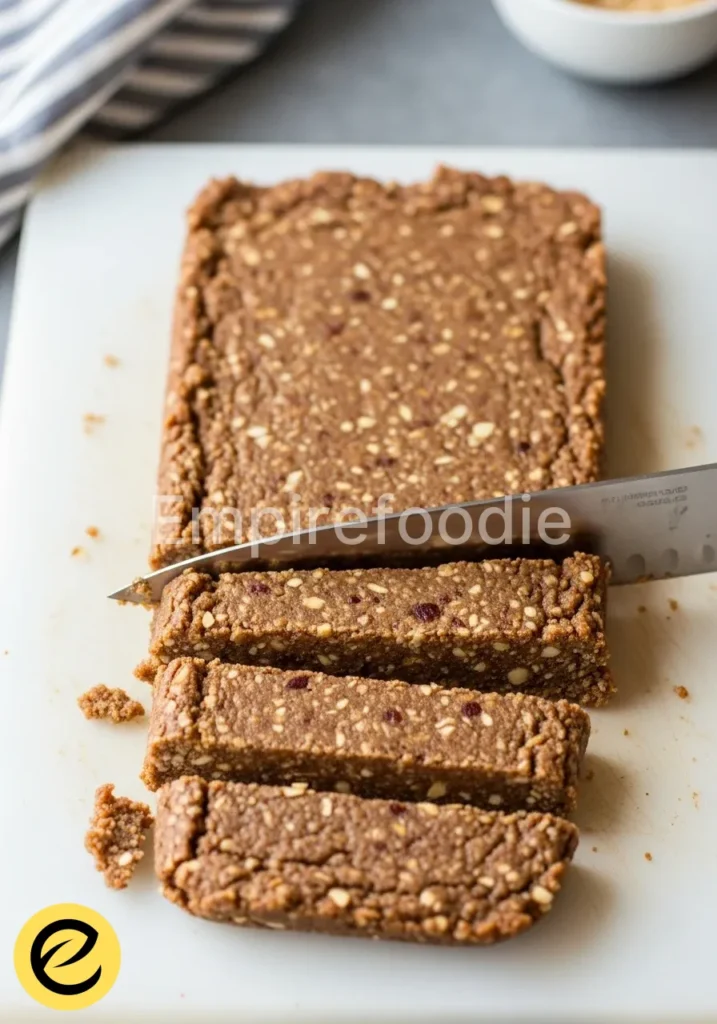
  8. Cut and Serve: Once firm, lift the parchment paper to remove the slab from the dish. Place it on a cutting board and cut it into 12-16 equally sized protein bars. Enjoy immediately or store for later!

Preparing your dish with care ensures a seamless baking experience and delightful results. For a similar treat, you might want to check out our simple and delicious chocolate chip biscuits recipe.

Pro Tips for Success

Achieving truly excellent protein bars often comes down to a few small, thoughtful details. These tips, gleaned from years in the kitchen, will elevate your snack game.

  • Don’t Over-Process Oats: While some recipes call for pulsing oats, resist the urge. Keeping them whole provides superior texture and a satisfying chew in your protein bars.
  • Achieve the Right Consistency: The mixture should be firm enough to press but not crumbly. If it’s too dry, add milk slowly. If too wet, a tablespoon of extra protein powder or ground flaxseed can help. Consistency is key for perfect protein bars.
  • Press Firmly: When pressing the mixture into the pan, use significant pressure. This compacts the protein bars, preventing them from crumbling when cut and ensuring a dense, satisfying bite.
  • Chill Thoroughly: Do not rush the chilling process. A minimum of 2 hours, or even overnight, in the refrigerator ensures the protein bars set properly and are easy to cut cleanly. This also improves their overall texture.
  • Quality Ingredients Matter: Especially with protein powder and nut butter, invest in good quality brands. The flavor and texture of your finished protein bars directly reflect the quality of your ingredients.

Storage & Reheating Tips

Proper storage ensures your homemade protein bars stay fresh and delicious, ready for whenever hunger strikes. Keep them in an airtight container in the refrigerator for up to 1-2 weeks. You can also wrap individual protein bars in plastic wrap or parchment paper before storing them, which makes grabbing a quick snack even easier.

For longer storage, these protein bars freeze beautifully. Place them in a freezer-safe bag or container, separated by parchment paper, and they will keep for up to 3 months. Thaw frozen protein bars overnight in the refrigerator or simply let them sit at room temperature for about 15-30 minutes before enjoying. No reheating is necessary; these are perfect straight from the fridge or freezer.

To maintain the freshness and flavor of your protein bars, proper storage is key. For more indulgent ideas, explore our peanut butter bars, which are a perfect snack to grab on the go.

What to Serve With This Recipe
protein bars

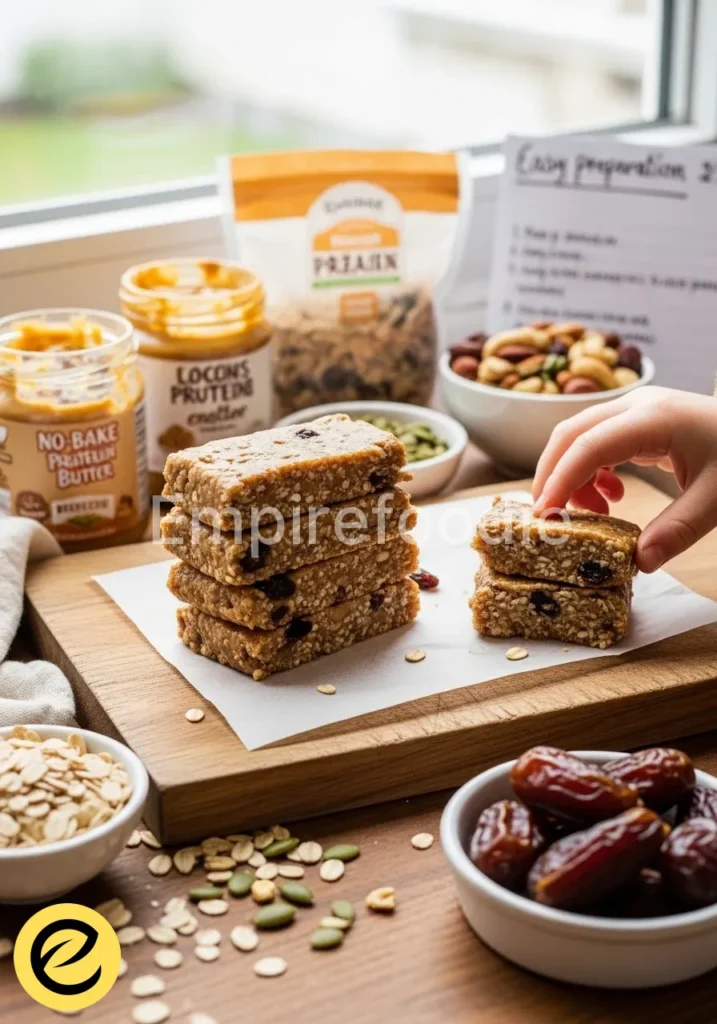
These protein bars are substantial enough to be a standalone snack, but they also pair wonderfully with other wholesome options to create a more complete meal or boost your energy further.

  • Fresh Fruit: A crisp apple, a handful of berries, or a sliced banana complements the richness of the protein bars beautifully, adding natural sweetness and extra vitamins.
  • Greek Yogurt: A dollop of plain Greek yogurt alongside your protein bar offers an additional protein punch and a creamy contrast.
  • A Warm Beverage: Pair a protein bar with a steaming mug of herbal tea or a comforting cup of coffee for a perfect morning or afternoon pick-me-up.
  • Smoothie: For an ultimate energy boost, enjoy your protein bars with a green smoothie packed with spinach, fruit, and plant-based milk.
  • Nut Milk: A glass of almond milk or oat milk makes a simple, satisfying accompaniment to these protein bars.

Frequently Asked Questions (FAQ)

Can I use a different type of protein powder?

Absolutely! The type of protein powder you use can certainly impact the final texture and flavor of your protein bars. Whey protein tends to yield a chewier, denser bar, while plant-based proteins like pea or brown rice protein might result in a slightly drier or more crumbly texture.

You might need to adjust the amount of liquid (almond milk) slightly, adding a tablespoon at a time until the mixture for your protein bars reaches the desired consistency. Always choose a protein powder you enjoy the taste of, as it forms a significant part of the overall flavor profile of these protein bars.

How can I make these protein bars vegan?

Making these protein bars vegan is quite straightforward. First, ensure you select a plant-based protein powder, such as pea, soy, or brown rice protein. Next, substitute honey with an equal amount of pure maple syrup or agave nectar.

Both options provide excellent binding and sweetness. Finally, confirm your chocolate chips (if using) are dairy-free. With these simple adjustments, you can enjoy delicious, entirely plant-based protein bars that are just as satisfying and nutritious.

What if my mixture is too dry or too wet?

Achieving the perfect consistency for these no-bake protein bars is crucial for them to hold together well. If your mixture feels too dry and crumbly, slowly add more almond milk, one tablespoon at a time, mixing well after each addition until the mixture comes together and is firm enough to press without falling apart. Conversely, if the mixture is too wet and sticky, add a tablespoon or two of extra ground flaxseed or even a little more protein powder.

These ingredients absorb moisture and will help firm up your protein bars. Adjust gradually until you reach a consistency that is easy to press into your dish.

Protein bars are a popular nutritional snack that can provide a concentrated source of protein, making them ideal for athletes and busy individuals alike. These convenient bars are often made with a mixture of protein sources, oats, nuts, and other healthy ingredients, giving you fuel for your day, especially when you need a quick meal on the go. Learn more about their nutritional value through this resource.

Final Thoughts

These wholesome protein bars carry more than just nutrients; they hold a whisper of the past, a connection to the simple, honest nourishment my grandmothers championed. Each chewy bite is a testament to the power of pure ingredients and the enduring comfort of a homemade snack. Make them for your family, and share a taste of tradition, infused with love.

Nutrition Information (per serving)

Based on 12 servings (approximate values)

NutrientAmount
Calories250 kcal
Protein15g
Total Fat12g
Saturated Fat3g
Carbohydrates22g
Fiber5g
Sugars10g
Sodium110mg

protein bars

Prep Time 20 minutes
Total Time 2 hours 20 minutes
Servings 12-16 protein bars servings
Calories 250
These no-bake protein bars are a wholesome snack made with love, featuring a rich, chewy texture and satisfying sweetness. Crafted with simple, pure ingredients, they provide a genuine boost for your well-being, perfect for busy days.

Ingredients

  • 1 ½ cups (180g) Rolled Oats
  • 1 cup (100g) Vanilla Protein Powder
  • ½ cup (60g) Ground Flaxseed
  • ½ cup (120g) Nut Butter
  • ½ cup (120g) Honey or Maple Syrup
  • ¼ cup (60ml) Almond Milk
  • 1 teaspoon Vanilla Extract
  • ¼ cup (30g) Mini Chocolate Chips (optional)
  • Pinch of Sea Salt

Instructions 

  • Prepare Your Dish: Line an 8×8 inch baking dish with parchment paper, leaving an overhang on the sides.
  • Combine Dry Ingredients: In a large mixing bowl, combine the rolled oats, protein powder, ground flaxseed, and a pinch of sea salt.
  • Warm Wet Ingredients (Optional): Gently warm the nut butter and honey (or maple syrup) over low heat until just melted and smooth, then add vanilla extract.
  • Combine Wet and Dry: Pour the warm wet mixture into the dry ingredients, adding almond milk, and mix vigorously until a thick dough forms.
  • Fold in Chocolate Chips (Optional): If using, fold in mini chocolate chips until distributed evenly.
  • Press into Dish: Transfer the mixture into the prepared dish, pressing down firmly and evenly.
  • Chill: Cover with plastic wrap and refrigerate for at least 2 hours until firm.
  • Cut and Serve: Once firm, lift out of the dish using the parchment paper, cut into bars, and enjoy.
Notes

Store in an airtight container in the refrigerator for up to 1-2 weeks. Freeze for longer storage.
Adjust liquid to achieve desired consistency.
Use quality ingredients for best results.
Calories: 250kcal
Course: Snack
Cuisine: American
Keyword: healthy snack, No-Bake, protein bars

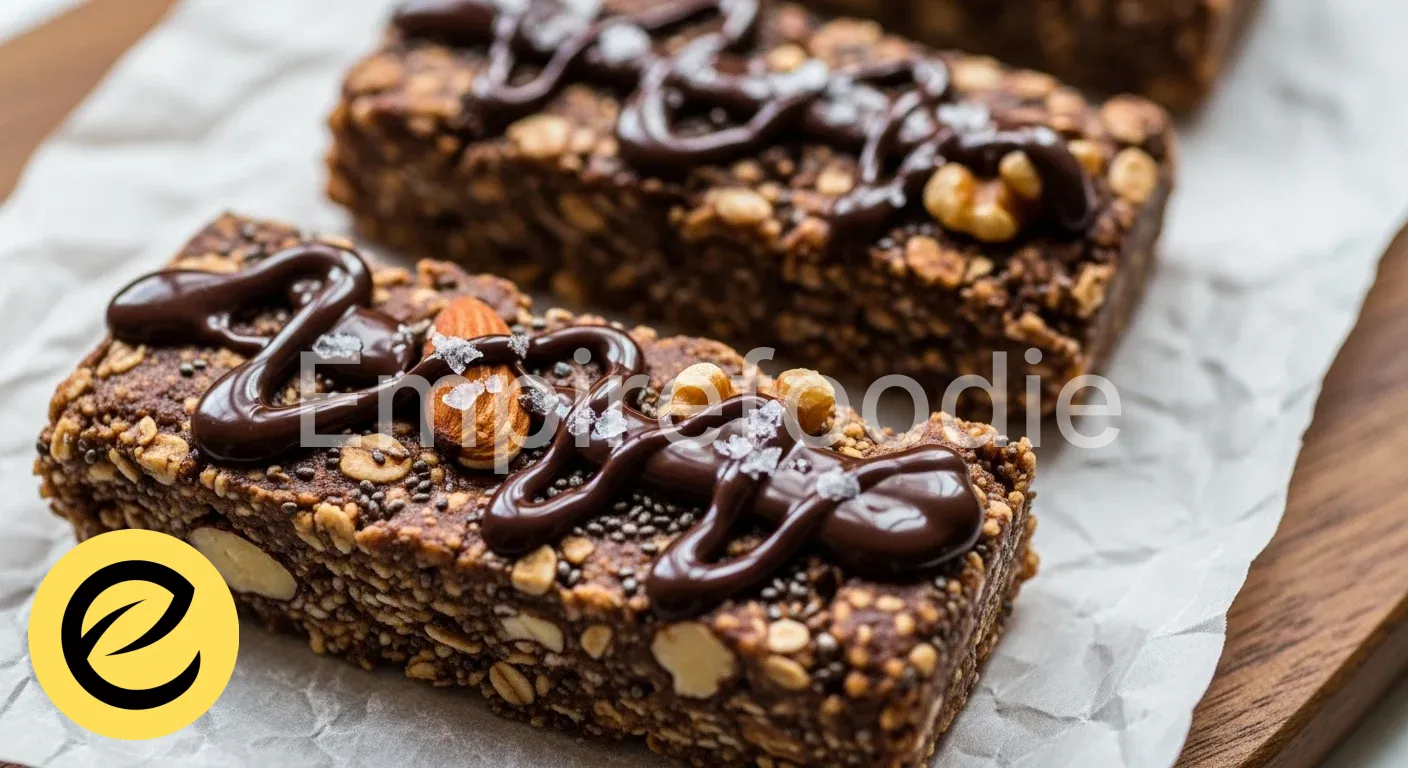
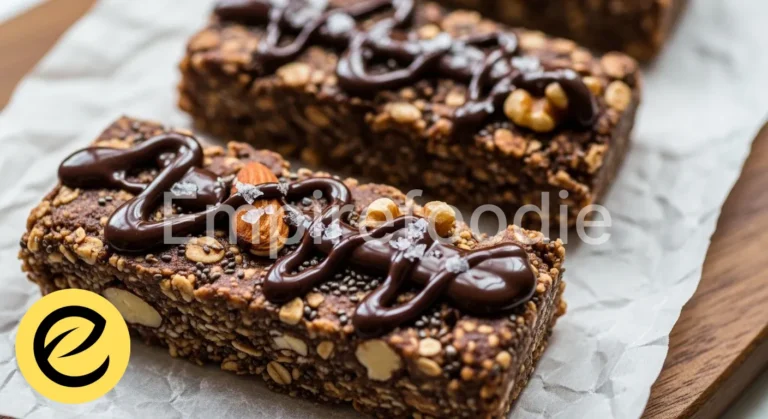
Indulge in these irresistible chocolate protein bars, a perfect blend of rich cocoa and satisfying texture. These gourmet treats offer a chewy bite with a decadent chocolate flavor, ideal for a wholesome snack or post-workout fuel. Crafted to bridge delicious pastry and healthy living, these homemade chocolate protein bars prove that nutritious can also be delightful.

Table of Contents

Why You’ll Love These Chocolate Protein Bars

  • Rich Flavor: Decadent cocoa meets natural sweetness for a satisfying bite.
  • Simple Prep: No-bake, minimal cleanup, ready in minutes.
  • Nutrient-Rich: Packed with protein and fiber, perfect for energy.
  • Adaptable: Easily customize for various dietary preferences.

Ingredients You’ll Need

chocolate protein bars

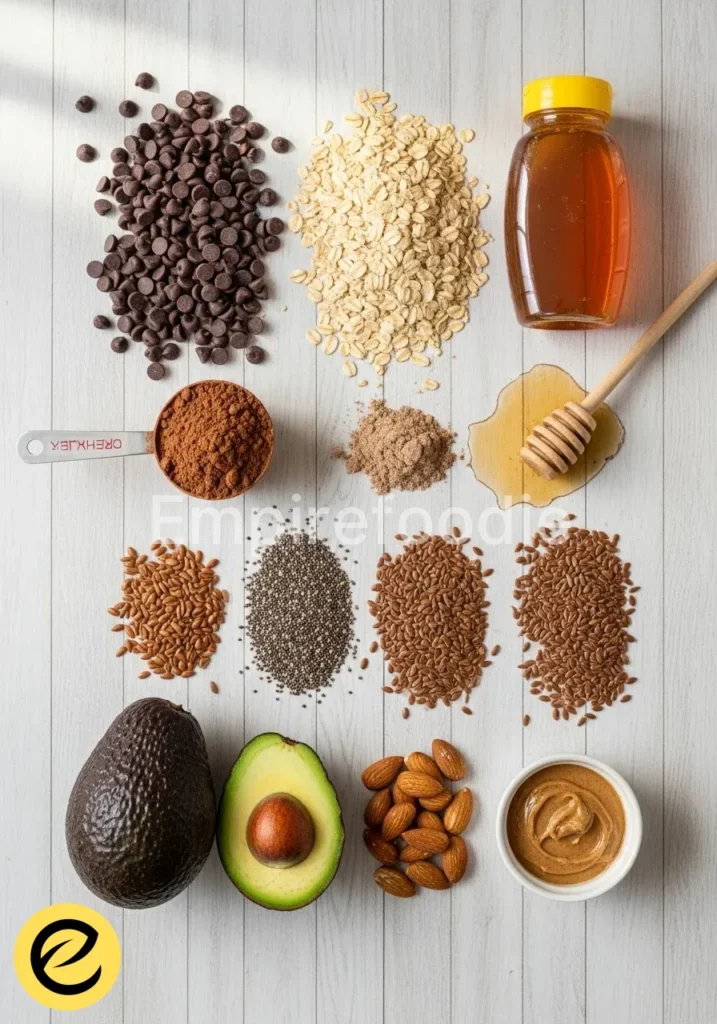
Creating truly exceptional chocolate protein bars starts with selecting high-quality ingredients. Each component plays a vital role in achieving that perfect balance of flavor, texture, and nutritional value. Embrace the finest natural products to elevate your homemade treats.

  • Natural Peanut Butter: Opt for creamy, unsweetened peanut butter with no added oils or sugars. Its rich, nutty flavor forms the core binder and provides healthy fats, contributing to the satisfying chewiness of these protein bars. Almond butter or cashew butter also work beautifully.
  • Protein Powder: A high-quality chocolate or unflavored whey protein isolate offers the best texture and nutritional profile for these bars. If you prefer a plant-based option, a blend of pea and rice protein works well, though you might need a tiny splash more liquid to achieve the right consistency. Ensure your chosen protein powder blends smoothly without grittiness.
  • Unsweetened Cocoa Powder: Dutch-processed cocoa powder provides a darker color and a smoother, less bitter chocolate flavor. Look for a premium brand to truly enhance the chocolate depth in your protein bars. This is where the “chocolate” in chocolate protein bars truly shines.
  • Honey or Maple Syrup: These natural sweeteners not only provide delicious flavor but also act as a crucial binder. Maple syrup offers a distinct earthy sweetness, while honey brings a floral note. Adjust the amount to your preferred level of sweetness. For vegan chocolate protein bars, strictly use maple syrup.
  • Rolled Oats (Gluten-Free if desired): Old-fashioned rolled oats add essential fiber and a pleasant chewiness. They help absorb moisture and provide structure. Ensure they are certified gluten-free if you are catering to dietary restrictions. Do not use instant oats, as they will alter the texture too much.
  • Vanilla Extract: Pure vanilla extract is a must for enhancing the overall flavor profile, complementing the chocolate and adding a touch of sophisticated warmth. A good quality extract makes all the difference.
  • Pinch of Salt: A tiny bit of salt balances the sweetness and intensifies the chocolate flavor, making these homemade protein bars taste more gourmet.
  • Optional Add-ins: Consider a handful of mini chocolate chips (dark chocolate recommended), chopped nuts (almonds, walnuts), or shredded unsweetened coconut for extra texture and flavor. These additions transform simple protein bars into luxurious treats.

Substitutions & Variations

[ra_display_video url=”https://www.youtube.com/watch?v=QZXx1u3kWQo”]

These chocolate protein bars are wonderfully adaptable. Experiment with wholesome swaps to suit your taste.

  • Nut-free: Use sunflower seed butter.
  • Vegan: Maple syrup replaces honey.
  • Boosts: Add flaxseed, chia, or dried fruit.
  • Flavor: Try different protein powder types.

For an extra rich chocolate experience, melt a tablespoon of coconut oil with unsweetened cocoa powder and drizzle over the finished chocolate protein bars before chilling. This creates a hard chocolate shell, reminiscent of your favorite confectionery, but packed with nutrition.

These chocolate protein bars are wonderfully adaptable, allowing you to experiment with different ingredients to suit your preferences. For delicious chocolate biscuits to complement your protein intake, check out this chocolate biscuits recipe.

Equipment You’ll Need

  • 8×8 inch baking pan: Essential for shaping your chocolate protein bars.
  • Parchment paper: Lines the pan for easy removal and cleanup.
  • Large mixing bowl: For combining all the ingredients thoroughly.
  • Sturdy spatula or spoon: To mix the dense batter effectively.
  • Measuring cups and spoons: For precise ingredient measurements.
  • Cutting board and sharp knife: For neat slicing of the finished bars.

Step-by-Step Instructions

chocolate protein bars

Crafting these delectable chocolate protein bars is a straightforward process, requiring no baking and minimal fuss. Follow these detailed steps to ensure perfectly formed, delicious, and nutritious homemade protein bars every time.

  1. Prepare Your Pan: First, line an 8×8 inch baking pan with parchment paper, leaving an overhang on all sides. This makes lifting the finished chocolate protein bars out of the pan incredibly easy. A light spray with cooking oil can help the parchment adhere.
  2. Combine Wet Ingredients: In a large mixing bowl, combine the natural peanut butter, honey (or maple syrup), and vanilla extract. Stir these ingredients vigorously until they are completely smooth and well-integrated. This forms the sticky, flavorful base for your homemade protein bars.
  3. Add Dry Ingredients: To the wet mixture, add the chocolate protein powder, unsweetened cocoa powder, rolled oats, and a pinch of salt. It is important to add these dry components gradually to prevent a dusty cloud and ensure even distribution.
  4. Mix Thoroughly: Using a sturdy spatula or your hands, mix all the ingredients until a thick, uniform dough forms. This will require some effort as the mixture is quite dense. Ensure no dry pockets of protein powder or oats remain. The consistency should be firm enough to press, but still pliable. This is key for well-structured homemade chocolate protein bars.
  5. Press into Pan: Transfer the mixture to the prepared baking pan. Using the back of your spatula or your clean hands, press the mixture down firmly and evenly into the pan. Make sure the surface is smooth and compact. The firmer you press, the less crumbly your finished chocolate protein bars will be.
  6. Chill: Place the pan in the refrigerator for at least 2 hours, or until the chocolate protein bars are completely firm. Chilling is crucial for setting the bars, allowing them to hold their shape perfectly when cut. For an even quicker set, you can place them in the freezer for about 30-45 minutes.
  7. Cut into Bars: Once firm, use the parchment paper overhang to lift the entire slab out of the pan. Place it on a cutting board. Using a sharp knife, cut the slab into 12 equal bars. For clean cuts, wipe your knife with a damp cloth between slices.
  8. Enjoy or Store: Your delicious chocolate protein bars are now ready to enjoy! For optimal freshness, store them as directed below.

Crafting these delectable chocolate protein bars is simple and requires minimal fuss, making it an ideal recipe for any home chef. To enhance your dessert repertoire, consider trying these lovely chocolate chip biscuits as well.

Pro Tips for Success

Achieving bakery-quality chocolate protein bars at home involves a few expert tricks. These tips, rooted in pastry arts, will ensure your no-bake chocolate protein bars are perfect every time.

  • Ingredient Temperature: Ensure your peanut butter is at room temperature. This makes it much easier to mix with the other ingredients, creating a smoother, more cohesive base for your gourmet protein bars.
  • Protein Powder Quality: Not all protein powders are created equal. Some absorb more liquid than others. If your mixture seems too dry, add a teaspoon of milk (dairy or non-dairy) at a time until it reaches a pressable consistency. If it’s too wet, add a tiny bit more oats or protein powder. This balance is crucial for perfect healthy protein bars.
  • Pressing Technique: When pressing the mixture into the pan, really put some muscle into it. Use a flat-bottomed glass or a second piece of parchment paper to get a truly even, compact layer. This prevents crumbling and ensures each of your chocolate protein bars holds its shape.
  • Clean Cuts: For professional-looking bars, use a large, sharp chef’s knife. Heat the knife under hot water and wipe it dry before each cut. This creates clean, precise edges, especially important for rich chocolate bars that contain sticky binders.
  • Flavor Balancing: Taste your mixture before pressing it into the pan (if safe with raw oats/protein). Adjust sweetness or add another pinch of salt if needed. This allows you to customize the flavor of your delicious chocolate protein bars to your exact preference before they set.

Storage & Reheating Tips

Proper storage is essential to maintain the freshness and texture of your homemade chocolate protein bars. Since these are no-bake and contain natural ingredients, they require refrigeration.

  • Refrigeration: Store your chocolate protein bars in an airtight container in the refrigerator for up to 1 week. This prevents them from drying out and keeps them firm.
  • Freezing: For longer storage, wrap individual bars tightly in plastic wrap, then place them in a freezer-safe bag or container. They can be frozen for up to 2-3 months. Thaw individual bars in the refrigerator overnight or at room temperature for about 30 minutes before enjoying.
  • Prevent Sticking: If stacking multiple bars, place a small piece of parchment paper between each one to prevent them from sticking together.

Proper storage is key to enjoying your homemade chocolate protein bars at their best. For a delightful treat that pairs beautifully with your protein bars, don’t miss out on these chocolate cookies with white chips.

What to Serve With This Recipe

chocolate protein bars

These chocolate protein bars are substantial enough to be a standalone snack, but they also pair beautifully with light, healthy accompaniments that complement their rich flavor without overwhelming them. Think fresh and vibrant to contrast the decadent chocolate bars.

  • Fresh Fruit Platter: A vibrant assortment of berries (strawberries, raspberries, blueberries), sliced apples, or a ripe banana provides natural sweetness and a refreshing counterpoint to the rich chocolate protein bars.
  • Greek Yogurt: A dollop of plain Greek yogurt, perhaps with a drizzle of honey, offers an extra boost of protein and a creamy texture that contrasts nicely with the chewy bars.
  • A Warm Beverage: Pair your protein bar with a soothing cup of herbal tea, a strong black coffee, or a glass of unsweetened almond milk. This combination makes for a comforting and satisfying break.
  • Small Side Salad: For a truly balanced meal, consider a small, light side salad with mixed greens, a few cherry tomatoes, and a simple vinaigrette. It introduces freshness and an entirely different texture.
  • Sparkling Water with Lemon: A glass of sparkling water infused with lemon or lime slices cleanses the palate and offers a crisp, refreshing accompaniment to these energy bars.

Frequently Asked Questions (FAQ)

Can I make these chocolate protein bars gluten-free?

Absolutely! The primary ingredient containing gluten would be the oats. Simply ensure you use certified gluten-free rolled oats, and your chocolate protein bars will be entirely gluten-free. Always double-check labels on other ingredients like protein powder to confirm they are also gluten-free if cross-contamination is a concern for severe allergies.

Are these healthy protein bars suitable for pre- or post-workout?

Yes, these healthy protein bars are excellent for both pre- and post-workout nutrition. They provide a good balance of protein for muscle repair and recovery, complex carbohydrates from the oats for sustained energy, and healthy fats for satiety. Their no-bake nature makes them a convenient, grab-and-go option for busy schedules. Enjoy one about an hour before your workout for sustained energy, or immediately after to kickstart recovery.

Why are my no-bake chocolate protein bars crumbly?

If your no-bake chocolate protein bars are crumbly, it’s likely due to an imbalance in the wet-to-dry ingredient ratio, or insufficient pressing. Ensure you measure accurately. If the mixture feels too dry after mixing, add a tiny bit more peanut butter or honey (half a teaspoon at a time) until it comes together.

Crucially, when pressing the mixture into the pan, press very, very firmly and evenly. This compaction is essential for the bars to hold together. Also, ensure they are thoroughly chilled before cutting, as this solidifies the binders.

Chocolate protein bars are a popular choice among fitness enthusiasts and health-conscious individuals looking for a convenient snack. These bars provide an excellent source of protein, essential for muscle repair and growth, making them a favored option for those engaged in physical activities; learn more about their benefits in this guide.

Final Thoughts

These homemade chocolate protein bars are more than just a snack; they are a testament to how simple, wholesome ingredients can create something truly extraordinary and satisfying. Embrace the joy of crafting elevated comfort food that nourishes your body and delights your palate, bridging the gap between sophisticated pastry art and accessible home cooking.

Nutrition Information (per serving)

Approximate values per chocolate protein bar (yields 12 servings):

NutrientAmount
Calories220-250 kcal
Protein12-15 g
Fat12-15 g
Carbohydrates15-20 g
Fiber3-4 g
Sugars8-10 g

chocolate protein bars

Prep Time 20 minutes
Total Time 2 hours 20 minutes
Servings 12 bars servings
Calories 220
Indulge in these irresistible chocolate protein bars, a perfect blend of rich cocoa and satisfying texture. These gourmet treats offer a chewy bite with a decadent chocolate flavor, ideal for a wholesome snack or post-workout fuel.

Ingredients

  • Natural Peanut Butter
  • Protein Powder
  • Unsweetened Cocoa Powder
  • Honey or Maple Syrup
  • Rolled Oats
  • Vanilla Extract
  • Pinch of Salt
  • Optional Add-ins (Chocolate Chips, Nuts, Coconut)

Instructions 

  • Prepare Your Pan: Line an 8×8 inch baking pan with parchment paper, leaving an overhang on all sides.
  • Combine Wet Ingredients: In a large mixing bowl, combine peanut butter, honey (or maple syrup), and vanilla extract. Stir until smooth.
  • Add Dry Ingredients: Gradually add chocolate protein powder, cocoa powder, rolled oats, and salt to the wet mixture.
  • Mix Thoroughly: Mix until a thick, uniform dough forms.
  • Press into Pan: Transfer the mixture to the prepared pan and press down firmly and evenly.
  • Chill: Refrigerate for at least 2 hours until firm, or freeze for 30-45 minutes.
  • Cut into Bars: Use the parchment paper to lift out the slab and cut into 12 equal bars.
  • Enjoy or Store: Store in an airtight container in the refrigerator.

Notes

Ensure the peanut butter is at room temperature for easier mixing. Use certified gluten-free oats if necessary. Store in fridge for up to 1 week or freeze for 2-3 months.
Calories: 220kcal
Course: Snack
Cuisine: American
Keyword: chocolate, healthy, No-Bake, protein bars, snack

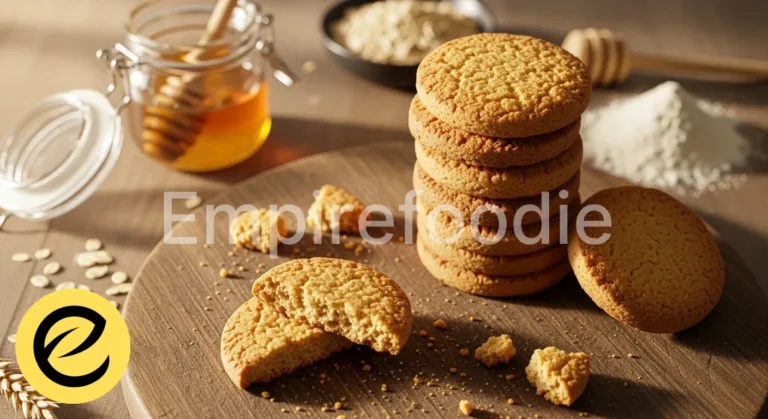
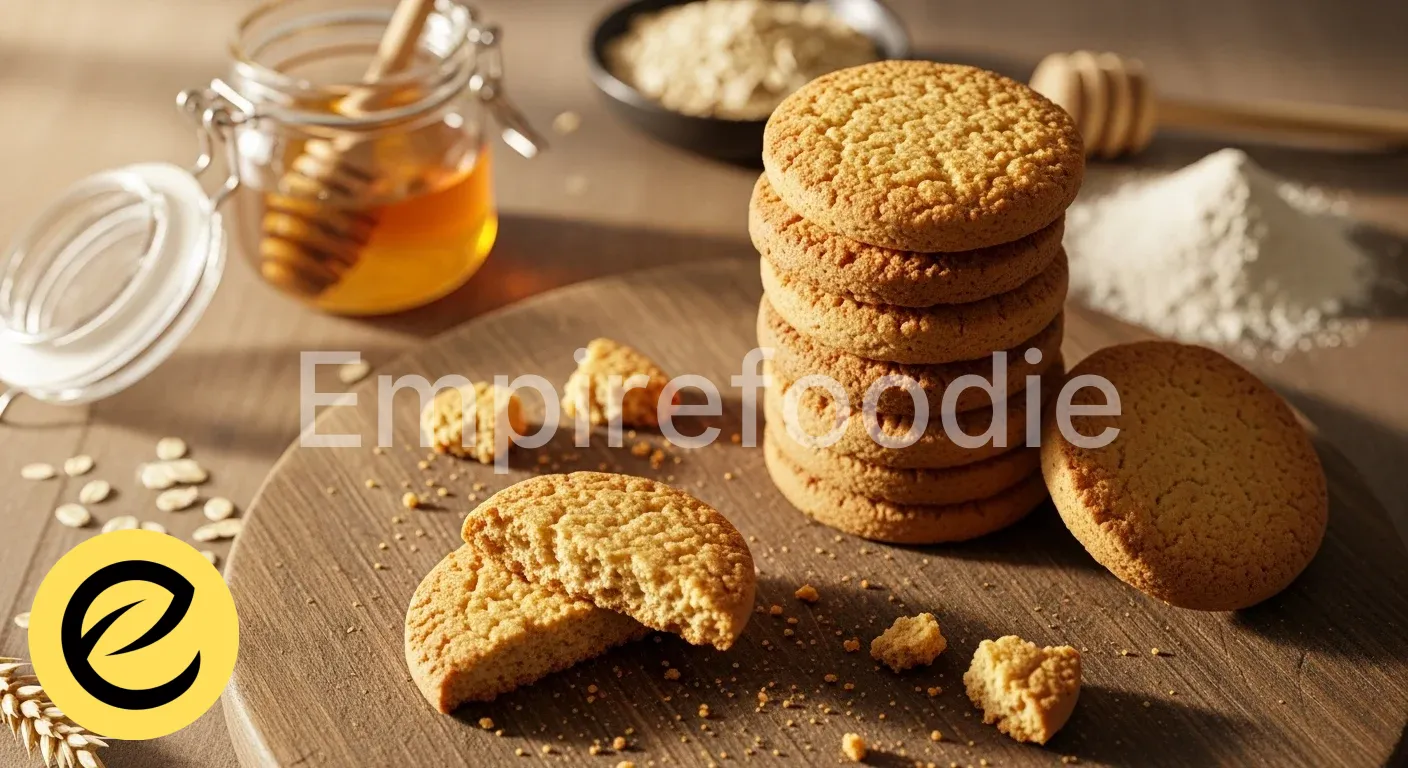
Crafting homemade digestive biscuits delivers a satisfying experience. These wholemeal biscuits offer subtle sweetness and a uniquely crumbly yet firm texture. Understanding the science behind their characteristics elevates this simple snack. This recipe guides you to create exceptional digestive biscuits, ensuring wholesome goodness in every bite.

Table of Contents

Why You’ll Love These Homemade Digestive Biscuits

  • Authentic Flavor: Superior taste in every homemade digestive biscuit.

  • Effortless Baking: Simple steps yield perfect results for your digestive biscuits.

  • Healthier Choice: Control ingredients for wholesome, fiber-rich digestive biscuits.

Ingredients You’ll Need

digestive biscuits

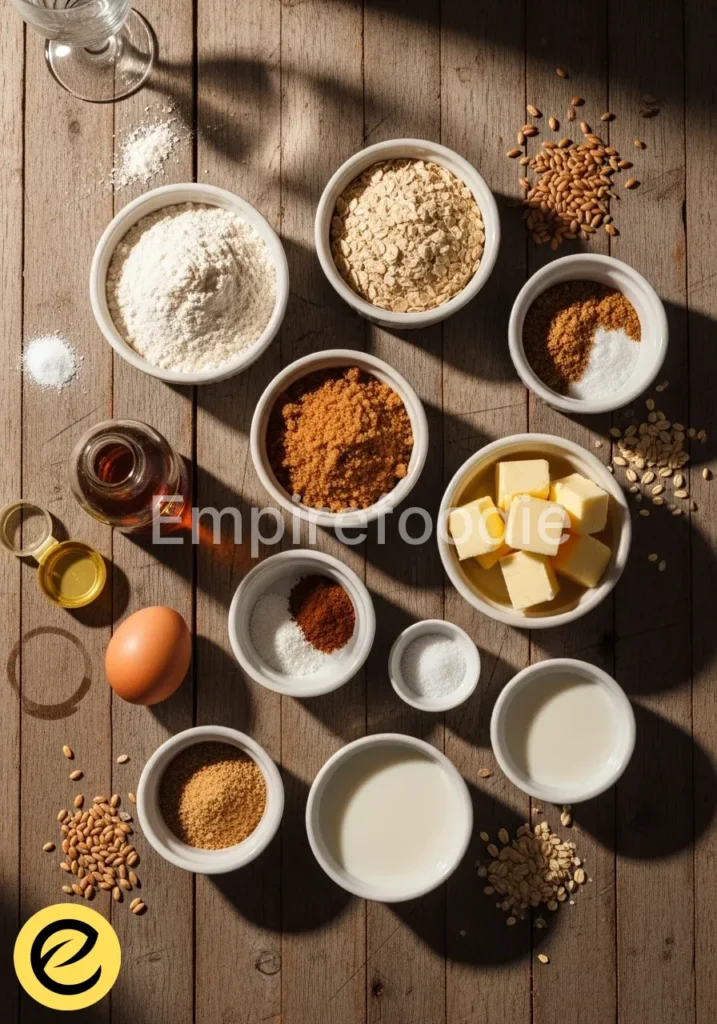
Success in baking these remarkable digestive biscuits hinges upon the quality and precise interaction of fundamental ingredients. Each component plays a critical role in achieving their characteristic texture and flavor.

  • Whole Wheat Flour (200g): The foundational ingredient, providing the signature nutty flavor and fiber content of digestive biscuits. Its higher protein and bran content interact differently with gluten development compared to all-purpose flour, necessitating specific handling to avoid toughness.

  • Unsalted Butter, cold and cubed (100g): Essential for creating the tender, crumbly texture. The cold butter, when cut into the flour, forms pockets of fat that inhibit extensive gluten formation, preventing a chewy biscuit and promoting flakiness. Its fat also carries flavor compounds effectively.

  • Light Brown Sugar (50g): Contributes a gentle caramel sweetness and aids in moisture retention, preventing the digestive biscuits from becoming too dry. The molasses content in brown sugar also assists in browning reactions, enhancing visual appeal.

  • Milk (approx. 3-4 tbsp): Acts as the binding agent, bringing the dough together to a workable consistency. The proteins and lactose in milk can also contribute to the final browning and a slight richness in the digestive biscuits.

  • Baking Soda (1 tsp): The primary chemical leavening agent. When combined with a liquid and heat, it releases carbon dioxide gas, creating small air pockets that contribute to the biscuit’s slightly open, tender crumb. This is crucial for the unique texture of digestive biscuits.

  • Salt (1/2 tsp): A critical flavor enhancer, balancing the sweetness and intensifying the overall taste profile. Beyond flavor, salt strengthens the gluten network, providing structure, and regulates yeast activity in fermented doughs (though less relevant here, it’s a general principle).

Substitutions & Variations

[ra_display_video url=”https://www.youtube.com/watch?v=zaF2b6EeLaM”]

For dietary adjustments, thoughtful substitutions can maintain the integrity and flavor of these homemade digestive biscuits. Understanding the scientific impact of each swap ensures successful results without compromising texture or taste, enhancing their wholesome appeal.

  • Gluten-Free Whole Wheat Flour: Replace the standard whole wheat flour with a high-quality gluten-free whole grain blend (e.g., oat flour, brown rice flour, sorghum flour, xanthan gum combination). The absence of gluten requires careful hydration and gentle handling to achieve a comparable texture without excessive crumbling in your digestive biscuits. Adjust liquid levels as gluten-free flours absorb differently.

  • Dairy-Free Butter: Opt for a plant-based, unsalted butter substitute (e.g., coconut oil, vegan butter sticks). Ensure it is cold and firm for proper incorporation into the flour, mirroring butter’s role in inhibiting gluten and creating flakiness. The melting point and fat composition will slightly alter texture, but generally yield excellent dairy-free digestive biscuits.

  • Sugar Alternatives: For reduced sugar content, experiment with a granulated erythritol-based sweetener or maple syrup. If using liquid sweeteners, reduce the added milk slightly to maintain dough consistency. Be aware that sugar alternatives may affect browning and overall texture due to differences in hygroscopy (moisture absorption) and caramelization.

  • Nutritional Boost: Incorporate a tablespoon of oat bran or flaxseed meal into the dry ingredients for an additional fiber and omega-3 fatty acid boost in your digestive biscuits. These additions will slightly increase hydration requirements, so have extra milk on hand.

When considering dietary adjustments, it’s crucial to understand how different ingredients can affect the outcome. Learn more about creating delightful treats with our recipe for German Chocolate Cookies that utilize thoughtful ingredient swaps.

Equipment You’ll Need

Precision in baking often starts with the right tools. While these digestive biscuits are relatively simple, having the correct equipment streamlines the process and ensures consistent results.

  • Large Mixing Bowl: For combining dry and wet ingredients effectively.

  • Pastry Blender or Fingertips: Crucial for cutting cold butter into the flour mixture, creating the desired sandy, crumbly texture without overworking the dough for your digestive biscuits.

  • Rolling Pin: For uniformly rolling out the dough to an even thickness, which is vital for even baking.

  • Round Cookie Cutters (approx. 6-7 cm diameter): To achieve consistently sized and shaped digestive biscuits. A sharp edge ensures clean cuts.

  • Baking Sheets: Lined with parchment paper for non-stick baking and easy cleanup.

  • Oven: A preheated oven with accurate temperature control is non-negotiable for proper leavening and browning of these digestive biscuits.

Step-by-Step Instructions

digestive biscuits

Follow these precise steps to craft perfect digestive biscuits, understanding the ‘why’ behind each action ensures exceptional results every time.

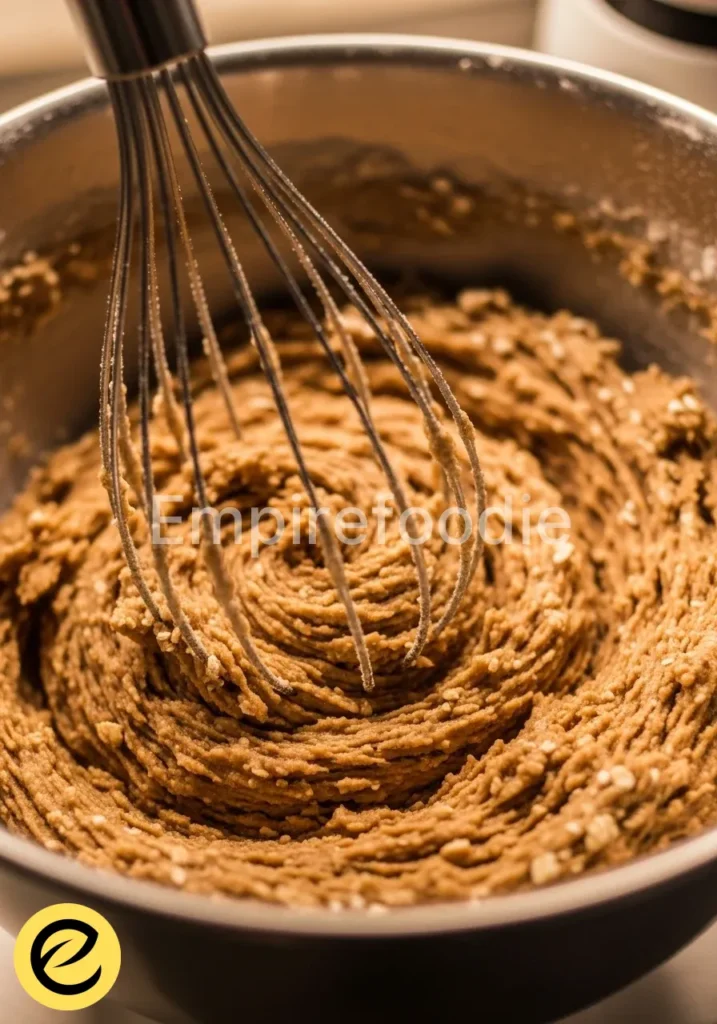
  1. Combine Dry Ingredients: In your large mixing bowl, thoroughly whisk together the whole wheat flour, light brown sugar, baking soda, and salt. This aeration ensures even distribution of leavening and seasoning, preventing pockets of unmixed ingredients within your digestive biscuits.

  2. Incorporate Cold Butter: Add the cold, cubed unsalted butter to the dry mixture. Using a pastry blender or your fingertips, quickly cut the butter into the flour until the mixture resembles coarse breadcrumbs with some pea-sized pieces remaining. The key here is to keep the butter cold, inhibiting excessive gluten development and creating steam pockets during baking for a tender crumb in your digestive biscuits.

  3. Form the Dough: Gradually add the milk, one tablespoon at a time, mixing lightly with a spatula or your hands until a shaggy dough forms. Be precise; over-hydration leads to a sticky, unworkable dough, while under-hydration results in dry, crumbly digestive biscuits. The dough should just come together and hold its shape.

  4. Chill the Dough: Flatten the dough into a disc, wrap it tightly in plastic film, and refrigerate for at least 30 minutes. Chilling allows the gluten to relax, making the dough easier to roll, and solidifies the butter, which prevents it from melting too quickly in the oven and maintains biscuit structure.

  5. Preheat Oven & Prepare Sheets: Preheat your oven to 180°C (350°F). Line two baking sheets with parchment paper. Proper preheating is crucial for consistent heat transfer and immediate activation of leavening agents.

  6. Roll and Cut: On a lightly floured surface, roll out the chilled dough to a uniform thickness of approximately 3-4 mm (about 1/8 inch). Thin, even rolling ensures crispy, evenly baked digestive biscuits. Use your round cookie cutter to cut out the biscuits. Gather and gently re-roll scraps once or twice, but avoid overworking the dough.

  7. Dock the Biscuits: Use a fork to prick several holes (docking) into each biscuit. This prevents large air bubbles from forming and allows steam to escape, promoting a flat, crisp texture characteristic of authentic digestive biscuits.

  8. Bake: Carefully transfer the cut biscuits to the prepared baking sheets. Bake for 12-15 minutes, or until the edges are golden brown and the centers feel firm. Baking time varies based on oven calibration and biscuit thickness; monitor closely to prevent over-browning. These homemade digestive biscuits should achieve a delicate crispness.

  9. Cool: Remove the digestive biscuits from the oven and let them cool on the baking sheets for 5 minutes before transferring them to a wire rack to cool completely. Cooling on the rack allows air circulation, preventing moisture accumulation and ensuring maximum crispness.

Understanding the process of combining dry ingredients can enhance your baking experience. Be sure to check out our detailed guide on making a delicious No-Bake Chocolate Biscuits Cake for further inspiration.

Pro Tips for Success

Achieving perfectly crisp and tender digestive biscuits involves more than just following steps; it requires understanding the underlying culinary science.

  • Temperature Control is Paramount: Always use cold butter and milk. Cold fat slows gluten development and creates steam pockets during baking, resulting in a tender, flaky crumb. Warm ingredients lead to a tough, dense biscuit because butter melts prematurely and gluten strands develop excessively.

  • Do Not Overmix the Dough: Once liquid is added, mix just until the dough comes together. Overmixing develops gluten, leading to a tough and chewy texture, which is undesirable for digestive biscuits. The goal is a delicate, crumbly snap.

  • Consistent Dough Thickness: Roll the dough to an even thickness. Inconsistent thickness causes some digestive biscuits to burn while others remain undercooked. Aim for 3-4 mm for uniform baking and optimal crispness.

  • Docking for Evenness: Pricking the biscuits with a fork (docking) prevents them from puffing up excessively and ensures a flat, even surface. This allows steam to escape, contributing to the signature crispness of these digestive biscuits.

  • Monitor Oven Temperature: Ovens can vary. Use an oven thermometer to ensure accuracy. Baking at the correct temperature is crucial for the baking soda to react properly and for the Maillard reaction (browning) to occur without overcooking.

  • Cool Completely for Crispness: Resist the urge to eat warm digestive biscuits. They achieve their optimal crisp texture only after cooling completely, as moisture evaporates and the internal structure sets.

Storage & Reheating Tips

Proper storage is essential to maintain the crisp texture and fresh flavor of your homemade digestive biscuits. Their relatively low moisture content makes them quite stable when stored correctly.

  • Airtight Container: Once completely cooled, store digestive biscuits in an airtight container at room temperature. Exposure to air causes them to absorb moisture and become soft. They will remain fresh and crisp for up to 1-2 weeks.

  • Avoid Refrigeration: Refrigerating biscuits can introduce excess moisture, making them soft. It is generally not recommended for maintaining crispness. Your delicious digestive biscuits thrive in a cool, dry pantry.

  • Freezing (Optional): For longer storage, you can freeze baked digestive biscuits. Place cooled biscuits in a single layer on a baking sheet to freeze solid, then transfer to a freezer-safe bag or container. They will last for up to 3 months.Thaw at room temperature. A brief re-crisp in a low oven (120°C/250°F for 5-7 minutes) can revive texture after thawing.

  • Re-Crisping Stale Biscuits: If your digestive biscuits lose their crispness, a quick refresh in a preheated oven (150°C/300°F) for 5-10 minutes can often restore their crunch. Ensure they cool completely afterward.

To keep your homemade digestive biscuits fresh and crispy, proper storage techniques are essential. For more sweet delights, explore our simple Easy Chocolate Cake Recipe that’s perfect for all occasions.

What to Serve With This Recipe

digestive biscuits

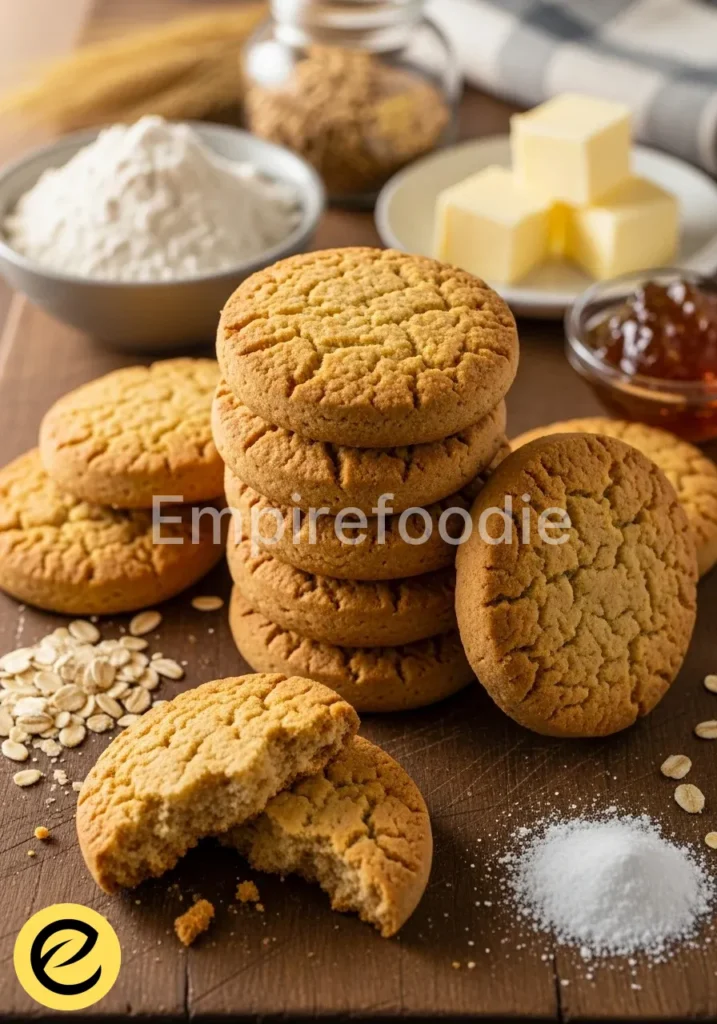
These homemade digestive biscuits offer a versatile base for a range of healthful and enjoyable pairings, elevating your snack time or light meal.

  • Fresh Fruit Compote: A warm, subtly sweetened berry or apple compote provides a vibrant contrast to the wholemeal richness. The natural acids and moisture complement the biscuit’s dry crispness.

  • Greek Yogurt and Honey: The creamy tang of Greek yogurt, drizzled with a touch of honey, offers a protein-rich accompaniment. Crushing a digestive biscuit into this mixture adds texture and fiber.

  • Nut Butter Spreads: A thin layer of almond butter or peanut butter provides healthy fats and protein, transforming the digestive biscuit into a more substantial and satisfying snack. The nutty flavors naturally harmonize.

  • Aromatic Teas or Coffee: Classic pairings for good reason. A robust English breakfast tea or a freshly brewed coffee provides a comforting beverage that balances the biscuit’s subtle sweetness and aids in palate cleansing.

  • Cheese and Fruit: For a savory twist, pair digestive biscuits with a mild cheddar or a creamy goat cheese alongside fresh grapes or apple slices. The interplay of sweet, savory, and tart creates a sophisticated snack.

Frequently Asked Questions (FAQ)

Why are they called “digestive” biscuits?

The term “digestive” originates from the historical belief that the high baking soda content aided digestion. While modern science offers a more nuanced understanding, the whole wheat flour contributes significant dietary fiber, which is indeed beneficial for digestive health. Historically, they were marketed as a health food, and the name for these classic digestive biscuits simply stuck.

Can I make these homemade digestive biscuits gluten-free?

Yes, you absolutely can make gluten-free digestive biscuits. Substitute the whole wheat flour with a commercial gluten-free all-purpose flour blend containing xanthan gum, or create your own blend of brown rice, oat, and sorghum flours with a touch of xanthan gum. Gluten-free flours absorb liquid differently, so you may need to slightly adjust the amount of milk to achieve the correct dough consistency. Expect a slightly different texture, often a bit more crumbly, but still delicious.

How do I achieve the perfect crisp texture in my digestive biscuits?

Achieving the perfect crisp texture in your digestive biscuits relies on several scientific principles. First, ensure your dough is rolled to an even, thin thickness (3-4 mm). Second, dock the biscuits thoroughly with a fork to allow steam to escape during baking, preventing puffiness.

Third, bake at the correct temperature until golden brown, ensuring sufficient moisture evaporation. Finally, and crucially, cool the digestive biscuits completely on a wire rack. This allows residual moisture to dissipate fully, hardening the biscuit structure and locking in that satisfying crispness.

Digestive biscuits are a type of semi-sweet biscuit that originated in Scotland in the 19th century. They were designed to aid digestion, featuring wholemeal flour and baking soda, making them a popular choice for a wholesome snack with rich historical significance, as detailed in this informative article.

Final Thoughts

Mastering homemade digestive biscuits transforms a simple snack into a rewarding culinary achievement. Understanding the foundational science of ingredients and techniques elevates your kitchen skills. This recipe empowers you to create superior digestive biscuits, offering wholesome delight and a tangible connection to baking precision. Enjoy your perfectly crafted treats, a testament to culinary dedication.

Nutrition Information (per serving)

(Estimated per biscuit, based on 20 servings)

NutrientAmount
Calories85-95 kcal
Total Fat4-5g
Saturated Fat2.5-3g
Carbohydrates10-12g
Dietary Fiber1-1.5g
Sugars3-4g
Protein1.5-2g

digestive biscuits

Prep Time 30 minutes
Cook Time 15 minutes
Total Time 45 minutes
Servings 20 biscuits servings
Calories 90
Crafting homemade digestive biscuits delivers a satisfying experience. These wholemeal biscuits offer subtle sweetness and a uniquely crumbly yet firm texture.

Ingredients

  • 200g whole wheat flour
  • 100g unsalted butter, cold and cubed
  • 50g light brown sugar
  • approx. 3-4 tbsp milk
  • 1 tsp baking soda
  • 1/2 tsp salt

Instructions 

  • In a large mixing bowl, whisk together the whole wheat flour, light brown sugar, baking soda, and salt.
  • Add the cold, cubed unsalted butter to the dry mixture and cut in until it resembles coarse breadcrumbs.
  • Gradually add milk, one tablespoon at a time, mixing until a shaggy dough forms.
  • Flatten the dough into a disc, wrap in plastic film, and refrigerate for at least 30 minutes.
  • Preheat the oven to 180°C (350°F) and line baking sheets with parchment paper.
  • Roll out the chilled dough to a thickness of approximately 3-4 mm and cut out biscuits.
  • Dock each biscuit with a fork to prevent puffing during baking.
  • Bake for 12-15 minutes until golden brown, then cool on a wire rack.

Notes

Ensure to use cold ingredients to maintain a tender texture. Store in an airtight container at room temperature.
Calories: 90kcal
Course: Dessert
Cuisine: British
Keyword: baking, digestive biscuits, homemade, wholemeal