Tag

homemade chocolate

Browsing

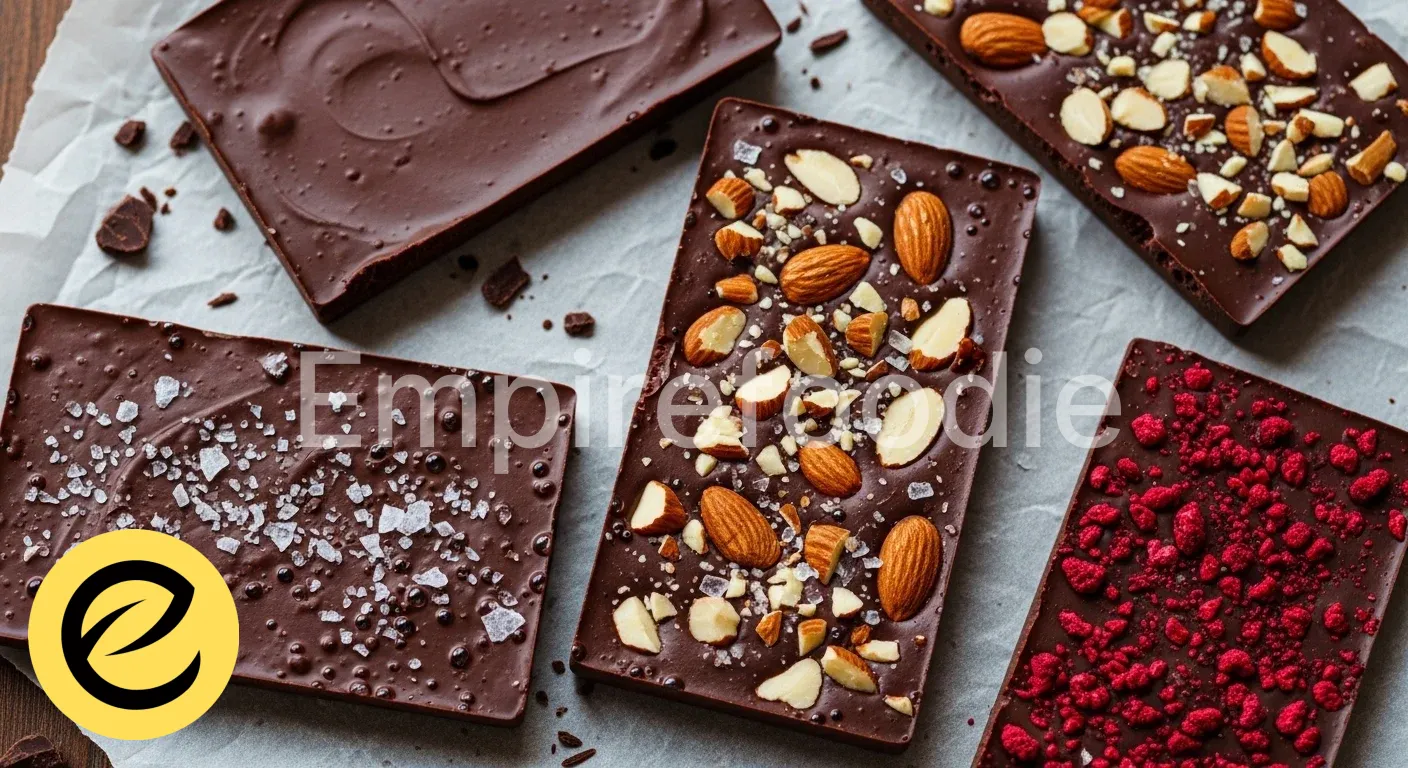
Crafting your own dark chocolate bars offers an unparalleled experience in rich flavor and satisfying texture. This precise recipe guides you through the scientific principles behind achieving perfectly tempered, glossy chocolate with a satisfying snap. Discover the nuances of ingredient interaction and temperature control that elevate simple ingredients into exquisite homemade dark chocolate bars, ensuring a deeply gratifying treat.

Table of Contents

Why You’ll Love This Recipe

  • Experience the profound, complex flavor profile of truly high-quality dark chocolate.
  • Achieve a professional-grade glossy finish and satisfying snap, demystifying the art of tempering.
  • Customize your homemade dark chocolate bars with healthful inclusions, tailoring taste and texture.
  • Benefit from the inherent antioxidant properties of dark chocolate, making indulgence guilt-free.

Ingredients You’ll Need

dark chocolate bars

The foundation of exceptional dark chocolate bars lies in the quality of your raw materials. Each ingredient plays a specific role in texture, flavor, and stability. Selecting premium components is not merely a suggestion; it is a critical directive for achieving superior results.

  • High-Quality Dark Chocolate: Approximately 1.5 pounds (680g) of couverture dark chocolate, ideally 70-80% cacao. Couverture chocolate contains a higher percentage of cocoa butter, which facilitates easier tempering and results in a smoother texture and superior melt. This precise fat composition allows for stable crystal formation.
  • Cocoa Butter (Optional, but Recommended): 1 tablespoon (15g) pure cocoa butter, if working with a chocolate not specifically labelled as couverture or if you desire an even silkier mouthfeel. Cocoa butter contributes to the chocolate’s flow properties and aids in achieving a stable temper.
  • Vanilla Extract: 1 teaspoon (5ml) pure vanilla extract. Vanilla enhances the existing chocolate notes, adding depth and complexity without overpowering the primary flavor of the dark chocolate bars. It works as a natural flavor enhancer.
  • Pinch of Sea Salt: Approximately 1/4 teaspoon fine sea salt. Salt acts as a powerful flavor potentiator, balancing the bitterness of the dark chocolate and bringing forward its inherent sweetness and complex undertones. It’s a crucial element in achieving a well-rounded flavor profile for your dark chocolate bars.

Substitutions & Variations

[ra_display_video url=”https://www.youtube.com/watch?v=E5apNtufWa8″]

Understanding the fundamental chemistry allows for intelligent substitutions and variations without compromising the structural integrity or flavor balance of your dark chocolate bars. Maintain a focus on healthy and beneficial additions.

  • Sweetener Adjustment: While high-quality dark chocolate requires minimal additional sweetness, you can incorporate a small amount of a natural, unrefined sweetener. For instance, finely ground erythritol or stevia powder (ensure it’s a pure extract) can be added sparingly to adjust the perceived sweetness. However, be aware that any powder can slightly alter the chocolate’s texture if not thoroughly incorporated.
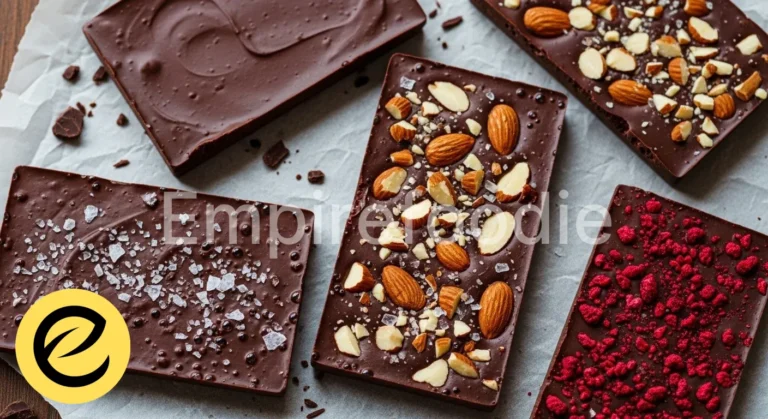
  • Nut & Seed Inclusions: Boost the nutritional profile and add textural contrast by folding in activated raw almonds, pistachios, or pumpkin seeds. Ensure nuts are roasted and cooled if desired for deeper flavor, but avoid adding them while still warm, as residual heat can disrupt the chocolate’s temper. The crunch of these additions complements the smooth dark chocolate bars.
  • Dried Fruit: For a tangy counterpoint, consider adding finely chopped, unsweetened dried cranberries or goji berries. Always ensure fruits are completely dry to prevent moisture introduction, which can cause the chocolate to seize.
  • Spices: Experiment with a subtle hint of Ceylon cinnamon, a tiny pinch of cayenne pepper for a warming kick, or a touch of cardamom. These spices should be finely ground and introduced judiciously to complement, not dominate, the rich flavor of the dark chocolate.
  • Flavor Extracts: Beyond vanilla, explore a few drops of pure peppermint extract (ensure it’s oil-based, not water-based) for a refreshing twist, or orange extract to highlight citrus notes in your dark chocolate bars. Less is often more with concentrated extracts.

When experimenting with your dark chocolate bars, you might want to explore variations in your sweeteners. Check out this chocolate biscuits recipe for inspiration on natural sweetener substitutions.

Equipment You’ll Need

  • Double Boiler Setup: A heatproof bowl (stainless steel or glass) that fits snugly over a saucepan containing simmering water, ensuring the bowl does not touch the water. This provides gentle, indirect heat, crucial for melting chocolate without scorching.
  • Digital Thermometer: A precise instant-read thermometer is absolutely non-negotiable for accurate tempering. Temperature control dictates the crystalline structure of your dark chocolate bars.
  • Rubber Spatula: For gentle folding and scraping, preventing air incorporation.
  • Chocolate Molds: Food-grade silicone molds specifically designed for chocolate bars or candy, ensuring easy release and a professional finish.
  • Offset Spatula or Bench Scraper: For spreading chocolate evenly and achieving a clean finish on the bars.
  • Parchment Paper or Silicone Mat: For a clean workspace and easy cleanup.

Step-by-Step Instructions
dark chocolate bars

Achieving perfectly tempered dark chocolate bars involves precise temperature management and careful handling. Follow these steps meticulously to ensure a stable, glossy, and snappy product.

  1. Prepare Your Workspace: Ensure all equipment is meticulously clean and completely dry. Any moisture can cause the chocolate to seize. Set up your double boiler and have your digital thermometer readily accessible.
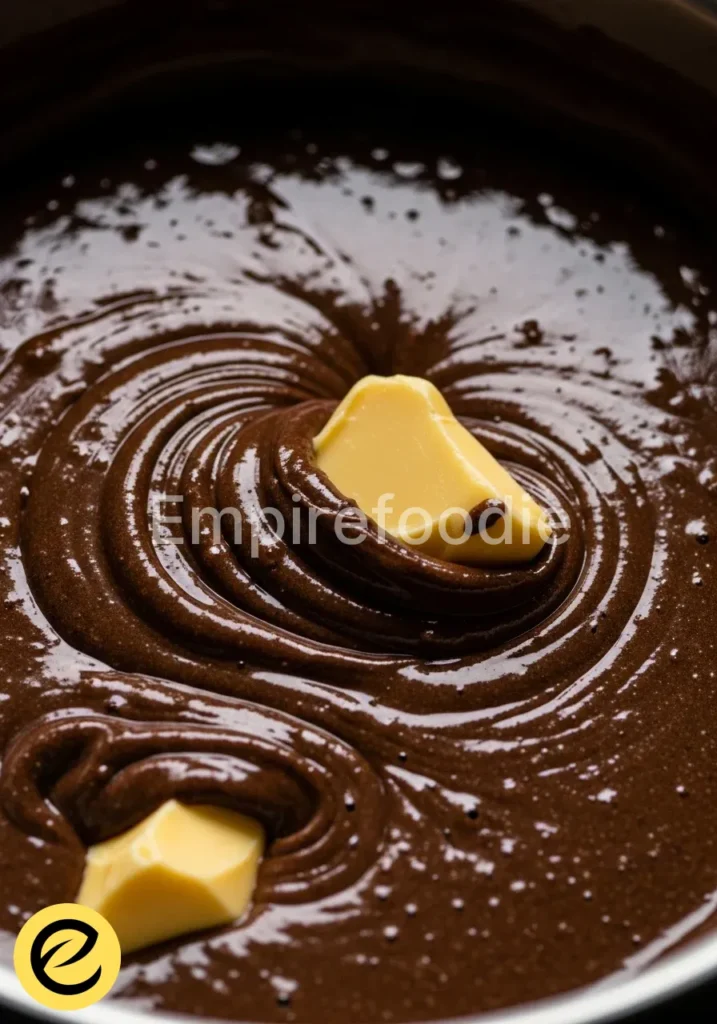
  2. Melt the Chocolate (Initial Phase): Roughly chop the dark chocolate into small, uniform pieces. This promotes even melting. Place two-thirds of the chopped chocolate (approximately 1 pound or 450g) into the heatproof bowl set over simmering water. Ensure the water is simmering gently, not boiling vigorously, and does not touch the bottom of the bowl.
  3. Achieve Melting Temperature: Stir the chocolate constantly with a rubber spatula, allowing it to melt gradually. Heat the chocolate to 113-120°F (45-49°C). This temperature ensures all cocoa butter crystals are melted, resetting the chocolate’s crystalline structure. For precise dark chocolate bars, monitor this carefully.
  4. Remove from Heat & “Seed”: Once the target temperature is reached, immediately remove the bowl from the double boiler. Wipe any condensation from the bottom of the bowl. Add the remaining one-third of the chopped dark chocolate (the “seed” chocolate) to the melted chocolate.
  5. Temper the Chocolate: Stir continuously and vigorously with your spatula. The solid chocolate pieces will cool down the melted chocolate and introduce stable cocoa butter crystals. Continue stirring until the chocolate cools to the working temperature range of 88-91°F (31-33°C). This specific temperature range is crucial for forming Type V beta crystals, responsible for gloss, snap, and heat resistance in your dark chocolate bars.
  6. Test the Temper: Dip the tip of an offset spatula or a piece of parchment paper into the tempered chocolate. If properly tempered, the chocolate should set within 3-5 minutes at room temperature, appearing glossy and streak-free. If it doesn’t set or appears dull, you may need to re-temper.
  7. Add Flavorings: Once tempered, stir in the vanilla extract and sea salt. If adding any optional inclusions like nuts or dried fruit, fold them in gently at this stage. Avoid over-mixing to prevent air bubbles in your dark chocolate bars.
  8. Fill the Molds: Carefully pour the tempered chocolate into your prepared silicone molds. Use the offset spatula or bench scraper to spread it evenly and scrape off any excess from the top, ensuring flat, professional-looking dark chocolate bars.
  9. Tap to Remove Air Bubbles: Gently tap the molds several times on your countertop. This helps release any trapped air bubbles, ensuring a smooth, dense final product.
  10. Chill and Set: Place the filled molds in the refrigerator for 20-30 minutes, or until the dark chocolate bars are completely firm and easily release from the molds. Over-chilling is not necessary and can sometimes lead to condensation.
  11. Unmold and Store: Carefully unmold the dark chocolate bars. They should pop out easily if properly tempered and set.

Tempering your chocolate correctly is pivotal for achieving that perfect snap. Ensure your skills are sharp by learning additional techniques through our guide to chocolate chip biscuits.

Pro Tips for Success

Understanding the science behind chocolate work elevates a recipe from a simple guide to a masterclass in confectionary. Adam Dino’s approach emphasizes precision and knowledge.

  • Understanding the Temper: Tempering is a process of controlled crystallization. Chocolate, specifically cocoa butter, can crystallize in six different forms. Only Type V crystals (beta crystals) provide the desired snap, gloss, and melt characteristics for stable dark chocolate bars. Heating and cooling cycles manipulate these crystals. The initial melt at 113-120°F (45-49°C) eliminates all existing crystal forms. The subsequent cooling and seeding process at 88-91°F (31-33°C) encourages the formation of desirable Type V crystals. Without proper tempering, your homemade dark chocolate bars will be soft, dull, and prone to “bloom” (white streaks caused by unstable fat crystallization).
  • Moisture is the Enemy: Even a single drop of water can cause chocolate to “seize,” turning it from a smooth liquid into a thick, gritty paste. Water causes the sugar crystals in chocolate to clump together. Ensure all bowls, spatulas, and tools are impeccably dry. When using a double boiler, prevent steam from entering the chocolate.
  • Ingredient Temperature: If adding inclusions like nuts or dried fruits, ensure they are at room temperature, or even slightly warmed, before incorporating them into the tempered chocolate. Introducing cold ingredients can rapidly drop the chocolate’s temperature below its working range, causing it to go out of temper.
  • Don’t Rush the Cooling: While chilling in the refrigerator helps set the dark chocolate bars quickly, avoid putting freshly poured, warm chocolate directly into a very cold environment. A rapid temperature drop can sometimes cause minor fat separation or dullness. A gentle chill is preferable.
  • Working with Cacao Percentage: Higher cacao percentage dark chocolate (e.g., 80%+) often has a slightly higher working temperature range for tempering due to less sugar content. Always refer to the manufacturer’s recommendations for precise tempering temperatures if provided. Adjustments for specific dark chocolate bars are sometimes necessary.

Storage & Reheating Tips

Proper storage is essential to maintain the temper, flavor, and integrity of your dark chocolate bars. Reheating is generally not applicable, as these are meant to be enjoyed at a stable, cool temperature.

Store your finished dark chocolate bars in an airtight container at a cool, dry room temperature, ideally between 60-68°F (15-20°C). Humidity and fluctuating temperatures are detrimental to tempered chocolate. Humidity can cause sugar bloom (a white, powdery layer), while temperature fluctuations can lead to fat bloom (a white, streaky appearance).

Both are harmless but affect aesthetics. Avoid refrigeration if possible, as it can cause condensation when the chocolate returns to room temperature, potentially leading to bloom. If you must refrigerate in very warm climates, place the airtight container in a paper bag before refrigerating, and allow it to come to room temperature slowly within the bag to minimize condensation. These dark chocolate bars maintain their quality for several weeks when stored correctly.

Proper storage of your finished dark chocolate bars is crucial to maintain their quality. To understand more about chocolate storage techniques, visit our page on chocolate cookies with white chips.

What to Serve With This Recipe

dark chocolate bars

While these dark chocolate bars are a decadent treat on their own, pairing them with specific items can enhance the experience, providing balance and promoting healthier consumption patterns.

  • Fresh Fruit Platter: The natural sweetness and acidity of berries (strawberries, raspberries), orange segments, or sliced apples offer a refreshing counterpoint to the rich bitterness of the dark chocolate. This pairing highlights the fruit’s freshness against the deep chocolate notes.
  • Nut & Seed Butter: A dollop of unsweetened almond butter or cashew butter can be a surprisingly harmonious accompaniment. The creamy texture and healthy fats complement the chocolate’s intensity, creating a more substantial and satisfying snack.
  • Strong Coffee or Herbal Tea: A well-brewed cup of black coffee or a robust herbal tea (like peppermint or chamomile) can cleanse the palate between bites, allowing the complex flavors of the dark chocolate bars to shine through. The bitterness of coffee often enhances the chocolate’s undertones.
  • Greek Yogurt: A small serving of plain Greek yogurt, perhaps with a drizzle of honey, provides a protein-rich, tangy, and creamy backdrop that can balance the sweetness and richness of these specific dark chocolate bars.

Frequently Asked Questions (FAQ)

Why did my dark chocolate bars appear dull and streaky?

A dull or streaky appearance, often referred to as “bloom,” typically indicates that your chocolate was not properly tempered. Tempering is the process of precisely controlling the temperature of the chocolate to encourage the formation of stable cocoa butter crystals (Type V).

Without this, the cocoa butter can crystallize randomly, leading to a soft, crumbly texture, poor snap, and a grayish, streaky surface. Ensuring strict adherence to the temperature ranges (melting, cooling, and working temperatures) is paramount for glossy dark chocolate bars.

Can I use chocolate chips instead of couverture chocolate?

While technically possible, it is not recommended for achieving high-quality dark chocolate bars. Chocolate chips, especially baking chips, often contain stabilizers and less cocoa butter (or different fats) to help them maintain their shape during baking. This altered fat composition makes them much harder to temper correctly and results in a less fluid melt, a thicker consistency, and a less desirable texture and snap in your final dark chocolate bars. For best results, invest in good quality couverture chocolate.

How can I add different flavors to my dark chocolate bars without affecting the temper?

To infuse additional flavors without disrupting the temper, use fat-soluble flavorings or dry ingredients. Pure, oil-based extracts (like peppermint or orange oil) are ideal; water-based extracts can cause seizing.

For dry inclusions like spices (cinnamon, chili powder), ensure they are finely ground and added after the tempering process, just before molding. When adding nuts, seeds, or dried fruit, ensure they are at room temperature and completely dry to prevent temperature shock or moisture introduction, which can destabilize the perfectly crafted dark chocolate bars.

Dark chocolate bars are crafted from high-quality cocoa solids, cocoa butter, and sugar, providing a rich flavor profile that is both indulgent and healthful. Discover more about the composition and benefits of dark chocolate by exploring this dark chocolate link.

Final Thoughts

Crafting these dark chocolate bars transcends simple cooking; it’s an exercise in precision and understanding culinary science. The gratifying snap and profound flavor are direct results of meticulous technique and quality ingredients. Enjoy the process and the exceptional outcome.

Nutrition Information (per serving)

(Estimated per 1-ounce/28g serving of 70% dark chocolate bar, without inclusions)

NutrientAmount
Calories160 kcal
Total Fat12g
Saturated Fat7g
Cholesterol0mg
Sodium2mg
Total Carbohydrates13g
Dietary Fiber3g
Total Sugars7g
Protein2g

dark chocolate bars

Prep Time 20 minutes
Cook Time 30 minutes
Total Time 50 minutes
Servings 12 ounces (340g) servings
Calories 160
Crafting your own dark chocolate bars offers an unparalleled experience in rich flavor and satisfying texture, achieved through precise temperature management and quality ingredients.

Ingredients

  • 1.5 pounds (680g) high-quality dark chocolate (70-80% cacao)
  • 1 tablespoon (15g) cocoa butter (optional)
  • 1 teaspoon (5ml) vanilla extract
  • 1/4 teaspoon fine sea salt

Instructions 

  • Prepare your workspace, ensuring all equipment is clean and dry.
  • Melt two-thirds of the chopped dark chocolate in a double boiler to 113-120°F (45-49°C).
  • Remove from heat and add the remaining chocolate to seed.
  • Stir continuously until cooled to 88-91°F (31-33°C).
  • Test the temper and add vanilla and salt.
  • Pour into molds, tap to remove bubbles, then chill for 20-30 minutes.
  • Unmold the bars and store properly.
Notes

Ensure all tools are dry, avoid moisture, and treat inclusions carefully. Store at 60-68°F (15-20°C) to maintain quality.
Calories: 160kcal
Course: Dessert
Cuisine: American
Keyword: Chocolate Bars, dark chocolate, homemade, tempering

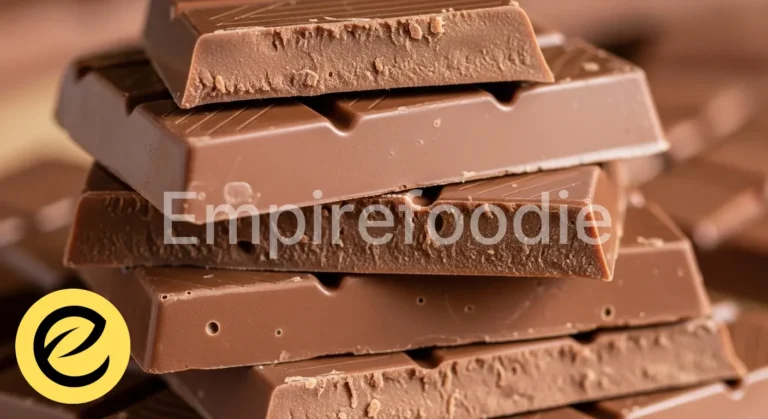
Crafting exceptional homemade milk chocolate bars demystifies a often-complex confectionery art, transforming raw ingredients into a rich, creamy, and satisfying indulgence. This precise guide explores the scientific principles behind perfect texture and flavor, ensuring your homemade milk chocolate bars possess that distinct snap and smooth melt. Understanding the molecular interactions involved elevates your culinary prowess, allowing you to achieve professional-grade results right in your kitchen. Prepare to master the fundamental techniques for creating irresistible milk chocolate bars.

Table of Contents

Why You’ll Love These Homemade Milk Chocolate Bars

  • Superior Flavor Profile: Achieve a customizable sweetness and profound cocoa notes, far exceeding commercial milk chocolate bars.
  • Precise Texture Control: Master tempering to ensure a perfect snap and velvety smooth mouthfeel every time.
  • Ingredient Transparency: Know exactly what goes into your delectable milk chocolate bars, free from obscure additives.
  • Engaging Culinary Science: Delve into the fascinating chemistry of chocolate making, demystifying complex processes.

Ingredients You’ll Need

milk chocolate bars

The quality of your ingredients fundamentally dictates the outcome of your milk chocolate bars. Opt for high-grade cocoa products and dairy for optimal flavor and texture.

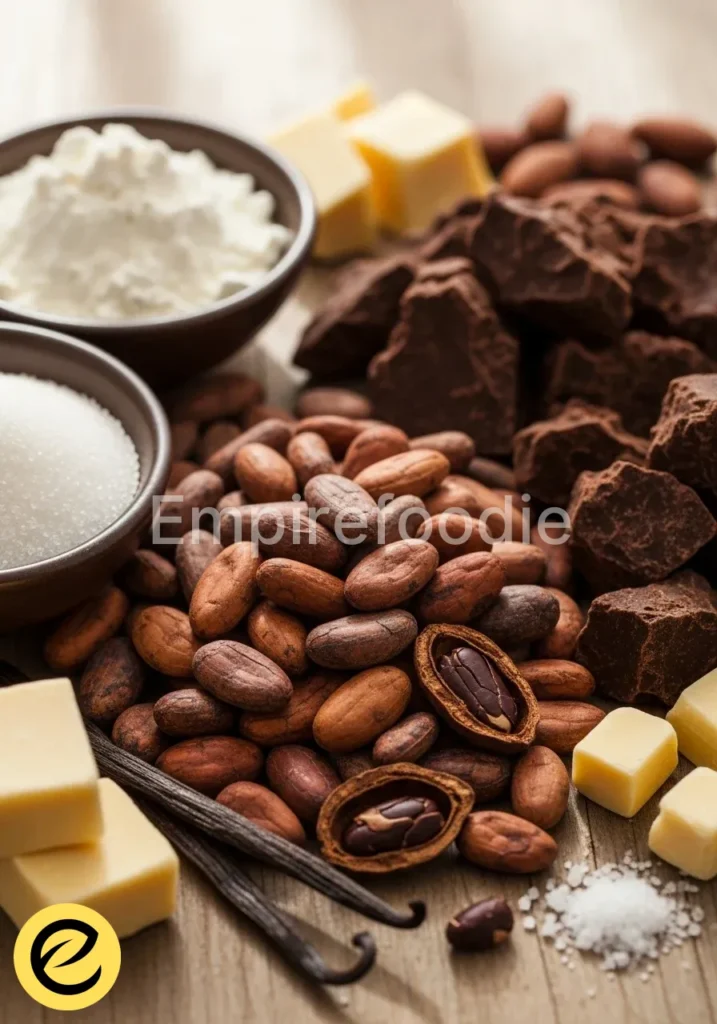
  • 150g (5.3 oz) Cocoa Butter: This forms the structural fat matrix. High-quality cocoa butter, deodorized or natural, provides the necessary fluidity and contributes to the signature melt-in-your-mouth experience of milk chocolate bars. Its specific crystalline structure is crucial for proper tempering.
  • 50g (1.8 oz) Cocoa Mass (or Unsweetened Chocolate): Providing the intense cocoa solids, this ingredient contributes the fundamental chocolate flavor. Its bitterness balances the sweetness and creaminess, essential for complex milk chocolate bars.
  • 150g (5.3 oz) Whole Milk Powder: Essential for the creamy, milky flavor and characteristic light color of milk chocolate. The fat content in whole milk powder also enhances the mouthfeel. Ensure it is fresh and free from clumps.
  • 120g (4.2 oz) Granulated Sugar (Caster Sugar Recommended): Fine granulated sugar dissolves more readily, contributing to a smoother texture without grittiness. Sugar not only sweetens but also plays a role in the chocolate’s rheology. Adjust to personal preference for sweeter or less sweet milk chocolate bars.
  • ½ teaspoon Vanilla Extract (or Vanilla Bean Paste): Aromatic compounds in vanilla enhance the overall flavor profile, adding depth and complexity. Use a high-quality pure extract for best results.
  • ¼ teaspoon Sunflower Lecithin (Optional but Recommended): As an emulsifier, lecithin reduces the viscosity of the chocolate, making it easier to work with and improving the final texture. It helps distribute fat and solids uniformly, preventing fat bloom in your milk chocolate bars.
  • Pinch of Salt: A small amount of salt enhances the perceived sweetness and rounds out the chocolate’s flavor.

Substitutions & Variations

[ra_display_video url=”https://www.youtube.com/watch?v=h8FwM-B7fIM”]
While the core recipe yields classic milk chocolate bars, thoughtful modifications can customize the nutritional profile or flavor without compromising scientific integrity. Substituting certain components alters the chemical and physical properties, so precise execution remains paramount.

  • Sugar Alternatives: For reduced sugar milk chocolate bars, erythritol or allulose can replace granulated sugar. Be aware that these alternatives may affect the melting point and require slight adjustments to tempering temperatures. Always use powdered forms to avoid grittiness.
  • Dairy-Free Options: Coconut milk powder or oat milk powder can substitute whole milk powder for dairy-free milk chocolate bars. These alternatives will subtly alter the flavor and require careful incorporation due to differing fat and protein compositions. The final texture may be slightly different.
  • Flavor Inclusions: Once tempered, stir in roasted chopped nuts, dried fruit bits, or a hint of orange zest just before pouring into molds. Ensure inclusions are completely dry to prevent moisture-induced seizing.
  • Enhanced Cocoa Intensity: Slightly increase the cocoa mass and reduce sugar for a darker, more intense flavor profile in your milk chocolate bars, leaning towards a “dark milk” style.

While crafting milk chocolate bars, you can enhance your experience by exploring other delightful recipes like the best chocolate biscuits. These treats can accompany your chocolate bars for an elevated dessert experience.

Equipment You’ll Need

Precision equipment is vital for successful chocolate making, particularly for achieving proper tempering and smooth texture.

  • Double Boiler Setup: Essential for gentle, even heating of chocolate, preventing scorching. A heatproof bowl over a simmering pot of water works perfectly.
  • Accurate Digital Thermometer: Critical for monitoring tempering temperatures with precision. An instant-read thermometer is ideal.
  • Silicone Spatulas: For scraping and mixing, preventing any material waste.
  • Fine Mesh Sieve: To sift milk powder and sugar, ensuring no lumps create a gritty texture in your milk chocolate bars.
  • Chocolate Molds (Polycarbonate or Silicone): To shape your milk chocolate bars. Polycarbonate molds yield a glossy finish; silicone is easier for demolding.
  • Parchment Paper or Silicone Mat: For cooling and working surface.
  • High-Speed Blender or Food Processor (Optional but Recommended): For refining the chocolate further if a smoother texture is desired, especially after initial mixing. This helps reduce particle size.

Step-by-Step Instructions

milk chocolate bars

Adherence to temperature and technique is non-negotiable for producing exquisite milk chocolate bars. Each step is designed to optimize crystallization and flavor development.

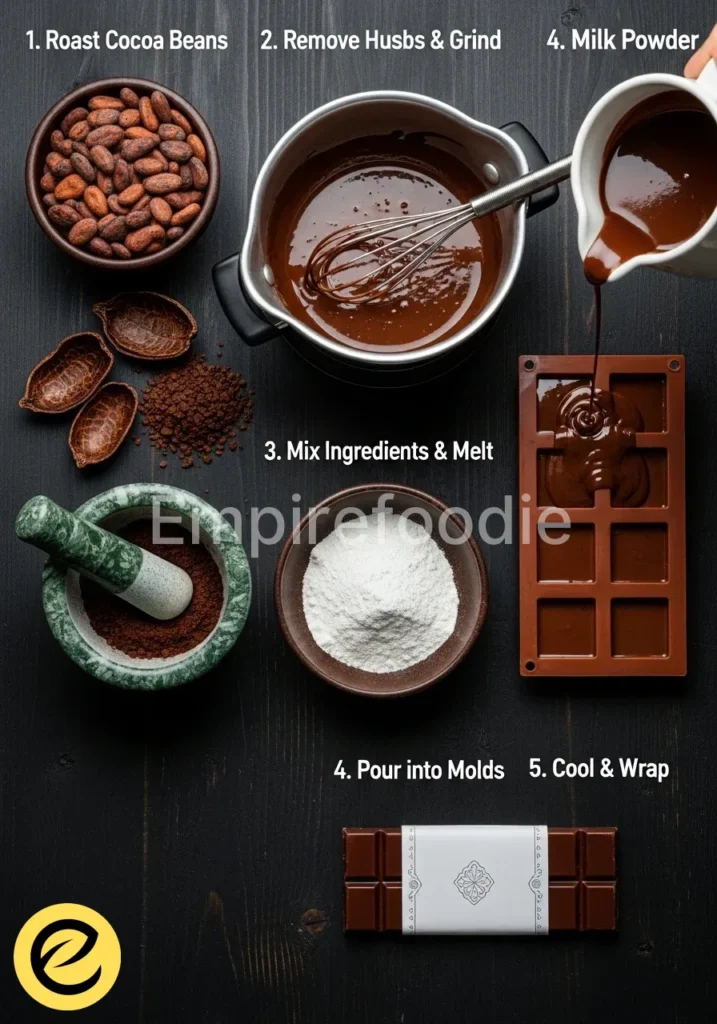
  1. Prepare Ingredients: Precisely weigh all your ingredients. Sift the whole milk powder and granulated sugar separately through a fine-mesh sieve. This prevents clumps and ensures a silky texture for your milk chocolate bars.
  2. Melt Cocoa Butter: Set up your double boiler. Gently melt the cocoa butter in the heatproof bowl over simmering water, ensuring no water or steam comes into contact with the butter. Heat to approximately 45-50°C (113-122°F).
  3. Incorporate Cocoa Mass: Add the cocoa mass (or unsweetened chocolate) to the melted cocoa butter. Stir continuously until fully melted and combined. Maintain the temperature, allowing the cocoa mass to fully homogenize into the fat phase.
  4. Add Dry Ingredients: Gradually whisk in the sifted milk powder, then the sifted sugar, followed by the pinch of salt. Stir vigorously to combine, ensuring no lumps remain. At this stage, the mixture will be thick and paste-like.
  5. Refine and Heat: If using, carefully transfer the mixture to a high-speed blender or food processor. Process for 2-5 minutes to further reduce particle size, creating a smoother consistency. Alternatively, continue stirring thoroughly. Return the mixture to the double boiler and heat the chocolate to an initial tempering temperature of 45-50°C (113-122°F). Stir in the vanilla extract and lecithin (if using). This initial heating phase melts all cocoa butter crystals.
  6. Cool and Seed (Tempering): Remove the bowl from the double boiler. Allow the chocolate to cool to 27°C (81°F), stirring frequently. This is the cooling phase where unstable cocoa butter crystals begin to form. For seeding, add a small amount (approximately 10-20g) of finely chopped pre-tempered milk chocolate bars or cocoa butter to the mixture once it reaches 32-34°C (90-93°F). This introduces stable beta crystals. Continue stirring until the entire mixture reaches 27°C (81°F).
  7. Reheat to Working Temperature: Briefly return the chocolate over the warm (but not simmering) water of the double boiler for just a few seconds, or use a heat gun, to gently raise the temperature to 29-30°C (84-86°F) for milk chocolate. This melts any unstable crystals, leaving only the desired stable beta crystals. Test for temper by dipping a knife or parchment paper strip; it should set within 3-5 minutes with a glossy finish and snap.
  8. Mold the Milk Chocolate Bars: Pour the tempered chocolate into your clean, dry molds. Tap the molds gently on the counter to release any trapped air bubbles.
  9. Chill and Set: Transfer the molds to a cool, dry place (ideally 18-20°C / 64-68°F) or a refrigerator for 15-30 minutes until fully set and firm. Avoid excessively cold temperatures, which can lead to condensation and sugar bloom.
  10. Demold: Once fully set, carefully invert the molds and gently tap to release your perfect milk chocolate bars.

For those interested in expanding their baking repertoire, consider trying this easy chocolate cake recipe that ensures you get the perfect texture and flavor in your desserts. It complements the skills you develop while making milk chocolate bars.

Pro Tips for Success

Achieving exemplary milk chocolate bars hinges on understanding the scientific principles at play, particularly cocoa butter crystallization and heat management.

  • Precision in Tempering: Tempering is the most critical step. Cocoa butter exists in six crystalline forms, but only the stable Beta V crystal (form V) provides the desired snap, glossy finish, and resistance to bloom. Precise temperature control during melting, cooling, and re-warming ensures only these stable crystals form. Deviations will result in dull, crumbly, or soft milk chocolate bars prone to fat bloom.
  • Preventing Seizing: Even a single drop of water can cause chocolate to seize, turning it into a grainy, unworkable mass. Ensure all equipment is completely dry, and protect the chocolate from steam while using a double boiler. Moisture causes sugar crystals to dissolve and then recrystallize unevenly, disrupting the smooth texture.
  • Refining for Smoothness: If you desire an exceptionally smooth texture, particularly after incorporating the dry ingredients, pass the chocolate through a melanger or use a high-speed blender. This process, called conching, reduces particle size to microns, eliminating any grittiness from the sugar and milk powder and fully developing flavor in your milk chocolate bars.
  • Controlling Viscosity: Lecithin, while optional, plays a significant role in managing chocolate viscosity. It’s an emulsifier that reduces the surface tension between the cocoa solids, sugar, and fat, making the chocolate flow more easily. This facilitates smoother pouring and thinner coatings without needing excessive cocoa butter.
  • Optimal Storage Environment: After demolding, store your milk chocolate bars in a cool, dry, and dark environment. Fluctuating temperatures are the primary cause of fat bloom (white, hazy surface), as they cause cocoa butter crystals to melt and recrystallize unevenly on the surface.

Storage & Reheating Tips

Proper storage is paramount for maintaining the quality and aesthetic appeal of your homemade milk chocolate bars. Reheating is generally not recommended for finished bars.

  • Cool, Dry, Dark Place: Store your milk chocolate bars in an airtight container in a cool, dry, and dark environment, ideally between 18-20°C (64-68°F). This temperature range prevents melting and minimizes the risk of fat bloom.
  • Avoid Refrigeration (Generally): While brief refrigeration can help set the chocolate, prolonged storage in the refrigerator is often detrimental. The humidity can cause sugar bloom (a gritty, white surface layer), and condensation upon removal can also cause issues. If refrigeration is necessary, ensure the bars are in a truly airtight container to protect against moisture.
  • Shelf Life: When stored correctly, homemade milk chocolate bars can maintain their quality for up to 3-4 weeks. The cocoa butter and milk powder are fats and can eventually oxidize, leading to off-flavors.
  • No Reheating: Once solid, milk chocolate bars are not typically “reheated” in their bar form. If you wish to use them for melting (e.g., for dipping or sauces), chop them finely and melt gently using a double boiler, carefully monitoring the temperature to avoid scorching or re-tempering.

To further refine your baking skills, check out this tempting recipe for german chocolate cookies. These cookies provide a delicious contrast to your homemade milk chocolate bars while ensuring you maintain high standards of quality and flavor.

What to Serve With These Milk Chocolate Bars

milk chocolate bars

Pairing milk chocolate bars judiciously can create a harmonious culinary experience. Consider options that provide contrasting textures or complementary flavor profiles.

  • Fresh Berries: The tartness of raspberries or strawberries provides a refreshing counterpoint to the sweetness and richness of milk chocolate bars.
  • Roasted Almonds or Hazelnuts: Adds a delightful crunch and nutty depth, complementing the creamy chocolate without overpowering it.
  • Strong Coffee or Tea: The bitterness of a robust coffee or an Earl Grey tea cuts through the richness of the milk chocolate bars, cleansing the palate.
  • Citrus Zest: A delicate sprinkle of fresh orange or tangerine zest can add a bright, aromatic lift, enhancing the chocolate’s complexity.

Frequently Asked Questions (FAQ)

Why is tempering so crucial for making good milk chocolate bars?

Tempering is essential because it manipulates the crystallization of cocoa butter. Without proper tempering, cocoa butter forms unstable crystal structures, leading to milk chocolate bars that are dull, crumbly, melt too easily, and are susceptible to fat bloom. Tempering ensures the formation of stable Beta V crystals, resulting in a glossy finish, crisp snap, smooth texture, and superior shelf stability.

What causes milk chocolate bars to develop a white, hazy coating (bloom)?

The white, hazy coating, known as fat bloom, is caused by unstable cocoa butter crystals migrating to the surface and recrystallizing. This typically occurs due to improper tempering or storing the milk chocolate bars in fluctuating temperatures. When the chocolate warms even slightly, the unstable fat melts, separates, and then resolidifies on the surface as the temperature drops, creating the visible white layer. It affects appearance and texture but is harmless.

Can I use liquid milk instead of milk powder in this recipe for milk chocolate bars?

No, liquid milk cannot be directly substituted for milk powder in chocolate making. Water content in liquid milk would cause the chocolate to seize instantly, turning it into a gritty, unworkable mass. Chocolate making requires an anhydrous (water-free) environment to ensure proper emulsification and a smooth texture. Milk powder provides the necessary dairy solids and fat without introducing water.

Milk chocolate bars are a delightful treat that combine the sweetness of sugar with the richness of cocoa butter and milk solids. By understanding the fundamentals of chocolate making, you can create an array of confections that exceed commercial options, enhancing your cooking skills with the nuances of chocolate craftsmanship.

Final Thoughts

Mastering homemade milk chocolate bars is a journey of precision and scientific understanding, rewarding you with unparalleled control over flavor and texture. This meticulous approach promises a deeply satisfying confection, transforming simple ingredients into a testament to culinary exactitude.

Nutrition Information (per serving)

(Based on 12 servings per recipe)

NutrientAmount
Calories~250-280 kcal
Total Fat~18-22 g
Saturated Fat~11-14 g
Cholesterol~10-15 mg
Sodium~15-20 mg
Total Carbohydrates~20-25 g
Sugars~18-22 g
Protein~3-5 g

milk chocolate bars

Prep Time 20 minutes
Cook Time 30 minutes
Total Time 50 minutes
Servings 12 servings servings
Calories 250
Crafting exceptional homemade milk chocolate bars demystifies a often-complex confectionery art, transforming raw ingredients into a rich and satisfying indulgence. This precise guide explores the scientific principles behind perfect texture and flavor, ensuring your homemade milk chocolate bars possess that distinct snap and smooth melt.

Ingredients

  • 150g Cocoa Butter
  • 50g Cocoa Mass (or Unsweetened Chocolate)
  • 150g Whole Milk Powder
  • 120g Granulated Sugar
  • ½ teaspoon Vanilla Extract
  • ¼ teaspoon Sunflower Lecithin (Optional)
  • Pinch of Salt

Instructions 

  • Prepare and sift ingredients.
  • Melt cocoa butter in a double boiler.
  • Incorporate cocoa mass into melted cocoa butter.
  • Gradually whisk in sifted milk powder, sugar, and salt.
  • Refine mixture using a blender if necessary.
  • Cool chocolate and seed with pre-tempered chocolate.
  • Reheat to working temperature for molding.
  • Pour into molds and cool until set.
  • Demold once fully firm.

Notes

Ensure all equipment is dry to prevent chocolate from seizing. Store in a cool, dry place to maintain quality.
Calories: 250kcal
Course: Dessert
Cuisine: American
Keyword: chocolate, confectionery, dessert, handmade